







Could someone guide me through the steps on how to format sd card on Windows 11? Also, if you could recommend the best file system for general use (photos, videos, and documents), that would be really helpful.—from Microsoft
Understanding miniSD Cards and Their Role
What Is a miniSD Card and How It Works
A miniSD card (also written as minisd) is a portable storage device that was widely used in older mobile phones, cameras, and handheld devices. It sits between standard SD cards and microSD cards in terms of size. Although less common today, many legacy devices still rely on minisd card storage.
When comparing minisd vs microsd, the main differences lie in size and compatibility. A minisd microsd adapter can sometimes be used to bridge compatibility, but not all devices support both formats.
The storage technology behind miniSD cards is flash memory, which allows data to be stored without power. However, over time, file systems may become corrupted, making it necessary to format minisd card to restore functionality.
⚠️Warning: Formatting erases all data. Always back up important files before proceeding.
miniSD vs microSD: Key Differences Explained
Understanding microsd vs minisd helps users choose the right card and avoid compatibility issues. Here’s a quick comparison:
- Size: miniSD is larger than microSD
- Compatibility: microSD is widely supported today
- Usage: miniSD is mostly found in older devices
- Adapters: Some devices allow conversion using adapters
While minisd vs microsd comparisons show that microSD is more advanced, miniSD cards remain relevant for specific legacy hardware.
Why You May Need to Format a miniSD Card
Common Situations That Require Formatting
There are several reasons why you may need to format minisd card, including:
- File system corruption
- Device not recognizing the card
- Slow performance or freezing
- Preparing the card for reuse
- Removing viruses or unwanted files
Formatting helps reset the storage structure, making the card usable again.
⚠️Warning: If your data is important, attempt recovery before formatting.
Signs Your miniSD Card Needs Attention
Before formatting, watch for these warning signs:
- “Card not detected” errors
- Files disappearing unexpectedly
- Read/write errors during transfer
- Device asking to format the card
These issues indicate that your minisd card may require repair or formatting to function properly.
Methods to Format a miniSD Card
Method 1: Format miniSD Card Using Windows File Explorer
Test Environment:
- Windows 11 PC
- 32GB minisd card via SD adapter
- Card recognized but showing errors
Steps:
- Insert the miniSD card into your computer using an adapter
- Open “This PC” or File Explorer
- Right-click on the miniSD card drive
- Select “Format”
- Choose file system (FAT32 recommended for compatibility)
- Click “Start” to begin formatting
This is the simplest way to format minisd card on a Windows system.
⚠️Warning: Double-check the selected drive to avoid formatting the wrong storage device.
Method 2: Format miniSD Card Using Disk Management
Test Environment:
- Windows 10 system
- 64GB miniSD card not accessible in File Explorer
Steps:
- Press
Win + Xand select Disk Management - Locate your miniSD card in the list
- Right-click and choose “Format”
- Select file system and allocation size
- Confirm and proceed
This method is useful when the card is not visible in File Explorer but still detected by the system.
Method 3: Format miniSD Card on Android Devices
Test Environment:
- Android smartphone
- miniSD card inserted via compatible slot or adapter
Steps (how to format minisd card adroid):
- Insert the miniSD card into your Android device
- Open “Settings”
- Go to “Storage” or “Device Care”
- Select the miniSD card
- Tap “Format” or “Erase SD Card”
- Confirm the action
This is the easiest way to handle how to format minisd card adroid, especially for mobile users.
⚠️Warning: Formatting on Android may delete hidden system files required by certain apps.
Method 4: Format miniSD Card Using Command Prompt
Test Environment:
- Windows 11 PC
- 16GB miniSD card with corrupted file system
Steps:
- Connect the miniSD card to your PC
- Open Command Prompt as administrator
- Type: diskpart
list disk
select disk X
clean
create partition primary
format fs=fat32 quick - Replace “X” with your miniSD card number
This advanced method helps when standard formatting fails.
⚠️Warning: Incorrect disk selection may erase other drives.
Method 5: Recover Data Before Formatting Using Pandaoffice Drecov
Test Environment:
- Windows 11 PC
- 128GB minisd card accidentally formatted
- Files include photos, videos, and documents
Steps:
- Install and launch Pandaoffice Drecov on your computer
- Insert the miniSD card using a card reader or adapter
- Select the miniSD card from the available drives
- Start a deep scan to locate lost or deleted files
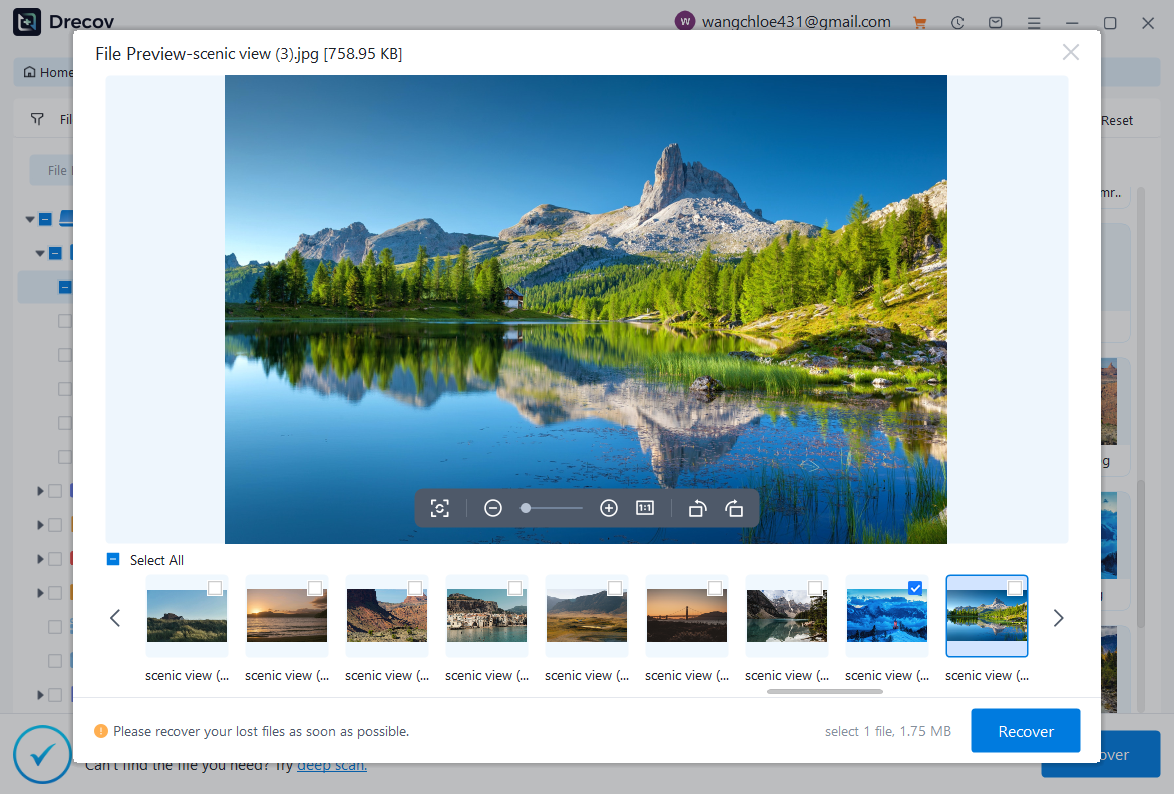
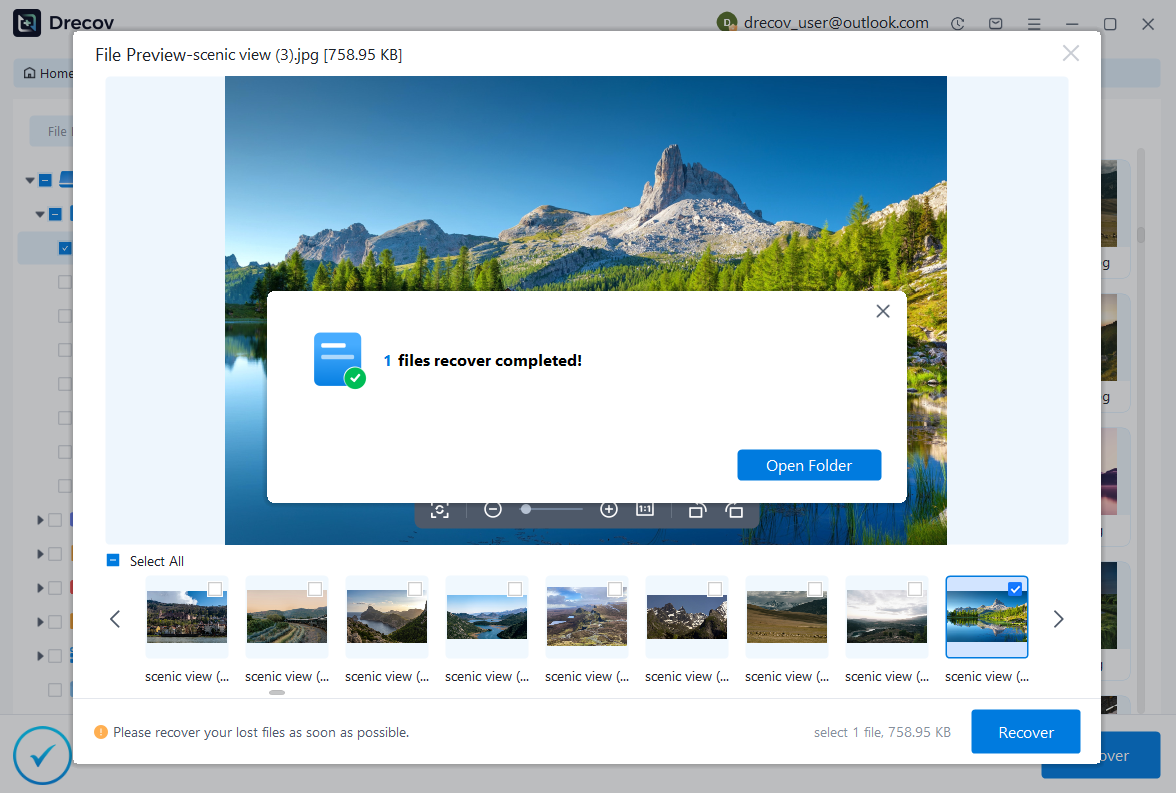
- Preview recoverable files by type or path
- Select needed files and recover them to a different drive
This method is highly effective for restoring files before you format minisd card, ensuring no important data is lost.

Why Choose PandaOffice Drecov?
PandaOffice Drecov is a versatile and reliable solution for recovering a wide range of lost or inaccessible files. Whether you need audio recovery, video recovery, or excel recovery files, PandaOffice Drecov provides fast and efficient results, ensuring your important data is safely restored.
For creative professionals, it supports file recovery Illustrator projects, allowing designers to retrieve unsaved or accidentally deleted artwork without compromising file integrity. Businesses and individuals can also benefit from its restore Windows previous date feature, which helps recover documents or spreadsheets that were lost due to system errors or accidental deletions.
When external storage devices fail, such as a Lacie hard drive not showing up, PandaOffice Drecov can detect and restore files from these drives, ensuring you do not lose critical data. Even deleted files in the recycle bin can be recovered using its advanced recycle bin recovery software capabilities.
Additionally, the software supports recovering data from lost partitions, making lost partition recovery straightforward and reliable. Its intuitive interface allows users to perform audio recovery, video recovery, and excel recovery effortlessly, even for large or complex files.
With PandaOffice Drecov, you get a professional, all-in-one recovery solution that covers nearly every type of file and storage scenario. Its robust algorithms, combined with easy-to-use tools, make it the go-to choice for anyone who wants to restore lost or corrupted data quickly and securely.
⚠️Warning: Never save recovered files back to the same miniSD card.
Method 6: Format miniSD Card on macOS Using Disk Utility
Test Environment:
- MacBook running macOS Sonoma
- 32GB miniSD card not recognized properly
Steps:
- Connect the miniSD card using a compatible adapter
- Open “Disk Utility”
- Select the miniSD card from the sidebar
- Click “Erase”
- Choose format (FAT32 or exFAT for compatibility)
- Confirm to start formatting
This method works well when switching between devices or fixing compatibility issues related to minisd microsd usage.
Method 7: Reformat Using Camera or Device Settings
Test Environment:
- Digital camera supporting miniSD via adapter
- Card showing file errors
Steps:
- Insert the miniSD card into the device
- Access settings or storage menu
- Select “Format” or “Initialize”
- Confirm formatting
Device-based formatting ensures compatibility with that specific hardware, especially useful in legacy devices using minisd card storage.
⚠️Warning: Device formatting may not be suitable for cross-device use.
Frequently Asked Questions About miniSD Cards
What Is the Difference Between miniSD and microSD?
The comparison of minisd vs microsd shows:
- miniSD is larger and older
- microSD is smaller and widely used today
- microSD supports higher capacities and faster speeds
Understanding microsd vs minisd helps avoid compatibility issues when choosing storage for devices.
Can I Use miniSD Cards in Modern Devices?
Yes, but only with adapters. A minisd microsd adapter allows some compatibility, but performance and support may vary depending on the device.
How Often Should I Format a miniSD Card?
You should format minisd card:
- When switching devices
- After major file corruption
- Periodically for maintenance (if heavily used)
Regular formatting helps maintain performance and reliability.
What File System Should I Choose?
- FAT32: Best for compatibility
- exFAT: Better for large files
Choosing the correct format ensures smooth operation across devices.
Conclusion: Best Practices for miniSD Card Management
Key Takeaways on Formatting and Recovery
A miniSD card remains useful for legacy devices, but requires proper care. Understanding what is minisd, differences in minisd vs microsd, and correct formatting methods ensures reliable performance.
Best Practices to Protect Your Data
- Always back up files before formatting
- Use proper adapters for compatibility
- Avoid interrupting data transfers
- Use safe formatting methods depending on your device
- Recover data before formatting when possible
These practices reduce the risk of data loss and improve long-term usability.
Final Thoughts
Whether you are learning how to format minisd card adroid, using Windows tools, or working with macOS, following structured steps ensures safe formatting. Combining recovery tools like Pandaoffice Drecov with proper formatting techniques provides a complete solution for managing miniSD cards effectively.





