







My fiancé has a CD that contains some data regarding her mother who passed a few years back that would be extremely meaningful to her if we could recover data from it. This CD is virtually undamaged other than a singular clean break from the center to the outer edge on one side. —from Reddit
Optical discs such as CDs and DVDs were once the primary way to store music, software, videos, and personal archives. Many people still keep important collections on these discs, including family recordings, music libraries, and archived projects. However, over time these discs may become scratched, damaged, or corrupted, making files inaccessible.
When a CD or DVD becomes unreadable, users often assume the data is permanently lost. Fortunately, modern audio recovery technologies and specialized tools make it possible to retrieve files even from damaged optical discs. Whether the issue is a scratched music CD or a corrupted data DVD, several proven techniques can help restore your information.
This guide explains how optical discs become damaged, how audio cd recovery works, and which methods can help recover lost files. We will also demonstrate one professional solution using Pandaoffice Drecov, a reliable data recovery tool capable of retrieving data from many storage devices.
Understanding CD/DVD Damage and Data Loss
How Optical Discs Store Audio Data
Compact discs and DVDs store information using microscopic pits and lands etched into the reflective layer of the disc. A laser inside the optical drive reads these patterns and converts them into digital data. For music CDs, this digital data represents audio signals.
When the surface becomes scratched or the reflective layer deteriorates, the laser may fail to read certain sectors correctly. This is when recovery audio processes become necessary.
Optical discs are especially vulnerable to physical damage because their protective layer is relatively thin. Even small scratches can block the laser from accessing the stored data. In more severe cases, discs may also suffer from data corruption caused by aging materials or environmental exposure.
Although modern storage solutions have largely replaced CDs and DVDs, millions of discs still contain valuable information. If these discs become unreadable, specialized audio cd recovery methods may still extract the stored content.
Why CDs and DVDs Become Corrupted or Scratched
Common Causes of Optical Disc Damage
Optical discs can fail for several reasons. Understanding these causes can help determine the best audio recovery strategy.
One of the most common causes is physical scratches. When a disc is handled without care or stored without proper protection, its surface may develop scratches that interfere with the laser reading process.
Another frequent problem is dirt or fingerprints. Even small smudges can cause read errors. Cleaning the disc sometimes resolves the issue without requiring advanced recovery tools.
Environmental conditions also play a major role. High humidity, heat, or prolonged sunlight exposure may damage the reflective layer of the disc. Over time, the chemical composition of the disc may degrade, resulting in unreadable sectors.
Manufacturing defects are another possibility. Low-quality discs may deteriorate faster than expected, especially when used frequently.
⚠️Warning
Never attempt to polish a disc with abrasive materials. Improper cleaning methods may permanently damage the data layer.
Understanding the source of the problem helps determine which recovery audio approach will work best.
Effective Methods to Recover Audio from Corrupted CDs or DVDs
Clean the Disc Surface to Restore Readability
Sometimes a disc appears corrupted simply because the optical drive cannot read it properly due to dirt or fingerprints. Cleaning the disc carefully may restore access to the stored files.
Test Environment
- Windows 11 PC
- External DVD drive (USB optical drive)
- Damaged music CD with minor scratches
Steps
- Remove the CD or DVD from the drive.
- Inspect the disc under a bright light to locate fingerprints or dust.
- Use a soft microfiber cloth to wipe the disc gently.
- Always wipe from the center outward rather than in circular motions.
- Reinsert the disc into the drive and check if the files become accessible.
This simple approach often solves minor readability problems and can allow immediate audio recovery without specialized software.
⚠️Warning
Never use rough cloths or paper towels when cleaning optical discs.
Use Built-in System Tools to Copy Readable Data
If the disc is partially readable, the operating system may still copy accessible sectors. Even if some files are damaged, many others might still be recoverable.
Test Environment
- Windows 10 laptop
- Internal DVD drive
- Scratched DVD containing MP3 audio files
Steps
- Insert the damaged CD or DVD into the optical drive.
- Open File Explorer and locate the disc.
- Attempt to copy files to your computer’s hard drive.
- Skip any files that trigger read errors.
- Save all successfully copied files to a safe location.
This method is particularly useful when only certain parts of the disc are damaged. It allows partial audio cd recovery while avoiding unreadable sectors.
However, this approach cannot repair corrupted sectors or recover files that the system cannot detect.
Recover Audio Files Using Pandaoffice Drecov
When manual methods fail, professional data recovery software may retrieve files from damaged discs. Pandaoffice Drecov is a powerful solution capable of scanning storage devices and recovering lost data.
Unlike simple copying tools, recovery software analyzes sectors and attempts to rebuild corrupted file structures. This makes it possible to recover audio tracks that the operating system cannot normally access.
Test Environment
- Windows 11 desktop computer
- External DVD drive
- Severely scratched audio CD with missing tracks
Steps
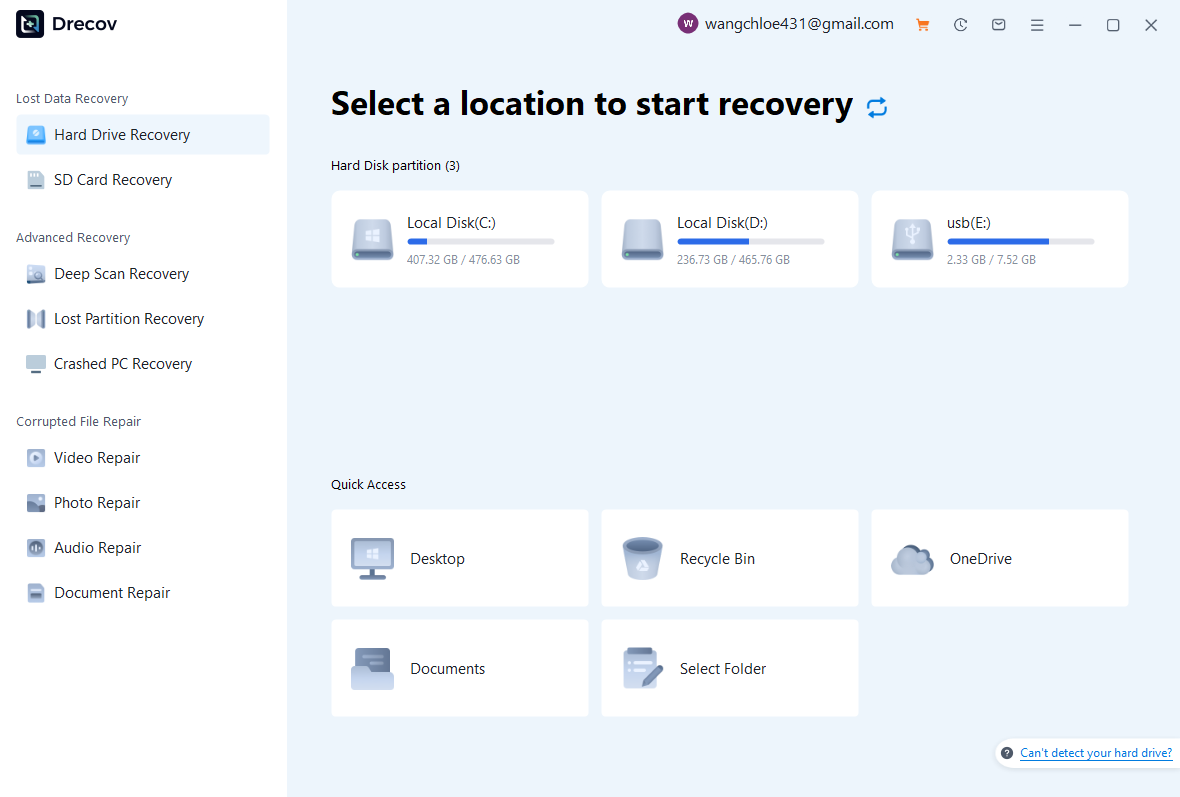
- Install and launch Pandaoffice Drecov on your computer.
- Insert the damaged CD or DVD into the optical drive.
- Select the optical disc as the scanning location.
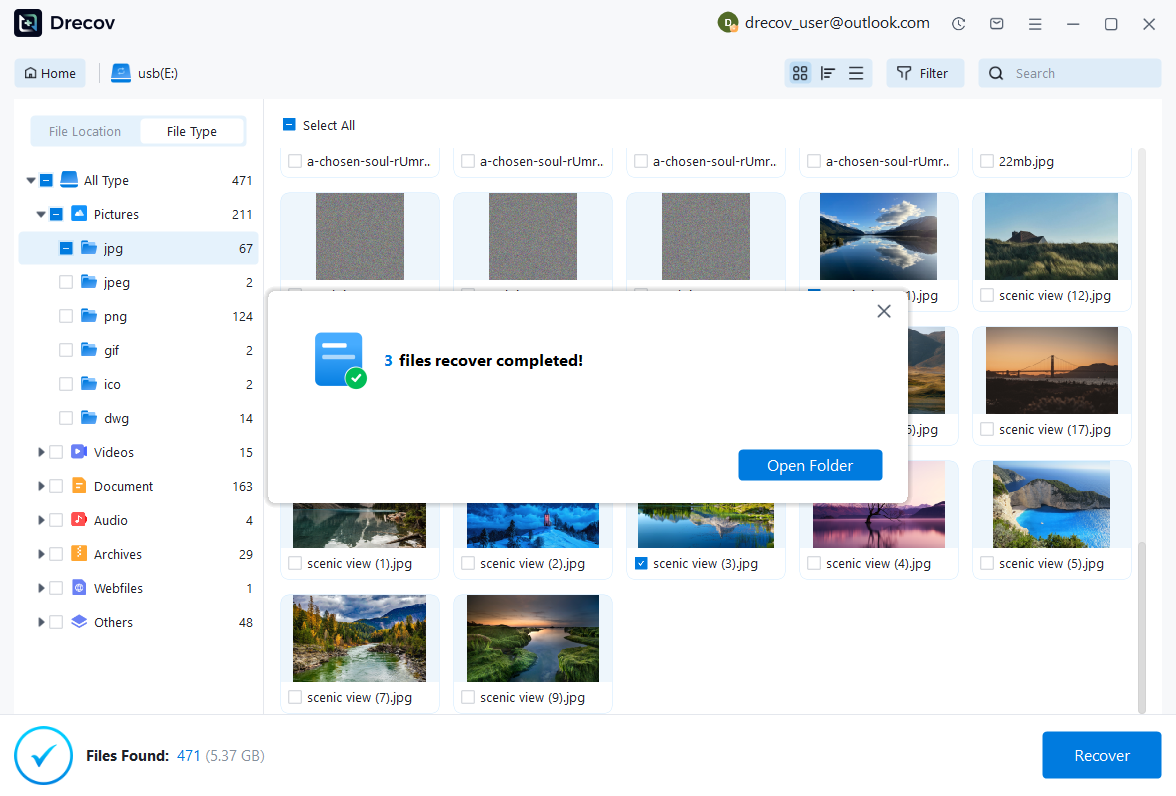
- Start a deep scan to analyze recoverable files.
- Preview discovered audio files before recovery.
- Select the desired files and save them to another storage device.

Why Choose Pandaoffice Drecov?
Data loss can occur unexpectedly due to accidental deletion, system crashes, formatting errors, or software failures. Whether you need to restore Windows previous date, perform recover Excel files,or handle deleted PowerPoint recovery, Pandaoffice Drecov provides a reliable and efficient solution designed to restore important documents quickly and safely.
Pandaoffice Drecov is a professional PowerPoint Recovery Software that supports recovery for multiple document types, including Excel spreadsheets, Word documents, and PowerPoint presentations. With advanced scanning technology, the software can detect and recover files even after deletion, formatting, or unexpected system shutdowns. This makes it an ideal tool for users who urgently need Document Recovery from hard drives, SSDs, USB drives, memory cards, and other storage devices.
One of the key advantages of Pandaoffice Drecov is its intelligent deep-scan engine. It carefully analyzes storage sectors to locate lost or hidden files that standard recovery tools often miss. Whether you accidentally deleted a presentation and require deleted PowerPoint recovery, or you lost critical spreadsheets and need to recover Excel files, the software provides fast scanning and high recovery success rates.
The software also features a user-friendly interface that allows beginners and professionals alike to complete recovery tasks in just a few steps. Users can preview recoverable files before restoring them, ensuring that only the needed data is recovered. In situations where files were lost due to system errors, the software can also help recover documents after attempts to restore Windows previous date.
One advantage of Drecov is its ability to detect file fragments and reconstruct lost audio tracks. This significantly increases the success rate of recovery audio from damaged discs.
⚠️Warning
Always save recovered files to a different drive to avoid overwriting data.
Create an ISO Image of the Disc
If the disc still spins but contains unreadable sectors, creating an ISO image may help capture all readable data. Specialized imaging tools attempt to copy sectors repeatedly until they are successfully read.
Test Environment
- Windows 10 system
- External Blu-ray/DVD drive
- Data DVD containing WAV audio files
Steps
- Install a disc imaging utility capable of reading damaged sectors.
- Insert the scratched CD or DVD.
- Choose the option to create a full ISO image.
- Enable retry attempts for unreadable sectors.
- Save the image file to your computer.
Once the image is created, it can be mounted as a virtual drive. This sometimes allows files to be accessed even if the original disc was partially unreadable.
This technique is frequently used in audio cd recovery workflows because it preserves every readable sector.
Advanced Methods for Recovering Audio from Damaged Discs
Use Specialized Disc Extraction Software
When a CD contains audio tracks that cannot be copied normally, extraction software designed for music CDs may help retrieve the files. These programs read the disc sector by sector and attempt to reconstruct tracks even when read errors occur.
Unlike basic copying tools, these applications focus on music disc structures. They often retry reading problematic sectors multiple times and compare results to rebuild damaged audio streams. This makes them useful in many audio recovery situations.
Test Environment
- Windows 10 desktop computer
- Internal CD/DVD optical drive
- Scratched music CD containing WAV tracks
Steps
- Insert the damaged audio CD into the optical drive.
- Launch the disc extraction software.
- Select the tracks you want to recover.
- Enable error correction or secure extraction mode.
- Start the extraction process and save the files to the hard drive.
This method can successfully retrieve tracks even when parts of the disc surface are slightly damaged. It is widely used in audio cd recovery workflows when traditional file copying fails.
⚠️Warning
Recovery may take longer because the software repeatedly attempts to read problematic sectors.
Use Another Optical Drive
Sometimes the issue is not the disc itself but the optical drive attempting to read it. Different drives use slightly different laser strengths and error correction mechanisms. A disc that fails in one drive might work in another.
Trying another drive is a surprisingly effective recovery audio technique, especially for discs with light scratches.
Test Environment
- Windows 11 laptop
- Two different external USB DVD drives
- Lightly scratched audio CD
Steps
- Remove the disc from the current optical drive.
- Connect another CD/DVD drive to the computer.
- Insert the damaged disc into the new drive.
- Attempt to access the disc again using File Explorer.
- Copy accessible audio files to the computer.
In many cases, this simple hardware change allows the drive to read sectors that previously caused errors. Different drives may interpret the reflective patterns on the disc slightly differently.
Although this method does not repair damaged discs, it can improve the success rate of audio recovery when other attempts fail.
Repair Minor Scratches on the Disc Surface
If scratches are shallow and located on the plastic surface, it may be possible to reduce their impact by carefully polishing the disc. This process helps the laser read the data layer more clearly.
Test Environment
- Windows 10 PC
- External DVD drive
- Scratched music CD with visible surface marks
Steps
- Clean the disc using a microfiber cloth.
- Apply a small amount of non-abrasive polishing compound designed for discs.
- Gently polish from the center outward.
- Rinse the disc with distilled water.
- Dry the disc and test it again in the optical drive.
This technique can sometimes restore readability when scratches scatter the laser beam.
However, the success rate depends heavily on the depth of the scratches. Deep damage cannot usually be repaired.
⚠️Warning
Improper polishing may damage the disc permanently. Always use products specifically designed for optical discs.
Preventing Data Loss on CDs and DVDs
Proper Storage Techniques for Optical Discs
While audio cd recovery methods can help retrieve lost data, preventing disc damage in the first place is always the best strategy. Optical discs are sensitive to environmental conditions, and proper storage significantly increases their lifespan.
First, discs should always be stored in protective cases. Leaving them exposed to dust or friction may cause scratches that interfere with the laser reading process.
Second, temperature and humidity should remain stable. Excessive heat can warp the disc material, while moisture may damage the reflective layer.
Third, discs should never be stacked without protection. Even slight pressure between discs can cause surface damage over time.
Handling discs correctly also plays an important role. Always hold a disc by its edges and avoid touching the shiny surface.
By following these practices, users can reduce the likelihood of needing audio recovery in the future.
⚠️Warning
Avoid placing discs near direct sunlight or inside vehicles where temperatures may rise significantly.
Create Digital Backups of Important Audio Discs
One of the most effective ways to protect valuable audio content is to create digital backups. Optical discs naturally degrade over time, so transferring files to modern storage devices ensures long-term accessibility.
The process is straightforward. Insert the audio CD into your computer and extract the tracks into formats such as WAV, FLAC, or MP3. These digital files can then be stored on hard drives, cloud storage, or external backup devices.
Backups also simplify recovery audio processes. If the original disc becomes damaged later, the digital copy remains safe and accessible.
It is recommended to maintain multiple backup locations, such as an external drive and a cloud storage service. This reduces the risk of data loss caused by hardware failure.
Regular backups are particularly important for professional recordings, archived interviews, and personal music collections.
By digitizing your disc library early, you minimize the need for complex audio recovery procedures later.
Frequently Asked Questions About Audio CD Recovery
Can audio be recovered from severely scratched CDs?
Yes, in many cases it is possible to retrieve files from scratched discs using specialized audio recovery methods. Recovery success depends on the severity of the damage and the condition of the reflective layer.
If scratches are shallow, cleaning the disc or using another optical drive may allow the system to read the data again. For more serious damage, recovery software or sector-by-sector extraction tools may still retrieve parts of the audio tracks.
However, if the reflective layer of the disc is physically destroyed, recovery may not be possible.
Why does my computer fail to read an audio CD?
There are several reasons why a disc may not be detected. The optical drive itself may be outdated or damaged. The disc surface might contain scratches or dirt that prevent the laser from reading the data correctly.
In some situations, disc aging can also cause data corruption. This occurs when the materials used in the disc degrade over time.
Trying another drive, cleaning the disc, or using recovery audio tools often resolves the problem.
Is it safe to recover audio files from damaged discs?
Yes, most recovery methods are safe as long as the recovered files are saved to another storage location. Recovery tools simply scan the disc and copy readable data without modifying the original source.
⚠️Warning
Never save recovered files back to the same damaged disc or storage device.
Conclusion
Although CDs and DVDs are no longer the primary storage medium, they still contain valuable audio recordings, archives, and personal collections. When these discs become scratched or corrupted, data loss can appear inevitable.
Fortunately, modern audio recovery techniques make it possible to retrieve information even from damaged optical media. Simple solutions such as cleaning the disc or using another drive may solve minor problems, while advanced approaches like sector extraction and recovery software can recover more complex cases.
Professional tools such as Pandaoffice Drecov provide an effective way to scan damaged storage devices and restore missing files. When used properly, these solutions can significantly improve the success rate of audio cd recovery.
However, prevention remains the most reliable strategy. Proper disc storage, careful handling, and regular digital backups help protect valuable audio collections from permanent loss.
By understanding the causes of disc damage and applying the right recovery methods, users can often restore their lost music and audio files successfully.






