







Why Recover Data from Old Hard Drive Is Important
Many users have old hard drives lying around with valuable files such as photos, videos, or work documents. Knowing how to get data off an old hard drive can help you retrieve critical information that might otherwise be lost.
Older drives are prone to failure due to wear, outdated technology, or accidental formatting. Therefore, understanding how to recover data from old hard drive is essential before deciding to discard or repurpose the drive.
⚠️Warning: Attempting to access a failing hard drive without proper precautions may worsen the damage. Always handle old drives carefully.
Understanding Old Hard Drives and Their Risks
Old hard drives come in different formats, including IDE, SATA, and early SSD models. Over time, mechanical drives can experience read/write errors, bad sectors, or firmware issues. Recognizing these risks is vital to recover old hard drive data safely.
By identifying the drive type and age, you can select the most effective method for how to get data off an old hard drive, reducing the risk of permanent data loss.
Common Reasons to Recover Data from Old Hard Drive
Some scenarios where recover data from your old hard drives becomes necessary include:
- Accidental deletion of files
- Drive not recognized by the system
- Upgrading to a new storage solution
- Backing up legacy data before erasing the drive
Understanding these situations helps in selecting the right recovery approach and tools to maximize data retrieval.
Method 1: Direct Connection to a Computer
The simplest way to recover data from old hard drive is to connect it directly to a desktop or laptop computer.
Test Environment and Steps:
- Test Environment: Desktop PC with spare SATA/IDE ports or a laptop with USB adapter
- Steps:
- Remove the old hard drive from its casing carefully
- Connect it to a computer using a SATA/IDE cable or USB adapter
- Wait for the computer to recognize the drive
- Copy accessible files to the main computer or an external backup drive
⚠️Warning: Avoid writing new files to the old hard drive to prevent overwriting recoverable data.
Method 2: Use an External Docking Station
If direct connection is not possible, an external hard drive docking station can help. This method is ideal for old IDE or SATA drives.
Test Environment and Steps:
- Test Environment: Old hard drive, external docking station, desktop or laptop PC
- Steps:
- Insert the old hard drive into the docking station
- Connect the docking station to the computer via USB
- Wait for the system to recognize the drive
- Access files and copy them to a secure location
Docking stations provide safe access without opening the computer case, reducing the risk of physical damage.
Method 3: Data Recovery Software for Deleted Files
Sometimes, files may not be visible due to deletion or corruption. Using recovery software can help recover data from old hard drive efficiently. PandaOffice Drecov is a reliable tool for scanning old drives and restoring lost content.
Test Environment and Steps:
- Test Environment: Old hard drive connected to a computer, PandaOffice Drecov installed
- Steps:
- Connect the old hard drive to the PC
- Launch PandaOffice Drecov and select the connected drive
- Run a full scan to locate deleted or lost files
- Preview the found files and restore them to a safe backup location
- After recovery, you can safely format or reuse the drive

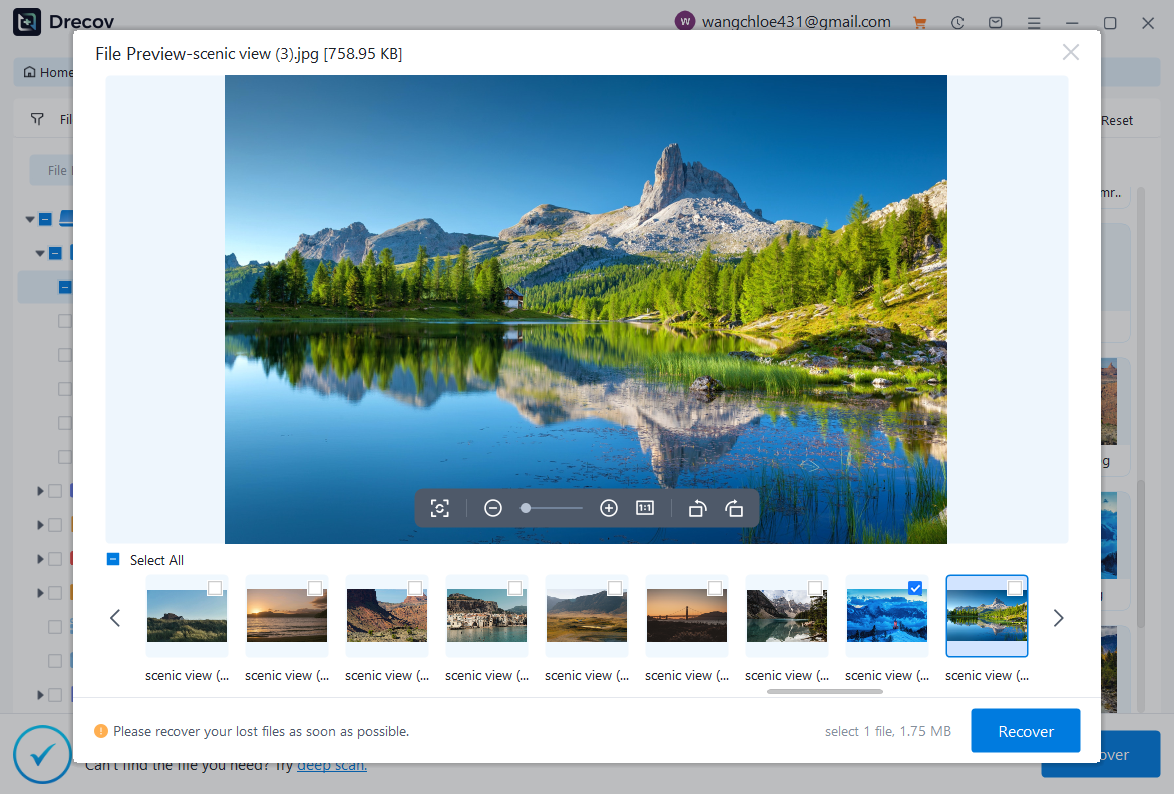
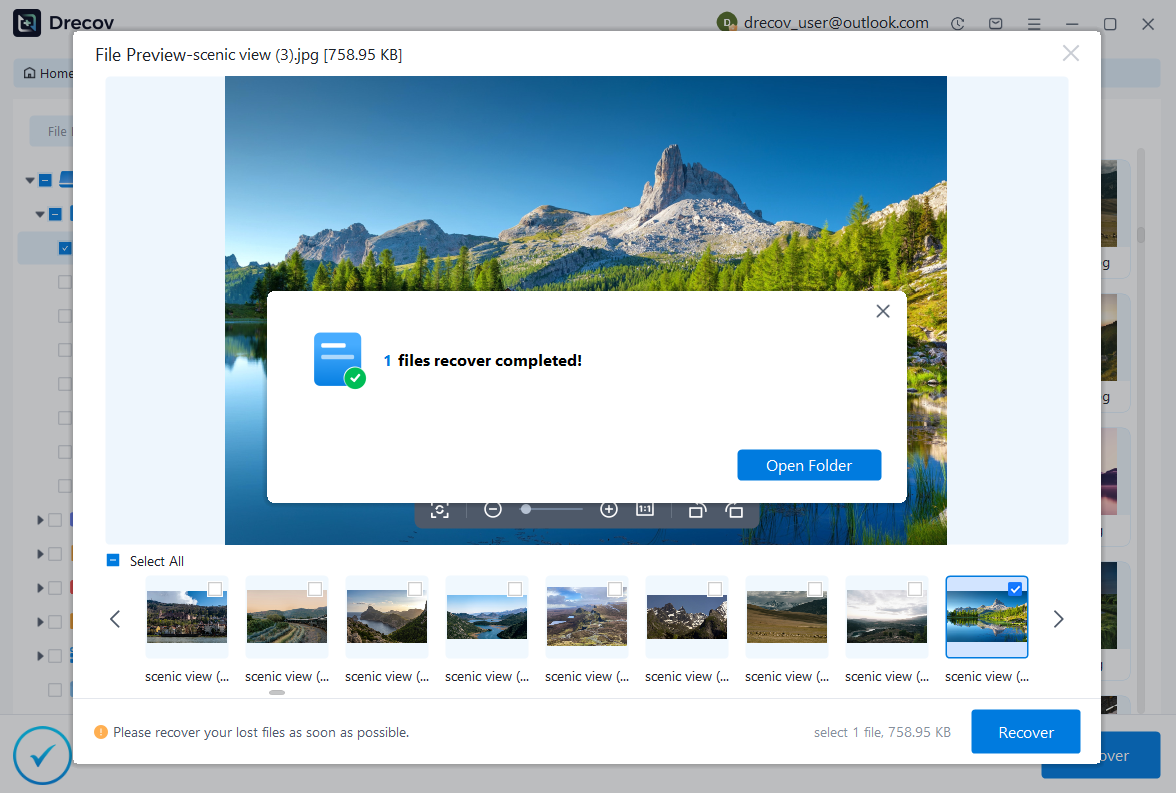
Why Choose PandaOffice Drecov?
PandaOffice Drecov is a versatile and reliable solution for recovering a wide range of lost or inaccessible files. Whether you need audio recovery, video recovery, or excel recovery files, PandaOffice Drecov provides fast and efficient results, ensuring your important data is safely restored.
For creative professionals, it supports file recovery Illustrator projects, allowing designers to retrieve unsaved or accidentally deleted artwork without compromising file integrity. Businesses and individuals can also benefit from its restore Windows previous date feature, which helps recover documents or spreadsheets that were lost due to system errors or accidental deletions.
When external storage devices fail, such as a Lacie hard drive not showing up, PandaOffice Drecov can detect and restore files from these drives, ensuring you do not lose critical data. Even deleted files in the recycle bin can be recovered using its advanced recycle bin recovery software capabilities.
Additionally, the software supports recovering data from lost partitions, making lost partition recovery straightforward and reliable. Its intuitive interface allows users to perform audio recovery, video recovery, and excel recovery effortlessly, even for large or complex files.
⚠️Warning: Do not recover files to the same old drive to avoid overwriting unrecovered data.
Method 4: Using a Hard Drive Enclosure
For users who want long-term access, placing the old hard drive in an external enclosure converts it into a portable drive.
Test Environment and Steps:
- Test Environment: Old hard drive, compatible hard drive enclosure, USB connection
- Steps:
- Insert the old hard drive into the enclosure
- Connect the enclosure to a computer via USB
- Access files normally and copy important data
- Optionally, run disk checks or recovery scans before storing
This method is useful for old drives that need to be reused or archived.
Method 5: Recover Data from Physically Damaged Hard Drives
Sometimes, old hard drives have physical damage like clicking noises, read/write errors, or bad sectors. Recovering data from these drives requires careful handling.
Test Environment and Steps:
- Test Environment: Old mechanical hard drive with physical damage, desktop PC, SATA/IDE-to-USB adapter
- Steps:
- Power off the drive completely and inspect for obvious damage
- Connect the drive via SATA or USB adapter to a PC
- Avoid running heavy operations; try to copy small files first
- Use a recovery software scan to attempt recover data from old hard drive
- If the drive is unreadable, consider professional data recovery labs
⚠️Warning: Do not attempt DIY repair on physically damaged drives; it may cause permanent data loss.
Method 6: Using Disk Imaging to Preserve Data
Disk imaging creates a clone of your old hard drive, which is safer when the drive is failing. This allows you to work on the copy rather than the original.
Test Environment and Steps:
- Test Environment: Old hard drive, disk imaging software (free or paid), working PC
- Steps:
- Connect the old hard drive to your computer
- Launch disk imaging software and select the drive as the source
- Create an image file on a separate storage device
- Mount the image and recover files using software like PandaOffice Drecov
- Once recovery is complete, the original drive can be safely stored or discarded
This method minimizes further stress on fragile drives and improves success rates for recover old hard drive operations.
Method 7: Recover Data from Old External Hard Drives
External drives are often neglected, but they may store critical backups. Recovering files from them is similar to internal drives but requires additional attention to enclosure or interface issues.
Test Environment and Steps:
- Test Environment: Old external hard drive, computer with USB ports, USB cable
- Steps:
- Connect the external hard drive to a PC
- If the drive is recognized, copy files immediately
- If the drive is not recognized, check enclosure, cable, or power source
- Use recovery software to scan the drive for deleted or hidden files
- Recover files to a secure backup location
⚠️Warning: Avoid dropping or shaking external drives during recovery; mechanical components are fragile.
Method 8: Recovering Data from Old SSDs
Although SSDs don’t have mechanical parts, recovering data can be more complex due to TRIM operations that overwrite deleted files.
Test Environment and Steps:
- Test Environment: Old SSD, PC, SATA-to-USB adapter, recovery software with SSD support
- Steps:
- Connect the SSD to your computer
- Check if the drive is recognized in Disk Management (Windows) or Disk Utility (Mac)
- Avoid writing new data; TRIM may erase recoverable files
- Run PandaOffice Drecov scan optimized for SSDs
- Recover available files to a separate storage device
This method is critical for recovering recent deletes or partially formatted SSDs.
Common Troubleshooting During Old Hard Drive Recovery
Sometimes drives are detected but inaccessible. Common issues include:
- Drive not recognized: Check cables, power, and try different ports
- Drive shows wrong capacity: File system corruption may occur; avoid formatting before scanning
- Clicking noises: Indicates mechanical failure; avoid spinning the drive unnecessarily
Test Environment and Steps:
- Test Environment: Old hard drive, desktop or laptop, SATA/USB connections
- Steps:
- Check all physical connections
- Use software diagnostics to scan for errors
- If errors persist, consider disk imaging or professional service
⚠️Warning: Interrupting a failing drive can cause permanent data loss. Work methodically and patiently.
Best Practices for Recovering Data from Old Hard Drives
- Always backup recovered data to a separate drive
- Avoid writing to the old drive during recovery
- Label drives to track which ones have been recovered
- Consider professional help for physically damaged drives
Following these steps ensures maximum recovery success when attempting to recover data from your old hard drives.
FAQ / Common Questions
Can I recover deleted files from an old hard drive after years?
Yes, but success depends on how much the drive has been used since deletion. Using software like PandaOffice Drecov increases recovery chances.
Do SSDs lose recoverable data faster than HDDs?
Yes, because TRIM operations on SSDs may permanently overwrite deleted files quickly.
Is it safe to recover data from drives with bad sectors?
Partially. Minimize stress on the drive by copying small files first or creating a disk image before full recovery.
Conclusion / Key Takeaways
Recovering data from old hard drives requires understanding the drive type, condition, and using appropriate methods. Key points include:
- Use direct connection, docking stations, or enclosures for standard drives
- Leverage PandaOffice Drecov for deleted or corrupted files
- Employ disk imaging for fragile or failing drives
- Be cautious with physically damaged drives and SSDs
- Always backup recovered files to prevent further data loss
By following these methods, you can efficiently recover data from old hard drive, secure valuable information, and prepare the drive for future use or safe storage.






