







i was studying from a pdf, not downloaded just straight from edge and i added a lot of text and highlights that i needed. next thing i know i open that tab and the entire document is just a gray screen with a sad face on it. i can’t refresh because i will lose everything. maybe this happened because i completed ran out of space, but i cleared up a bit and nothing changed. is it possible to recover it somehow??—from Reddit
Understanding Unsaved Adobe PDFs
What Unsaved Adobe PDFs Are
An unsaved Adobe PDF refers to a document created in Acrobat or another PDF editor that was not saved properly before the application closed or a system crash occurred. Losing an unsaved PDF can happen due to unexpected software shutdowns, computer crashes, power outages, or accidental closure without saving.
Understanding what constitutes an unsaved Adobe PDF is crucial because the recovery approach differs from recovering a deleted or corrupted file. Knowing the type of loss ensures users choose the correct method for recovering unsaved Adobe PDF documents.
Why Recovering Unsaved PDFs Matters
PDFs are widely used for official documents, contracts, reports, and forms. Losing an unsaved Adobe PDF can cause workflow disruption, missed deadlines, and data loss. The urgency of recovery is higher for business or professional documents. Being aware of how to prevent data loss and how to restore unsaved files is critical for any professional who works with PDFs regularly.
⚠️Warning: Attempting multiple unsaved recovery attempts on the same file without backing up temporary files may reduce the chances of full recovery.
Common Reasons Unsaved PDFs Are Lost
Accidental Closure or System Crash
One of the most frequent causes of an unsaved Adobe PDF loss is the unexpected closure of Acrobat. This may happen due to system freezes, crashes, or accidental shutdowns. In such cases, the PDF content might remain in temporary files or cache, which can be leveraged for recovery.
Software Errors or Updates
Sometimes, Acrobat or other PDF software may encounter errors during editing or updating. A failed update or a software bug can lead to loss of unsaved work. Understanding this allows users to focus on recovery methods rather than assuming the file is permanently gone.
Power Outages and Hardware Issues
Sudden power outages or failing storage drives can cause unsaved Adobe PDFs to disappear. In these scenarios, files are often partially written or stored in temporary locations that standard searches may not locate. Recovering unsaved PDFs requires specialized approaches to access these temporary or auto-save locations.
⚠️Warning: Do not restart or save new files over the original directory before attempting recovery, as this can overwrite temporary files needed for restoration.
Methods to Recover Unsaved Adobe PDF Files
Method 1: Using PandaOffice Drecov for Recovery
PandaOffice Drecov is a reliable tool for recovering unsaved Adobe PDF files from local drives, temporary directories, or storage devices. Unlike software-specific auto-recovery, it scans for residual data to restore PDF content safely.
Test Environment:
- OS: Windows 10/11 (Mac not supported)
- PDF Types: Standard, encrypted, and partially saved files
- File Size: 1MB–500MB
- Scenarios: Accidental closure, system crash, or temporary file loss
Steps:
- Open PandaOffice Drecov and select File Recovery Mode.
- Scan the drive or folder where the unsaved PDF was being edited.
- Locate temporary or unsaved PDF entries in the scan results.
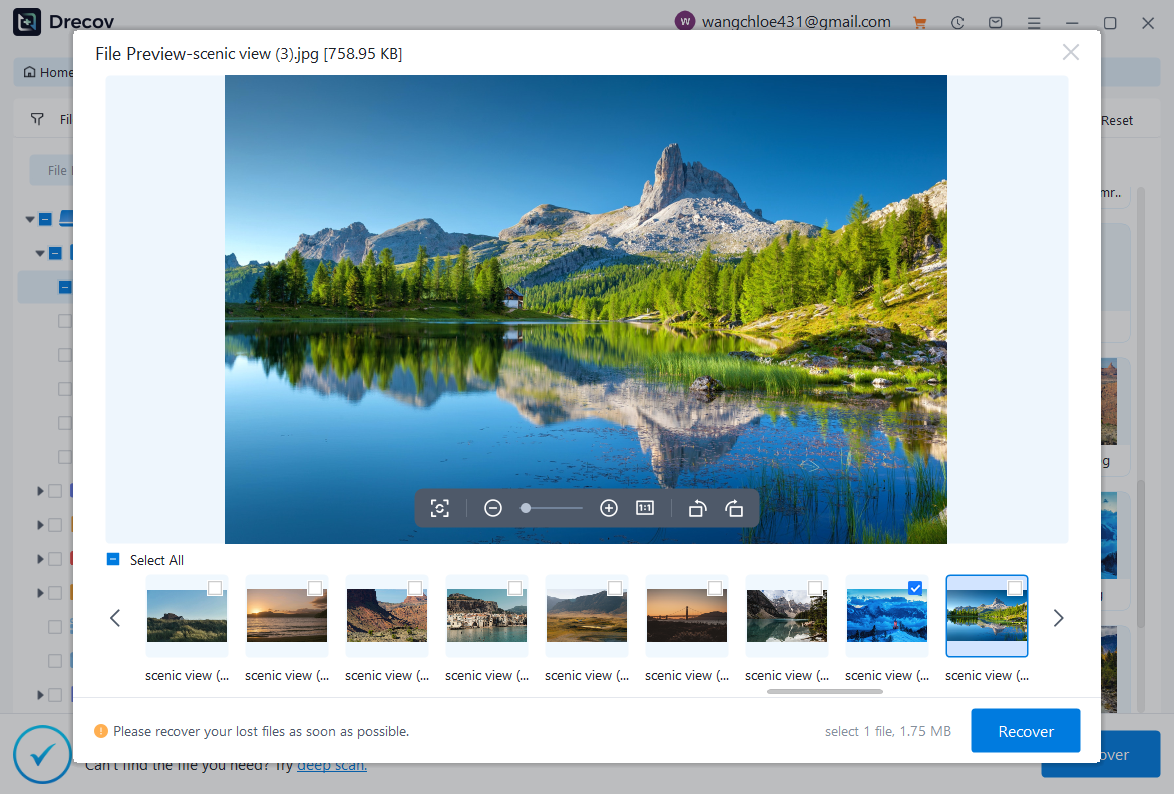
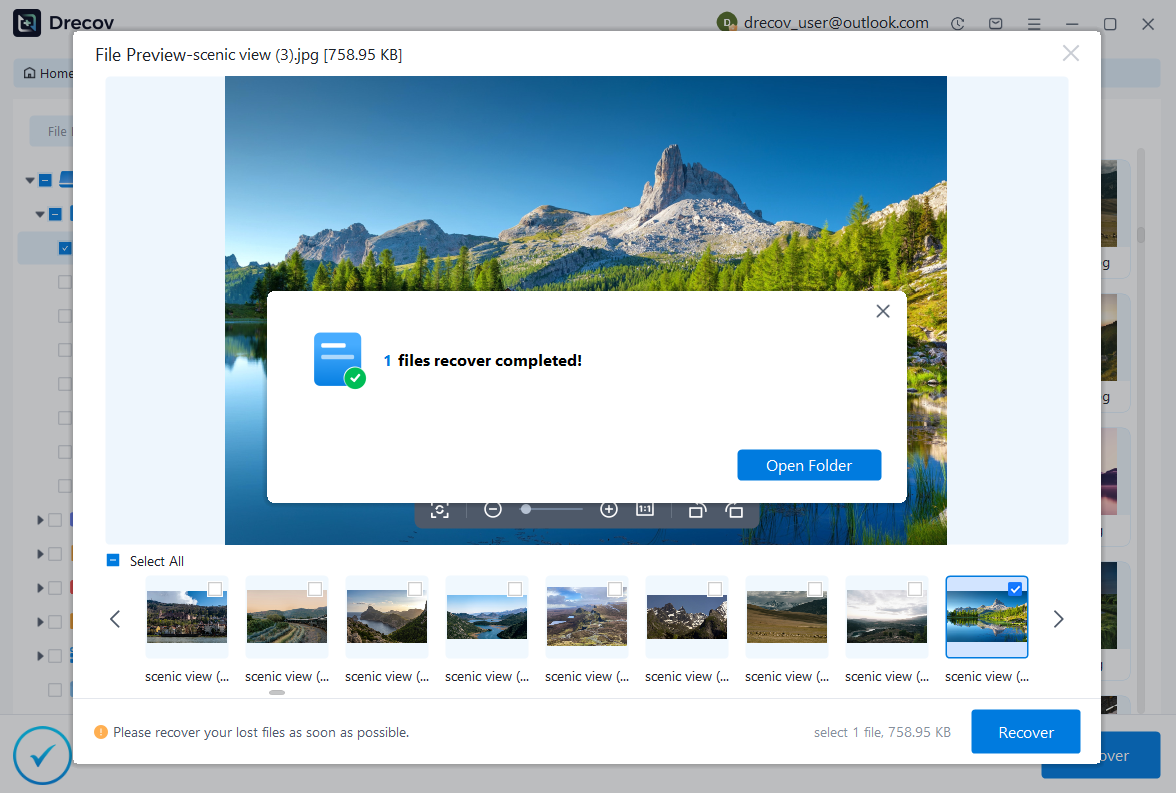
- Preview and select files for recovery.
- Save the restored PDF to a safe location.

Why Choose PandaOffice Drecov?
PandaOffice Drecov is a versatile and reliable solution for recovering a wide range of lost or inaccessible files. Whether you need audio recovery, video recovery, or excel recovery files, PandaOffice Drecov provides fast and efficient results, ensuring your important data is safely restored.
For creative professionals, it supports file recovery Illustrator projects, allowing designers to retrieve unsaved or accidentally deleted artwork without compromising file integrity. Businesses and individuals can also benefit from its restore Windows previous date feature, which helps recover documents or spreadsheets that were lost due to system errors or accidental deletions.
When external storage devices fail, such as a Lacie hard drive not showing up, PandaOffice Drecov can detect and restore files from these drives, ensuring you do not lose critical data. Even deleted files in the recycle bin can be recovered using its advanced recycle bin recovery software capabilities.
Additionally, the software supports recovering data from lost partitions, making lost partition recovery straightforward and reliable. Its intuitive interface allows users to perform audio recovery, video recovery, and excel recovery effortlessly, even for large or complex files.
With PandaOffice Drecov, you get a professional, all-in-one recovery solution that covers nearly every type of file and storage scenario. Its robust algorithms, combined with easy-to-use tools, make it the go-to choice for anyone who wants to restore lost or corrupted data quickly and securely.
⚠️Warning: Always recover to a different folder to avoid overwriting temporary data that might still be useful.
Method 2: Checking AutoSave or Temporary Folders
Most PDF editors maintain temporary files that may contain unsaved content. This method leverages software-created auto-save directories.
Test Environment:
- OS: Windows 10/11
- PDF Types: Standard PDFs
- Software: Adobe Acrobat, Foxit, or similar
Steps:
- Navigate to the software’s AutoSave or Temp folder (e.g.,
C:\Users\Username\AppData\Local\Temp). - Look for files with
.tmpor.pdfextensions created at the time of editing. - Copy these files to a safe location.
- Attempt opening them in Acrobat or other PDF readers.
⚠️Warning: Some temporary files may be partial or corrupted; always make backups before editing them.
Method 3: Recover Unsaved Adobe PDFs from Recent Files
Using Recent Documents Lists
Most PDF editors, including Acrobat, maintain a recent files list. Even if a PDF was unsaved, sometimes the temporary reference is stored here. Accessing this list can provide a quick path for recovering unsaved Adobe PDF files without deep scanning.
Test Environment:
- OS: Windows 10/11
- PDF Types: Standard PDFs and partially saved documents
- Software: Adobe Acrobat, Foxit Reader
Steps:
- Open your PDF editor.
- Navigate to the “File → Recent” section.
- Look for documents labeled as “Unsaved” or marked with a temporary name.
- Open the file and immediately save it to a secure location.
⚠️Warning: Do not close the editor or open other large files before saving, as the reference may be cleared from memory.
Method 4: Recovering from Cloud Backups or Auto-Save Services
Many users save PDF drafts to cloud storage, such as OneDrive, Google Drive, or Dropbox. Even if the unsaved Adobe PDF wasn’t manually saved, cloud-based auto-save can capture temporary edits.
Test Environment:
- OS: Windows 10/11, macOS
- Storage: OneDrive, Google Drive, Dropbox
- File Size: Up to 500MB
Steps:
- Log in to your cloud account.
- Navigate to the folder synced with your PDF editor.
- Check the version history or temporary files section.
- Restore the most recent version to recover unsaved changes.
⚠️Warning: Ensure that the restored PDF is saved locally to avoid overwriting cloud-synced data that may still contain unsaved edits.
Benefits
Cloud recovery is highly reliable, especially when working across multiple devices. It ensures minimal data loss and allows users to track changes even if the local system fails. However, the method depends on cloud synchronization settings and internet availability.
Method 5: Searching Temporary System Files
If both software auto-save and cloud backups fail, the operating system may retain copies of unsaved Adobe PDF files in temporary folders. These files can sometimes be identified and restored manually.
Test Environment:
- OS: Windows 10/11
- File Types:
.tmp,.pdf - Storage: Local drives and external drives
Steps:
- Open the temporary file directory (e.g.,
C:\Users\Username\AppData\Local\Temp). - Sort files by creation time or recently modified.
- Look for files matching the approximate editing time.
- Copy potential files to a safe folder and rename with a
.pdfextension. - Open in Acrobat or other PDF readers.
⚠️Warning: Temporary files may be partial or incomplete; verify content before overwriting any other files.
FAQ / Common Questions
How Can I Recover Unsaved Acrobat Files After a Crash?
Use auto-save folders, temporary files, cloud backup, or PandaOffice Drecov to locate lost PDF content. Always check the “Recent Documents” list first.
What If the Unsaved PDF File Is Partially Saved or Corrupted?
Partially saved PDFs can often be restored using PandaOffice Drecov or by manually checking temporary directories. Attempting to open corrupted files repeatedly without recovery may worsen the issue.
Does Closing the PDF Editor Without Saving Permanently Delete Unsaved Files?
Not always. Many editors store temporary copies or allow partial recovery through system or cloud auto-save features. Recovery success depends on timing, software settings, and whether temporary files have been overwritten.
Conclusion / Key Takeaways
Recovering unsaved Adobe PDF files requires a combination of methods depending on the situation:
- PandaOffice Drecov: Ideal for full recovery from local drives or temporary locations.
- Recent Files and Auto-Save: Quick access for minor unsaved documents.
- Cloud Backups: Ensures minimal data loss with version tracking.
- Temporary System Files: A last resort for manual recovery of unsaved content.
⚠️Warning: Always back up PDFs before attempting recovery to prevent overwriting potential data.
By following these strategies, users can efficiently handle recovering unsaved Adobe PDF files and learn how to recover unsaved Acrobat file content, ensuring important documents are not lost. Proper preventive measures, including regular saves and cloud backups, dramatically reduce the risk of unsaved file loss.






