







Understanding iPhoto Photo Loss and Recovery Possibilities
Why Photos Disappear From iPhoto Library
iPhoto was once one of the most popular photo management applications for organizing, editing, and storing digital images on Mac computers. Many users relied on iPhoto libraries to keep years of personal photos, family memories, and important photography projects in one organized location.
However, photos stored in an iPhoto library can become unavailable for different reasons. Accidental deletion is one of the most common causes. Users may remove pictures while cleaning up their library, organizing albums, or deleting duplicate images. In some cases, important photos may be deleted together with unwanted files by mistake.
Another common issue is iPhoto library corruption. Since an iPhoto library contains a large collection of image files, database information, previews, and organizational data, unexpected shutdowns, system errors, or storage problems may damage the library structure. When this happens, users may find that photos are missing, albums cannot open, or the entire library becomes inaccessible.
Storage device problems can also lead to photo loss. If the hard drive containing the iPhoto library develops errors, experiences bad sectors, or becomes disconnected during file operations, the stored images may no longer appear correctly.
Other situations that may cause iPhoto photo loss include:
- Accidental formatting of storage drives
- Failed system upgrades
- Corrupted external hard drives
- Interrupted file transfers
- Malware or software conflicts
Although lost photos may seem permanently removed, the actual image data may still exist on the storage device. When files are deleted, the operating system usually marks the storage space as available for new data instead of immediately removing every piece of information.
Understanding the reason behind photo loss is the first step in performing successful iphoto data recovery. Taking appropriate action quickly can help prevent deleted photos from being overwritten and improve the possibility of restoring valuable images.
⚠️Warning: Avoid saving new files to the drive containing the lost iPhoto library. New data may overwrite the deleted photo information and reduce recovery chances.
Can Deleted iPhoto Photos Be Recovered
Many users wonder whether deleted pictures from an iPhoto library can actually be restored. The answer depends on how the photos were removed, where the library was stored, and whether new data has replaced the original files.
When photos are deleted from iPhoto, they are not always immediately erased from the storage device. In many cases, the system only removes the reference that points to the file location. The original image data may remain available until the storage space is reused.
This means iphoto deleted photos recovery may still be possible if users take action quickly after losing their images. However, several factors influence recovery results:
- The time since the photos were deleted
- The amount of new data written to the storage device
- The condition of the hard drive or external storage
- Whether the iPhoto library structure is damaged
For example, if an iPhoto library was accidentally deleted from an external hard drive and the drive has not been used afterward, recovery possibilities are usually higher. On the other hand, continuing to store new files on the same drive may overwrite the deleted library information.
The storage location of the iPhoto library also affects recovery methods. Some users keep their libraries on the internal Mac drive, while others store them on external hard drives or USB devices to save space.
When attempting iPhoto recovery, users should first check simple solutions such as Trash folders and backups. If these options do not work, specialized recovery methods may help locate missing image files.
Understanding how deleted files are handled provides users with a better chance of choosing the right recovery approach.
Methods to Recover Deleted Photos From iPhoto Library
Restore Deleted iPhoto Photos From Trash and Backup
Recover Images From iPhoto Trash and Existing Backups
Before using recovery software, users should check whether the deleted photos are still available through built-in recovery options. In many cases, recently removed images may still exist in temporary storage locations or backup copies.
The first place to check is the iPhoto Trash folder. When photos are deleted from the library, they may remain there until the Trash is emptied. Users can open iPhoto, access the Trash section, and restore available pictures back to the library.
Another important recovery option is checking backups. Many Mac users create backups through external drives or backup applications. If an iPhoto library was included in a backup, users may restore the entire library or retrieve individual photos from previous versions.
Common backup locations include:
- External hard drives
- Time Machine backups
- Cloud storage services
- Manual photo archives
Test environment:
- Device: Mac computer with iPhoto library
- Storage location: Internal drive or external backup drive
- Lost data type: Deleted photos and library files
- Recovery method: Trash and backup restoration
Backup-based recovery is usually the safest method because it does not modify the original storage device. Restoring from a previous copy also avoids the risks associated with scanning and recovering files.
However, this method only works if backups were created before the photos disappeared. Many users discover photo loss only after deletion and may not have any available copies.
When no backup exists, users may need alternative recovery methods that analyze the storage device directly to locate remaining photo data.
Recover Lost iPhoto Library From Storage Devices
Find Missing iPhoto Photos Through Storage Recovery
When an iPhoto library becomes inaccessible or deleted without backup, recovery software can help search for lost image files stored on the drive. This method is useful when photos cannot be restored through normal library functions.
An iPhoto library is more than a simple folder. It contains image files along with database information that controls albums, edits, and organization. When the library structure becomes damaged, users may lose access to photos even though the original files still exist.
Recovery tools can scan storage devices and search for recognizable photo formats. Depending on the condition of the drive, they may locate JPEG images, RAW files, and other supported picture formats.
The general recovery process includes:
- Stop using the storage device containing the iPhoto library.
- Connect the drive to a computer if necessary.
- Select the storage location for scanning.
- Search for recoverable image files.
- Preview available photos.
- Save recovered files to another location.
Test environment:
- Device: Computer with iPhoto library
- Storage type: HDD or external storage drive
- Lost files: Deleted photos and library data
- Recovery method: Storage device scanning
Preview functionality is especially useful during recovery because users can confirm whether detected images are complete before restoring them.
For users searching for iphoto recovery, selecting a suitable recovery method depends on the reason for photo loss. Simple deletion may require basic restoration, while damaged libraries or formatted drives may require deeper scanning.
⚠️Warning: Do not reinstall applications or copy large amounts of data to the affected drive before recovery. These actions may overwrite recoverable files.
Use PandaOffice Drecov for Photo Recovery From Storage Devices
Recover Lost Photos From HDD, SSD, SD Cards, and USB Drives
When photos are lost from storage devices without available backups, professional recovery software can provide another option. This approach is useful when deleted images are no longer visible or when storage devices have formatting or file system problems.
PandaOffice Drecov is a Windows-based data recovery solution designed to help recover lost files from storage devices such as HDDs, SSDs, SD cards, and USB drives. Users who have stored photo libraries or image collections on these devices can use the software to scan for missing files.
The recovery process generally includes:
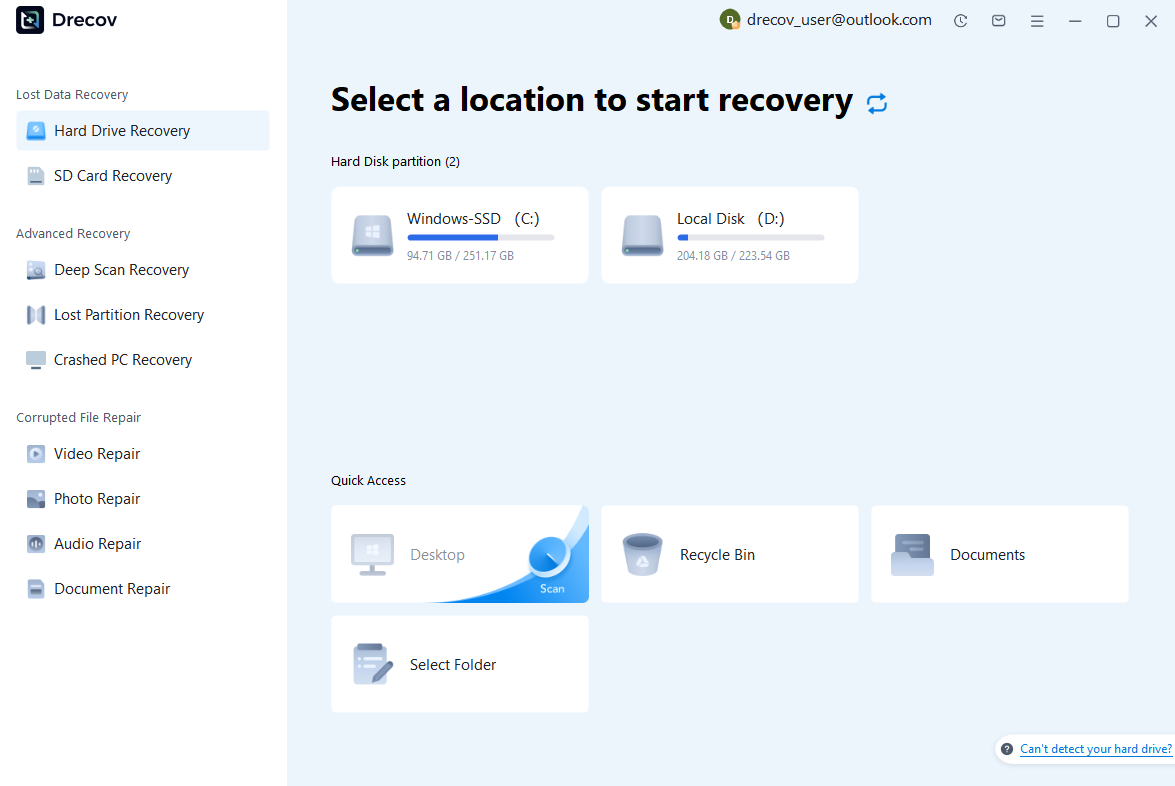
Step 1: Connect the Drive / USB)
Connect your device (SD card, HDD/SSD, or USB drive) to your computer and launch PandaOffice Drecov. Select the target device and start the scan. The software will perform a quick scan and deep scan to detect lost or deleted data.
Step 2: Locate and Preview Lost Files
After scanning, browse the detected files and use the preview feature to check recoverable data. You can preview documents (Word, Excel, PDF), photos, and videos to ensure file integrity before recovery.

Step 3: Recover and Save to a New Location
Select the files you want to restore and click recover. Save all recovered data to a different drive or location (not the original device) to avoid overwriting lost data.

Some questions you may be interested in:
how to format a hard drive windows 11
how to recover deleted drafts in outlook
what is healthy recovery partition
how to make steam not open on startup
Test environment:
- Device: Windows computer
- Storage media: HDD, SSD, SD card, or USB drive
- Lost data type: Photo files
- Recovery scenario: Deleted or inaccessible images
The preview function helps users identify available photos before recovery. This is especially useful when storage devices contain thousands of images and users only need specific files.
Compared with manual file searching, recovery software can analyze storage information more deeply and locate files that are no longer visible through normal browsing.
However, recovery results depend on factors such as storage condition, overwrite activity, and the severity of data damage. Taking immediate action after photo loss remains important for improving recovery success.
How to Prevent Future iPhoto Photo Loss
Create Regular Backups of iPhoto Library
Although recovery methods can help restore lost images, maintaining regular backups is the most effective way to protect an iPhoto library. Photos often represent years of personal memories and creative work, so relying on only one storage location creates unnecessary risk.
An iPhoto library may contain not only original pictures but also edited versions, albums, ratings, and organizational information. Losing the entire library because of accidental deletion, storage failure, or system problems can be difficult to recover without a backup.
Users should consider creating multiple copies of important photo collections. Common backup methods include:
- External hard drive backups
- Cloud storage synchronization
- Manual copies of the iPhoto library folder
- Full system backups
For Mac users, maintaining a regular backup schedule helps ensure that recent photos are protected. A backup created before data loss occurs can restore an entire library without requiring complicated recovery procedures.
When creating backups, users should also organize their storage properly. Keeping different versions of photo libraries can be helpful because it allows users to return to an earlier version if the latest copy becomes damaged.
A reliable backup strategy should include:
- More than one storage location
- Regular update frequency
- Protection from accidental deletion
- Verification that backup files can be opened
Although iphoto recovery software can help in unexpected situations, prevention remains the safest way to protect valuable photos. Recovery tools are most useful when backups are unavailable, but a complete backup provides a faster and more reliable solution.
Protect Photo Storage Devices From Damage
The storage device where an iPhoto library is saved plays an important role in protecting photo collections. Whether users store images on an internal hard drive, external HDD, SSD, or USB device, proper storage management can reduce the risk of data loss.
Many photo loss situations are caused by storage problems rather than accidental deletion. Hard drives may develop bad sectors, external drives may disconnect during file transfers, and USB devices may become corrupted after improper removal.
To protect photo storage devices, users should follow several practices:
- Safely eject external storage devices
- Avoid disconnecting drives during file transfers
- Keep enough free storage space available
- Monitor unusual drive errors
- Replace aging storage devices when necessary
Users should also avoid storing important photo libraries on damaged or unreliable drives. If a device starts showing warning signs such as slow performance, frequent errors, or missing files, important data should be copied to another location as soon as possible.
Temperature, physical impact, and power interruptions can also affect storage reliability. Keeping external drives in safe environments helps extend their lifespan.
Proper storage management reduces the need for emergency recovery. However, if a storage device has already failed or photos have disappeared, using appropriate recovery methods quickly can help improve the possibility of restoring missing images.
Frequently Asked Questions About iPhoto Recovery
Can I Recover Deleted Photos From iPhoto?
Understanding Deleted Photo Restoration Possibilities
Many users ask whether deleted iPhoto pictures can still be recovered after they disappear from the library. The answer depends on how the photos were removed and whether the original storage space has been overwritten.
When images are deleted from an iPhoto library, the operating system may not immediately erase all photo data. Instead, the space occupied by those files may be marked as available for future use. Until new data replaces that space, recovery may still be possible.
The first steps users should take include:
- Checking the iPhoto Trash folder
- Looking for available backups
- Avoiding new data storage on the affected drive
- Using suitable recovery methods if necessary
If photos were recently deleted and no new files have been added, the chances of successful restoration are generally better.
For users who need iphoto deleted photos recovery, the recovery process depends heavily on the condition of the storage device. Simple deletion may be easier to handle than situations involving damaged drives or corrupted libraries.
Users should also remember that recovery success cannot be guaranteed. Severely damaged storage devices or overwritten files may no longer contain enough information for restoration.
Acting quickly after discovering missing photos provides the best opportunity to recover important images.
What Is the Best iPhoto Recovery Software?
Choosing a Suitable Tool for Lost Photo Restoration
Choosing the right recovery solution depends on the type of photo loss and where the iPhoto library was stored. Different situations require different recovery approaches.
For example:
- Deleted photos from a healthy drive may require basic file recovery
- A corrupted iPhoto library may require deeper scanning
- A formatted external drive may need storage-level recovery
- A damaged memory card may require specialized analysis
A suitable recovery tool should provide several important features:
- Support for common image formats
- Ability to scan different storage devices
- Preview before recovery
- Safe recovery to another location
- Simple operation process
When selecting iphoto library recovery software, users should consider whether it supports the storage device containing the missing photos. Compatibility with HDDs, SSDs, USB drives, and memory cards can make recovery more flexible.
Preview capability is particularly valuable because it allows users to confirm whether photos are recoverable before completing the restoration process.
Users should avoid saving recovered files back to the original storage location because this may overwrite other recoverable data.
The best recovery solution is not necessarily the most complicated one. A tool that provides reliable scanning, clear results, and safe restoration options can be more practical for everyday users.
How Does iPhoto Library Recovery Work?
Recovering Photos From Damaged or Missing Libraries
An iPhoto library contains multiple components, including original image files, database information, previews, and organizational settings. When the library becomes damaged, users may not be able to access photos even though some data remains on the storage device.
iPhoto recovery typically works by searching for available photo information on the storage media. Recovery tools analyze the drive structure and attempt to identify files that are no longer visible through normal access methods.
The general recovery process includes:
- Selecting the storage device containing the library.
- Performing a scan for lost files.
- Identifying recoverable image formats.
- Previewing detected photos.
- Saving recovered images to a safe location.
Test environment:
- Device: Computer containing iPhoto library
- Storage type: Internal HDD or external drive
- Lost data: Photos and library-related files
- Recovery method: Storage scanning
The success of library recovery depends on factors such as the level of corruption, overwrite activity, and physical condition of the drive.
For users experiencing serious library problems, recovering individual image files may sometimes be easier than restoring the complete library structure. Once recovered, users can organize the photos again in a new library.
Final Thoughts on iPhoto Photo Recovery
Choosing the Right Solution for Lost iPhoto Images
Losing photos from an iPhoto library can be stressful, especially when the collection contains years of personal memories or important creative work. Fortunately, missing images are not always permanently lost. The right recovery approach can help users restore valuable photos in many situations.
The first step after discovering photo loss is to avoid making changes to the affected storage device. Writing new files to the drive may overwrite deleted images and reduce recovery possibilities.
Users should begin with simple recovery options, such as checking the Trash folder and restoring from backups. These methods are safer because they do not modify the original storage device.
When backups are unavailable, specialized recovery solutions can help scan storage devices and locate missing photos. Choosing suitable iphoto recovery software depends on the cause of data loss and the condition of the storage media.
For future protection, users should create regular backups, maintain healthy storage devices, and avoid risky file operations. A strong backup strategy can prevent many common photo loss situations.
Whether users need iphoto data recovery after accidental deletion, library corruption, or storage failure, acting quickly and following safe recovery practices can improve the chances of restoring important images.
By combining prevention methods with effective recovery solutions, users can better protect their photo collections and reduce the impact of unexpected data loss.






