







Images play an important role in personal memories, professional projects, marketing materials, and online content. However, many users eventually encounter problems such as blurry photos, low resolution, poor lighting, or unclear details. A picture that looks acceptable on a camera screen may appear less impressive when viewed on a larger display or printed.
Learning how to enhance picture quality can help improve image clarity, restore missing details, and make photos look more professional. With modern editing tools and artificial intelligence technology, improving image quality is no longer limited to professional photographers.
A picture quality enhancer can adjust different aspects of an image, including sharpness, brightness, color balance, contrast, and resolution. Traditional editing software provides manual control, while an ai picture quality enhancer can automatically analyze an image and apply improvements based on visual information.
There are many reasons why a photo may appear low quality. It could be caused by incorrect camera settings, insufficient lighting, compression damage, outdated devices, or accidental resizing. Choosing the right improvement method depends on the original condition of the image and the result you want to achieve.
This guide explains different ways to enhance picture quality, including online tools, AI-based solutions, professional editing methods, and image recovery approaches. It also covers practical tips to help maintain better image quality in the future.
Understanding How to Enhance Picture Quality and Why Images Become Blurry
Common Reasons Behind Low Picture Quality
Before learning how to improve images, it is important to understand why pictures lose quality. A photo can become blurry or unclear because of many technical and environmental factors.
One common reason is low resolution. Every digital image is made up of pixels, and images with fewer pixels contain less visual information. When a small image is enlarged, the software needs to create additional pixels, which may result in blurry edges and reduced detail.
Poor lighting conditions can also affect image quality. Photos taken in dark environments often contain digital noise, reduced sharpness, and inaccurate colors. Cameras usually increase sensitivity in low light, which can make images appear grainy.
Motion blur is another common problem. If the camera or subject moves while taking a picture, details may become unclear. This often happens when capturing fast-moving objects without proper shutter speed settings.
Image compression can also reduce quality. Many platforms automatically compress uploaded photos to save storage space. Although the file size becomes smaller, some image details may be removed.
Test environment:
- Device tested: Digital camera and smartphone photos
- Image problems: Blur, noise, low resolution, and compression damage
- Editing system: Windows 11 computer
⚠️Warning: Repeatedly saving an already compressed image can further reduce quality. Always keep an original copy before editing.
Understanding these causes helps users choose the correct method instead of applying random adjustments that may not improve the final result.
How Image Resolution Affects Picture Clarity
Resolution is one of the most important factors affecting image quality. It refers to the number of pixels contained in an image. Generally, images with higher resolution contain more visual information and appear clearer when displayed or printed.
For example, a small image from an old phone may look acceptable on a mobile screen but become pixelated when enlarged for printing. This happens because the original image does not contain enough pixels to represent additional details.
Modern enhancement tools attempt to solve this problem through image upscaling. Instead of simply stretching pixels, advanced algorithms analyze existing details and estimate what additional information should be added.
An ai picture quality enhancer uses machine learning models to recognize patterns such as faces, textures, edges, and objects. It can improve image appearance by generating more natural-looking details.
However, image enhancement cannot always recreate information that was never captured. A severely damaged or extremely low-resolution image may only receive limited improvement.
Test environment:
- Original image: Low-resolution JPG photo
- Enhancement task: Resolution improvement
- System: Windows 11 desktop
- Output comparison: Original image versus enhanced version
When improving resolution, users should focus on realistic expectations. Enhancement tools can make images clearer and more visually appealing, but they cannot completely transform every poor-quality photo into a perfect high-resolution image.
Why Improving Picture Quality Is Important
High-quality images are valuable in many situations. Whether for personal memories, business marketing, online content, or professional design, clear images create a stronger visual impact.
For photographers, improving image quality helps prepare photos for printing, portfolios, and client delivery. A slightly blurry or poorly balanced image may lose important details that affect the overall presentation.
For businesses, image quality directly influences customer perception. Product photos, advertisements, and website visuals need to look professional because users often judge quality based on appearance.
Social media creators also benefit from image enhancement. Platforms often display images on different screen sizes, and higher-quality visuals usually provide a better viewing experience.
Improving pictures is also useful when restoring older photographs. Family photos captured years ago may suffer from fading, scratches, noise, or low resolution. Modern enhancement methods can help bring these images closer to their original appearance.
Test environment:
- Image sources: Personal photos, product images, and scanned pictures
- Enhancement purpose: Printing, online publishing, and restoration
- Editing platform: Windows-based image tools
A suitable enhancement process can improve both technical quality and visual appeal. However, users should always balance improvement with maintaining the natural appearance of the original image.
Methods to Enhance Picture Quality Using Different Tools
Enhance Picture Quality with Online Image Enhancement Tools
Online image enhancement tools provide a convenient way to improve photos without installing complicated software. These platforms are designed for users who want quick results with minimal editing experience.
Most online tools allow users to upload an image and automatically adjust elements such as brightness, contrast, sharpness, and color balance. Some advanced platforms also include AI-based processing that can improve resolution and restore details.
A major advantage of online tools is accessibility. Users can enhance images from almost any device with an internet connection. This makes them useful for quick improvements before sharing photos online or preparing simple visual content.
However, online tools may have limitations. Some services restrict image size, reduce output quality, or require uploading personal photos to external servers.
Test environment:
- Device: Windows laptop
- Browser: Modern web browser
- Image format tested: JPG and PNG
- Enhancement purpose: Basic quality improvement
When using online enhancement services, users should consider privacy and file security, especially when processing personal or professional images.
For simple improvements, online tools can provide acceptable results. For advanced editing, professional software or AI-powered applications may offer more control and better output quality.
Improve Image Quality Using AI Picture Quality Enhancer Technology
Artificial intelligence has changed the way users improve digital images. Unlike traditional editing methods that rely entirely on manual adjustments, an ai picture quality enhancer can automatically analyze image content and apply intelligent improvements.
AI enhancement systems use trained models to identify important elements such as faces, objects, textures, and backgrounds. Based on this analysis, they can improve sharpness, reduce noise, enhance colors, and increase resolution.
For example, an AI tool may recognize facial features in an old portrait and improve details while maintaining a natural appearance. It can also analyze blurry edges and create smoother transitions.
Another advantage of AI-based enhancement is speed. Users do not need advanced editing skills because the system automatically applies many adjustments.
Test environment:
- Computer system: Windows 11
- Image type: Low-resolution digital photo
- Enhancement technology: AI image processing
- Output goal: Improved clarity and detail
However, AI enhancement should be used carefully. Excessive processing may create unrealistic textures or make images appear unnatural.
The best results usually come from combining AI improvement with manual adjustments. Users can allow AI tools to handle complex corrections while making final changes based on personal preferences.
Methods to Enhance Picture Quality Using Different Tools
Enhance Picture Quality Photoshop with Professional Editing Techniques
Professional image editing software provides more detailed control compared with automatic enhancement tools. Many photographers and designers use Photoshop-based workflows because they can manually adjust different image elements according to specific requirements.
Using enhance picture quality photoshop techniques, users can improve sharpness, correct colors, remove noise, and increase image clarity. Unlike automatic tools that apply general adjustments, professional editing allows users to decide exactly which areas of an image need improvement.
One common technique is adjusting image sharpness. The sharpening function can make edges appear clearer and improve the perception of detail. However, excessive sharpening may create unwanted outlines around objects.
Noise reduction is another important step, especially for photos captured in low-light environments. Reducing noise can make images appear smoother while maintaining important details.
Color correction can also significantly improve picture appearance. Adjusting brightness, contrast, saturation, and white balance helps restore natural colors and make photos look more balanced.
Test environment:
- Operating system: Windows 11
- Editing software: Professional image editing application
- Image type tested: JPG and RAW converted images
- Editing goals: Sharpness improvement and color correction
⚠️Warning: Always duplicate the original image before applying major edits. Saving directly over the original file may prevent you from returning to the unedited version.
Professional editing requires more time and experience, but it provides greater flexibility. For users who need precise results, Photoshop-based enhancement remains one of the most powerful approaches.
How to Enhance Picture Quality in Photoshop Step by Step
Many users search for how to enhance picture quality in photoshop because Photoshop provides advanced tools for improving image appearance. Although the software includes many professional features, the basic enhancement process can be completed through several simple adjustments.
The first step is opening the original image and creating a duplicate layer. Working on a copy allows users to compare changes and avoid permanently modifying the source file.
Next, adjust image brightness and contrast. These settings help improve visibility, especially when photos appear too dark or lack separation between different areas.
The next step is improving sharpness. Photoshop provides sharpening tools that enhance edge details and make images appear clearer. Users should apply sharpening gradually because too much sharpening can create artificial-looking results.
For images with visible grain or noise, noise reduction tools can help smooth unwanted patterns. This is especially useful for older photos or pictures taken in poor lighting.
Users can also improve colors by adjusting saturation and white balance. Small color corrections can make an image appear more natural and visually appealing.
Test environment:
- Computer: Windows 11 desktop
- Software: Photoshop editing environment
- Image source: Low-quality digital photograph
- Output format: JPG
Learning how to enhance picture quality in photoshop requires practice, but even basic adjustments can significantly improve many images.
Free Ways to Enhance Picture Quality Without Professional Software
Adjust Image Brightness, Contrast, and Sharpness
Users who do not have professional editing software can still improve image quality through free editing methods. Many built-in applications and free image editors provide basic adjustment features.
Brightness adjustments can help recover details from images that are too dark. Increasing brightness carefully can reveal hidden areas without making the photo appear washed out.
Contrast adjustments improve the difference between light and dark areas. A balanced contrast level can make images look more vivid and easier to view.
Sharpness adjustments can make edges appear clearer. However, users should avoid increasing sharpness too much because it may introduce unwanted noise.
Many free editing tools also include automatic enhancement options. These features analyze the image and apply basic corrections without requiring manual adjustments.
Test environment:
- Operating system: Windows 11
- Tools tested: Built-in image editor and free editing applications
- Image types: JPG and PNG files
Free editing methods are suitable for everyday photos and simple improvements. They may not provide the advanced control available in professional software, but they can still produce noticeable results.
For users who only need to improve personal photos before sharing or storing them, basic adjustments are often enough.
Resize Images Without Losing Too Much Quality
Image resizing is another common way to improve picture usability. Many users need to enlarge small images for printing, presentations, or websites.
Simply increasing image dimensions can make photos blurry because the software must create additional pixels. Better resizing methods use advanced algorithms to estimate missing details and maintain image clarity.
When resizing images, users should choose appropriate output dimensions instead of enlarging photos excessively. A small increase in size usually produces better results than extreme enlargement.
Saving the enhanced image in a suitable format is also important. Repeatedly saving images with strong compression can reduce quality over time.
Test environment:
- Original image: Low-resolution JPG
- Task: Image enlargement
- Output formats: PNG and JPG
- System: Windows computer
A good resizing process should balance image dimensions and quality. For professional printing, users should start with the highest-quality original image available.
Use Mobile Applications to Improve Picture Quality
Mobile applications provide another convenient option for users who want to improve photos quickly. Modern smartphones include powerful image processing features, and many apps offer automatic enhancement tools.
Mobile enhancement applications can adjust lighting, remove noise, improve colors, and increase sharpness. Some apps also use AI technology to recognize faces and objects.
These tools are useful for social media photos, travel pictures, and everyday images. Users can quickly edit pictures without transferring files to a computer.
However, mobile apps may compress images when exporting files. Users should check output settings to ensure the final image maintains sufficient quality.
Test environment:
- Device: Smartphone
- Image source: Mobile camera photos
- Enhancement type: Automatic image correction
Mobile solutions are convenient, but professional users may still prefer desktop software for detailed editing and larger projects.
Recover Low-Quality or Damaged Pictures Before Enhancement
Recover Lost Images with PandaOffice Drecov
Sometimes the problem is not only poor image quality but also missing or damaged pictures. Before enhancing images, users may need to recover the original files from storage devices.
Photos can disappear because of accidental deletion, formatting errors, damaged memory cards, or storage failures. If the original high-quality image is lost, improving a low-quality copy may not provide the best result.
PandaOffice Drecov is a Windows-based data recovery solution that helps users locate and recover lost image files from supported storage devices. It can scan drives, identify recoverable pictures, and allow users to restore files before performing enhancement work.
Recovering the original image is usually better than enhancing a compressed or reduced-quality version because the original file contains more available details.
The recovery process generally includes:
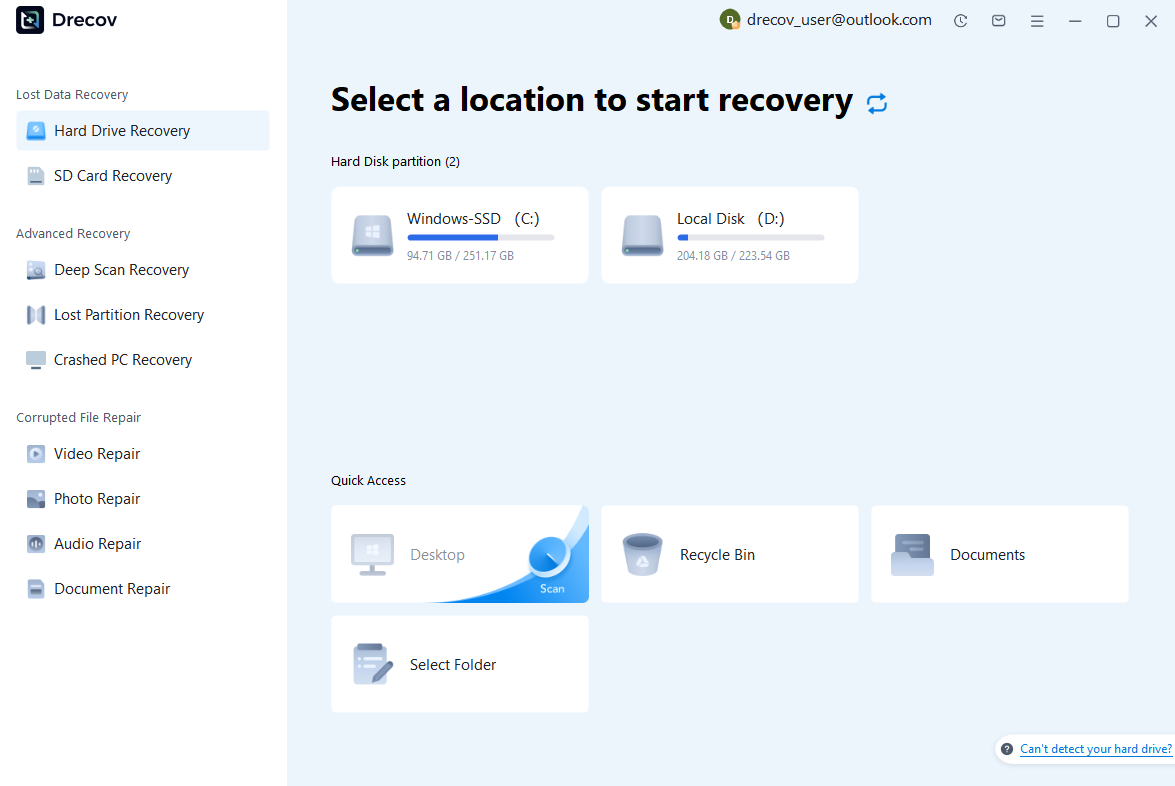
Step 1: Connect the Drive / USB)
Connect your device (SD card, HDD/SSD, or USB drive) to your computer and launch PandaOffice Drecov. Select the target device and start the scan. The software will perform a quick scan and deep scan to detect lost or deleted data.
Step 2: Locate and Preview Lost Files
After scanning, browse the detected files and use the preview feature to check recoverable data. You can preview documents (Word, Excel, PDF), photos, and videos to ensure file integrity before recovery.

Step 3: Recover and Save to a New Location
Select the files you want to restore and click recover. Save all recovered data to a different drive or location (not the original device) to avoid overwriting lost data.

Some questions you may be interested in:
how to format a hard drive windows 11
how to recover deleted drafts in outlook
what is healthy recovery partition
how to make steam not open on startup
Test environment:
- Operating system: Windows 10/11
- Storage devices tested: SD card, HDD, SSD, USB drive
- File types: JPG, PNG, and camera image files
- Recovery destination: Separate storage device
⚠️Warning: Stop saving new files to the affected storage device after losing pictures. New data may overwrite the original image information.
After recovery, users can apply enhancement techniques to improve brightness, sharpness, and overall appearance.
Restore Pictures from Damaged Storage Devices
Storage problems can affect image quality and accessibility. Photos stored on damaged memory cards or external drives may become partially corrupted, preventing users from opening or editing them.
Before attempting enhancement, restoring a healthy copy of the image is important. Editing a damaged file may cause additional problems or produce poor results.
Common signs of storage-related image problems include missing thumbnails, error messages when opening pictures, incomplete files, and images showing unusual colors or broken areas.
Test environment:
- Storage source: Camera SD card
- Computer: Windows 11
- Image condition: Damaged photo files
- Recovery process: File restoration before editing
Using recovery methods first allows users to work with the best possible version of the image. Once the original picture is restored, enhancement tools can improve its visual appearance more effectively.
Tips to Maintain High-Quality Images in the Future
Capture Photos With Proper Camera Settings
Preventing image quality problems starts during the photo capture process. Using suitable camera settings can reduce the need for heavy editing later.
Good lighting conditions, proper focus, and appropriate resolution settings help create clearer images. When taking important photos, avoid using excessive digital zoom because it often reduces detail.
For professional photography, shooting in higher-quality formats provides more editing flexibility. RAW images contain more information than compressed formats, allowing greater adjustments during post-processing.
Test environment:
- Camera devices: Digital camera and smartphone
- Photo types: Personal and professional images
- Storage format: High-quality image formats
Capturing high-quality originals makes future enhancement easier and produces better final results.
Save Images in Suitable Formats
Choosing the correct image format helps preserve quality. Different formats are designed for different purposes.
Lossless formats are suitable for editing and archiving because they preserve more image information. Compressed formats may save storage space but can reduce quality after repeated editing.
Keeping an original high-quality copy allows users to create smaller versions later without losing important details.
Test environment:
- File formats tested: JPG, PNG, and RAW images
- Storage system: Computer and external drive
Using appropriate formats helps maintain image quality throughout the entire workflow.
Create Backup Copies of Important Pictures
Regular backups protect images from accidental deletion, device failure, and corruption.
Users should store important photos in multiple locations, such as external drives and cloud storage. This ensures that a single device failure does not permanently remove valuable memories.
Test environment:
- Backup sources: External HDD and cloud storage
- Image types: Personal photos and professional images
A reliable backup strategy reduces the need for recovery and protects original image quality.
Frequently Asked Questions About Enhancing Picture Quality
Can AI Improve Low-Resolution Pictures
Yes, AI technology can improve many low-resolution pictures by analyzing existing image information and generating enhanced details. An ai picture quality enhancer uses trained algorithms to identify patterns, edges, textures, and objects inside an image.
Traditional image enlargement methods simply stretch existing pixels, which often creates blurry results. AI-based enhancement works differently by predicting additional details based on the information already available in the photo.
For example, AI tools can improve facial clarity, reduce digital noise, and make small images appear sharper. They are especially useful for old family photos, screenshots, and pictures taken with older devices.
However, AI enhancement has limitations. It cannot recover details that were completely missing from the original image. If a photo is extremely damaged or heavily blurred, the improvement may be limited.
Test environment:
- Original image: Low-resolution JPG photo
- Enhancement method: AI-based image processing
- Computer system: Windows 11
- Evaluation: Sharpness, noise reduction, and detail improvement
For the best results, users should start with the highest-quality original image available and avoid repeatedly compressing files before enhancement.
Does Photoshop Increase Image Quality
Photoshop can improve the appearance of an image, but it does not magically restore information that was never captured. Instead, it provides professional tools that allow users to adjust different aspects of image quality.
Using techniques related to enhance picture quality photoshop, users can improve brightness, contrast, sharpness, colors, and noise levels. Advanced features can also help enlarge images while maintaining better visual quality.
Photoshop is especially useful when users need precise control. For example, photographers can enhance specific areas of an image instead of applying changes to the entire picture.
However, Photoshop requires more manual adjustment compared with automatic AI tools. Users need some editing experience to achieve natural-looking results.
Test environment:
- Operating system: Windows 11
- Editing tool: Photoshop environment
- Image source: Digital photograph
- Editing tasks: Color correction and sharpening
Photoshop remains a powerful choice for professionals, while beginners may prefer simpler enhancement tools.
How to Enhance Picture Quality Without Losing Details
To enhance picture quality without losing details, users should always begin with the original image file whenever possible. Editing a compressed copy can reduce available information and limit improvement results.
One important step is avoiding excessive sharpening. Although sharpening can make images appear clearer, too much adjustment can create unnatural edges and visible noise.
Users should also avoid repeatedly saving JPG files because each compression cycle may remove additional image information. Keeping an original backup allows users to experiment with editing while protecting the source file.
Using appropriate tools is also important. AI enhancement, professional editing software, and basic image adjustments each have different advantages depending on the image condition.
Test environment:
- Image types tested: JPG and PNG photos
- Editing system: Windows 11
- Goal: Quality improvement without visible artifacts
A careful workflow usually produces better results than applying strong automatic corrections. The goal is not only to make images sharper but also to maintain a natural appearance.
Conclusion: Choosing the Right Way to Enhance Picture Quality
Learning how to enhance picture quality allows users to improve blurry, low-resolution, or poorly adjusted images for different purposes. Whether preparing photos for printing, sharing online, or restoring old memories, choosing the correct enhancement method can make a significant difference.
For quick improvements, online tools and mobile applications provide convenient solutions. They can automatically adjust brightness, colors, and sharpness without requiring advanced editing knowledge.
For users who want more control, professional techniques such as enhance picture quality photoshop methods offer detailed adjustments. Photoshop allows users to manually refine images, correct colors, reduce noise, and improve overall appearance.
AI technology has also changed the way people improve images. An ai picture quality enhancer can analyze photos automatically and create better-looking results with less effort. These tools are especially helpful for improving older or lower-quality images.
However, image enhancement is not always the first step. If the original high-quality photo has been deleted, damaged, or lost from a storage device, recovering the original file should come before editing. Working with the original image provides better results than trying to improve a compressed copy.
Maintaining good photography habits, saving images in suitable formats, and creating regular backups can help prevent quality problems in the future.
By combining proper image management with effective enhancement techniques, users can preserve important pictures and achieve clearer, more professional-looking results.






