







Steam games can take up a large amount of storage space, especially modern AAA titles with high-resolution textures and large game worlds. Many players install their Steam library on traditional hard drives (HDDs) because they offer more storage capacity at a lower cost. However, HDDs are slower than solid-state drives (SSDs), which can lead to longer loading times and slower game performance.
Moving Steam games to an SSD is an effective way to improve game loading speed without downloading the entire game again. Instead of removing and reinstalling games, players can transfer existing game files from an HDD to an SSD while keeping their installed data.
Many users search for how to move steam games to ssd because they want to upgrade their storage setup or improve gaming performance. Moving games to an SSD can reduce loading times, improve file access speed, and provide a smoother gaming experience.
Steam provides built-in tools that allow users to move installed games between different storage locations. Users can also manually transfer game files when necessary. However, choosing the correct method is important to avoid missing files or forcing Steam to download the game again.
This guide explains different ways to transfer Steam games from an HDD to an SSD, including Steam’s built-in migration options, manual file transfer methods, and solutions for recovering missing game files during the process.
Why Move Steam Games From HDD to SSD?
Benefits of Installing Steam Games on an SSD
SSDs provide significantly faster read and write speeds compared with traditional HDDs. When Steam games are installed on an SSD, the computer can access game files more quickly, which may improve loading performance.
The main benefits of moving Steam games to an SSD include:
- Faster game startup times.
- Reduced loading screens.
- Quicker installation and update processes.
- Improved file access performance.
- Smoother gameplay in large open-world games.
Modern games often contain thousands of files that need to be loaded during startup and gameplay. HDDs use mechanical components to locate and read data, which can create delays when accessing many small files.
SSDs store data electronically, allowing the system to access files much faster. This difference is especially noticeable in games with large maps, frequent loading screens, or complex environments.
Players who upgrade from HDD storage to SSDs often choose to move their most frequently played games first. Keeping less-used games on an HDD while placing performance-sensitive games on an SSD can provide a good balance between speed and storage capacity.
Understanding the advantages of SSD storage helps players decide whether transferring Steam games is worthwhile. Instead of reinstalling games from the beginning, moving existing files provides a faster way to take advantage of SSD performance.
When Moving Steam Games to Another Drive Is Necessary
There are several situations where players may need to transfer Steam games to another storage device. The most common reason is upgrading from an HDD to an SSD for better performance.
Many computers originally come with a large HDD because it provides affordable storage. After adding an SSD, users often want to move their games to the faster drive while keeping the original installation.
Another common situation occurs when the original drive is running out of space. Large Steam libraries can quickly fill available storage, especially when multiple games are installed. Moving games to another SSD helps free up space without deleting them.
Players may also move Steam games when:
- Replacing an old storage device.
- Installing a larger SSD.
- Organizing games across multiple drives.
- Moving games to a faster storage location.
Users searching how to move a steam game from hdd to ssd usually want to avoid downloading hundreds of gigabytes again. Fortunately, Steam allows users to transfer installed games while preserving existing files.
Before moving games, users should confirm that the SSD has enough available space. They should also avoid interrupting the transfer process because incomplete file movement may cause Steam to verify or download files again.
How to Move Steam Games to SSD Using Steam Features
Creating a New Steam Library Folder on SSD
Steam allows users to create multiple library folders on different storage drives. Before moving games, the SSD needs to be added as a Steam library location.
Test Environment:
- Operating System: Windows 11 Pro
- Steam Client: Latest version
- Storage Devices: HDD and SSD
Creating a Steam library folder on the SSD prepares the drive for receiving transferred games.
Follow these steps:
- Connect the SSD to your computer.
- Open the Steam client.
- Click the Steam menu.
- Select Settings.
- Open the Storage section.
- Add the SSD as a new library location.
Steam will recognize the SSD as an available installation location. After creating the new library folder, users can move existing games from the original HDD location.
Before transferring games, check the SSD capacity. Some games require more storage space than their displayed download size because additional temporary files may be created during updates.
Users should also make sure the SSD uses a compatible file system, such as NTFS on Windows computers.
Adding the SSD to Steam is an important preparation step because it allows Steam to manage game files correctly. Without a recognized library folder, manually moving files may cause Steam to fail when locating installed games.
Once the SSD is available in Steam storage settings, users can continue with the built-in game migration process.
Moving Installed Steam Games Through Storage Manager
Steam includes a built-in storage management feature that allows users to transfer installed games between library locations.
Test Environment:
- Operating System: Windows 11
- Steam Version: Updated client
- Source Drive: HDD
- Destination Drive: SSD
This method is one of the easiest solutions for users who want to know how to move steam games to ssd without reinstalling.
To move a Steam game:
- Open Steam.
- Go to the Library section.
- Open Steam Settings.
- Select Storage.
- Choose the game you want to transfer.
- Select Move.
- Choose the SSD library folder.
- Confirm the transfer.
Steam will automatically move the required game files from the HDD to the SSD.
The transfer time depends on several factors, including:
- Game size.
- HDD read speed.
- SSD write speed.
- Connection type.
- Number of files being moved.
During the process, avoid closing Steam or shutting down the computer. Interrupting the transfer may result in incomplete files.
After the transfer finishes, Steam automatically updates the installation location. The game should appear as installed and ready to launch from the SSD.
This built-in method is recommended because Steam manages file locations automatically and reduces the chance of configuration problems.
Verifying Game Files After Moving to SSD
After transferring Steam games to a new SSD, verifying the files can help ensure that the migration completed successfully.
Test Environment:
- Operating System: Windows 11 Pro
- Steam Library: Moved to SSD
- Game Status: Transferred successfully
Steam provides a verification feature that checks whether game files are complete and correct.
To verify game files:
- Open Steam Library.
- Right-click the transferred game.
- Select Properties.
- Open Installed Files.
- Choose Verify integrity of game files.
Steam compares the installed files with the expected game data. If any files are missing or damaged, Steam downloads replacements automatically.
Verification is useful after moving games because large transfers may sometimes encounter problems caused by:
- Storage errors.
- Interrupted transfers.
- Connection issues.
- File permission problems.
Users should complete verification before launching large games on the SSD.
If Steam detects missing files after migration, it does not always mean the transfer failed. Some files may simply need to be repaired or downloaded again.
How to Move a Steam Game From HDD to SSD Manually
Copying Steam Game Files to a New SSD Location
Although Steam provides built-in tools for transferring games, some users prefer manually moving game folders between drives. This method can be useful when managing large game libraries or transferring files between different computers.
Test Environment:
- Operating System: Windows 11 Pro
- Steam Client: Latest version
- Source Storage: Internal HDD
- Destination Storage: Internal SSD
To manually move a Steam game from HDD to SSD:
- Close Steam completely.
- Open the original Steam library folder on the HDD.
- Locate the steamapps folder.
- Find the common folder that contains installed games.
- Copy the selected game folder to the Steam library folder on the SSD.
- Open Steam again.
- Select the game and begin installation.
- Choose the new SSD library location.
Steam will detect the existing files and verify the game data instead of downloading everything again.
When users search how to move a game from hdd to ssd steam, manual transfer is often considered when they need more control over file placement.
However, manually moving game files requires careful handling. Steam games contain multiple folders, configuration files, and metadata that must remain organized correctly.
Before deleting the original game folder from the HDD, confirm that the game launches correctly from the SSD. Keeping the old files temporarily provides a backup option if something goes wrong.
⚠️Warning: Do not remove the original Steam game folder immediately after moving it. Verify that Steam recognizes and launches the game correctly first.
Updating Steam Game Installation Paths
After manually transferring Steam files, Steam may not immediately recognize the new location. Updating the installation path allows the client to locate the moved game correctly.
Test Environment:
- Operating System: Windows 11
- Steam Library: Custom SSD folder
- Game Files: Manually transferred
To update Steam’s game location:
- Open Steam.
- Select the Library tab.
- Click Install on the moved game.
- Choose the SSD library folder.
- Allow Steam to detect existing files.
Steam will scan the selected folder and compare available files with its expected installation data.
If Steam identifies existing files, it will usually verify them instead of downloading the entire game again.
This approach is helpful when users want to know how to move a steam game to ssd without repeating a full installation process.
Common issues after manual transfer include:
- Steam shows the game as not installed.
- The client starts downloading again.
- Some files cannot be detected.
These problems usually happen because files were placed in the wrong folder structure.
The correct Steam library structure should normally include:
- SteamLibrary folder
- steamapps folder
- common folder
- Game installation folder
Keeping this structure unchanged helps Steam recognize transferred games correctly.
How to Move Steam Games to SSD With Backup and Recovery Methods
Restoring Missing Steam Game Files With PandaOffice Drecov
During the process of moving Steam games between drives, some users may experience missing files due to accidental deletion, interrupted transfers, storage errors, or drive problems.
Test Environment:
- Operating System: Windows 11 Pro
- Storage Device: HDD
- Data Loss Situation: Missing Steam game files after transfer
When important Steam-related files disappear, PandaOffice Drecov can scan supported Windows storage devices and search for recoverable files.
The software can analyze internal hard drives, SSDs, USB storage devices, and other supported locations to identify deleted or missing data.
To recover missing Steam files
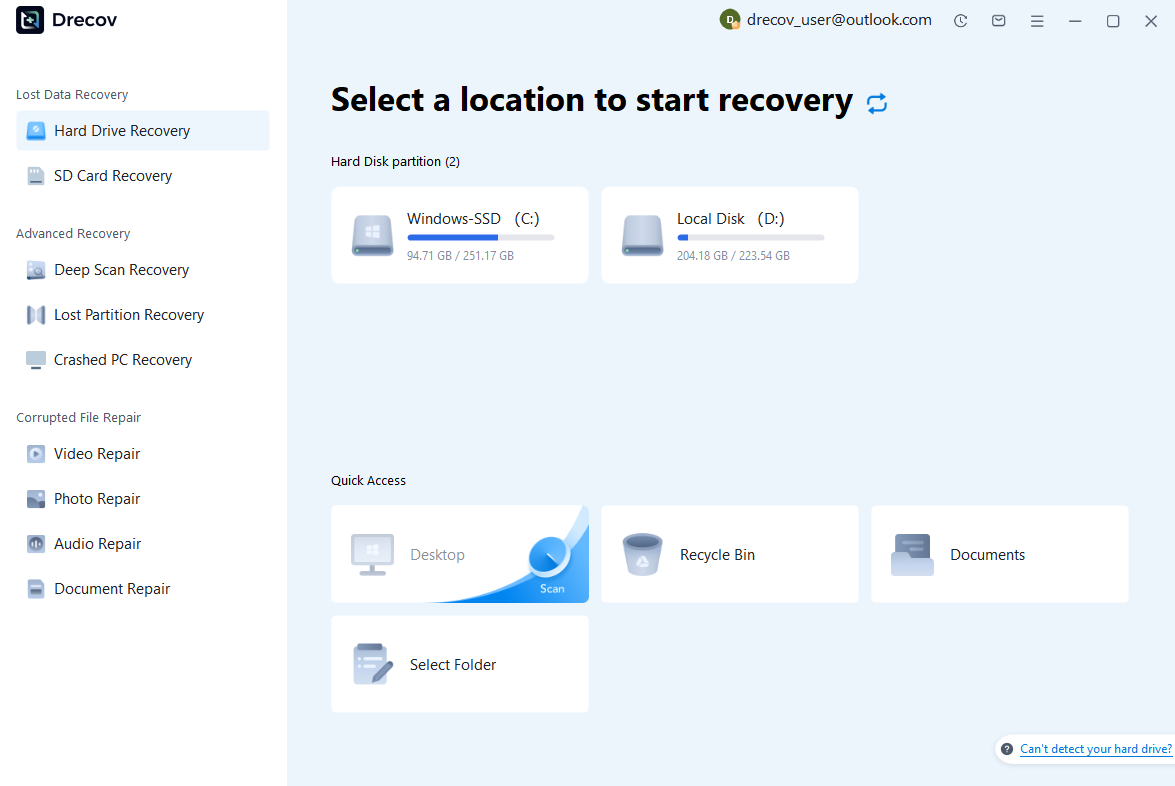
Step 1: Connect the Drive / USB)
Connect your device (SD card, HDD/SSD, or USB drive) to your computer and launch PandaOffice Drecov. Select the target device and start the scan. The software will perform a quick scan and deep scan to detect lost or deleted data.
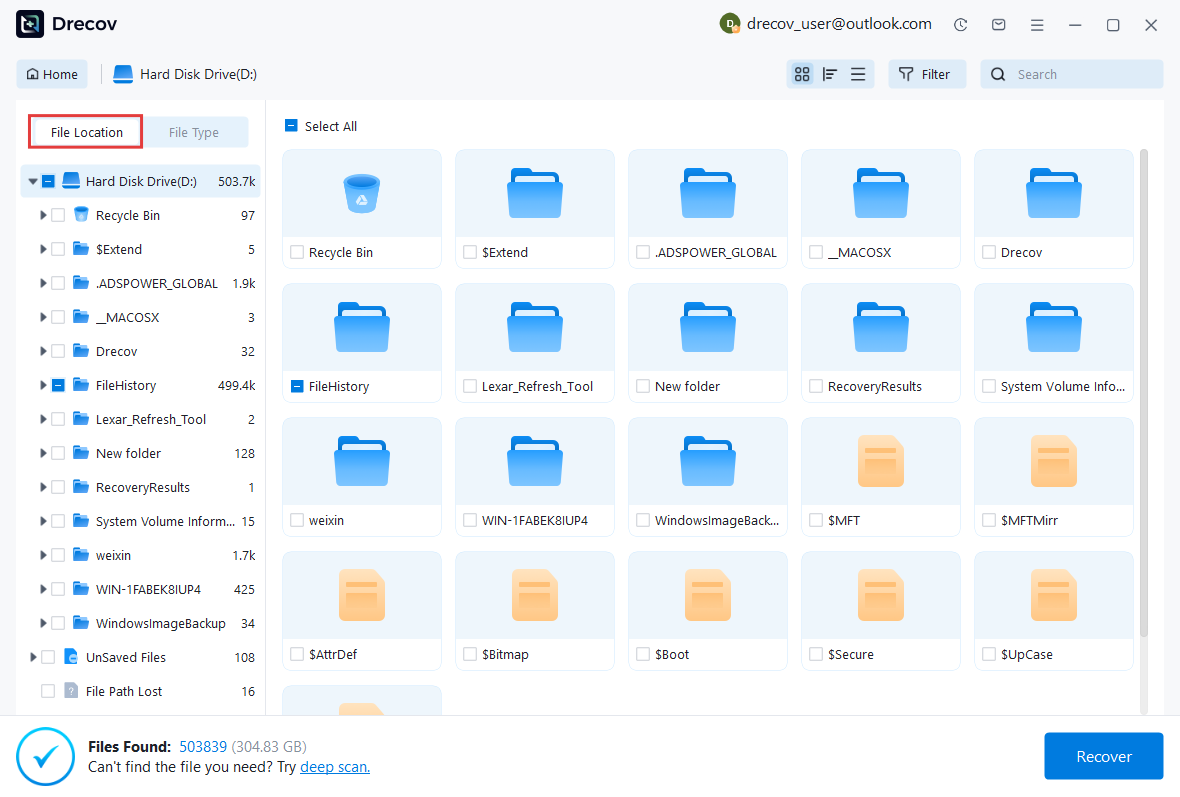
Step 2: Locate and Preview Lost Files
After scanning, browse the detected files and use the preview feature to check recoverable data. You can preview documents (Word, Excel, PDF), photos, and videos to ensure file integrity before recovery.
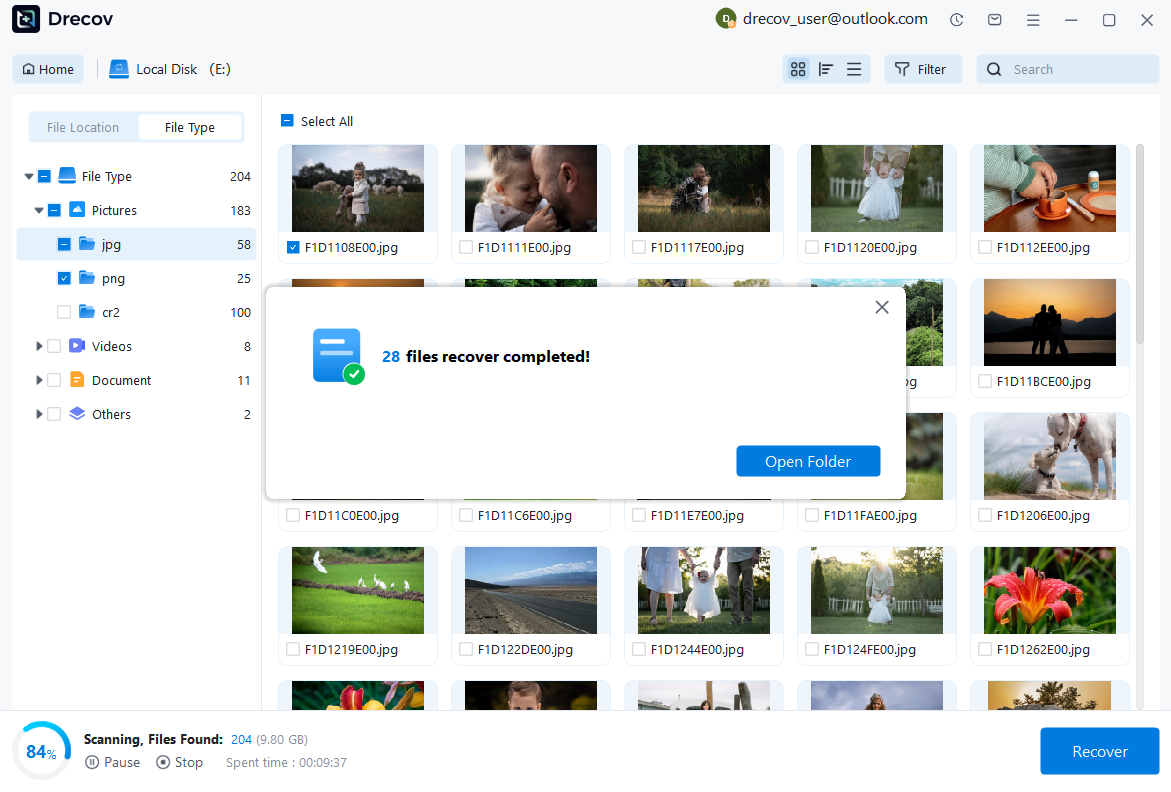
Step 3: Recover and Save to a New Location
Select the files you want to restore and click recover. Save all recovered data to a different drive or location (not the original device) to avoid overwriting lost data.
Some questions you may be interested in:
how to format a hard drive windows 11
how to recover deleted drafts in outlook
what is healthy recovery partition
how to make steam not open on startup
Recovering files to another drive helps prevent new data from overwriting potentially recoverable information.
This method can help when users lose Steam game folders during migration or accidentally delete important files while organizing storage.
Recovery success depends on several conditions, including how long ago files disappeared and whether the original storage space has been reused.
For large game libraries, keeping regular backups before moving files between drives can reduce the risk of unexpected data loss.
Preparing SSD Before Moving Steam Games
Checking SSD Space and Performance
Before transferring Steam games, users should confirm that the SSD has enough available space and is working correctly.
Test Environment:
- Operating System: Windows 11 Pro
- SSD Type: Internal SATA SSD
- Steam Library Size: Multiple games
Large Steam games can require dozens or even hundreds of gigabytes of storage. Before starting the migration process, check the size of the games you want to move.
To check SSD storage:
- Open File Explorer.
- Select the SSD drive.
- Check available storage space.
- Compare it with the size of the Steam games.
Users should leave additional free space on the SSD because Windows and applications need temporary storage for updates and system operations.
A nearly full SSD may experience reduced performance and slower file operations.
It is also recommended to check SSD health before moving large amounts of data. Storage problems during migration may result in incomplete transfers or corrupted game files.
A properly prepared SSD provides a smoother experience when moving Steam games and helps ensure better gaming performance after the transfer.
Formatting and Organizing the New Game Drive
A properly organized SSD makes Steam library management easier and reduces future storage problems.
Test Environment:
- Operating System: Windows 11
- SSD Status: Newly installed drive
- File System: NTFS
If the SSD is new, it may need to be initialized and formatted before use.
For Windows gaming systems, NTFS is commonly used because it supports large files and works well with Steam libraries.
Before formatting:
- Confirm that the SSD does not contain important files.
- Back up necessary data.
- Choose the correct drive.
- Complete the formatting process.
⚠️Warning: Formatting permanently removes existing files from the selected drive. Always confirm the correct storage device before formatting.
After preparing the SSD, create a dedicated Steam library folder to keep game files organized.
A well-organized storage setup makes future game transfers easier and helps prevent confusion when managing multiple drives.
Common Problems When Moving Steam Games to SSD
Steam Cannot Detect Moved Games
After transferring games, some users find that Steam does not recognize the moved files.
Common causes include:
- Incorrect folder structure.
- Missing steamapps files.
- Wrong library location.
- Interrupted transfer.
To fix this issue:
- Confirm the Steam library folder is added correctly.
- Check whether the game folder is inside the common directory.
- Restart Steam.
- Verify game files.
Steam may need to scan the library again before detecting transferred games.
Game Files Are Missing After Transfer
Missing files after migration can happen because of incomplete copying, storage errors, or accidental deletion.
Possible solutions include:
- Running Steam file verification.
- Repeating the transfer process.
- Checking storage health.
- Recovering missing files.
Users should avoid deleting original HDD files until the SSD version works correctly.
Keeping a temporary backup during migration provides additional protection.
Frequently Asked Questions About Moving Steam Games to SSD
Can I Move Steam Games Without Downloading Again?
Yes. Steam allows users to move installed games between storage drives without downloading the entire game again.
Using Steam’s storage management feature is usually the easiest method. Manual transfer is also possible when users need more control over file locations.
How Long Does Moving Steam Games to SSD Take?
The transfer time depends on:
- Game size.
- HDD speed.
- SSD speed.
- Connection type.
Small games may move within minutes, while larger games can take much longer.
Using an SSD with a fast connection can significantly reduce transfer time.
Does Moving Steam Games Affect Save Files?
Moving installed game files usually does not remove saved progress.
Most save files are stored separately from the main game installation folder. They may exist in locations such as:
- Documents.
- AppData.
- Steam Cloud storage.
However, creating a backup before moving games is recommended to protect important progress.
Final Thoughts on Moving Steam Games to SSD
Moving Steam games from an HDD to an SSD is an effective way to improve loading performance without reinstalling large game files.
For users searching how to move steam games to ssd, Steam’s built-in storage manager provides the simplest solution. Manual transfer methods offer more flexibility for advanced users who want greater control over file locations.
When transferring games, always prepare the SSD first, check available storage space, and verify files after migration. These steps help prevent problems such as missing files or Steam failing to detect installed games.
If important files disappear during the transfer process, PandaOffice Drecov can help scan supported Windows storage devices and recover available data.
By moving frequently played games to an SSD and maintaining proper backups, players can enjoy faster loading speeds while keeping their Steam library organized and secure.





