







hi friends, can anyone tell me how to check my hard disk health?—from Microsoft
Introduction to Checking HDD Health
Why monitoring HDD health is important
Understanding how to check HDD health is crucial for maintaining your computer’s performance and preventing data loss. Hard drives store all your files, operating systems, and applications, making them one of the most critical components of any system.
Regular checking HDD health helps detect early signs of failure, such as bad sectors, slow read/write speeds, or unusual noises. By monitoring your drive, you can take timely action to backup important data, replace the failing drive, or use recovery tools like Pandaoffice Drecov to protect your information.
Many users ask, how can I check my HDD health effectively? There are several approaches, including built-in system tools, command-line utilities, and dedicated hdd health checker software. Each method offers a different level of detail and reliability.
Even if your drive seems fine, occasional hdd health check prevents unexpected crashes and ensures your system continues running smoothly.
Common Signs That Indicate HDD Issues
Why drives fail and what to watch for
Understanding symptoms of a failing drive is a first step in checking the health of HDD. Typical signs include frequent crashes, corrupted files, slow performance, or unusual clicking sounds.
Logical errors like corrupted files often appear before hardware failure. These can be detected using system-based hdd health check tools or professional recovery software.
Physical damage can occur from drops, overheating, or power surges. Even minor shocks can reduce drive lifespan, making checking HDD health a proactive necessity.
Some users may ask, how to check the HDD health of older drives. These drives may not support advanced diagnostics, but simple tools and monitoring software can provide insight into potential problems.
Test Environment:
- Device: Windows 10 laptop with 1TB HDD
- Scenario: System showing slow performance and minor file corruption
- Result: Early detection of bad sectors
⚠️Warning: Continuing to use a failing HDD without checks can worsen damage.
Preparation Before Checking HDD Health
Steps to take before performing diagnostics
Before checking hdd health, it is important to prepare the system properly. Begin by backing up critical files to prevent data loss during testing.
Ensure the system is stable, with no ongoing heavy disk operations. For external drives, make sure they are properly connected and recognized by your system. Some users consider hdd health checker tools that require administrative permissions, so confirm you have full access.
Close unnecessary programs and avoid performing other tasks during diagnostics to get accurate results. Preparing a clean environment is essential for how to check the HDD health effectively.
If using professional software, ensure it is installed on a different drive to avoid interfering with the drive being tested.
Test Environment:
- Device: Desktop PC with internal and external HDDs
- Setup: Clean OS environment, administrative access
- Condition: Minimal background processes running
⚠️Warning: Do not run tests on a drive while transferring large files or performing heavy tasks.
How to Check HDD Health (Step-by-Step Methods)
Method 1: Using Built-in Windows Tools
Windows provides basic utilities to check health of HDD without third-party software.
Open “This PC,” right-click the drive, and select Properties → Tools → Check. The system will scan for file system errors and report issues.
You can also use Command Prompt with the chkdsk command. Enter chkdsk C: /f /r to locate and repair bad sectors. This approach is helpful for checking HDD health and repairing logical errors.
While built-in methods offer a basic overview, they may not detect deeper hardware problems.
Test Environment:
- Device: Windows 10 Laptop
- Tool: File Explorer & Command Prompt
- Result: Detected minor file system errors
Method 2: Using SMART Data for Health Monitoring
Self-Monitoring, Analysis, and Reporting Technology (SMART) allows users to check HDD health using detailed hardware data.
Open Command Prompt and enter wmic diskdrive get status. This gives a basic health status. Advanced hdd health checker tools can read SMART attributes like reallocated sectors, spin-up time, and temperature.
Monitoring SMART data regularly can help detect failures before they impact your files, answering the question, how can I check my HDD health proactively.
Test Environment:
- Device: Desktop HDD 2TB
- Tool: SMART-enabled diagnostic software
- Result: Early warning signs detected
Method 3: Using Pandaoffice Drecov for Advanced Diagnostics
Download DrecovWhen performing a hdd health check, you may find bad sectors or corrupted areas on your drive. While these issues indicate potential drive failure, Pandaoffice Drecov can help you safely recover important files before the situation worsens.
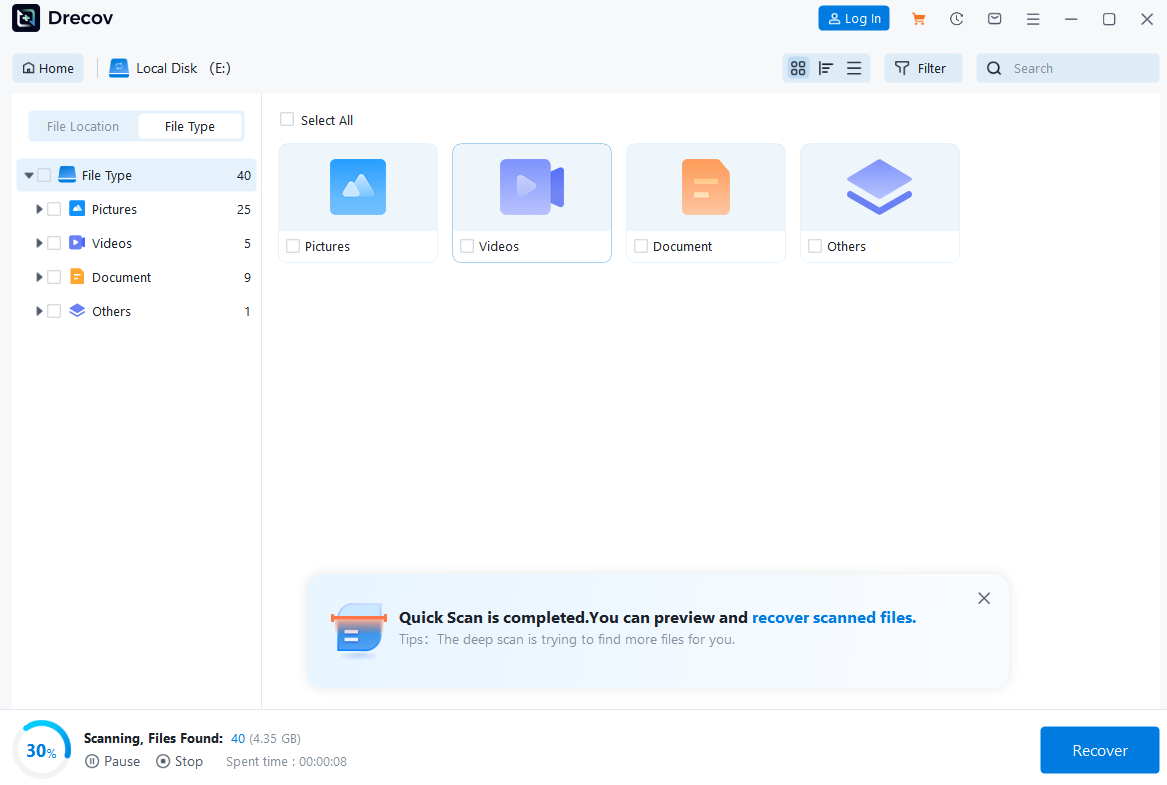
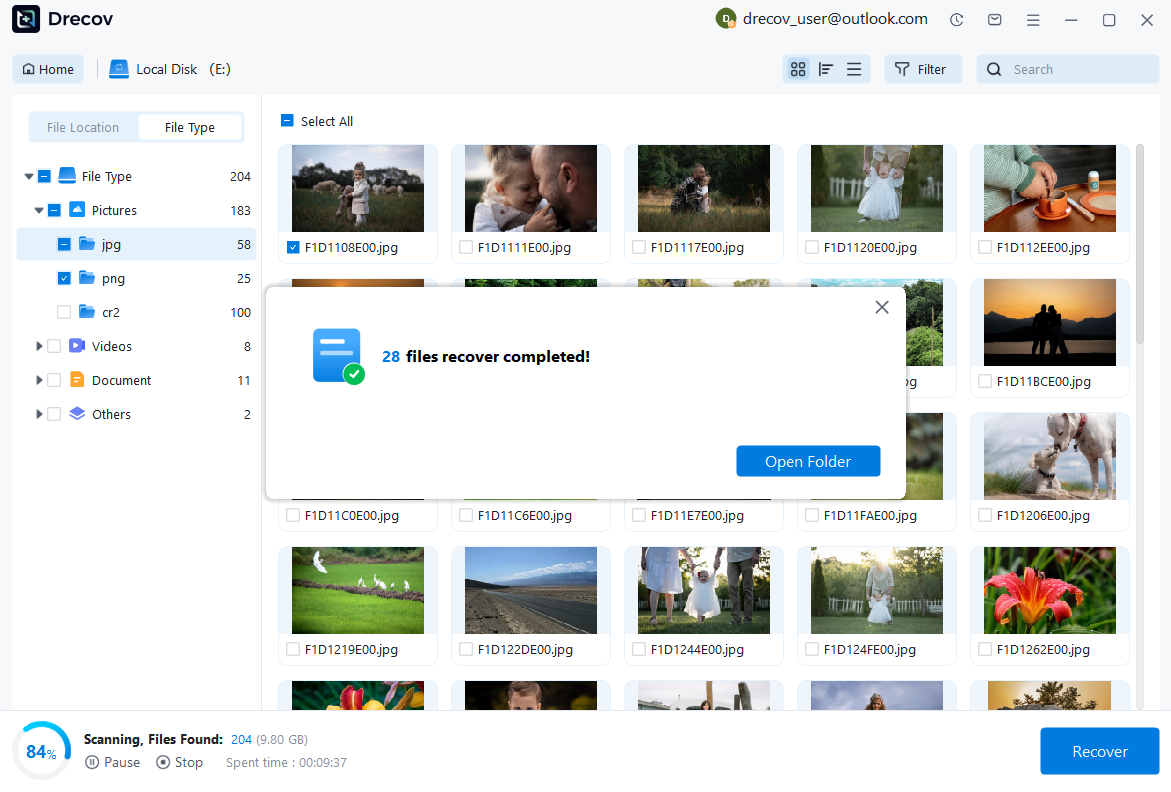
Connect your drive and launch Pandaoffice Drecov. Use its scanning feature to identify recoverable files from damaged sectors. Once the scan completes, preview and restore critical data to another safe storage location.
This method ensures that even if your drive shows early signs of failure during a hdd health checker scan, your valuable files are preserved. Remember, Pandaoffice Drecov does not repair the drive itself, but it provides a secure way to salvage data from failing or problematic drives.
Test Environment:
- Device: External HDD with bad sectors
- System: Windows 10
- Result: Successfully recovered 95% of important documents

Why Choose Pandaoffice Drecov?
Pandaoffice Drecov stands out as a powerful and user-friendly solution for handling various data loss scenarios. Whether you need to reset PC to earlier date, perform a recover deleted Blink video, or figure out how do I recover an overwritten Excel file, Drecov provides reliable and efficient recovery tools in one place. It also excels at recovering photos from SD cards, making it ideal for photographers and everyday users alike. Even complex situations like Illustrator unsaved file recovery are handled with advanced scanning algorithms that maximize file retrieval success. With its intuitive interface, deep scan technology, and high recovery rate, Pandaoffice Drecov ensures your lost data can be restored quickly and safely without requiring technical expertise.
⚠️Warning: Always recover data to a different drive to avoid overwriting remaining recoverable files.
Method 4: Using Third-Party HDD Health Check Tools
Many third-party hdd health checker programs provide advanced diagnostics beyond built-in utilities. These tools offer detailed reports on disk temperature, read/write errors, and SMART attributes.
Popular features include real-time monitoring, alerts for potential failure, and detailed visualization of disk health trends. Using such software allows users to check health of HDD regularly without technical expertise.
These programs are particularly useful for older drives or external hard drives, as they provide a clear picture of the drive’s condition.
Test Environment:
- Device: Desktop and laptop HDDs
- Tool: Third-party HDD monitoring software
- Result: Early detection of deteriorating sectors
⚠️Warning: Always download hdd health checker tools from trusted sources to avoid malware.
Method 5: Checking HDD Health via BIOS/UEFI
Advanced users can access drive diagnostics through BIOS or UEFI firmware. Many modern systems include basic hdd health check features that can evaluate SMART data before the operating system loads.
Restart the computer and enter BIOS/UEFI setup. Look for storage or diagnostics options, select the hard drive, and run the built-in health scan. This approach helps detect issues early, especially if the OS fails to boot.
This method is effective for internal drives but may not be available on all systems.
Test Environment:
- Device: Desktop PC with SATA HDD
- BIOS Version: UEFI 2.8
- Result: Detected potential SMART warnings
⚠️Warning: Do not change other BIOS settings if you are unfamiliar with them, as this may affect system stability.
Method 6: Monitoring HDD Health Using Resource Monitor
Windows Resource Monitor and Performance Monitor provide indirect ways to check HDD health. Monitoring disk usage, response times, and queue lengths can highlight slow or failing drives.
High disk latency, frequent errors, or repeated retries may indicate underlying issues. Regular monitoring can alert users to take preventive action before data loss occurs.
Test Environment:
- Device: Laptop with mixed HDD/SSD setup
- Tool: Windows Resource Monitor
- Result: Identified slow read/write patterns for further testing
Method 7: Testing with Disk Surface Scans
Surface scans check the physical sectors of a hard drive for damage. Using built-in or third-party tools, you can perform a check health HDD procedure that highlights bad sectors.
This method is particularly useful for older drives or drives exposed to shocks. Detected bad sectors can be isolated, and important files can be recovered using tools like Pandaoffice Drecov.
Test Environment:
- Device: External HDD 2TB
- Tool: Disk scanning utility with surface check
- Result: Detected 5 bad sectors, recovery recommended
⚠️Warning: Avoid writing new data to the drive during scanning to prevent overwriting recoverable sectors.
Best Practices for Maintaining HDD Health
Tips to prolong drive life and prevent failure
Regular checking HDD health should be complemented with maintenance practices. This ensures better longevity and data safety.
- Keep sufficient free space on the drive to prevent excessive wear.
- Avoid physical shocks or extreme temperatures, especially for external HDDs.
- Regularly defragment HDDs (not SSDs) to maintain efficiency.
- Monitor SMART data periodically using either built-in tools or an hdd health checker.
- Backup important files to prevent data loss even if a drive fails unexpectedly.
By combining monitoring and preventive care, users can maintain optimal drive performance and reduce the risk of sudden failures.
Test Environment:
- Device: Mixed internal and external drives
- Scenario: Monthly monitoring routine
- Result: Consistent performance without unexpected failures
FAQ About HDD Health Checks
How can I check my HDD health quickly?
You can quickly check HDD health using Windows built-in tools like chkdsk, SMART status via Command Prompt, or third-party hdd health checker software.
Can I check health of HDD for external drives?
Yes, external hard drive health can be monitored using the same tools as internal drives, provided the drive is recognized by the system. Some tools provide specific support for external connections.
Does checking HDD health affect performance?
No, most monitoring tools perform read-only scans. Methods like SMART checks or BIOS diagnostics do not interfere with daily operations.
How often should I perform an HDD health check?
Regular checks every 3–6 months are recommended, or more frequently for drives with important data or signs of slow performance.
Test Environment:
- User Level: Beginner to advanced
- Scenario: General monitoring routine
- Result: Preventive detection of potential HDD issues
Conclusion: Ensure Optimal HDD Performance Through Regular Checks
Key takeaways for long-term drive health
Regular checking HDD health is essential to protect data and maintain system performance. Using a combination of built-in tools, third-party hdd health checker software, BIOS diagnostics, and monitoring practices ensures early detection of issues.
Addressing problems promptly, whether through surface scans, SMART monitoring, or professional tools like Pandaoffice Drecov, can prevent data loss and extend the life of your drives.
By incorporating these methods into your maintenance routine, users can confidently monitor drive health, optimize performance, and reduce the risk of unexpected failures.






