







Losing precious memories can be incredibly stressful, but fortunately, learning how to restore photos from icloud is a straightforward process. Whether you accidentally deleted an irreplaceable family portrait or lost images during a sudden iOS update, Apple’s ecosystem provides built-in safety nets. However, traditional recovery methods sometimes fall short, especially if you permanently emptied your “Recently Deleted” folder or lack a recent backup. In these critical scenarios, specialized third-party tools become essential. PandaOffice Drecov data recovery software stands out as a premier professional solution designed to retrieve lost iOS data, ensuring that your memories remain intact even when standard options fail.
Understanding the Basics of How to Restore Photos from iCloud
Before diving into recovery solutions, it is vital to understand how Apple manages your digital media. When you activate iCloud Photos, your device syncs every picture and video to the cloud in real-time. Consequently, deleting a photo on your iPhone also deletes it from iCloud.
Common challenges include:
- The 30-Day Window: The “Recently Deleted” folder only holds files for 30 days before permanent erasure.
- Storage Limitations: Insufficient iCloud storage can halt synchronization, leading to unexpected data gaps.
- Overwritten Backups: Restoring an outdated iCloud backup can completely overwrite current data on your device.
To bypass these restrictions, PandaOffice Drecov data recovery software provides an advanced alternative. This utility specializes in extracting fragmented data directly from your device storage or deeply analyzing backup files. It serves as an ideal solution when you face system crashes, forgotten passcodes, or severe water damage that prevents standard access to your iCloud account.
Solutions to Keyword-Related Issues: From Beginner to Advanced
Method 1: The Basic Recovery via iCloud.com
If you recently deleted your images, you can quickly retrieve them directly from any web browser without resetting your Apple device.
- Open your web browser and navigate to the official login page at Apple iCloud.
- Enter your Apple ID credentials and complete the two-factor authentication (2FA) prompt.
- Click on the Photos app icon from the main dashboard.
- On the left-hand sidebar, click on the Recently Deleted album.
- Select the specific images you wish to retrieve and click the Recover button located in the top-right toolbar.
Note: If you are trying to free up space on other cloud platforms before organizing your iCloud account, check out this guide onhow to delete all photos from Google Photos.
Method 2: Advanced Extraction via PandaOffice Drecov Data Recovery Software
When standard cloud options fail, or if your 30-day grace period has expired, deploying a professional utility is the most effective approach. PandaOffice Drecov data recovery software is an elite-tier data retrieval utility engineered with deep-scan algorithmic capabilities. It bypasses traditional system limitations by directly analyzing unallocated space on your device or safely parsing fragmented backup files without modifying your existing files.
Equipped with a read-only scanning architecture, it guarantees that your existing data remains untouched and safe from being overwritten. The software supports a wide variety of data loss scenarios, including accidental deletion, factory resets, frozen devices, and physical screen damage.
Furthermore, unlike native Apple restores, it features an interactive preview panel that allows you to visually confirm your images before committing to the recovery process. This saves time and disk space by letting you extract only the specific memories you care about.
⚠ Warning: Install it on a drive different from the one where your data was lost to prevent overwriting.
- 1. Choose the specific backup file or data category (Photos) that you want to scan.
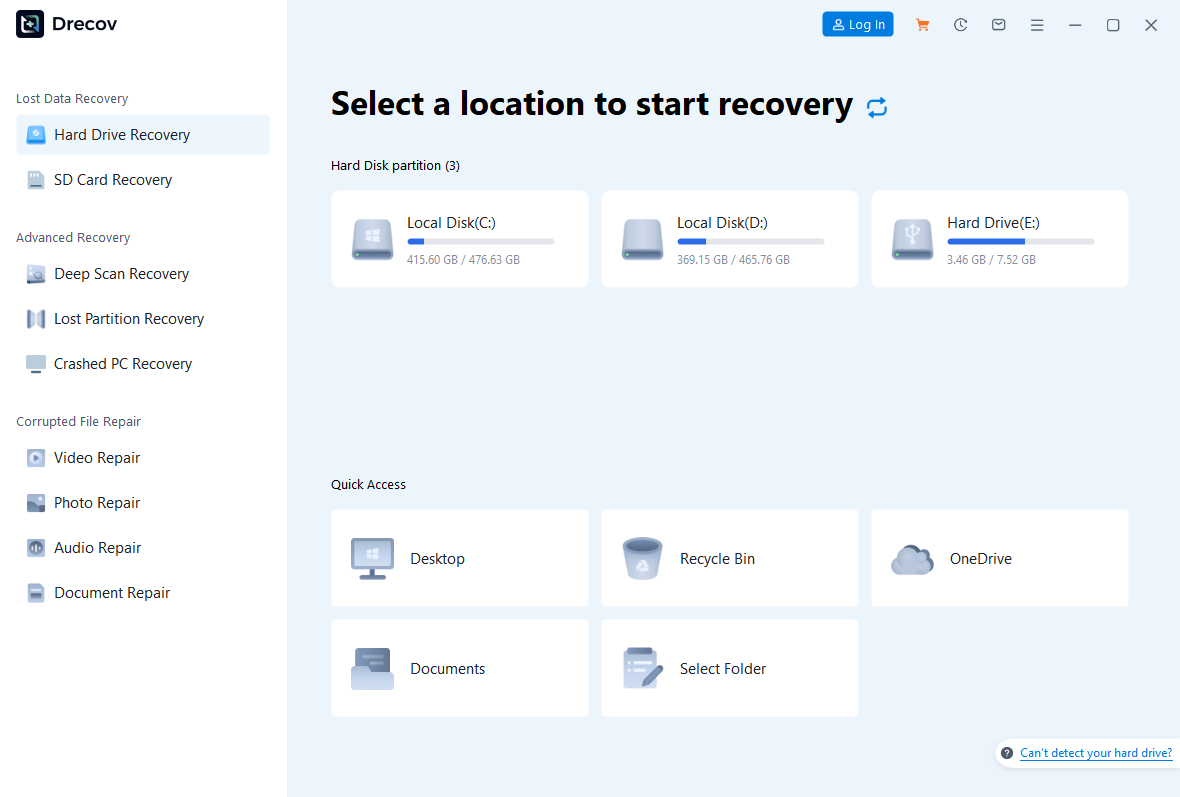
- 2. Preview the scanned, recoverable images within the interactive dashboard.

- 3. Click the Recover button and choose a secure local destination directory to save your files.
For general computer file maintenance, you can also learn how to restore deleted files from recycle bin 5 fast fixes.
Method 3: Complete Device Restores via iCloud Backup
This method requires you to completely wipe your iPhone to restore an older state. Consequently, any new data created after the backup date will be permanently lost unless saved elsewhere.
- Open your iPhone and navigate to
Settings>General>Transfer or Reset iPhone. - Tap
Erase All Content and Settings. Confirm your decision by entering your device passcode. - Wait for the device to restart, then follow the on-screen setup assistant prompts.
- When you reach the Apps & Data screen, tap Restore from iCloud Backup.
- Sign in to your iCloud account and select the most relevant backup timestamp from the chronological list.
- Maintain a stable Wi-Fi connection throughout the entire download process to prevent data corruption.
If you prefer a quicker alternative that avoids a full device wipe, read this guide on how to get recently deleted photos back a 5 minute fix.
Alternative or Complementary Methods
If you are looking for alternative ways to solve the question of how do you restore photos from icloud backup, you can use manual synchronization tools or local physical backups.
| Method | Pros | Cons |
| PandaOffice Drecov | No data overwriting; precise file selection; previews files before recovery. | Requires a computer connection. |
| Official iCloud Restore | Completely free; native Apple ecosystem integration; no third-party software needed. | Requires erasing the entire device; risks overwriting recent files. |
| Finder / iTunes Manual Backup | Highly secure local storage; no internet connection required for download. | Backups must be manually created beforehand; completely binary restore process. |
Tips & Best Practices for Maintaining Data Integrity
To ensure maximum recovery success and secure your media assets long-term, follow these professional data management guidelines:
- Act Immediately: Avoid taking new photos or installing applications after noticing data loss. This prevents the system from overwriting the unallocated storage space where your deleted files still reside.
- Verify Free Local Storage: Ensure your computer or iPhone has at least 20% free storage space before initiating a large recovery process to prevent sudden software crashes.
- Avoid Beta Software: Running developer beta versions of iOS can sometimes cause indexing bugs within iCloud Photos, making standard file restoration unstable.
- Implement a Hybrid Backup Rule: Always maintain one cloud backup (iCloud) and one physical local backup (via Finder or an external drive) to guarantee total data redundancy.
Frequently Asked Questions
How do you restore photos from icloud backup without resetting your iPhone?
You cannot use native Apple settings to pull individual photos from an iCloud backup without performing a full factory reset. However, you can safely extract specific images without resetting your phone by using PandaOffice Drecov data recovery software, which scans and previews backup contents independently.
Why are my photos not appearing on iCloud.com?
Furthermore, if your iCloud storage space is entirely full, your device will completely stop uploading new media files. Check your account allocation status under Settings > [Your Name] > iCloud to verify that synchronization is still active.
Can I retrieve photos deleted from the “Recently Deleted” folder?
Yes. Although Apple permanently removes these items from your immediate view after 30 days, the raw data often remains on your device’s internal storage disk. Using advanced algorithmic tools like PandaOffice Drecov data recovery software allows you to scan deep storage sectors to rebuild and save those files.
Conclusion
Mastering how to restore photos from icloud does not have to be a complicated or risky ordeal. While native Apple solutions provide excellent baseline protection through the Recently Deleted album, they exhibit clear limitations when handling permanent deletions or system malfunctions. Fortunately, PandaOffice Drecov data recovery software bridges this gap, giving users a precise, safe, and powerful utility to recover their most treasured memories without risking their current device data. Take control of your digital assets today by practicing proactive backup habits and keeping reliable data recovery tools close at hand.






