







Losing an Adobe Photoshop file can be a nightmare, especially when it contains complex layers, edits, or client work. Fortunately, there are multiple ways to recover Adobe Photoshop files, whether they were deleted, lost due to a crash, or never saved. This guide explains how to detect Photoshop files, locate unsaved or temporary versions, and restore lost PSD files efficiently.
Photoshop overwriting, accidental deletion, or application crashes are common causes of data loss. While these incidents can feel catastrophic, many files remain recoverable through temporary storage, backup copies, or professional recovery software. By understanding these methods, users can increase their chances of successfully restoring their work.
⚠️Warning: Stop using the drive where the PSD file was stored immediately. Continuing to save new files may overwrite recoverable data and reduce recovery chances.
How to recover unsaved Photoshop file?—from Adobe
Common Causes of Lost or Unsaved Photoshop Files
Understanding why Photoshop files are lost helps in selecting the best recovery method.
Accidental deletion is the most frequent cause. Files may be removed manually, emptied from Trash, or lost during folder cleanups. Crashes due to system errors, sudden shutdowns, or Photoshop bugs can also result in unsaved or corrupted PSD files.
Corruption from storage issues, disk errors, or incompatible file transfers may render Photoshop files inaccessible. Even if the file appears deleted, fragments often remain on the disk, making professional recovery possible.
Users working with open Photoshop file online services may encounter syncing issues or overwrites if multiple devices access the same PSD simultaneously. Recognizing these causes ensures the correct recovery approach.
⚠️Warning: Avoid saving new data on the same drive as lost PSD files until recovery is complete.
Use Built-in Photoshop Recovery Options
Before turning to professional recovery software, Adobe Photoshop provides some native recovery methods.
Solution 1: AutoRecover in Photoshop
Photoshop includes an AutoRecover feature that periodically saves temporary versions of your PSD file. To access these:
- Open Photoshop.
- Go to File > Open Recent.
- Look for files labeled as “Recovered” or check the default Photoshop recovery folder.
- Save the recovered file to a safe location.
This is particularly useful for users who did not save their PSD files or experienced a sudden application crash. AutoRecover often preserves most layers and edits, allowing quick restoration.
Solution 2: Check Photoshop Temporary File Locations
Photoshop stores temporary files in system-specific folders. On Windows, these may include %AppData%\Adobe\ or the Temp folder, while Mac stores them in /private/var/folders/. Locating and opening these temporary files can help recover unsaved work.
Knowing the detect Photoshop folder locations is useful when standard recovery methods fail. Users can open temporary PSD files to restore their work before finalizing edits.
⚠️Warning: Temporary files may be deleted after restarting the computer or closing Photoshop, so act quickly.
Recover Deleted Photoshop Files Using System Backups
If AutoRecover or temporary files are unavailable, system backups offer a reliable recovery option.
Solution 3: Use Windows File History or Previous Versions
Windows can maintain file history or previous versions of PSD files:
- Navigate to the folder where the Photoshop file was saved.
- Right-click the file and select Restore Previous Versions.
- Review available versions and restore the correct one.
This method works for files stored locally or on network drives with version history enabled. It is particularly useful for recovering PSD files lost after accidental overwriting.
Solution 4: Check Cloud Storage or Online Backups
If PSD files were synced to OneDrive, Google Drive, or Dropbox, version history may allow recovery. Log into the cloud interface, access the file, and restore the desired version.
Cloud-based recovery is effective for users who utilize open Photoshop file online platforms, ensuring edits are not permanently lost due to device crashes.
Professional Recovery Software for Photoshop Files
When built-in options fail, professional software can perform deep scans for deleted or overwritten PSD files.
Solution 5: Use Recovery Tools
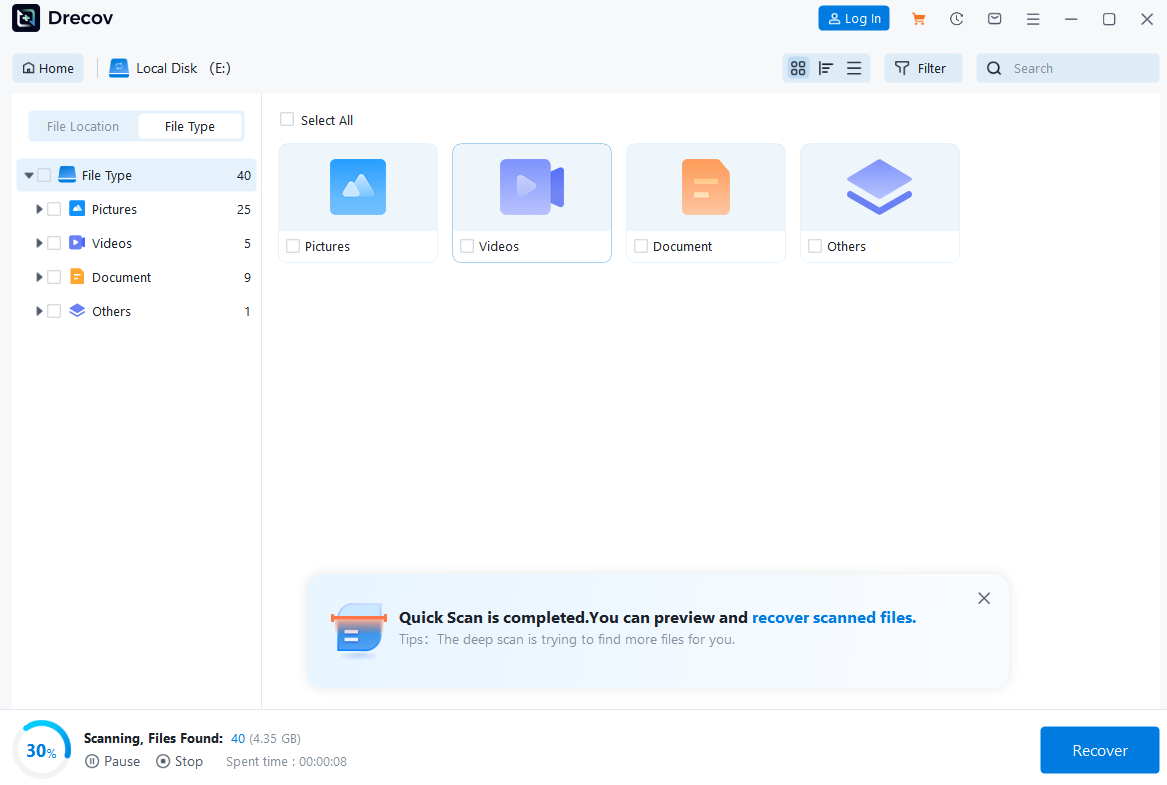
PandaOffice Drecov is a professional recovery tool designed for Windows.
Download DrecovSteps for recovery:
- Connect the drive to a Windows PC.
- Launch Drecov and select the drive containing the lost PSD file.
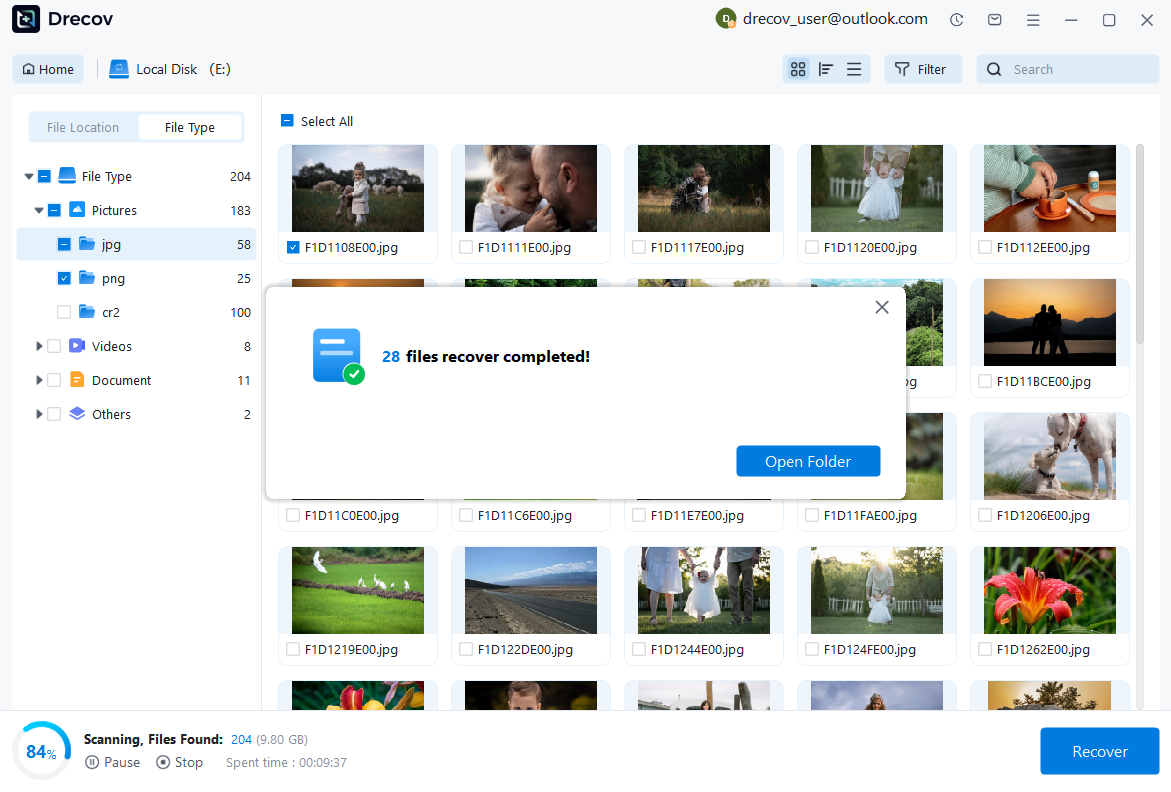
- Perform a deep scan to locate deleted or overwritten files.
- Preview the recovered PSD files and save them to a safe location.

Why Choose Pandaoffice Drecov?
When it comes to reliable data recovery, choosing the right tool can make the difference between permanent loss and successful restoration. Pandaoffice Drecov is designed with advanced scanning algorithms and user-friendly workflows to help individuals and professionals recover lost files quickly and safely across multiple storage scenarios. Whether you accidentally deleted important security footage or lost precious photos, the software provides comprehensive support for different devices and file systems.
For example, if you need to recover deleted Blink videos, Drecov can scan storage locations and retrieve video files even after accidental removal or formatting. Photographers and everyday users also benefit from its powerful usb photo recovery capabilities, allowing restoration of images from USB flash drives, memory sticks, and other portable devices without complicated steps.
In addition, the software excels at deleted sd card photo recovery, making it ideal for recovering lost pictures from cameras, drones, or mobile devices. Even when files seem permanently erased, deep scanning technology increases the chances of successful recovery. For larger storage failures, Drecov also supports recover external hard drive scenarios, including corrupted partitions, inaccessible drives, or accidental formatting.
Beyond its technical capabilities, Pandaoffice Drecov prioritizes safety and simplicity. The read-only recovery process ensures no further damage is done to your data, while the intuitive interface allows users of all experience levels to complete recovery in just a few clicks. With broad device compatibility, fast scanning performance, and dependable results, Pandaoffice Drecov is a trusted solution for anyone facing unexpected data loss.
Professional recovery tools significantly increase success rates compared to manual attempts.y.
⚠️Warning: Always restore recovered files to a different location to avoid overwriting existing data.
Recover Photoshop Files from Formatted or Corrupted Drives
When a drive is accidentally formatted, corrupted, or experiences hardware failure, standard recovery methods may not suffice. Fortunately, many PSD files remain physically on the disk until overwritten, making professional recovery possible.
Solution 6: Deep Scan with Professional Recovery Software
A professional tool like PandaOffice Drecov can perform deep sector-level scans to locate lost or overwritten Photoshop files.
Steps for effective recovery:
- Connect the affected drive to a Windows PC.
- Launch Drecov and select the drive containing the lost PSD files.
- Perform a deep scan targeting
.psdand.psbfile formats. - Preview located files and restore them to a separate safe location.
This method is particularly useful for recovering complex PSD files with multiple layers, effects, and high-resolution assets, even if they were overwritten.
⚠️Warning: Do not save new files to the affected drive until recovery is complete, as overwriting reduces recovery chances.
Recovering Multiple Photoshop Files Simultaneously
In professional environments, several PSD files may be lost at once due to crashes, accidental deletions, or disk errors. Batch recovery saves time and ensures all files are restored efficiently.
Solution 7: Batch Recovery Using Professional Tools
- Launch Drecov and select the folder or drive containing Photoshop files.
- Enable multi-file scanning targeting
.psdand.psbformats. - Preview recovered files and select all required PSDs.
- Restore files to a different drive to avoid overwriting recoverable data.
This approach is ideal for graphic designers, photographers, and marketing teams who work with multiple PSD files simultaneously and need a reliable recovery solution.
Recover Unsaved Photoshop Files
Sometimes the PSD file was never saved due to crashes or sudden system shutdowns. Recovering unsaved files requires using Photoshop’s AutoRecover or temporary file folders.
Solution 8: AutoRecover Folder
Photoshop periodically saves unsaved work in an AutoRecover folder:
- Open Photoshop and go to File > Open Recent.
- Look for files labeled “Recovered” or similar.
- Save the recovered file immediately in a secure location.
This method is particularly helpful for users searching how to recover Adobe Photoshop files after unexpected application closures.
Solution 9: Access Temporary Files
Temporary files created by Photoshop can sometimes be located in:
- Windows:
%AppData%\Adobe\or Temp folder - Mac:
/private/var/folders/
Opening these files may allow recovery of unsaved PSD work. Using professional recovery software like Drecov ensures more reliable results, especially if temporary files are partially corrupted.
⚠️Warning: Temporary files may be deleted after restarting the computer, so act immediately.
Using Cloud and Online Storage for Recovery
Cloud services often maintain version histories of PSD files, making recovery possible even after overwriting.
Solution 10: Cloud Backup and Version History
If your PSD files were synced with OneDrive, Google Drive, Dropbox, or other cloud platforms:
- Access the cloud storage web interface.
- Navigate to the PSD file and check Version History.
- Restore the desired version to your local drive.
This method is particularly useful when working with open Photoshop file online platforms, ensuring that critical edits are not lost due to device crashes or accidental overwrites.
Preventive Measures to Avoid PSD File Loss
Preventive strategies reduce the risk of losing valuable PSD files in the future.
Solution 11: Enable AutoSave and Backup Features
Always use Photoshop’s AutoSave function and enable version history on cloud storage platforms. These settings allow you to restore previous versions quickly in case of accidental closure or file corruption.
Solution 12: Regular Backups
Implement regular backups to external drives or cloud services. Maintaining multiple backup copies ensures that even overwritten or deleted files can be restored.
Solution 13: Proper File Management
Avoid editing critical PSD files without creating a copy. Use clear naming conventions and organize files in dedicated project folders to minimize accidental deletion or overwriting.
⚠️Warning: Repeatedly editing the same PSD file without backup increases the risk of permanent data loss.
Conclusion
Recovering lost, deleted, or unsaved Photoshop files is possible using a combination of built-in features, cloud storage, and professional recovery software. Start with Photoshop’s AutoRecover and temporary files to restore unsaved work. Check system backups and cloud storage for earlier versions.
For complex scenarios, such as overwritten PSDs, corrupted drives, or multiple lost files, PandaOffice Drecov provides a reliable Windows-based solution. While it does not support Mac, it can recover PSD files from Windows-formatted drives or external storage.
Following preventive practices like AutoSave, version history, cloud backups, and careful file management ensures PSD files remain secure and reduces the need for recovery in the future. By combining these methods, users can efficiently detect Photoshop, open Photoshop file online, and recover Adobe Photoshop files even in challenging scenarios.






