







SD cards are widely used in smartphones, digital cameras, drones, tablets, dash cams, gaming consoles, and many other portable devices. Despite being extremely common, many users still become confused when they see messages asking them to format their SD cards before use. Questions like “what does it mean to format an sd card”, “what does format sd card mean”, and “format sd card meaning” are frequently searched because people worry about losing files or damaging their storage devices.
Formatting is a process that prepares the SD card for storing data properly. In some cases, formatting helps repair file system corruption, remove hidden errors, improve compatibility, and restore performance. However, formatting can also erase files if users do not create backups first.
This guide explains everything about SD card formatting, including why formatting is necessary, different formatting methods, how to format SD cards safely on multiple devices, and how to recover lost data after formatting.
Understanding What SD Card Formatting Means
What Does It Mean to Format an SD Card
Many users ask “what does it mean format sd card” because the process sounds technical. In reality, formatting mainly reorganizes the storage structure of the SD card so devices can read and write files correctly.
An SD card stores information through a file system. The file system acts like a digital map that tells the operating system where files are located. If the file system becomes damaged, the device may no longer recognize the card properly.
Formatting usually performs these actions:
- Removes old file references
- Rebuilds the file allocation structure
- Creates a new file system
- Repairs logical storage problems
- Clears inaccessible directory information
After formatting, the card becomes usable again for storing new data.
How SD Cards Store Data
To understand “what does format mean on a sd card”, it helps to know how storage works.
SD cards use flash memory chips that save digital information electronically. The operating system organizes this information using structures such as:
- Partitions
- File allocation tables
- Directory indexes
When corruption affects these structures, the device may show errors like:
- “Card unreadable”
- “Please format SD card”
- “Disk must be formatted before use”
Formatting rebuilds these structures and restores communication between the device and the SD card.
Difference Between Quick Format and Full Format
There are two main formatting types.
Quick Format
Quick formatting removes file references but does not fully erase stored content.
Advantages:
- Very fast
- Good for basic cleanup
- Data may still be recoverable
Disadvantages:
- Does not check for bad sectors
- Severe corruption may remain
Full Format
Full formatting scans the entire card and checks for damaged storage sectors.
Advantages:
- Repairs more file system issues
- Detects bad sectors
- Creates a cleaner storage environment
Disadvantages:
- Much slower
- Recovery becomes harder afterward
⚠️Warning: Full formatting may permanently overwrite important files depending on the device and operating system.
Why Devices Ask You to Format an SD Card
File System Corruption
One major reason users search “what does format disk mean sd card” is because their device suddenly cannot access stored data.
Corruption can happen because:
- The SD card was removed unsafely
- Power failure interrupted file writing
- The device crashed
- Malware damaged storage structures
- Transfer errors occurred
Symptoms of corruption include:
- Missing files
- RAW partitions
- Slow transfer speeds
- Error messages
Formatting often repairs these logical problems.
Incompatible File Systems
Different devices support different file systems.
Examples include:
- FAT32
- exFAT
- NTFS
Some cameras cannot recognize exFAT cards, while modern SDXC cards often require exFAT support.
This is why users often ask “what does format the sd card mean” when moving cards between devices.
Damaged File Allocation Tables
The file allocation table tracks where files are stored on the card. If this table becomes damaged, the operating system loses track of file locations.
Common causes include:
- Unsafe ejection
- Virus infections
- Improper formatting
- Interrupted transfers
Formatting rebuilds the allocation table and restores normal access.
Preparing New SD Cards
Brand-new SD cards may also require formatting before first use.
Formatting helps:
- Create compatible storage structures
- Optimize allocation size
- Prepare the card for the target device
Professional photographers commonly format cards directly inside their cameras before important projects.
⚠️Warning: Formatting a new card removes factory test files that may still exist on the device.
How to Format an SD Card on Windows
Formatting Through File Explorer
This is the easiest method for beginners.
Steps to Format
- Insert the SD card into the computer
- Open “This PC”
- Right-click the SD card
- Select “Format”
- Choose FAT32 or exFAT
- Click “Start”
Test Environment
- Windows 11 Home
- 64GB Samsung EVO Plus SD card
- USB 3.0 card reader
The formatting process completed successfully within one minute using exFAT.
Formatting with Disk Management
Disk Management offers advanced formatting options.
Steps to Use Disk Management
- Press Win + X
- Open Disk Management
- Locate the SD card
- Right-click the partition
- Select “Format”
- Confirm settings
This method helps fix partition problems that File Explorer cannot resolve.
Test Environment
- Windows 10 Pro
- 128GB SanDisk Ultra SDXC card
- External card adapter
The RAW partition was restored successfully after formatting.
Using Command Prompt and DiskPart
Advanced users can use DiskPart for deeper repairs.
DiskPart Formatting Steps
- Open Command Prompt as administrator
- Type:
diskpart - Enter:
list disk - Select the SD card:
select disk X - Clean the card:
clean - Create a partition:
create partition primary - Format the card:
format fs=exfat quick
Test Environment
- Windows 11 Pro
- 256GB Lexar Professional SDXC card
- USB-C reader
DiskPart repaired a corrupted partition that standard formatting could not fix.
⚠️Warning: Selecting the wrong drive inside DiskPart may erase another storage device permanently.
How to Format SD Cards on Mac, Android, and Cameras
Formatting an SD Card on macOS
Mac users can use Disk Utility for formatting.
Steps for macOS
- Insert the SD card
- Open Disk Utility
- Select the SD card
- Click “Erase”
- Choose FAT32 or exFAT
- Confirm formatting
Test Environment
- macOS Sonoma
- Kingston Canvas Go Plus SD card
- USB-C adapter
Formatting restored full read and write functionality.
Formatting SD Cards on Android Devices
Android Formatting Steps
- Open Settings
- Tap Storage
- Select the SD card
- Tap “Format”
- Confirm the action
Android may also offer:
- Portable storage mode
- Internal storage mode
Formatting optimizes the card for Android file management.
Formatting SD Cards in Cameras
Many photographers prefer formatting cards inside the camera itself.
Benefits include:
- Better compatibility
- Correct camera folder structures
- Improved recording stability
Test Environment
- Canon EOS mirrorless camera
- Sony Tough 128GB SD card
- exFAT formatting
The camera automatically created optimized DCIM folders after formatting.
Formatting SD Cards for Gaming Consoles
Gaming systems like Nintendo Switch may request formatting before use.
Formatting helps:
- Improve game loading
- Create console-compatible structures
- Stabilize downloads
Some consoles use proprietary formatting systems that PCs cannot recognize.
Understanding SD Card File Systems
What Is FAT32
FAT32 is one of the oldest and most compatible file systems.
Advantages:
- Broad compatibility
- Stable performance
- Works on older devices
Limitations:
- 4GB maximum single file size
- Limited partition support
FAT32 is still common for smaller SD cards.
What Is exFAT
exFAT was designed for modern high-capacity storage.
Advantages:
- Supports large files
- Better for 4K video
- Faster transfer management
Most modern SDXC cards use exFAT formatting.
What Is NTFS
NTFS is mainly used for Windows systems.
Advantages:
- Advanced permissions
- Better security
- Large partition support
Disadvantages:
- Limited camera compatibility
- Not ideal for portable devices
⚠️Warning: Some cameras and Android devices cannot read NTFS-formatted SD cards.
Choosing the Correct File System
Recommended usage:
- FAT32 for smaller cards
- exFAT for large-capacity SDXC cards
- NTFS mainly for PC-only storage
Choosing the correct file system improves performance and compatibility.
How to Recover Files After Formatting an SD Card
Can Data Be Recovered After Formatting
Many users accidentally format their cards and immediately panic.
Fortunately, recovery is often possible after quick formatting because the actual data may still remain on the storage sectors temporarily.
Recovery success depends on:
- Whether new files were written afterward
- Formatting type
- Physical card condition
Using Pandaoffice Drecov for SD Card Recovery
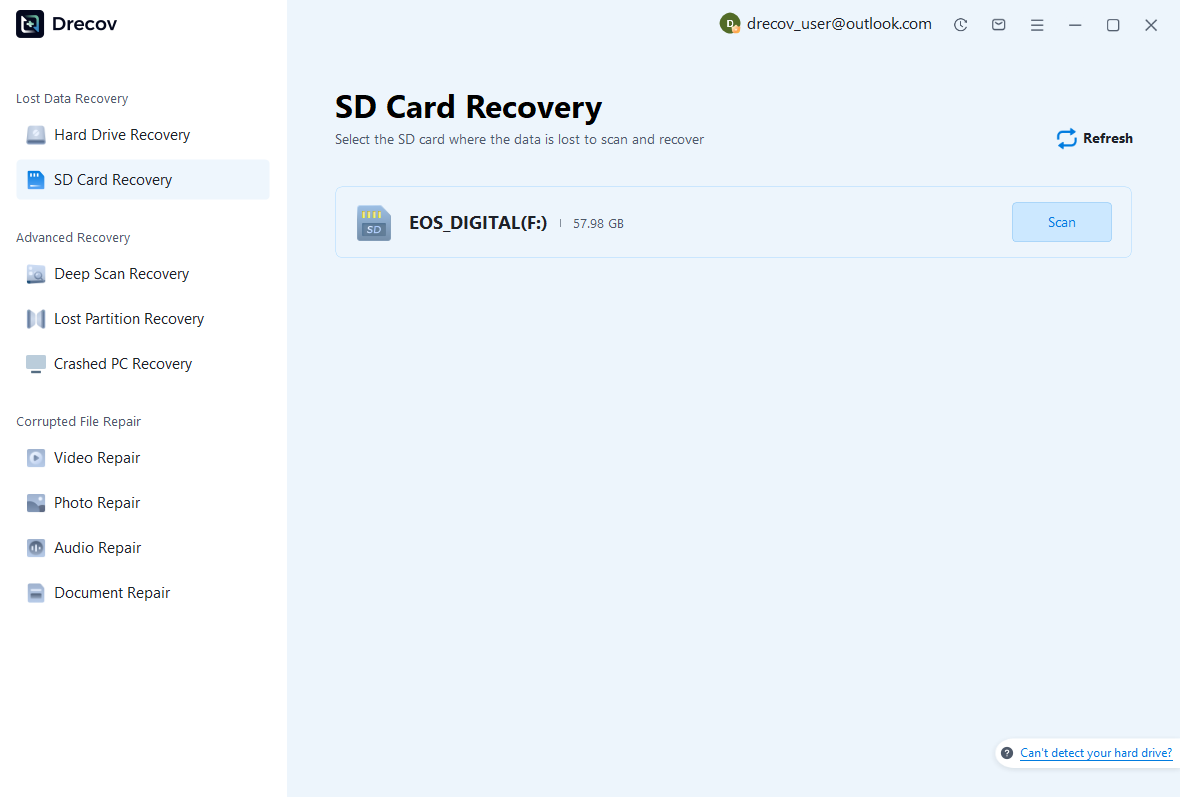
If files disappear after formatting, Pandaoffice Drecov can help restore lost data.
Supported recovery types include:
- Photos
- Videos
- Documents
- Audio files
- RAW image formats
Recovery Steps
- Install Pandaoffice Drecov
- Connect the formatted SD card
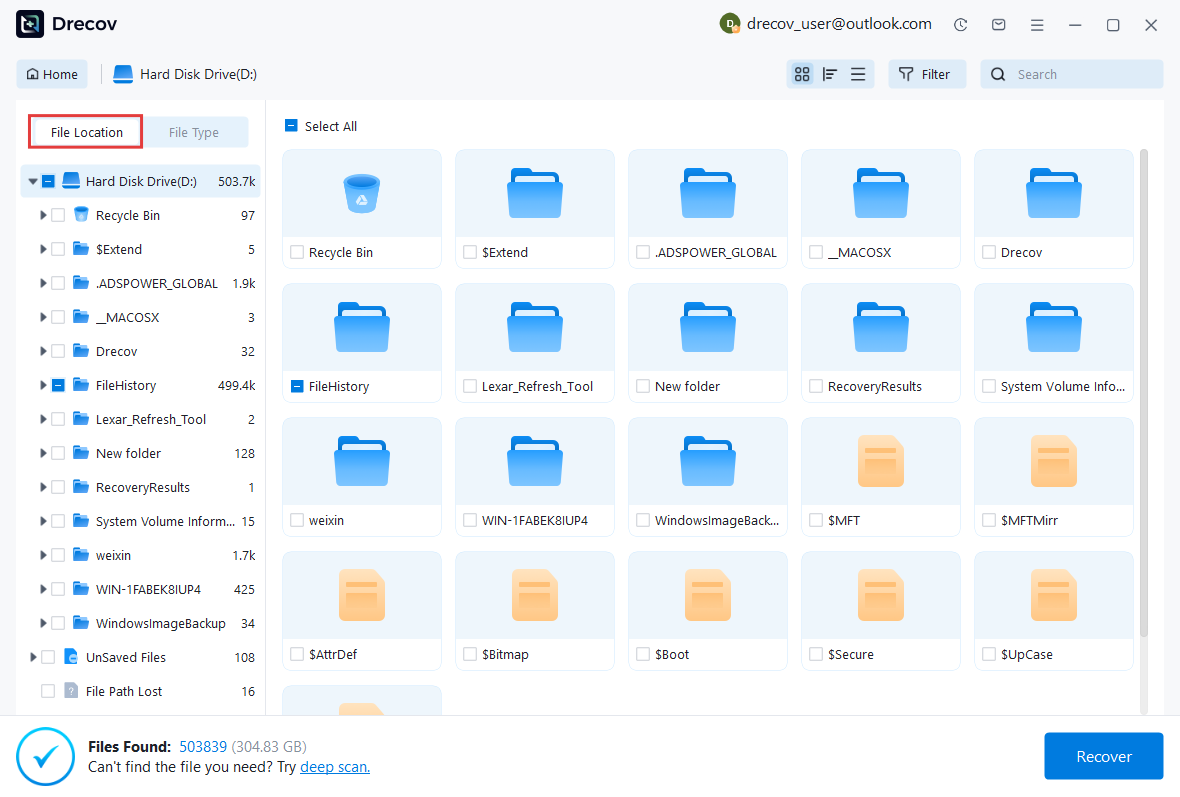
- Start a deep scan
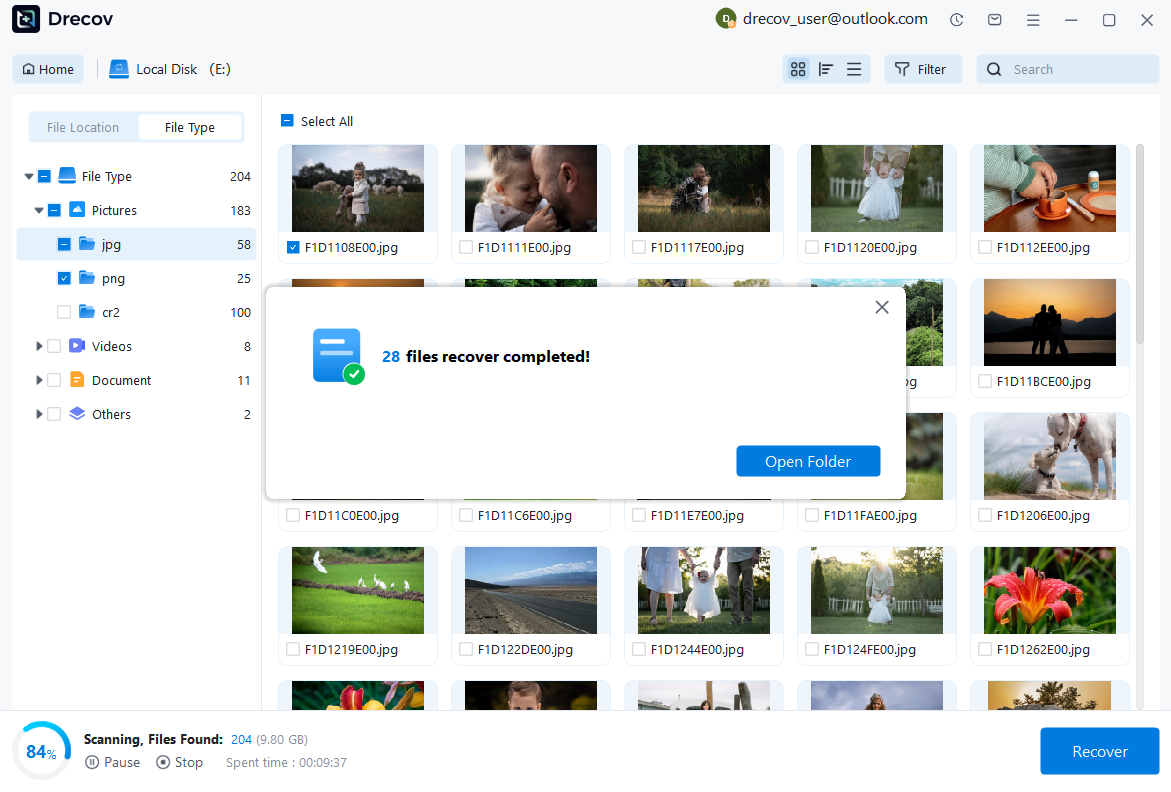
- Preview recoverable files
- Save files to another drive
Test Environment
- Windows 11
- 128GB SanDisk Extreme Pro SD card
- Quick formatted exFAT partition
The software successfully recovered JPEG photos, MP4 videos, and DOCX files after accidental formatting.
Why Choose PandaOffice Drecov Recovery Software?
PandaOffice Drecov offers a fast, secure, and user-friendly solution for recovering lost files across multiple scenarios. Whether you need email recovery, ZIP File Recovery, format data recovery, or help to recover deleted drafts Outlook, the software provides reliable recovery performance for both personal and business users.
PandaOffice Drecov supports recovery from formatted hard drives, SSDs, USB drives, SD cards, and external storage devices. Its advanced scanning engine can locate deleted archives, damaged ZIP files, lost Outlook drafts, and accidentally removed documents with high accuracy. For users searching for how to find deleted messages in Teams, PandaOffice Drecov can also help recover exported chat files, attachments, and related local cache data when available.
Key advantages include:
- Deep scan technology for complex data loss situations
- Support for emails, archives, videos, photos, and office documents
- Recovery from accidental deletion, formatting, corruption, and system crashes
- Easy preview before restoring files
- Compatible with Windows and multiple storage devices
Unlike complicated enterprise recovery tools, PandaOffice Drecov keeps the recovery process simple. Users can scan, preview, and restore files in just a few steps without technical expertise.
Whether you are dealing with lost Outlook drafts, corrupted ZIP archives, formatted drives, or missing communication data, PandaOffice Drecov provides an efficient and practical recovery experience designed to minimize downtime and protect important files.
⚠️Warning: Never save recovered files back onto the original SD card because overwriting may permanently destroy recoverable data.
Situations Where Recovery May Fail
Recovery becomes difficult if:
- Full formatting overwrote sectors
- NAND memory chips failed
- The card suffered physical damage
- Excessive rewriting occurred
Signs of physical failure include:
- Overheating
- Burn marks
- Broken connectors
- Complete detection failure
Professional recovery services may be necessary in severe cases.
Common SD Card Formatting Errors and Fixes
Windows Cannot Complete the Format
This error often appears because:
- The card is write-protected
- Bad sectors exist
- The adapter is faulty
- The partition table is corrupted
Possible solutions:
- Remove write protection
- Use another card reader
- Use DiskPart clean command
- Try another computer
The SD Card Shows RAW Format
RAW format means the operating system cannot recognize the file system.
Common causes include:
- File corruption
- Unsafe removal
- Interrupted formatting
Formatting usually restores functionality.
Test Environment
- Windows 10 desktop
- 32GB microSD card
- USB card adapter
The RAW partition returned to normal after exFAT formatting.
The SD Card Keeps Asking to Format
Repeated formatting requests may indicate:
- Severe corruption
- Hardware failure
- Incompatible formatting
If formatting repeatedly fails, the SD card may be nearing the end of its lifespan.
Write Protection Prevents Formatting
Some SD cards include physical lock switches.
Check:
- Adapter lock position
- Windows registry settings
- Device permissions
Disabling write protection usually restores formatting access.
⚠️Warning: Forcing repeated formatting on failing hardware may worsen data loss risks.
Frequently Asked Questions About SD Card Formatting
Does Formatting Permanently Delete Files
Quick formatting often leaves files recoverable temporarily, but full formatting significantly reduces recovery chances.
How Often Should You Format an SD Card
Frequent formatting may improve stability in:
- Cameras
- Drones
- Dash cams
- Gaming consoles
Many professionals format cards after every backup session.
Is Formatting Better Than Deleting Files Manually
Formatting offers several advantages:
- Faster cleanup
- Reduced fragmentation
- Cleaner file allocation tables
Can Formatting Repair a Damaged SD Card
Formatting repairs logical problems but cannot repair physical hardware failure.
Physical damage may involve:
- Broken controllers
- Worn memory cells
- Connector damage
What File System Is Best for SD Cards
General recommendations:
- FAT32 for smaller cards
- exFAT for large-capacity storage
- NTFS mainly for Windows storage use
Final Thoughts on SD Card Formatting
Understanding “what does it mean to format sd card” helps users manage storage devices safely and avoid unnecessary data loss. Formatting rebuilds the file system structure, repairs logical corruption, improves compatibility, and prepares the card for future data storage.
Whether you are fixing errors, preparing a new SD card, or improving device compatibility, proper formatting is an important maintenance step. However, users should always create backups before formatting because valuable files may otherwise disappear permanently.
If accidental formatting occurs, tools like Pandaoffice Drecov may help recover lost photos, videos, and documents before they are overwritten. By following safe formatting practices and using the correct file systems, users can improve both performance and reliability while extending the lifespan of their SD cards.





