







A phone data recovery app can help when files still exist in Trash, cloud backups, app folders, or removable storage, but it should not be your first action after data loss. Check backups and copy visible files first. If the missing data was on an SD card, scan the card from a computer instead of installing more apps on the phone.
This article explains how to choose a phone recovery application, when a phone data recovery program is useful, and when app-based recovery becomes risky because of encryption or overwrite activity.
What A Phone Data Recovery App Can And Cannot Do
A recovery app can guide you to backup locations, scan accessible folders, find cached media, or identify files on removable storage. It cannot guarantee recovery from encrypted internal storage after factory reset. It also cannot restore files that cloud sync already removed everywhere unless a Trash or version history still exists.
Before you install anything, decide whether the lost files are photos, videos, documents, messages, contacts, or app data. Each type has a different recovery source. A single app may not cover all of them safely.
Use This App Selection Checklist
- Clear source: The app should say whether it checks cloud, folders, Trash, SD card, or backups.
- Preview: It should let you preview recoverable files before saving.
- Safe output: It should save recovered files to another location when possible.
- Permission control: Avoid apps that ask for unrelated permissions for simple photo recovery.
- Realistic claims: Avoid tools that promise full recovery after reset without explaining limits.
Method 1: Recover From Built-In Phone Backups
Best For: Contacts, photos, videos, messages, and settings synced before deletion.
Tool Used: Google Photos, Google Drive, Samsung Cloud, OneDrive, iCloud transfer copies, and app backups.
Steps
- Sign in to the account used on the phone.
- Check backup status, Trash, Archive, and device folders.
- Restore or download the files you need.
- Verify recovered files on a computer.
- Create a second backup before resetting or cleaning the phone.
Risk Level: Low. Backup recovery is safer than installing multiple recovery apps.
Method 2: Copy Files Before Running A Phone Recovery Application
Best For: Phones that still unlock and expose storage through USB.
Tool Used: USB File Transfer, Windows File Explorer, and the phone’s Files app.
Steps
- Unlock the phone and connect it to a computer.
- Choose File Transfer on the USB prompt.
- Copy DCIM, Pictures, Download, Documents, Movies, and app media folders.
- Check chat app, recorder, scanner, browser, and editor folders.
- Open copied files on the computer and mark what is still missing.
- Only then decide whether a recovery scan is necessary.
This step reduces risk because it preserves what still exists. It also narrows the recovery target so you do not scan blindly.
Method 3: Recover Phone SD Card Files With PandaOffice Drecov
Use this method only when the missing files were stored on a readable SD card or removable phone storage. PandaOffice Drecov is a desktop recovery option for removable media, not a replacement for phone account backups or encrypted internal-storage access.
Best For: Deleted photos, videos, documents, audio files, and app media from phone SD cards.
Tool Used: PandaOffice Drecov.
Test Environment:
Operating System: Windows 11
Device Type: Phone microSD card through card reader
File System: FAT32 / exFAT
Problem Scenario: Deleted files from removable phone storage
Tool Used: PandaOffice Drecov
Steps
- Power off the phone and remove the SD card if it held the lost files.
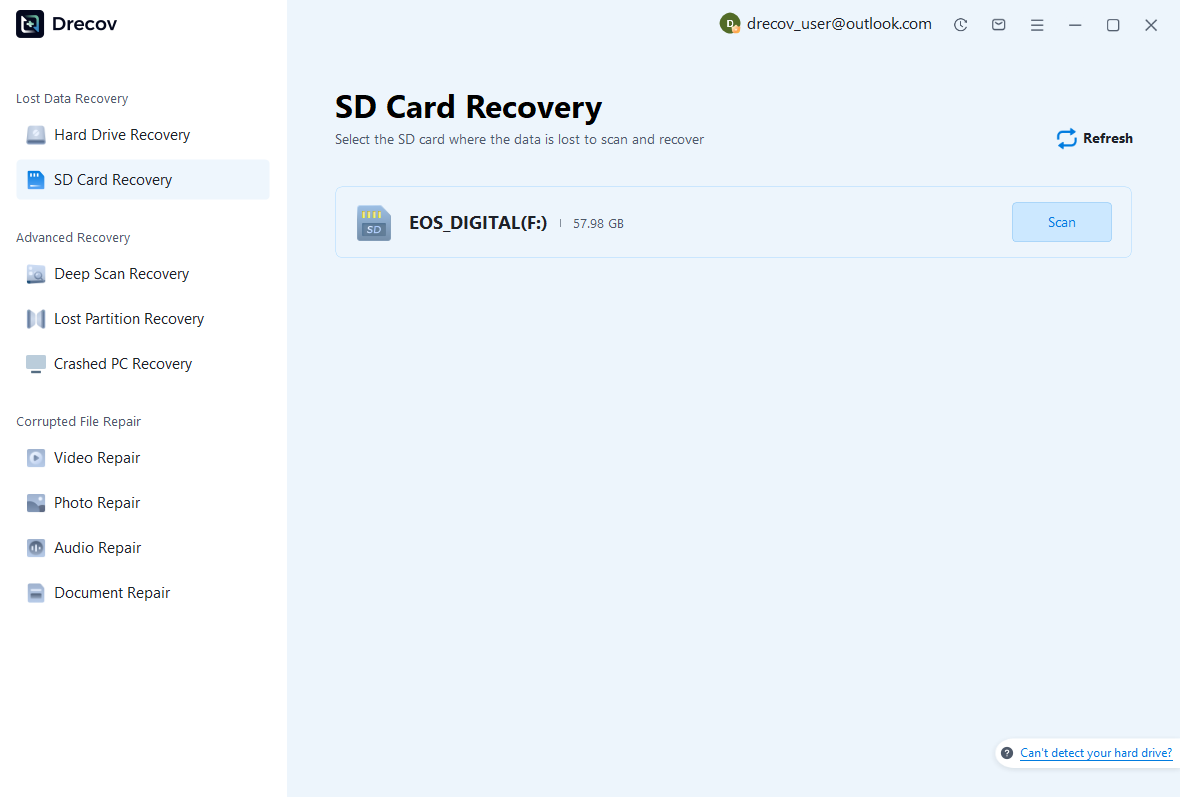
- Connect the card to the computer through a card reader.
- Open PandaOffice Drecov and choose the target card.
- Start the scan and wait for results.
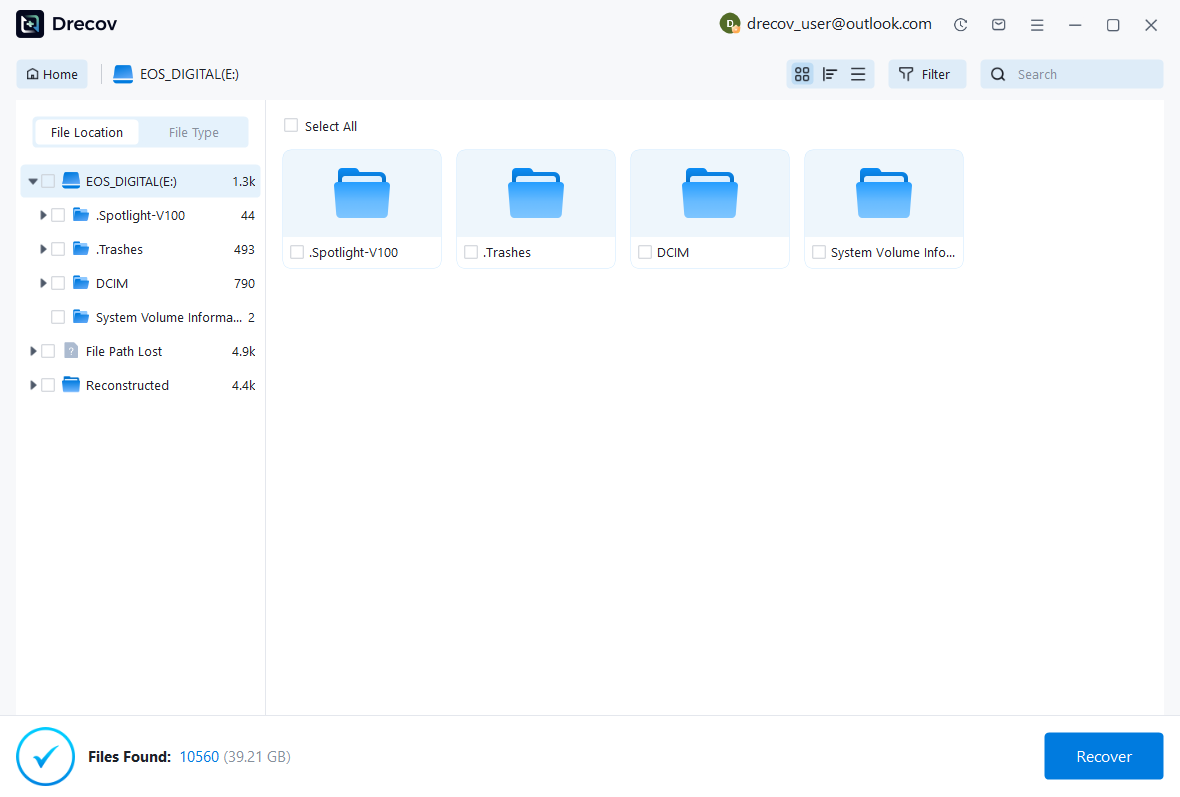
- Filter by the file type you need, such as images, videos, documents, or audio.
- Preview files before recovery.
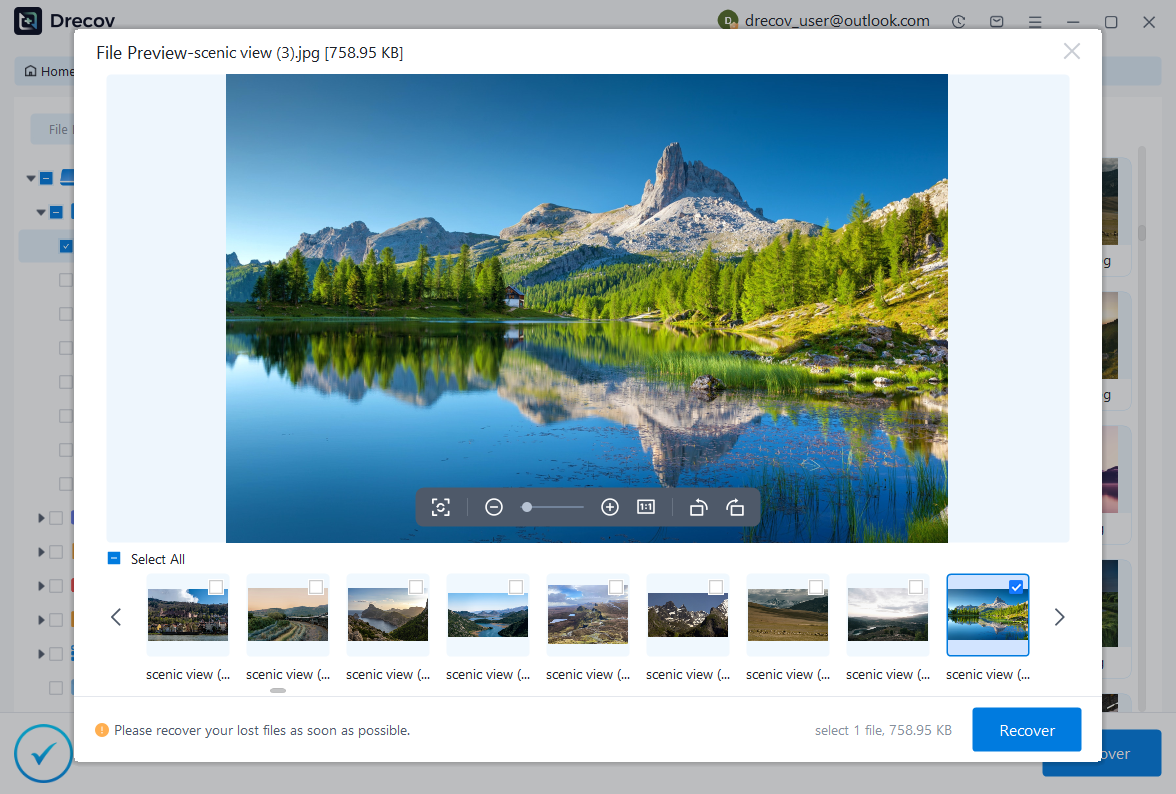
- Save recovered files to the computer or an external drive.
Risk Level: Low when you stop using the original card and save recovered files elsewhere.
When A Phone Data Recovery Program Is Better Than An App
A desktop program is often better when the target storage is removable, large, unstable, or asking to be formatted. A computer gives you a larger screen, safer output location, and better file preview workflow. It also avoids installing new data onto the same phone where the deleted files may still exist.
An app may still make sense for account restore, Trash checks, and light folder discovery. The key is to choose the least invasive method first. Recovery should protect existing data before it searches for deleted data.
Red Flags In Phone Recovery Software
Be careful with recovery software that promises every file back, asks you to root the phone without explaining the risk, or claims it can restore encrypted data after reset with one click. Also be cautious when an app asks for broad permissions unrelated to the file type you need. A tool for photo recovery should not need access to every private message unless it clearly supports message recovery and explains why.
If the files are business records, legal media, client images, or irreplaceable family videos, stop experimenting after the first safe checks. Copy what exists, preserve the storage source, and use a controlled recovery path.
Related Recovery Guides
For TikTok draft or deleted video cases, use this TikTok video recovery guide.
For Illustrator projects on a computer, read this Illustrator file recovery guide.
If your recovery destination is a LaCie drive on Mac, see this LaCie hard drive not showing up guide.
If restore points affect your recovery plan, review how to restore a computer to an earlier date on Windows.
FAQ
Can A Phone Data Recovery App Recover Everything?
No. It depends on storage source, backup status, encryption, overwrite activity, and file type.
Is Phone Files Recovery Safe?
It is safer when you copy existing files first and save recovered files to another location.
Should I Root Android For Recovery?
Usually not as a first step. Rooting can add risk, void support, and write new data. Try backups, visible folders, and SD card recovery first.
Conclusion
A phone data recovery app works best when you use it after safer checks, not before them. Start with backups, copy visible files, and use desktop SD card recovery when removable storage held the missing data.





