







You can restore deleted Android files if they still exist in Trash, cloud backups, app folders, or removable SD card storage. Start with account and app recovery first, then copy visible folders to a computer, and scan an SD card only if the lost files were stored there. Avoid factory reset, cache cleaners, and new app installs until you know where the files were lost.
This guide covers photos, videos, documents, app media, locked Android phones, and SD card recovery. It gives a clear order so you do not waste time scanning the wrong storage source.
First Identify The Storage Source
Deleted Android files do not all live in one place. Photos may belong to Gallery or Google Photos. Downloads may sit in the browser folder. Documents may live in Drive, OneDrive, email, or a work profile. Videos may be in DCIM, Movies, app exports, or SD card folders. The right restore method depends on that source.
Ask three questions before you begin: Was the file synced to an account? Was it saved on an SD card? Does the phone still unlock? These answers decide whether you should restore from cloud, copy files by USB, or scan removable storage.
Method 1: Restore Deleted Files From Android Trash And Cloud
Best For: Photos, videos, documents, and app files deleted recently.
Tool Used: Google Photos, Google Drive, Samsung Cloud, OneDrive, Files by Google, and app Trash folders.
Steps
- Sign in to the same Google, Samsung, or cloud account used on the phone.
- Open Trash, Bin, Recently Deleted, Archive, and backup folders.
- Search by file type, date, sender, project name, or app folder.
- Restore the files to the original app or download them to a computer.
- Open restored files to verify that they are complete.
- Create a second copy before you clean the phone.
Risk Level: Low. Account restore does not scan raw phone storage and usually gives the cleanest result.
Method 2: Restore Images, Videos, And Documents From Visible Folders
Best For: Phones that still unlock and connect to a computer.
Tool Used: USB File Transfer, Windows File Explorer, and the Android Files app.
Steps
- Unlock the phone and connect it to a computer.
- Select File Transfer on the Android USB prompt.
- Copy DCIM, Pictures, Download, Documents, Movies, Music, and app media folders.
- Check WhatsApp, Telegram, browser, scanner, recorder, and editor folders.
- Sort the copied folders by date and size.
- Open the files on the computer before deleting anything from the phone.
This method works when the Android media index is wrong or when the file exists outside the app view. It also creates a safety copy before you try riskier steps.
Method 3: Restore Deleted Android Files From SD Card With PandaOffice Drecov
Use this method only when the missing Android files were stored on a readable SD card or removable storage device. PandaOffice Drecov is not a shortcut for bypassing encrypted internal phone memory; it is useful for scan-and-preview recovery from removable media.
Best For: Deleted photos, videos, documents, app media folders, and Android SD card files.
Tool Used: PandaOffice Drecov.
Test Environment:
Operating System: Windows 11
Device Type: Android microSD card through card reader
File System: FAT32 / exFAT
Problem Scenario: Deleted Android files from removable storage
Tool Used: PandaOffice Drecov
Steps
- Stop using the Android phone and remove the SD card if it stored the lost files.
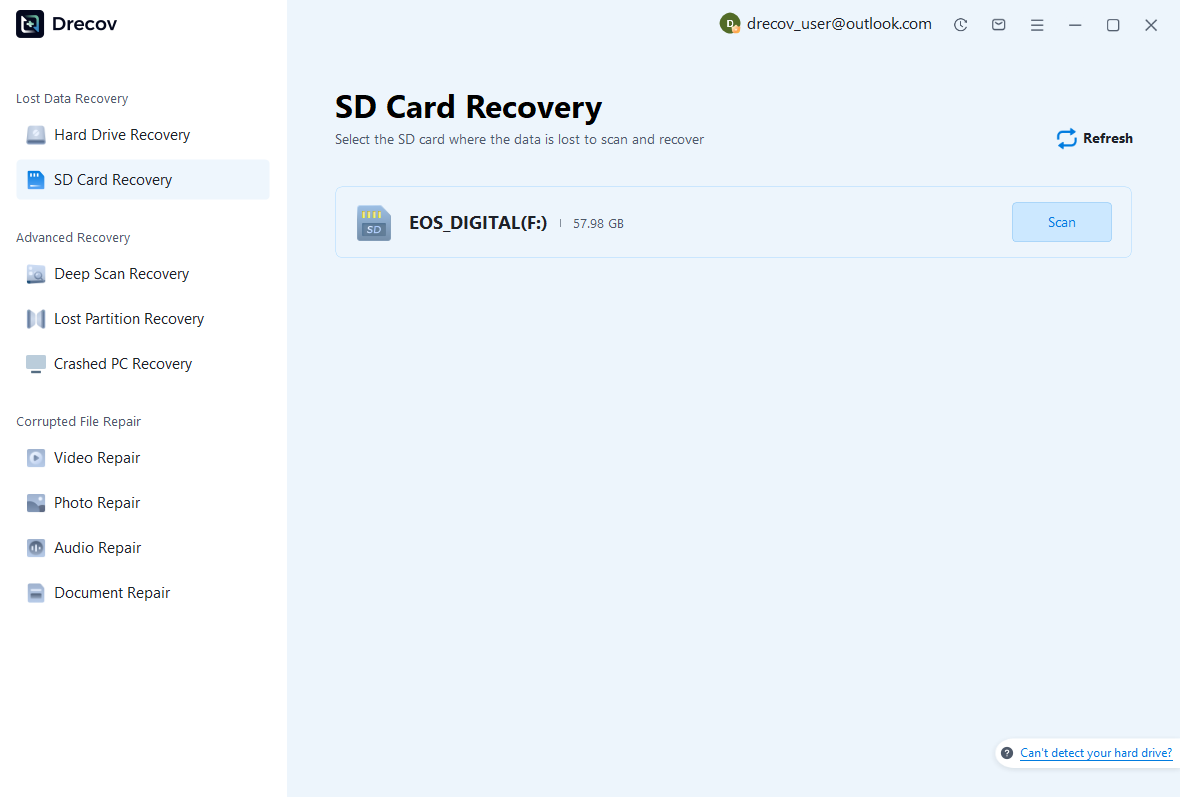
- Connect the card to a Windows computer through a card reader.
- Open PandaOffice Drecov and choose the SD card.
- Run the scan and wait for file-type results.
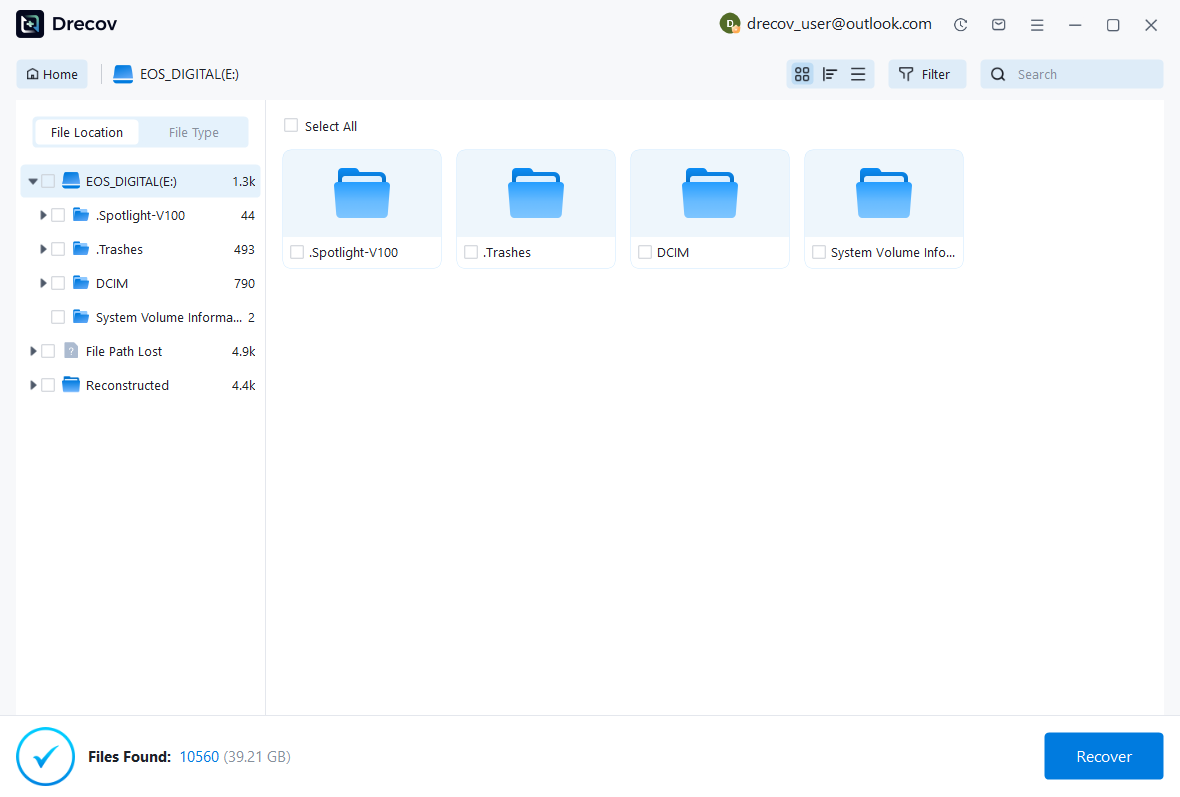
- Filter results by images, videos, documents, audio, or original path.
- Preview important files before recovery.
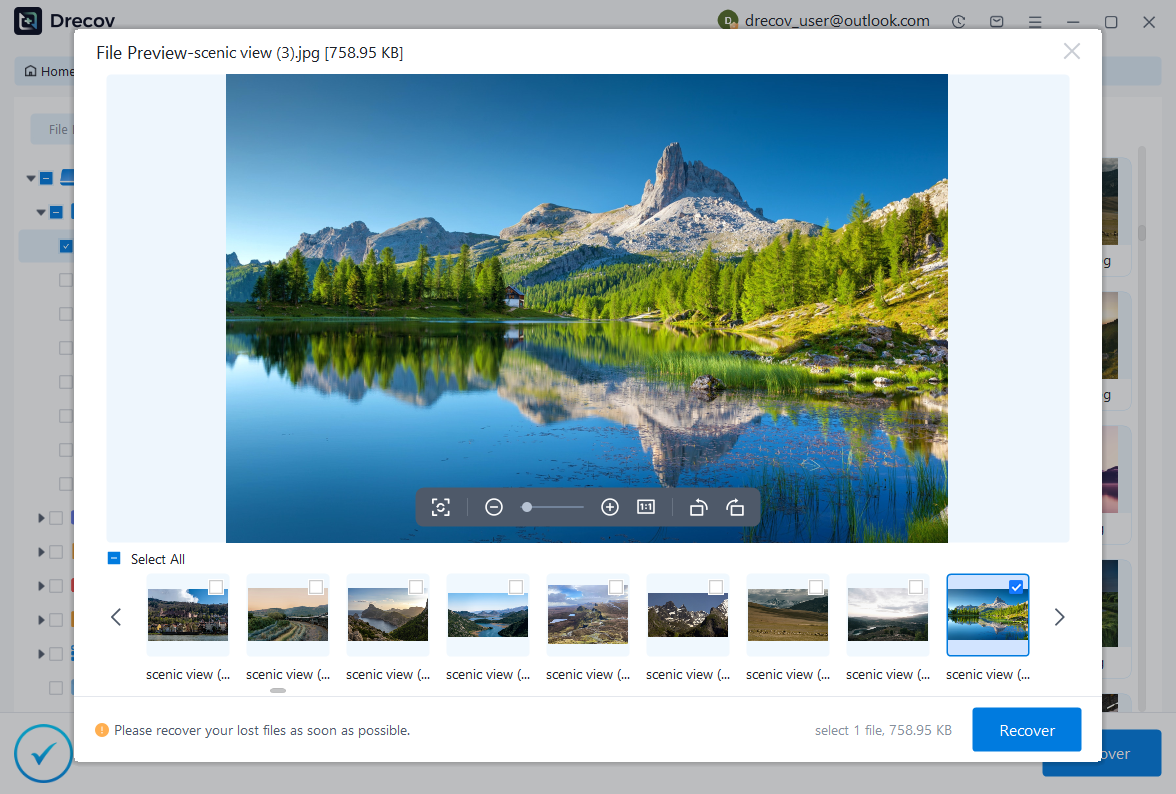
- Save recovered files to a computer folder or external drive, not back to the same card.
Risk Level: Low if the original SD card remains read-only in practice and recovered files go to another drive.
How To Restore A Locked Android Phone
A locked Android phone is different from a normal deletion case. When you know the passcode but the screen is damaged, try a USB-C display adapter, mouse, or trusted computer connection. For a phone that still boots, recover account data and SD card files before repair. After a forgotten passcode and factory reset, internal storage recovery becomes unlikely on modern Android devices.
Check cloud services from another device. Google Photos, Google Drive, Samsung Cloud, OneDrive, WhatsApp backups, and carrier voicemail may hold the files even when the phone cannot be opened. If an SD card exists, remove it and scan it separately.
Restore Images And Videos Without Making Things Worse
Do not install several recovery apps after deletion. Each install writes data. Do not clear app cache if the missing file came from a chat app, video editor, recorder, or social app. Cache can contain drafts, previews, export records, and media copies. Do not format an SD card when Android or Windows asks. Copy readable files first, then scan the card.
If a recovered file opens but looks damaged, keep the original recovered copy. Create a second copy for repair or conversion. This matters for videos, voice files, and large documents because partial recovery can still preserve useful data.
Related Recovery Guides
For deleted TikTok videos or drafts, use this TikTok video recovery guide.
The missing file is an Adobe Illustrator project on a computer, follow this Illustrator file recovery guide.
If you need an external Mac drive for recovered files and it does not appear, read this LaCie hard drive guide.
If Windows restore points are part of your backup plan, review how to restore a computer to an earlier date on Windows.
FAQ
Can I Restore Deleted Files On Android After Emptying Trash?
Sometimes, especially when files were on an SD card or another synced app still has a copy. Internal storage recovery is less predictable.
Can I Restore Deleted Videos From Phone Memory?
Check Gallery Trash, Google Photos, app folders, and cloud backups first. If the videos were only in encrypted internal storage, recovery may be limited.
Is A Factory Reset A Recovery Method?
No. A reset may help restore account backups, but it usually removes local files that were not backed up.
Conclusion
To restore deleted Android files, start with Trash and cloud backups, copy visible folders, and scan removable SD card storage only when the lost files were saved there. The safest recovery plan protects existing data before it tries deeper recovery.





