







Losing phone numbers can be frustrating, especially when important business or family contacts suddenly disappear. Many users wonder whether it is possible to recover contacts from SIM card storage after deletion, phone reset, or SIM corruption. The good news is that in many cases, you can still restore lost contact information using built-in phone settings, cloud backups, or professional recovery software.
This guide explains multiple ways to restore contacts from sim card, including solutions for Android and iPhone devices. You will also learn why SIM contacts disappear and what precautions can improve recovery success rates.
Understanding SIM Card Contact Recovery
What Happens When Contacts Are Stored on a SIM Card
A SIM card does more than connect your phone to a mobile network. Older phones and many Android devices also allow users to save names and phone numbers directly onto the SIM card. Unlike modern cloud storage, SIM cards have limited memory and usually store only basic information such as:
- Contact names
- Phone numbers
- Limited text fields
When contacts disappear, many users ask: can you recover contacts from sim card storage after deletion? In many situations, the answer is yes. Deleted entries may remain temporarily until new data overwrites them.
However, recovery depends on several factors:
- Whether the SIM card is physically damaged
- How long ago the contacts were deleted
- Whether new contacts were saved afterward
- The phone operating system being used
Android devices typically provide more direct access to SIM card data, while iPhones rely heavily on iCloud synchronization.
⚠️Warning: Avoid saving new contacts to the SIM card after data loss. New data may overwrite deleted entries permanently.
Common Reasons SIM Card Contacts Disappear
SIM contact loss can happen unexpectedly. Some of the most common causes include:
- Accidental deletion
- Factory reset
- SIM formatting
- Malware infection
- Phone system crashes
- Water or physical damage
- SIM card corruption
- Improper SIM removal
Sometimes contacts appear missing simply because the device is displaying contacts from another storage location, such as Google Contacts or iCloud instead of the SIM card.
Understanding the cause helps determine the best recovery method.
Why SIM Card Contact Recovery Is Possible
How Deleted SIM Data Remains Recoverable
When a contact is deleted, the data is not always erased immediately. In many cases, the phone marks the storage space as available for reuse. Until new data replaces it, recovery tools may still detect and rebuild deleted contact records.
This is why many users can successfully retrieve contacts from sim storage even after accidental deletion.
The recovery success rate is usually higher when:
- The deletion happened recently
- The SIM card remains readable
- No additional contacts were added afterward
- The card has no physical damage
Modern smartphones may also create automatic backups through Google, iCloud, or manufacturer services, which greatly improves the chance of recovery.
Devices and Systems That Support SIM Contact Recovery
Most contact recovery methods work on:
- Android phones
- Samsung Galaxy devices
- Xiaomi phones
- Huawei devices
- Motorola smartphones
- Older feature phones
- iPhones with imported SIM contacts
The exact recovery process differs depending on the operating system and backup configuration.
Test Environment
- Samsung Galaxy S23 Ultra — Android 15
- Xiaomi Redmi Note series — Android 14
- iPhone 15 Pro — iOS 19
- Windows 11 PC for recovery software testing
⚠️Warning: Severely scratched or physically broken SIM cards may require professional repair before recovery attempts.
How to Recover Contacts From SIM Card on Android
Method 1: Import Contacts Directly From the SIM Card
Android devices usually include a built-in SIM import feature. If the contacts still exist on the SIM card but are hidden from view, importing them may restore access instantly.
Test Environment
- Samsung Galaxy S23 Ultra
- Android 15
- One UI 7
Steps to Restore Contacts
- Open the Contacts app
- Tap Settings
- Choose Import or Export Contacts
- Select Import From SIM Card
- Choose the destination account
- Wait for the import process to finish
After the process completes, deleted-looking contacts may reappear in the contact list.
This is one of the easiest ways to restore contacts from sim storage without third-party software.
Method 2: Recover SIM Contacts Using Google Contacts Backup
Many Android phones automatically sync contact information with a Google account. Even if SIM contacts disappear, Google may still contain a synced copy.
Test Environment
- Google Contacts Web
- Android 15 device
- Chrome browser on Windows 11
Steps to Recover Contacts
- Open Google Contacts
- Sign in with the linked Google account
- Click Trash or Bin
- Locate deleted contacts
- Select Restore
Google typically keeps deleted contacts for 30 days.
This method works particularly well if the device was previously configured for synchronization.
⚠️Warning: Restoring old backups may overwrite recently updated contact information.
Method 3: Use PandaOffice Drecov to Recover Deleted SIM Contacts
If contacts are no longer visible on the phone or cloud account, specialized recovery software may help scan the device and retrieve lost records.
Test Environment
- Windows 11 PC
- Android 15 smartphone
- USB debugging enabled
How PandaOffice Drecov Helps
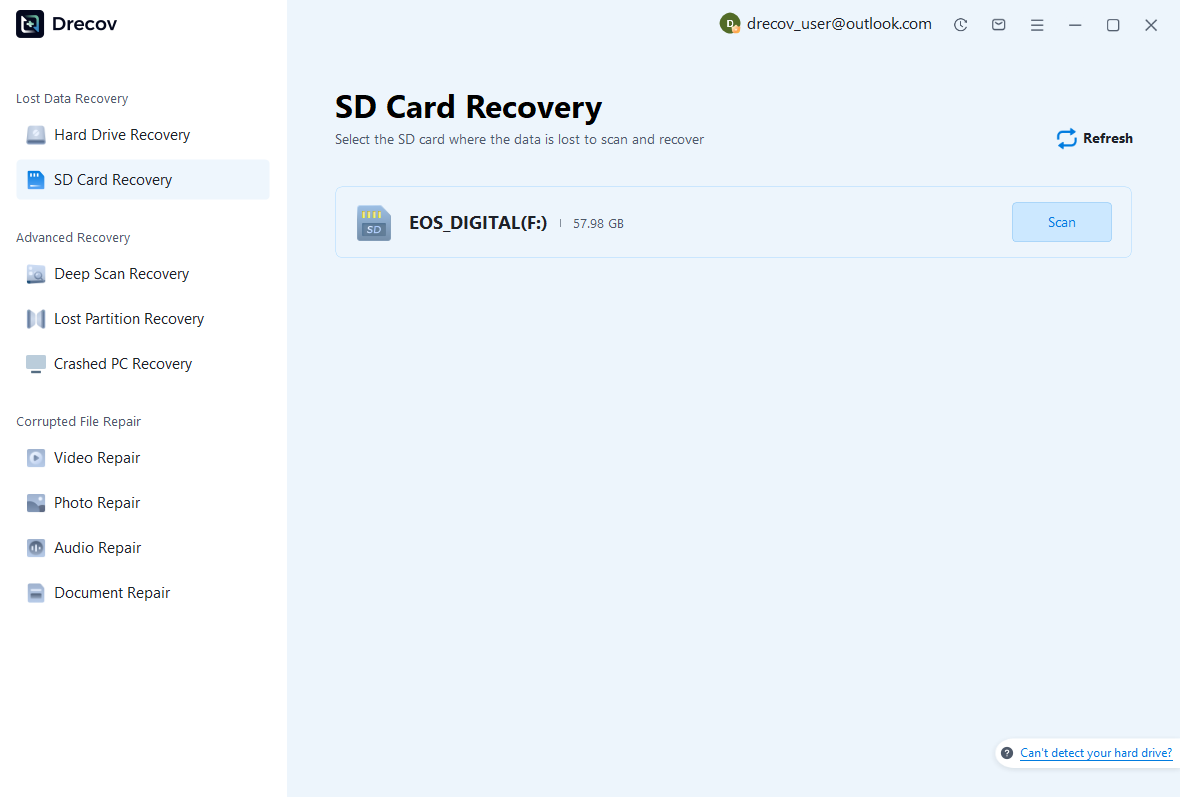
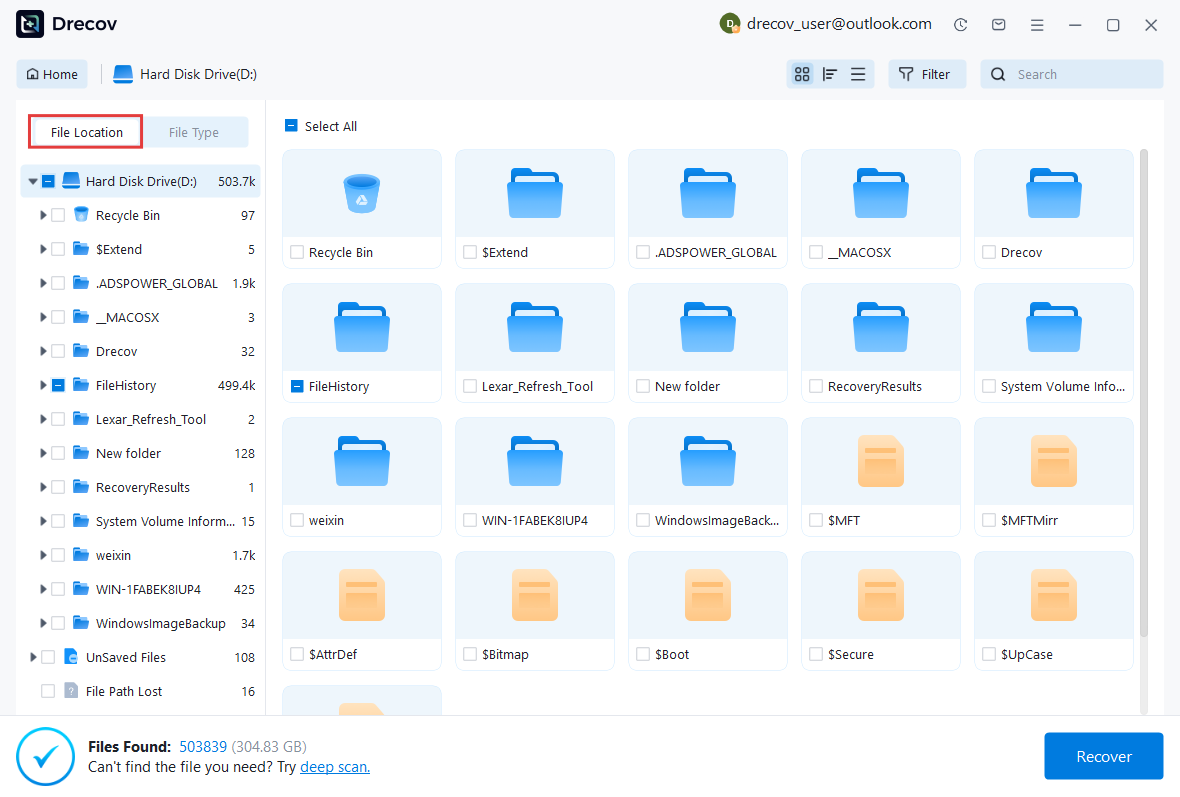
PandaOffice Drecov provides advanced scanning technology designed to detect deleted mobile data, including contacts, messages, and SIM-related records.
Steps to Recover Contacts
- Install PandaOffice Drecov on the computer
- Connect the Android device via USB
- Enable USB debugging
- Select Contact Recovery
- Start the scan
- Preview recoverable contacts
- Export selected contacts
The software can sometimes help users recover contacts from sim card storage even after accidental deletion or system failure.

Why Choose PandaOffice Drecov Recovery Software?
PandaOffice Drecov offers a fast, secure, and user-friendly solution for recovering lost files across multiple scenarios. Whether you need email recovery, ZIP File Recovery, format data recovery, or help to recover deleted drafts Outlook, the software provides reliable recovery performance for both personal and business users.
PandaOffice Drecov supports recovery from formatted hard drives, SSDs, USB drives, SD cards, and external storage devices. Its advanced scanning engine can locate deleted archives, damaged ZIP files, lost Outlook drafts, and accidentally removed documents with high accuracy. For users searching for how to find deleted messages in Teams, PandaOffice Drecov can also help recover exported chat files, attachments, and related local cache data when available.
Key advantages include:
- Deep scan technology for complex data loss situations
- Support for emails, archives, videos, photos, and office documents
- Recovery from accidental deletion, formatting, corruption, and system crashes
- Easy preview before restoring files
- Compatible with Windows and multiple storage devices
Unlike complicated enterprise recovery tools, PandaOffice Drecov keeps the recovery process simple. Users can scan, preview, and restore files in just a few steps without technical expertise.
Whether you are dealing with lost Outlook drafts, corrupted ZIP archives, formatted drives, or missing communication data, PandaOffice Drecov provides an efficient and practical recovery experience designed to minimize downtime and protect important files.
Method 4: Restore Contacts From a Local Phone Backup
Some Android brands create local backups automatically. Samsung Smart Switch and Xiaomi Cloud are common examples.
Test Environment
- Samsung Smart Switch
- Samsung Galaxy S23 Ultra
- Windows 11
Recovery Steps
- Open the backup application
- Locate the most recent backup
- Select Contacts
- Start the restore process
- Restart the phone if necessary
This method is especially useful after factory resets or phone migration.
How to Recover Contacts From SIM Card on iPhone
Method 1: Import SIM Contacts to iPhone
iPhones allow users to import SIM contacts manually. If the contacts still exist on the card, importing may restore them immediately.
Test Environment
- iPhone 15 Pro
- iOS 19
Steps
- Insert the SIM card into the iPhone
- Open Settings
- Tap Apps
- Choose Contacts
- Select Import SIM Contacts
- Wait for the import process
The imported entries will appear in the Contacts app.
This remains one of the simplest ways to retrieve contacts from sim storage on iOS devices.
Method 2: Restore Contacts Through iCloud
Many iPhone users sync contacts with iCloud automatically. If SIM contacts were previously imported, they may still exist inside iCloud backups.
Test Environment
- iCloud Web
- iPhone 15 Pro
- Safari browser
Steps to Restore
- Sign in to iCloud
- Open Data Recovery
- Choose Restore Contacts
- Select a backup version
- Confirm restoration
This method works well after accidental deletions.
Method 3: Recover Contacts Using Finder or iTunes Backup
Local iPhone backups created on Windows or Mac computers may contain deleted contact information.
Test Environment
- macOS Sequoia
- Finder Backup
- iPhone 15 Pro
Steps
- Connect the iPhone to the computer
- Open Finder or iTunes
- Select the device
- Click Restore Backup
- Choose a backup version
- Start restoration
This process restores the device to an earlier state containing the lost contacts.
Advanced Solutions for Corrupted or Damaged SIM Cards
Use Another Phone to Detect the SIM Card
Sometimes the problem is not the SIM card itself. A smartphone may fail to read SIM data because of software bugs, dirty SIM trays, or hardware issues. Testing the SIM card in another device is one of the fastest ways to check whether the contacts still exist.
Many users successfully restore contacts from sim card storage simply by inserting the card into another Android phone.
Test Environment
- Samsung Galaxy S24
- Motorola Android device
- Nano SIM card
Steps to Check the SIM Card
- Power off both devices
- Remove the SIM card carefully
- Insert the SIM into another compatible phone
- Turn on the second device
- Open the Contacts application
- Check whether SIM contacts appear
- Export or copy the contacts immediately
If the contacts become visible on the second phone, the original device may have a software-related issue rather than actual data loss.
Clean the SIM Card Surface Properly
Dust, fingerprints, or oxidation on the SIM card’s gold contact area can interfere with communication between the card and the phone. Cleaning the SIM carefully may restore normal detection.
Test Environment
- Nano SIM card
- Microfiber cloth
- SIM eject tool
Cleaning Steps
- Turn off the phone
- Remove the SIM tray
- Gently wipe the gold contact surface
- Avoid scratching the chip
- Reinsert the SIM card
- Restart the phone
Avoid using water, alcohol, or metal objects during cleaning.
⚠️Warning: Scratching the gold contact area may permanently damage the SIM card and reduce recovery chances.
Ask Your Mobile Carrier for Assistance
Some carriers can transfer contact information from an old SIM card to a replacement card if the original SIM is partially damaged but still readable.
In certain situations, carrier support teams use professional tools unavailable to consumers.
Test Environment
- Carrier service center
- Original SIM ownership verification
- Valid identification
What to Bring
- The damaged SIM card
- Your smartphone
- Personal identification
- Mobile account information
Although not guaranteed, carrier-assisted transfer can sometimes help users retrieve contacts from sim storage when standard recovery methods fail.
How to Prevent SIM Contact Loss in the Future
Enable Automatic Cloud Synchronization
One of the best ways to avoid permanent contact loss is enabling automatic cloud backups. Cloud synchronization keeps a copy of your contacts online even if the SIM card fails.
Recommended cloud services include:
- Google Contacts
- iCloud Contacts
- Samsung Cloud
- Xiaomi Cloud
Once enabled, new contacts automatically sync whenever the phone connects to the internet.
Test Environment
- Android 15
- iOS 19
- Stable Wi-Fi connection
How to Enable Contact Sync on Android
- Open Settings
- Tap Google
- Choose Backup
- Enable Contacts Sync
How to Enable Contact Sync on iPhone
- Open Settings
- Tap Apple ID
- Select iCloud
- Enable Contacts
Cloud synchronization significantly improves the ability to recover contacts from sim card situations after accidental deletion or phone damage.
Export Contacts Regularly
Creating manual backups adds another layer of protection. Most smartphones support exporting contacts into portable files.
Common export formats include:
- VCF
- CSV
- Device backup files
You can store backups on:
- USB drives
- PCs
- External hard drives
- Cloud storage platforms
Test Environment
- Samsung Galaxy S23 Ultra
- Windows 11 computer
How to Export Contacts on Android
- Open Contacts
- Tap Settings
- Select Export Contacts
- Save the VCF file
How to Export Contacts on iPhone
- Open iCloud Contacts
- Select contacts
- Export as VCF
Regular exports provide quick recovery access if cloud syncing fails.
Avoid Storing All Contacts Only on the SIM Card
Modern smartphones provide much safer storage methods than traditional SIM cards. SIM cards have limited memory and weak protection against corruption or damage.
Instead of relying entirely on SIM storage, consider using:
- Phone internal storage
- Google account storage
- iCloud synchronization
- Manufacturer cloud services
This approach improves long-term reliability and reduces the need to restore contacts from sim after unexpected problems.
⚠️Warning: Frequent SIM swapping between devices may increase the risk of SIM wear or accidental damage.
Frequently Asked Questions About SIM Card Contact Recovery
Can You Recover Contacts From SIM Card After Deleting Them?
Yes, in many situations deleted contacts remain recoverable until new information overwrites the old data. The sooner recovery begins, the higher the success rate.
How to Recover Contacts From SIM Card Without Backup?
If no backup exists, you can try:
- Importing contacts from the SIM
- Using another smartphone
- Recovering through Google sync
- Recovering through iCloud
- Using recovery software tools
Why Are SIM Contacts Missing Even Though the SIM Works?
This usually happens because:
- SIM contacts are hidden
- Contact filters are enabled
- The device reads only cloud contacts
- The SIM database became corrupted
Changing contact display settings often fixes the issue.
Can Water Damage Destroy SIM Contacts Permanently?
Yes. Severe water exposure can damage the SIM chip and make recovery difficult. Immediate drying and professional inspection improve recovery possibilities.
Do iPhones Save Contacts on SIM Cards?
iPhones generally store contacts in iCloud or internal storage instead of directly on the SIM card. However, iPhones can import contacts from SIM cards.
Final Thoughts on SIM Card Contact Recovery
Losing contact information can disrupt personal communication, work activities, and important daily tasks. Fortunately, there are multiple ways to recover contacts from sim card storage depending on the cause of the loss.
Android users often have direct SIM management features, while iPhone users usually rely on iCloud or imported SIM data. In both cases, acting quickly after deletion increases the chance of successful recovery.
This guide explained practical methods to:
- restore contacts from sim card
- restore contacts from sim
- retrieve contacts from sim
- understand how to recover contacts from sim card
- answer the question: can you recover contacts from sim card
Whether you use built-in import features, cloud backups, another smartphone, or professional recovery software, recovering deleted SIM contacts is often possible if the data has not been overwritten.
For long-term protection, enabling automatic backups and exporting contacts regularly remain the safest strategies.





