







Formatting an SD card to exFAT is one of the best ways to improve compatibility with modern devices and support large file transfers. Many users search for how to format sd card to exfat when they encounter storage errors, compatibility problems, or file size limitations with FAT32 formatting.
The exFAT file system is widely used for SDXC cards larger than 32GB because it supports high-capacity storage and large media files such as 4K videos, RAW photos, and game data. Whether you are using Windows, macOS, Android, cameras, or gaming consoles, exFAT offers better flexibility than older file systems.
This guide explains how to format an sd card to exfat safely, including multiple formatting methods, compatibility information, troubleshooting steps, and recovery precautions before formatting.
Why exFAT Is Recommended for Modern SD Cards
The exFAT file system was designed to overcome the limitations of FAT32 while maintaining broad compatibility across devices.
Advantages of Formatting an SD Card to exFAT
Many users switch to exFAT because it supports modern storage demands.
Key benefits include:
- Support for files larger than 4GB
- Better performance on high-capacity SD cards
- Improved compatibility with Windows and macOS
- Suitable for 4K and 8K video recording
- Efficient storage allocation for large media files
Test environment:
- Windows 11 Pro
- Samsung EVO Plus 256GB SDXC card
- USB 3.2 card reader
Unlike FAT32, exFAT handles large video recordings without splitting files into smaller segments.
Devices That Commonly Support exFAT
Modern devices usually recognize exFAT-formatted SD cards automatically.
Compatible devices may include:
- DSLR and mirrorless cameras
- Drones
- Android smartphones
- Nintendo Switch
- Windows PCs
- Mac computers
- Gaming handhelds
Older devices manufactured before widespread exFAT adoption may still require FAT32 formatting.
⚠️Warning: Some older cameras cannot recognize exFAT-formatted SD cards properly.
When You Should Format an SD Card to exFAT
Formatting to exFAT is not always necessary, but it becomes useful in several situations.
Using Large-Capacity SDXC Cards
Most SDXC cards above 64GB are designed to use exFAT by default.
Test environment:
- Windows 10 Home
- SanDisk Ultra 128GB SDXC card
- Integrated laptop card slot
If the card uses FAT32:
- Large video files may fail to copy
- Transfer speeds may decrease
- File size limits become restrictive
Formatting the card to exFAT removes these limitations.
Fixing Corrupted or Unsupported File Systems
Users may encounter errors such as:
- “The disk needs to be formatted”
- “File system not supported”
- “SD card not recognized”
- RAW partition errors
Formatting the card to exFAT can rebuild the partition structure and restore accessibility.
This is one of the most common reasons people search for how to format sd card exfat online.
Important Preparations Before Formatting
Formatting erases logical access to stored files. Users should prepare carefully before starting the process.
Back Up Important Files First
Formatting removes visible file structures and may cause permanent data loss if files are not backed up.
Recommended backup locations:
- External hard drives
- Cloud storage
- NAS systems
- Local computer drives
Test environment:
- Windows 11 Home
- 64GB Lexar SD card
- External SSD backup device
Copy important photos, videos, and documents before proceeding.
⚠️Warning: Formatting the wrong drive can permanently erase important data.
Recover Files From a Corrupted SD Card Before Formatting
If the SD card is corrupted or inaccessible, users should attempt data recovery before formatting.
Test environment:
- Windows 10 Pro
- RAW 128GB microSD card
- USB external reader
Steps:
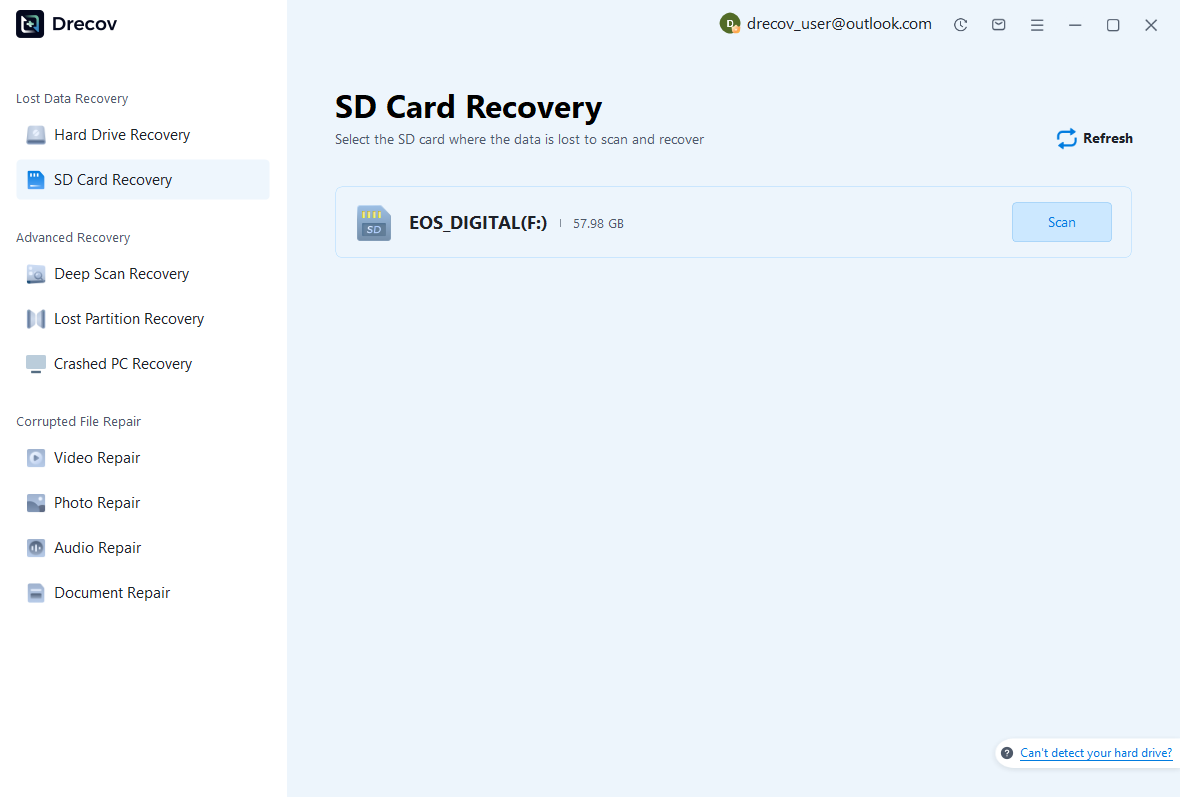
- Install Pandaoffice Drecov.
- Insert the SD card into the PC.
- Launch the software.
- Select the SD card.
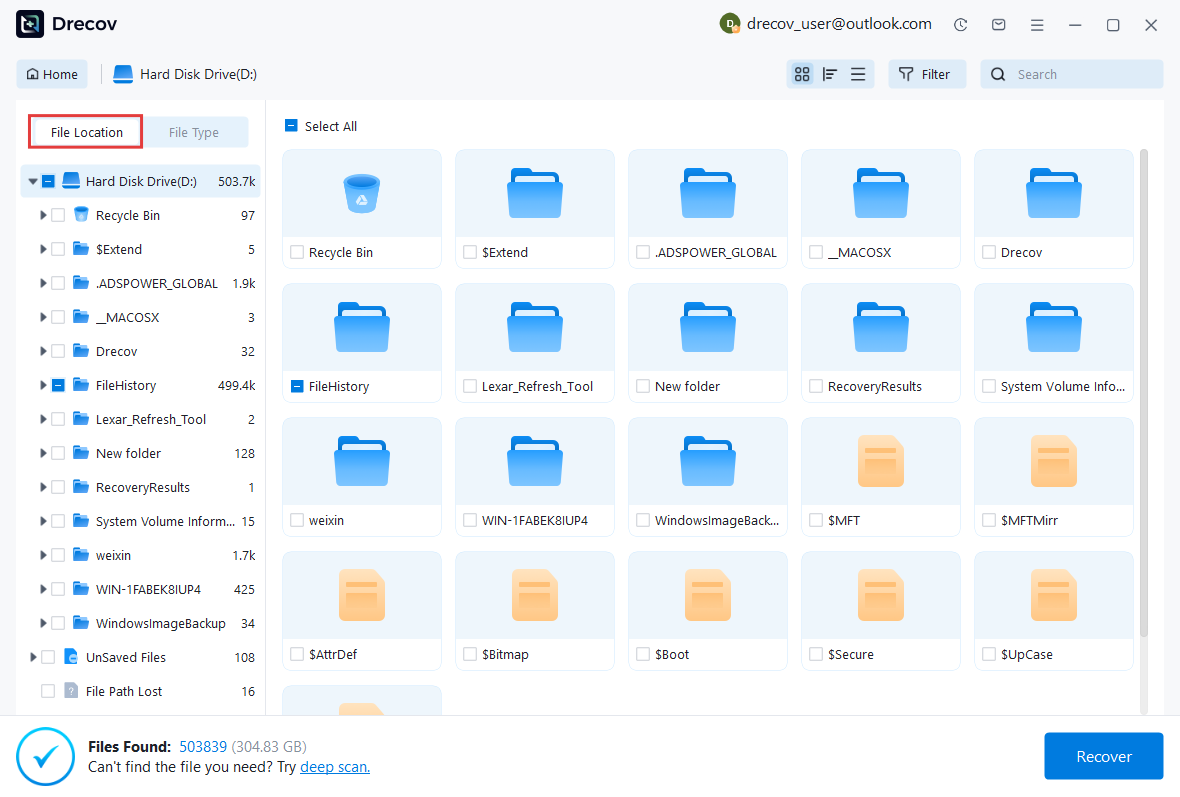
- Start a deep scan.
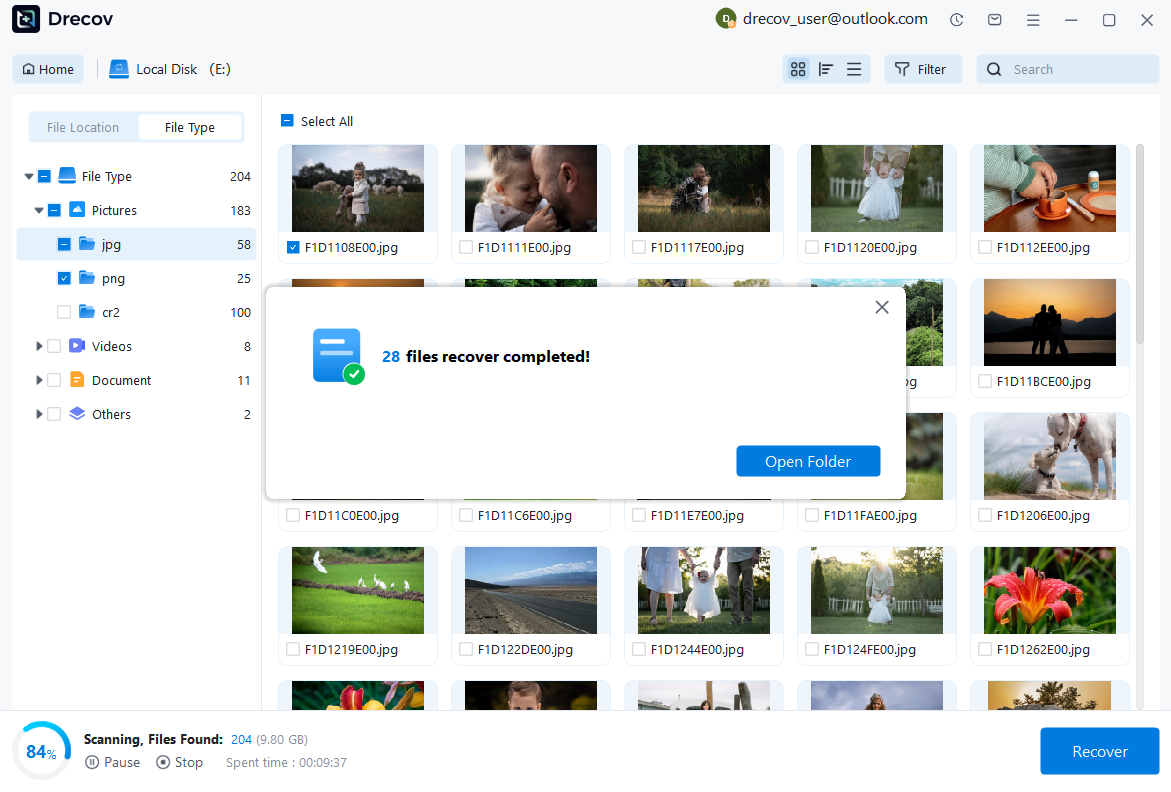
- Preview recoverable files.
- Save recovered data to another drive.
Pandaoffice Drecov can recover:
- Deleted files
- RAW partitions
- Formatted SD card data
- Corrupted media files
Recovering files before formatting greatly improves data protection.
Why Choose PandaOffice Drecov Recovery Software?
PandaOffice Drecov offers a fast, secure, and user-friendly solution for recovering lost files across multiple scenarios. Whether you need email recovery, ZIP File Recovery, format data recovery, or help to recover deleted drafts Outlook, the software provides reliable recovery performance for both personal and business users.
PandaOffice Drecov supports recovery from formatted hard drives, SSDs, USB drives, SD cards, and external storage devices. Its advanced scanning engine can locate deleted archives, damaged ZIP files, lost Outlook drafts, and accidentally removed documents with high accuracy. For users searching for how to find deleted messages in Teams, PandaOffice Drecov can also help recover exported chat files, attachments, and related local cache data when available.
Key advantages include:
- Deep scan technology for complex data loss situations
- Support for emails, archives, videos, photos, and office documents
- Recovery from accidental deletion, formatting, corruption, and system crashes
- Easy preview before restoring files
- Compatible with Windows and multiple storage devices
Unlike complicated enterprise recovery tools, PandaOffice Drecov keeps the recovery process simple. Users can scan, preview, and restore files in just a few steps without technical expertise.
Whether you are dealing with lost Outlook drafts, corrupted ZIP archives, formatted drives, or missing communication data, PandaOffice Drecov provides an efficient and practical recovery experience designed to minimize downtime and protect important files.
How to Format an SD Card to exFAT on Windows
Windows offers multiple built-in tools for formatting SD cards to exFAT.
Format the SD Card Using File Explorer
This is the simplest method for most users.
Test environment:
- Windows 11 Pro
- Kingston Canvas Select Plus 128GB card
- USB-C card reader
Steps:
- Insert the SD card.
- Open File Explorer.
- Locate the SD card.
- Right-click the drive.
- Select “Format.”
- Choose “exFAT” under File System.
- Enable Quick Format if desired.
- Click “Start.”
After formatting finishes, reconnect the card to verify accessibility.
Use Disk Management to Format the SD Card
Disk Management provides additional partition controls.
Steps:
- Press
Windows + X. - Select “Disk Management.”
- Locate the SD card partition.
- Right-click the partition.
- Choose “Format.”
- Select exFAT.
- Confirm the formatting process.
This method is useful when File Explorer cannot display the SD card correctly.
⚠️Warning: Ensure the correct disk is selected before formatting.
Format an SD Card to exFAT Using DiskPart
DiskPart is a command-line utility capable of rebuilding damaged partitions and formatting storage devices manually.
Clean and Rebuild the SD Card Partition
DiskPart is effective when standard formatting fails.
Test environment:
- Windows 10 Version 22H2
- PNY 256GB SDXC card
- USB 3.0 adapter
Steps:
- Open Command Prompt as administrator.
- Type:
diskpart - Enter:
list disk - Identify the SD card number.
- Run:
select disk X clean create partition primary format fs=exfat quick assign - Replace
Xwith the correct disk number.
After completion, the SD card should appear as an exFAT drive.
Advantages of Using DiskPart
DiskPart can:
- Remove corrupted partitions
- Fix RAW drives
- Rebuild inaccessible storage structures
- Format unrecognized SD cards
Advanced users often prefer DiskPart for troubleshooting stubborn formatting issues.
⚠️Warning: The “clean” command completely removes all partition information from the selected drive.
How to Format an SD Card to exFAT on Mac
Mac users can format SD cards using Disk Utility.
Use Disk Utility to Select exFAT
Disk Utility provides a graphical interface for storage management.
Test environment:
- macOS Sonoma
- SanDisk Extreme Pro SDXC card
- USB-C hub
Steps:
- Insert the SD card into the Mac.
- Open Disk Utility.
- Select the SD card from the sidebar.
- Click “Erase.”
- Choose:
- Format: exFAT
- Scheme: Master Boot Record (optional)
- Confirm the process.
The SD card should become compatible with both Windows and macOS after formatting.
Choose the Correct Partition Scheme
Partition schemes influence compatibility.
Common options:
- GUID Partition Map
- Master Boot Record
- Apple Partition Map
For maximum cross-platform compatibility, many users select Master Boot Record with exFAT formatting.
How to Format an SD Card to exFAT on Android Devices
Many Android phones allow users to format portable storage directly through system settings.
Format Portable Storage Through Android Settings
Modern Android devices support exFAT formatting for SDXC cards.
Test environment:
- Android 14 smartphone
- 128GB microSDXC card
- Internal phone SD slot
Steps:
- Open Settings.
- Tap “Storage.”
- Select the SD card.
- Choose “Format” or “Erase SD card.”
- Confirm formatting.
Depending on the manufacturer, Android may automatically apply exFAT to larger cards.
Use the SD Card as Portable or Internal Storage
Android devices sometimes offer two storage modes:
- Portable storage
- Internal storage
Portable storage:
- Works across multiple devices
- Uses standard file systems like exFAT
Internal storage:
- Encrypts the card
- Limits compatibility with other devices
Users should choose the option matching their usage needs.
⚠️Warning: Formatting as internal storage may prevent the SD card from working on other devices.
Common Problems While Formatting SD Cards to exFAT
Formatting errors occasionally interrupt the process or prevent successful completion.
Windows Cannot Complete the Format
This error may occur because of:
- Write protection
- Corrupted partitions
- Bad sectors
- Faulty card readers
Test environment:
- Windows 11 Home
- Toshiba 64GB SD card
- USB external reader
Possible fixes:
- Use DiskPart
- Change the card reader
- Disable write protection
- Scan for bad sectors
Switching USB ports can also help stabilize the connection.
The exFAT Option Does Not Appear
Older Windows versions may not display exFAT for certain devices.
Possible reasons:
- Outdated operating system
- Unsupported SD card size
- Driver problems
Installing system updates often restores exFAT formatting support.
SD Card Becomes RAW After Formatting
A RAW partition indicates the file system was not created properly.
Solutions include:
- Reformatting with DiskPart
- Using another card reader
- Testing the card on another device
Persistent RAW errors may suggest hardware failure.
⚠️Warning: Repeated formatting attempts on a failing SD card may worsen damage.
Best File System Settings for Different Devices
Choosing the right formatting configuration improves performance and compatibility.
Best exFAT Settings for Cameras and Drones
Large media devices benefit from:
- exFAT formatting
- Default allocation unit size
- Quick formatting enabled
Test environment:
- 4K drone camera
- 256GB SDXC card
- Windows 10 formatting environment
This setup supports large continuous video recordings efficiently.
Recommended exFAT Settings for Gaming Consoles
Gaming systems such as Nintendo Switch often prefer:
- exFAT formatting
- Stable transfer speeds
- Reliable SDXC cards
Users should always update console firmware before using exFAT-formatted storage.
Allocation Unit Size Recommendations
Default allocation size works well in most cases.
However:
- Large media files may benefit from larger allocation units
- Small document storage may use smaller units more efficiently
Most users should leave allocation settings unchanged unless specific performance tuning is needed.
Frequently Asked Questions About exFAT SD Card Formatting
How to format sd card to exfat on Windows 11?
Insert the SD card, open File Explorer, right-click the card, select Format, choose exFAT, and start the formatting process.
How to format an sd card to exfat without losing data?
Formatting always risks data loss. Users should back up important files or recover inaccessible data before formatting.
Why should I use exFAT instead of FAT32?
exFAT supports files larger than 4GB and works better with modern high-capacity SDXC cards.
Can older devices read exFAT SD cards?
Some older cameras and operating systems may only support FAT32 formatting.
Is quick format enough for exFAT formatting?
Quick formatting is sufficient for most situations unless the SD card has serious corruption or bad sectors.
Can formatting repair an SD card?
Formatting can repair logical corruption and unsupported file systems, but it cannot fix physical hardware damage.
Final Thoughts on Formatting SD Cards to exFAT
Learning how to format sd card exfat properly helps users improve compatibility, support large file transfers, and restore corrupted storage devices safely. exFAT remains one of the best file systems for modern SDXC cards because it removes FAT32 limitations while maintaining broad device support.
Whether formatting through File Explorer, Disk Management, DiskPart, macOS Disk Utility, or Android settings, users should always back up important files before beginning the process. If corruption prevents access to stored data, recovery tools such as Pandaoffice Drecov can help restore files before formatting takes place.
Using reliable SD cards, safe removal practices, and proper formatting settings can also reduce future storage problems and extend device lifespan.





