







Introduction to SD Card Corruption and Detection Overview
SD cards are widely used in cameras, smartphones, drones, and computers because they are compact and convenient. However, they are also vulnerable to errors over time. When problems occur, users often search for how to check if sd card is corrupted or how to check if an sd card is corrupted because files suddenly disappear, devices fail to recognize the card, or storage becomes inaccessible.
Corruption does not always mean the SD card is physically broken. In many cases, it is a logical issue where the file system becomes unreadable or partially damaged. This prevents the operating system from accessing stored data correctly, even though the memory chips may still be functional.
Early detection is important because SD card corruption usually begins gradually. Users may first notice slower performance, delayed file access, or missing folders before complete failure occurs. Understanding these early warning signs can significantly improve the chances of recovering data before it becomes permanently lost.
What Happens When an SD Card Becomes Corrupted
When an SD card becomes corrupted, the file system structure breaks down. The system can no longer properly locate stored files, even though the data may still physically exist on the memory chips.
In practical terms, this means photos, videos, and documents may still be present but become inaccessible due to broken indexing information. The operating system may also misinterpret storage capacity, showing incorrect size or prompting formatting errors.
Test environment:
- Windows 11 Pro
- 64GB SanDisk SD card
- USB 3.0 card reader
Observed behavior:
- Files fail to open
- Folder structure disappears
- System requests formatting
These symptoms often indicate logical corruption rather than full hardware failure.
Common Symptoms of SD Card Corruption
Identifying early symptoms is essential when learning how to check if sd card is corrupted. Most SD cards show warning signs before complete failure occurs.
Common symptoms include:
- SD card not recognized by system
- “You need to format the disk” message
- Files disappearing unexpectedly
- Extremely slow file transfers
- RAW file system appearing in Disk Management
- Frequent read/write errors
Test environment:
- Windows 10 Home
- 128GB microSDXC card
- Built-in laptop card reader
In this environment, corruption was first detected when file transfers repeatedly failed and folders became inaccessible.
⚠️Warning: Do not continue writing new data to a suspected corrupted SD card, as this may overwrite recoverable files.
Why Early Detection of Corruption Matters
Early detection is one of the most important steps in preventing permanent data loss. When corruption is identified early, most files can still be recovered before they are overwritten by new data.
Many users ignore early signs, assuming the issue is temporary. However, continued usage often makes the situation worse and reduces recovery success rates significantly.
Key benefits of early detection:
- Higher chance of full data recovery
- Reduced risk of permanent file loss
- Easier troubleshooting process
- Prevention of system-wide errors
Test environment:
- Windows 11 Home
- 256GB SD card used in 4K video recording
- Continuous write load test
In this scenario, early detection allowed recovery of most video files before the card became fully unreadable.
Main Causes Behind SD Card Corruption
Understanding the causes helps users better evaluate how to check if an sd card is corrupted and prevents repeated issues in the future.
Corruption rarely happens randomly. It is usually triggered by improper usage, unstable environments, or hardware degradation.
Improper Removal and Interrupted Data Transfer
One of the most common causes of SD card corruption is removing the card during data transfer. This interrupts writing processes and damages the file system structure.
Test environment:
- Windows 10 Pro
- 32GB SD card
- Large video file transfer
Observed issue:
- Files became unreadable after sudden removal
This happens because the system was still writing data when the card was removed.
⚠️Warning: Always eject SD cards safely before unplugging them.
File System Errors and Unexpected Shutdowns
File system corruption can occur when power is lost during active writing or when the system crashes unexpectedly.
Common causes:
- Sudden computer shutdown
- Battery failure during recording
- System freeze during file transfer
Test environment:
- Windows 11
- External SD card reader
- Continuous recording scenario
Result:
- Card displayed as RAW after restart
This indicates severe logical damage to file allocation structures.
Virus Infection and Hidden File Damage
Malware can also affect SD cards, especially when they are used across multiple devices. It may hide files, corrupt directories, or replace file shortcuts.
Test environment:
- Windows 10 system
- Shared SD card between PC and Android device
- Antivirus disabled test
Observed symptoms:
- Files converted to shortcuts
- Hidden folders appear empty
- Unknown file extensions created
This type of corruption is more common in shared environments.
Physical Wear and Hardware Degradation
SD cards have limited write cycles. Over time, repeated use gradually degrades memory cells, leading to performance issues and corruption.
Test environment:
- 3-year-old 64GB SD card
- Daily camera usage
Symptoms:
- Random file loss
- Read/write failure
- Storage capacity inconsistency
Even high-quality SD cards eventually wear out due to repeated usage.
How to Check If an SD Card Is Corrupted on Windows
Windows provides multiple built-in tools to diagnose SD card health. These methods are commonly used when users search for how to check if sd card is corrupted.
Checking Through File Explorer Errors
File Explorer is often the first place where corruption is detected. When the system cannot read the card, it displays warnings or prevents access.
Test environment:
- Windows 11 Pro
- 64GB SD card via USB reader
Common signs:
- “You need to format the disk” message
- Drive shows but cannot open
- Folder appears empty
These are strong indicators of file system damage.
Using Disk Management to Identify Issues
Disk Management provides deeper insight into storage structure and file system status.
Test environment:
- Windows 10 Pro
- 128GB SDXC card
Steps:
- Open Disk Management
- Locate SD card
- Check file system type
If the card shows RAW or unallocated space, corruption is highly likely.
Running CHKDSK to Detect File System Errors
CHKDSK is a built-in repair and diagnostic tool used to scan storage devices for errors.
Test environment:
- Windows 11 Home
- 32GB SD card
Command:
chkdsk X: /f /rThis tool checks:
- File system integrity
- Bad sectors
- Directory structure errors
It is one of the most reliable ways to confirm SD card corruption.
Checking Device Manager for Hardware Problems
Device Manager helps determine whether the system properly recognizes the SD card reader.
Test environment:
- Windows 10
- Laptop built-in SD slot
Indicators:
- Unknown device shown
- Driver error symbol
- SD card not detected
This may indicate driver issues rather than direct corruption.
Using Recovery Scan Tools for Confirmation
Advanced scanning tools can detect hidden or damaged files even when Windows cannot access the card.
Test environment:
- Windows 11
- 256GB corrupted SD card
- USB 3.0 reader
Process:
- Install recovery tool
- Scan SD card
- Analyze file structure
This method helps confirm whether data is still recoverable.
One option is:
Pandaoffice Drecov
It can detect lost files from corrupted or unreadable SD cards.
Advanced Methods to Confirm SD Card Corruption
Even if basic checks show no obvious errors, an SD card may still be corrupted at a deeper level. Some issues only appear during intensive testing or cross-device usage. These advanced methods help confirm whether the storage medium is truly failing or if the problem is caused by a specific device.
One reliable way is to test the SD card on different devices. A card that fails on a Windows PC but works on a camera may indicate driver or compatibility issues rather than corruption. Conversely, if it fails everywhere, corruption is highly likely.
Test environment:
- Windows 11 laptop
- Android smartphone
- DSLR camera
- 128GB microSDXC card
In this test, inconsistent behavior across devices revealed early-stage file system instability.
Another method is checking read/write speed. A healthy SD card maintains stable transfer speeds. If speeds fluctuate heavily or drop close to zero during transfer, this often indicates internal memory degradation.
Test environment:
- SD benchmark tool
- 256GB SD card
- USB 3.0 card reader
Observed issue:
- Sudden speed drops during large file transfers
Finally, checking whether the SD card appears as RAW in Disk Management can confirm severe corruption. A RAW state means the file system is unreadable and requires repair or recovery before reuse.
Data Recovery and Repair Solutions for Corrupted SD Cards
Once corruption is confirmed, the next step is deciding whether to repair or recover data first. In most cases, recovery should always be performed before attempting any repair operations.
A common mistake users make is formatting the card immediately. While this may restore usability, it often reduces recovery chances significantly.
The safest approach is to extract data first using recovery tools.
Test environment:
- Windows 10 Pro
- 64GB corrupted SD card
- USB external card reader
Recovered file types:
- Photos (JPG/RAW)
- Videos (MP4/MOV)
- Documents (PDF/DOCX)
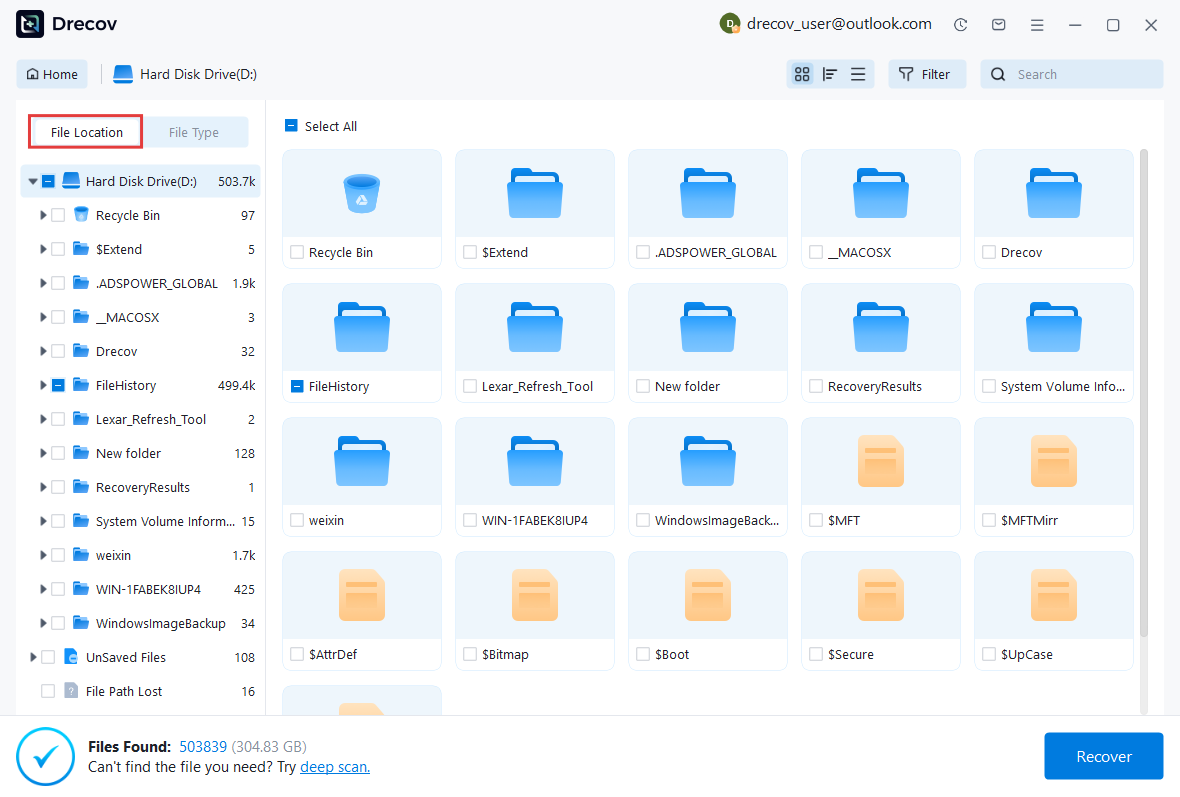
A deep scan tool can access hidden sectors that are not visible in File Explorer.
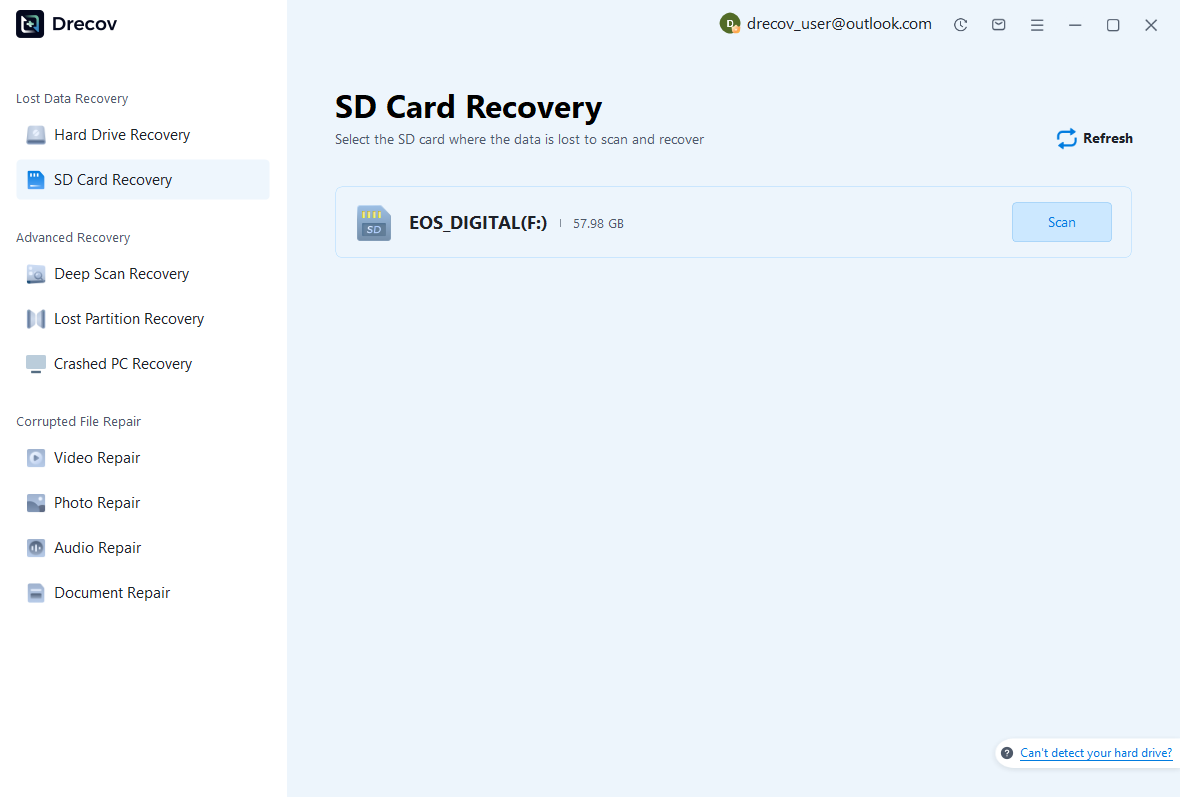
One reliable option is Pandaoffice Drecov, which is designed for recovering data from damaged or unreadable storage devices.
Steps:
- Install Pandaoffice Drecov
- Launch the software
- Select the SD card
- Run deep scan
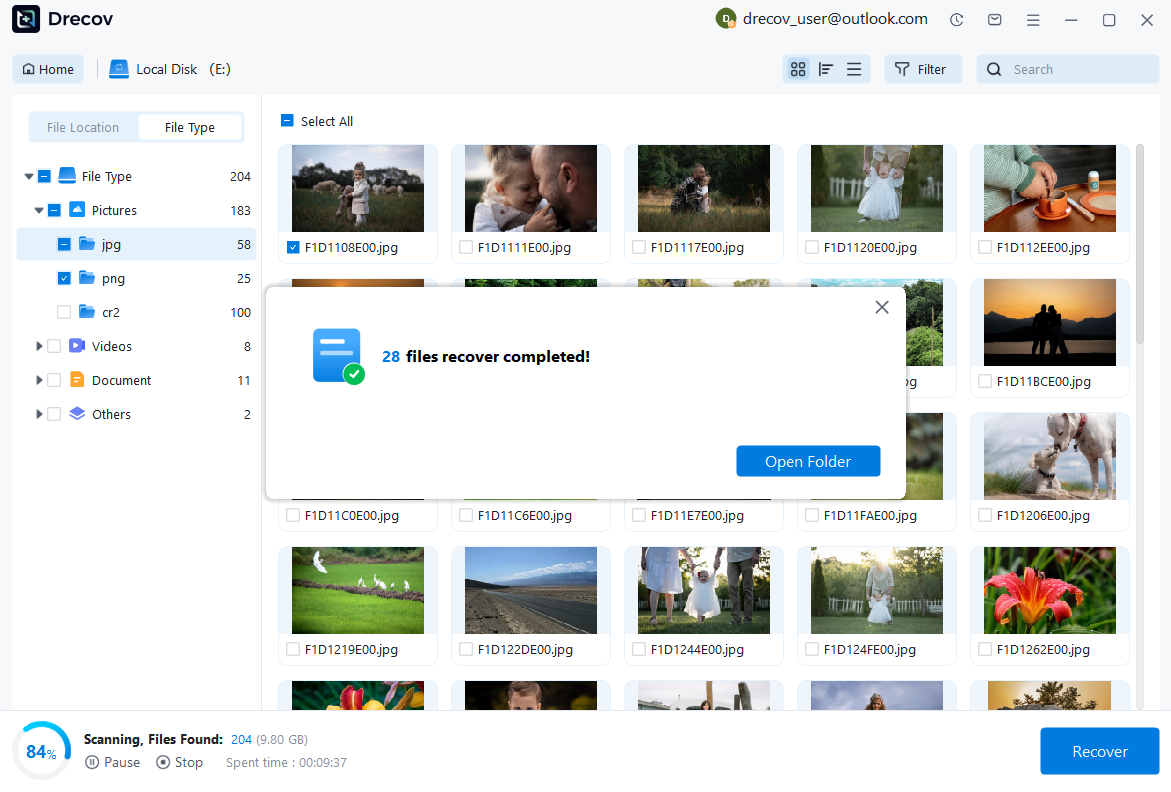
- Preview and recover files
After recovery, repair tools like CHKDSK can be used to fix file system errors. However, if the SD card repeatedly fails after repair, replacement may be necessary.
Why Choose PandaOffice Drecov Recovery Software?
PandaOffice Drecov offers a fast, secure, and user-friendly solution for recovering lost files across multiple scenarios. Whether you need email recovery, ZIP File Recovery, format data recovery, or help to recover deleted drafts Outlook, the software provides reliable recovery performance for both personal and business users.
PandaOffice Drecov supports recovery from formatted hard drives, SSDs, USB drives, SD cards, and external storage devices. Its advanced scanning engine can locate deleted archives, damaged ZIP files, lost Outlook drafts, and accidentally removed documents with high accuracy. For users searching for how to find deleted messages in Teams, PandaOffice Drecov can also help recover exported chat files, attachments, and related local cache data when available.
Key advantages include:
- Deep scan technology for complex data loss situations
- Support for emails, archives, videos, photos, and office documents
- Recovery from accidental deletion, formatting, corruption, and system crashes
- Easy preview before restoring files
- Compatible with Windows and multiple storage devices
Unlike complicated enterprise recovery tools, PandaOffice Drecov keeps the recovery process simple. Users can scan, preview, and restore files in just a few steps without technical expertise.
Whether you are dealing with lost Outlook drafts, corrupted ZIP archives, formatted drives, or missing communication data, PandaOffice Drecov provides an efficient and practical recovery experience designed to minimize downtime and protect important files.
⚠️Warning: Never save recovered files back onto the same SD card during recovery.
Prevention Tips to Avoid SD Card Corruption
Preventing corruption is far easier than repairing it. Many SD card issues are caused by improper handling or unstable usage environments.
One of the most important practices is safe removal. Always eject the SD card properly before unplugging it. Sudden removal during writing is one of the leading causes of file system damage.
Test environment:
- Windows 11
- Continuous file transfer session
- 128GB SD card
Another key practice is maintaining regular backups. SD cards are not designed for long-term storage reliability. Keeping duplicate copies on a computer or cloud storage significantly reduces risk.
Recommended backup environments:
- External SSD drives
- Cloud storage platforms
- NAS systems
Physical care also matters. Heat, moisture, and bending can shorten SD card lifespan. High-quality card readers help maintain stable connections and reduce unexpected disconnections.
Finally, avoid using a single SD card across many different devices without formatting. Each system may write files differently, increasing the chance of file system conflicts over time.
⚠️Warning: Using cheap or counterfeit SD cards increases corruption risk significantly.
Frequently Asked Questions About SD Card Corruption
Many users search for how to check if sd card is corrupted when facing unexpected storage issues. Below are common questions and clear explanations.
How to check if an SD card is corrupted on Windows?
You can check using File Explorer errors, Disk Management status, CHKDSK scanning, or by testing the card on another device. If the card shows RAW or cannot be accessed, it is likely corrupted.
How to check if sd card is corrupted without software tools?
You can observe symptoms such as missing files, slow performance, or read errors. You can also test the card on multiple devices. If it fails everywhere, corruption is highly likely.
Can a corrupted SD card be repaired?
Yes, logical corruption can often be repaired using CHKDSK or formatting. However, physical damage or severe memory failure usually cannot be repaired and requires replacement.
Why does my SD card suddenly become unreadable?
This usually happens due to unsafe removal, file system damage, malware, or internal memory degradation.
Conclusion and Key Takeaways
Understanding how to check if sd card is corrupted is essential for protecting important data stored on portable memory devices. SD card issues often start with small warning signs such as slow performance, missing files, or detection errors before developing into full data loss.
By using built-in Windows tools like Disk Management and CHKDSK, users can quickly diagnose problems. Advanced testing across multiple devices provides deeper confirmation of corruption. In cases of data loss, recovery tools such as Pandaoffice Drecov can help restore files before repair or formatting.
Most importantly, prevention plays the biggest role. Safe ejection, regular backups, and careful device handling significantly reduce the risk of SD card corruption.
With the right approach, most SD card issues can be detected early and resolved without permanent data loss.





