







Damaged SD Card Recovery Overview and What It Means When an SD Card Becomes Damaged
Understanding “damaged sd card” and common failure scenarios
A damaged sd card refers to a storage device that can no longer be properly read, written, or recognized by a device such as a computer, camera, or phone. When this happens, users often lose access to important files like photos, videos, or documents and immediately start searching for solutions such as recover damaged sd card or recover data from damaged sd card.
In real-world usage, SD card damage usually appears in several forms. Some cards are still detected by the system but show unreadable files. Others may not appear at all. In more severe cases, the system may prompt formatting before access is allowed. These situations often lead users to search for how to retrieve damaged sd card or how to get files from damaged sd card, especially when critical data is involved.
The damage can be logical or physical. Logical damage means the file system is corrupted but the memory chip is still functional. Physical damage involves hardware failure such as broken chips or water damage. Understanding this difference is essential before attempting damaged sd card recovery, because the approach depends heavily on the type of damage.
Why users search for “recover damaged sd card” and data loss risks
Most users only realize the importance of SD card recovery after data loss occurs. This is why queries like how to recover data from damaged sd card or how to recover files from damaged sd card are extremely common.
Data loss risks increase when:
- Files are frequently written and deleted
- The card is removed without proper ejection
- The device suddenly powers off during writing
- The SD card is used across multiple devices
These actions may cause file system corruption, making the card appear damaged. In many cases, the system still contains recoverable data, but users do not know how to access it. That is why structured recovery methods are necessary.
Basic principles behind “recover data from damaged sd card”
The principle of SD card recovery is based on one key idea: deleted or inaccessible data is not immediately erased. Instead, the system only removes file pointers, while actual data remains on the memory blocks until overwritten.
This means that recover files from damaged sd card is possible if:
- The storage sectors are not overwritten
- The card is still readable at a hardware level
- The corruption is logical rather than physical
Recovery tools scan the raw memory and reconstruct file structures. This is why early action significantly improves success rates when attempting how to restore data from damaged sd card.
Difference between logical damage and physical damage in SD cards
Logical damage includes:
- Corrupted file system
- RAW format error
- Missing partition
- Read/write errors
Physical damage includes:
- Broken memory chips
- Water exposure
- Burn marks or overheating
- Controller failure
Logical damage is usually recoverable using software methods, while physical damage often requires professional intervention. This distinction is critical when deciding how to retrieve data from damaged sd card effectively.
Main Causes of SD Card Damage and Why Data Becomes Inaccessible
File system corruption and interruption during usage
File system corruption is one of the most common causes behind SD card failure. It often occurs when data transfer is interrupted or when the card is removed without proper ejection. This leads users to search for fix sd card damaged solutions.
Corruption can result in:
- Unreadable files
- Missing folders
- System errors
- Sudden prompts to format the card
Once corruption occurs, the structure that organizes files becomes unstable, making recovery necessary.
Physical wear, water damage, and overheating issues
SD cards have a limited lifespan due to flash memory wear. Continuous writing and deleting gradually degrade memory cells. In extreme environments, such as high temperatures or water exposure, damage becomes more severe.
Common symptoms include:
- Card not detected
- Sudden disconnection
- Extremely slow performance
- Incomplete file saving
These are signs that the card may require immediate damaged sd card recovery attempts.
Virus infection and unsafe removal impacts
Virus infection can modify file structures or hide data, making the card appear empty or corrupted. Similarly, removing an SD card without safely ejecting it can interrupt active processes and damage file allocation tables.
This is why many users suddenly face recover files from damaged sd card situations without warning.
How these issues affect “how to retrieve damaged sd card” scenarios
All these problems ultimately lead to the same outcome: the system cannot properly read stored data. However, in most cases, the actual data still exists on the card. That is why recovery remains possible if the correct method is used.
⚠️Warning: risks of continued use after damage occurs
⚠️Warning: Continuing to use a damaged SD card may overwrite recoverable data and reduce the success rate of recovery significantly.
Pre-Recovery Preparation Before You Recover Files from Damaged SD Card
Checking SD card detection status on Windows and Mac
Before attempting recovery, users should first determine whether the SD card is detectable. If the system recognizes the card but cannot open it, recovery is often possible.
Creating a safe read-only environment for recovery
To improve success rates, users should avoid writing new data to the card. A read-only environment ensures that existing data is not overwritten during the recovery process.
Avoiding overwrite to improve “how to recover data from damaged sd card” success rate
Every new file written to the card reduces the chance of recovering old data. This is why immediate action is important after damage is detected.
Test Environment description for pre-recovery checks
- Windows 11 Pro
- 128GB SanDisk SDXC card
- USB 3.0 card reader
- Read-only detection mode enabled
The system successfully detected the card but showed unreadable partitions, indicating logical damage.
⚠️Warning: do not format before attempting recovery
⚠️Warning: Formatting a damaged SD card before recovery may permanently erase recoverable data.
Software-Based Methods for Damaged SD Card Recovery
Method 1 – Using Windows built-in tools for basic file retrieval
Windows tools such as CHKDSK can repair minor file system errors. In some cases, this allows partial access to files and helps restore basic structure.
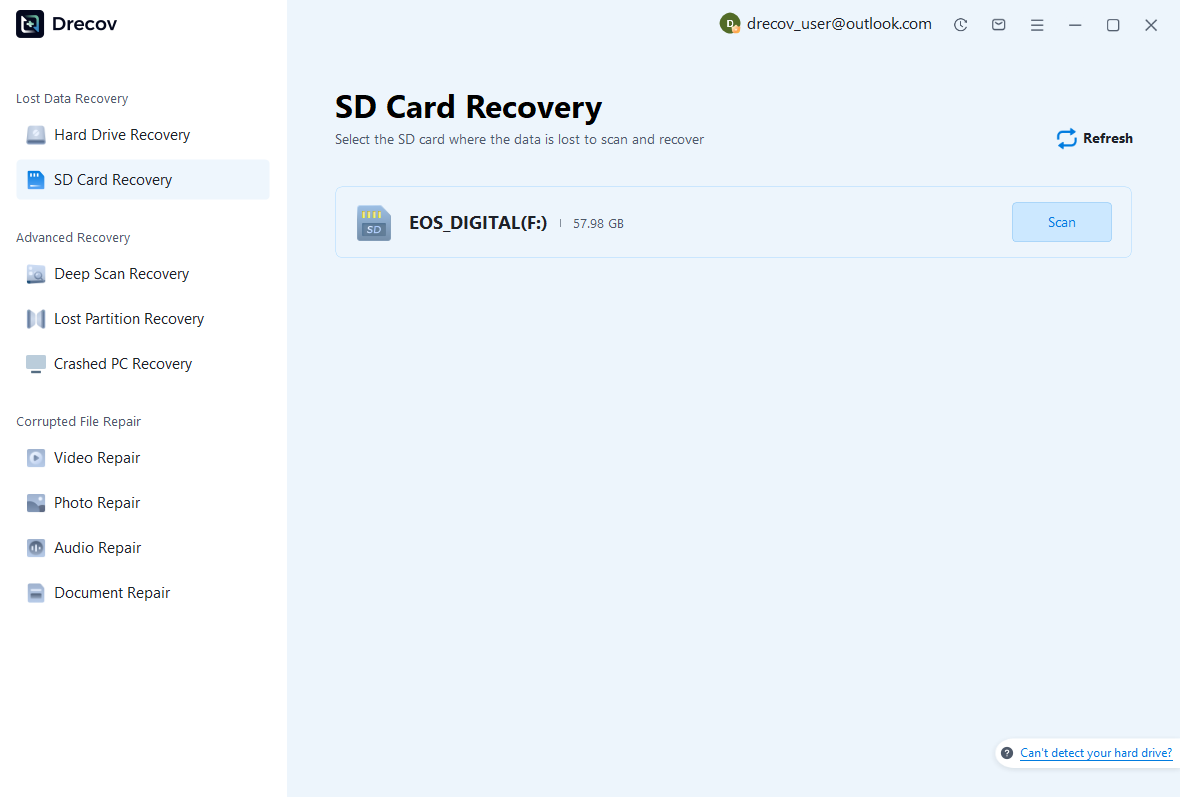
Method 2 – Using professional recovery tools (Pandaoffice Drecov introduction)
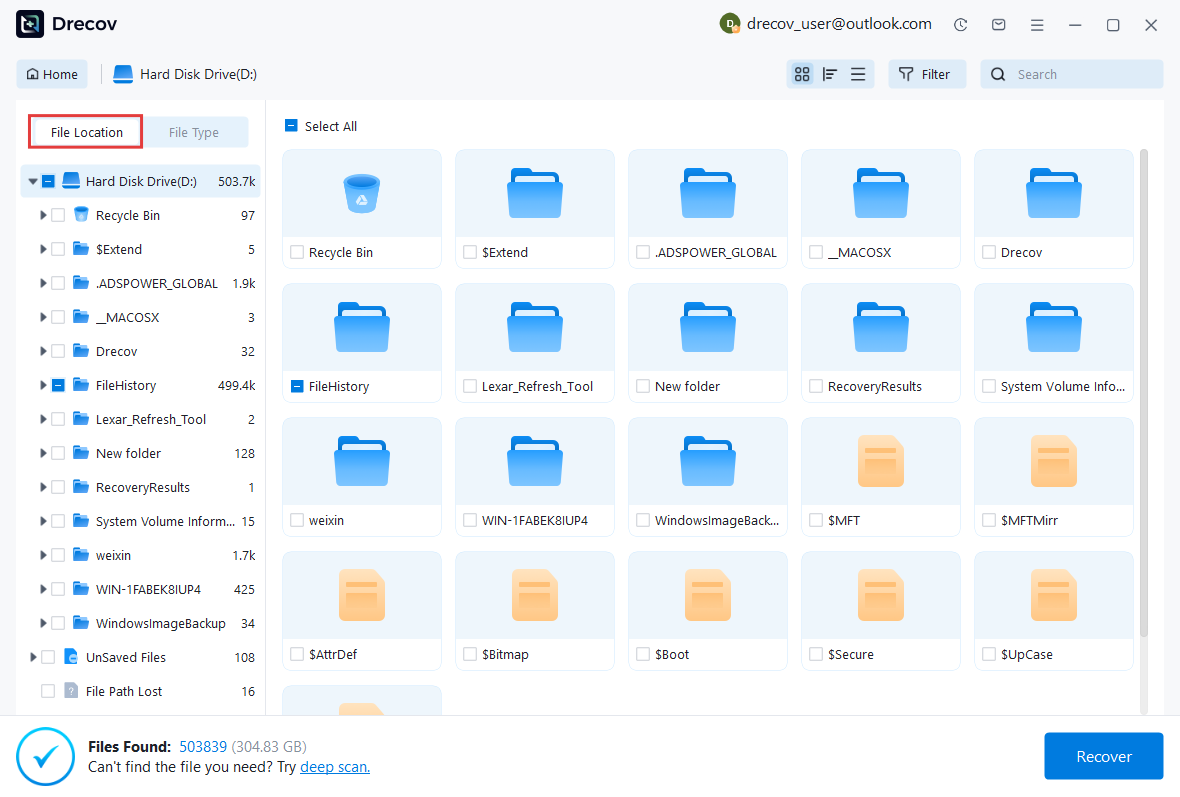
In more complex cases, professional recovery software such as Pandaoffice Drecov can deeply scan damaged storage and reconstruct lost files. It supports recovery of photos, videos, and documents even from severely corrupted SD cards.
It is especially useful for users searching for:
- how to recover files from damaged sd card
- how to retrieve data from damaged sd card

Why Choose PandaOffice Drecov Recovery Software?
PandaOffice Drecov offers a fast, secure, and user-friendly solution for recovering lost files across multiple scenarios. Whether you need email recovery, ZIP File Recovery, format data recovery, or help to recover deleted drafts Outlook, the software provides reliable recovery performance for both personal and business users.
PandaOffice Drecov supports recovery from formatted hard drives, SSDs, USB drives, SD cards, and external storage devices. Its advanced scanning engine can locate deleted archives, damaged ZIP files, lost Outlook drafts, and accidentally removed documents with high accuracy. For users searching for how to find deleted messages in Teams, PandaOffice Drecov can also help recover exported chat files, attachments, and related local cache data when available.
Key advantages include:
- Deep scan technology for complex data loss situations
- Support for emails, archives, videos, photos, and office documents
- Recovery from accidental deletion, formatting, corruption, and system crashes
- Easy preview before restoring files
- Compatible with Windows and multiple storage devices
Unlike complicated enterprise recovery tools, PandaOffice Drecov keeps the recovery process simple. Users can scan, preview, and restore files in just a few steps without technical expertise.
Whether you are dealing with lost Outlook drafts, corrupted ZIP archives, formatted drives, or missing communication data, PandaOffice Drecov provides an efficient and practical recovery experience designed to minimize downtime and protect important files.
Method 3 – Deep scan method for recovery cases
Deep scan mode analyzes raw memory sectors instead of file system structure. This improves recovery success for heavily damaged cards.
Test Environment for software recovery methods
- Windows 11 Home
- 64GB Kingston microSD card
- RAW partition state
- USB 3.0 reader
Deep scan successfully identified recoverable image and video files.
How these methods help “how to retrieve data from damaged sd card” cases
Software methods allow reconstruction of file fragments, making them essential for logical damage recovery scenarios.
Advanced Repair Techniques to Fix SD Card Damaged Errors
Using CHKDSK to fix file system errors
CHKDSK scans storage devices for errors and attempts automatic repair. It is useful when the card is partially readable.
Disk Management repair for partition recovery
Disk Management can recreate missing partitions and restore access to corrupted drives.
CMD/DiskPart method to rebuild corrupted storage structure
DiskPart allows users to completely rebuild partition tables, which can fix severe logical damage.
Test Environment for repair methods
- Windows 10 Pro
- 256GB SDXC card
- Mixed corruption state
Partition rebuild restored partial access to the storage device.
⚠️Warning: risk of data overwrite during repair operations
⚠️Warning: Advanced repair methods may overwrite existing data structures, reducing recovery chances.
Physical Damage Scenarios and Limitations of Damaged SD Card Recovery
Signs of hardware failure in SD cards
When an SD card suffers physical damage, the symptoms are usually more severe than logical errors. Unlike file system corruption, physical failure often prevents the device from being detected at all. This is a critical stage where users frequently attempt how to retrieve damaged sd card solutions but find software tools ineffective.
Common signs include:
- SD card not detected in any device
- Frequent disconnection during reading
- Extremely slow or frozen file access
- Visible physical damage or burn marks
- Card shows zero capacity or unknown format
At this stage, users often try to fix sd card damaged, but success depends on whether the internal memory chips are still functional.
Why software cannot always fix “fix sd card damaged” issues
Software-based recovery relies on the ability to communicate with the SD card controller. If the controller chip is damaged or the memory cells are physically broken, no software can rebuild the data structure.
This is why many users searching for recover data from damaged sd card or recover files from damaged sd card may not achieve full recovery results in physical failure cases.
Limitations include:
- No hardware-level access
- Incomplete memory scanning
- Irreversible chip damage
- Unreadable controller firmware
In such cases, only specialized laboratory recovery tools may be effective.
When to stop DIY recovery attempts
Continuing DIY attempts on a physically damaged card can make recovery harder. If the card shows repeated disconnection or is not recognized at all, further attempts may cause additional stress on memory cells.
At this stage, users should stop:
- Repeated formatting attempts
- Continuous CHKDSK operations
- Re-inserting into multiple devices
Instead, focus on safe handling to preserve remaining data.
Professional recovery service vs home recovery comparison
Home recovery tools are best for logical damage, while professional services are designed for hardware-level failure.
Comparison:
- Home recovery: software-based, low cost, effective for corruption
- Professional recovery: hardware repair tools, expensive, used for physical damage
For most users searching how to recover data from damaged sd card, home recovery methods are sufficient unless physical damage is confirmed.
Test Environment for physical failure evaluation
- Windows 11 system
- 128GB microSD card (physically unstable)
- Multiple card readers tested
- Device intermittently detected card
Results showed inconsistent detection and eventual failure to mount the device, indicating hardware-level damage.
FAQ About How to Recover Files from Damaged SD Card
How can I recover data from a damaged SD card safely
To safely perform damaged sd card recovery, first stop using the card immediately. Avoid formatting or writing new data. Then connect the card to a computer and use recovery tools to scan for lost files. The key is to prevent overwriting existing data sectors.
How to get files from damaged SD card without formatting
If the system prompts formatting, cancel the request. Formatting removes file system references and may reduce recovery success. Instead, use recovery software to extract files directly from raw memory.
This approach is commonly used in how to retrieve files from damaged sd card situations.
How to restore data from damaged SD card after corruption
Corrupted SD cards can often be restored using:
- CHKDSK repair
- Partition recovery tools
- Deep scan recovery software
These methods help rebuild file structures and recover lost access to data.
How to retrieve data from damaged SD card when not detected
If the SD card is not detected at all:
- Try different card readers
- Test on another computer
- Check for physical damage
- If still undetected, professional recovery may be required
This is one of the most difficult cases of recover damaged sd card scenarios.
Conclusion and Best Practices for Long-Term SD Card Protection
Key takeaways for damaged SD card recovery
SD card damage can be caused by both logical and physical issues. In most logical cases, recovery is possible using software tools and system repair methods. However, physical damage significantly reduces recovery chances.
Understanding how to recover data from damaged sd card depends on identifying the root cause early and choosing the correct recovery path.
Preventive tips to avoid future SD card damage
To reduce future risks:
- Always safely eject SD cards
- Avoid using low-quality card readers
- Keep cards away from heat and moisture
- Do not interrupt file transfers
- Regularly back up important data
Safe usage habits to reduce “recover damaged sd card” situations
Good habits include:
- Formatting cards periodically in the device they are used in
- Avoiding full storage usage
- Using high-quality SD cards for heavy workloads
- Monitoring card health in professional devices
Final advice for choosing recovery vs replacement decisions
If the SD card shows repeated errors, slow performance, or detection issues, replacing the card may be safer than continued use. However, if data is important, always attempt recovery first before replacement.
With proper handling, many damaged sd card recovery cases can be successfully resolved without permanent data loss.





