







Understanding Why Your 3DS Cannot Read an SD Card
How the Nintendo 3DS Uses SD Cards
The Nintendo 3DS relies heavily on SD cards to store digital games, downloadable content, screenshots, themes, updates, and save-related data. When the system encounters an SD card problem, users may receive error messages such as 3DS could not detect an SD card, preventing access to important content.
Most original Nintendo 3DS and Nintendo 3DS XL models use standard SD cards, while New Nintendo 3DS systems often use microSD cards installed beneath the back cover. Because of these hardware differences, some users wonder, why does my 3DS not have a SD slot visible on the outside of the device. In many newer models, the storage slot is hidden behind the rear panel instead of being accessible externally.
The console communicates with the storage card every time it starts. If the card cannot be recognized, games, downloadable software, and personal data may become temporarily unavailable. Fortunately, most detection problems are caused by software errors, formatting issues, compatibility problems, or physical connection faults.
Understanding how the 3DS interacts with SD storage helps users identify the root cause more efficiently and apply the correct solution without risking data loss.
Symptoms of SD Card Detection Problems
When a storage issue occurs, the console may display several warning signs. The most obvious symptom is the message could not detect an SD card 3DS during startup. However, other indicators can appear before the error becomes permanent.
Common symptoms include:
- Missing installed games
- Failed software updates
- Black screen during startup
- Corrupted save data messages
- Slower system performance
- Random SD card disconnections
In some situations, the card functions intermittently. Users may restart the system and temporarily regain access before the issue returns. This behavior often indicates either poor card contact or early storage failure.
The problem may also appear after installing a new card, transferring data, modifying system files, or updating firmware. Because several causes can produce identical symptoms, accurate diagnosis is important before attempting repairs.
⚠️ Warning: Avoid repeatedly removing and reinserting the card while the system is powered on. Doing so may increase the risk of file corruption.
Common Reasons a 3DS SD Card Is Not Detected
Improper Card Formatting and File System Issues
One of the most common causes of sd card not detected 3DS errors is an unsupported file system. Nintendo 3DS systems typically require FAT32 formatting. Cards formatted as exFAT or NTFS may not function correctly.
Many users upgrade to larger storage cards and format them using default Windows settings. Unfortunately, modern operating systems often choose exFAT automatically for large-capacity cards. As a result, the console may fail to recognize the storage device.
File system corruption can also occur after interrupted transfers, sudden power loss, or improper ejection procedures. Even if the card appears functional on a computer, damaged file structures may prevent successful communication with the 3DS.
A formatting problem generally produces consistent detection failures across multiple system restarts. In some cases, a computer can still access the card even though the console cannot.
Test Environment
- Device: Nintendo 3DS XL
- SD Card: 64GB SanDisk Ultra
- Original Format: exFAT
- Operating System Used for Formatting: Windows 11
Verifying the file system is often one of the quickest diagnostic steps when troubleshooting storage recognition problems.
Physical Connection Problems and Hardware Wear
Another major cause of 3DS SD card not detected errors involves hardware-related issues. Dust, oxidation, bent pins, or worn connectors can interfere with communication between the console and the storage device.
SD cards are frequently inserted and removed during upgrades, backups, and troubleshooting. Over time, this repeated handling can cause physical wear. Even a small amount of debris inside the slot may prevent reliable contact.
Users should inspect both the card and the reader carefully. Visible scratches, damaged contacts, or contamination can contribute to detection failures. In addition, counterfeit or low-quality memory cards sometimes develop hardware problems much sooner than genuine products.
If the console only occasionally recognizes the card, hardware contact problems become a likely explanation. Testing with another compatible SD card can help isolate whether the issue originates from the card itself or the console.
Test Environment
- Device: New Nintendo 3DS XL
- Storage Card: 32GB microSD
- Condition: Intermittent Detection Failure
- Cause Identified: Dirty Contact Surface
⚠️ Warning: Never use excessive force when cleaning or inserting an SD card. Damaging the connector pins may create permanent hardware issues.
Methods to Fix 3DS SD Card Detection Errors
Method 1: Reinsert and Inspect the SD Card Properly
The simplest solution is often the most effective. If your 3DS not detecting SD card issue appeared suddenly, begin by powering off the system completely and removing the card.
Inspect the card for:
- Dirt accumulation
- Physical damage
- Bent edges
- Scratches on contact pins
Gently clean the metal contacts using a lint-free cloth. After cleaning, reinsert the card securely into the slot. Ensure it locks into place correctly and sits flush with the connector.
Once reinstalled, restart the console and verify whether the storage is recognized. Many temporary connection issues can be resolved through this process.
Testing another compatible SD card can also help determine whether the original card or the console hardware is responsible for the problem.
Test Environment
- Console: Nintendo 3DS
- Card Capacity: 16GB
- Cleaning Method: Microfiber Cloth
- Result: Successful Detection After Reinsertion
This approach requires only a few minutes and should always be performed before attempting more advanced repairs.
Method 2: Verify SD Card Compatibility
Not every memory card works properly with every 3DS model. Although many modern cards exceed 128GB or 256GB, compatibility varies depending on formatting and manufacturer specifications.
If you recently upgraded storage and encountered a could not detect SD card 3DS error afterward, verify whether the card meets Nintendo’s supported requirements.
Recommended checks include:
- Card capacity
- Card brand authenticity
- File system compatibility
- Adapter quality (for microSD cards)
Counterfeit cards frequently report larger capacities than they actually possess. When users transfer files beyond the real capacity, corruption and detection problems often occur.
Using reputable brands and purchasing from trusted retailers significantly reduces compatibility issues. Testing the card on another device can further confirm whether it operates normally.
Test Environment
- Console: New Nintendo 3DS
- Card Type: microSDXC
- Capacity: 128GB
- Verification Tool: Capacity Validation Utility
Compatibility testing eliminates many common storage problems before more invasive troubleshooting becomes necessary.
Method 3: Reformat the SD Card to FAT32
If hardware appears functional, formatting may resolve the issue. Many cases involving could not detect an SD card 3DS messages stem from unsupported file systems.
Before formatting:
- Back up all accessible data.
- Connect the card to a computer.
- Verify current file system type.
- Reformat the card as FAT32.
- Restore backed-up files.
Windows may require third-party formatting tools when working with larger cards because FAT32 options are not always available through the standard interface.
Formatting rebuilds the file structure and removes corruption that may prevent the console from reading storage properly.
Test Environment
- Device: Nintendo 3DS XL
- Card Capacity: 64GB
- Original File System: exFAT
- New File System: FAT32
- Result: Detection Restored
⚠️ Warning: Formatting erases all existing data. Always create backups before proceeding.
Method 4: Check for Corrupted Data and File Structure Errors
Even when a card remains readable on a computer, hidden file system corruption may prevent normal operation on the 3DS. Running diagnostic tools can identify and repair logical storage errors.
Windows users can perform disk checks through built-in utilities. These scans analyze directory structures, allocation tables, and storage sectors for inconsistencies.
If corruption is detected, the repair process may restore accessibility without requiring a full format. This method is particularly useful when users want to preserve existing data.
Test Environment
- Storage Type: 32GB SDHC Card
- Diagnostic Tool: Windows Error Checking
- Corruption Level: Minor Directory Errors
- Result: Card Accessible After Repair
File system repairs should be completed before considering more advanced recovery options.
Method 5: Update the Nintendo 3DS System Software
Outdated firmware can occasionally contribute to storage recognition issues. Although SD card errors are more commonly caused by formatting or hardware problems, updating the console software is still an important troubleshooting step.
System updates improve overall stability and may resolve compatibility issues involving newer SD cards, downloadable content, and storage management functions. If your console can still access the internet, check whether a system update is available.
To update the system:
- Connect the 3DS to a stable Wi-Fi network.
- Open System Settings.
- Navigate to Other Settings.
- Select System Update.
- Follow the on-screen instructions.
After the update completes, power off the console and reinsert the SD card. Then restart the system and check whether the storage device is recognized correctly.
Some users encounter 3DS not detecting SD card problems after years of using outdated firmware. While updates are not guaranteed to fix every issue, they eliminate software incompatibility as a potential cause.
Test Environment
- Console: Nintendo 3DS XL
- Firmware Version Before Update: 11.12
- Firmware Version After Update: Latest Available Release
- SD Card Capacity: 32GB
- Result: Improved System Stability
Updating the operating system should always be considered part of a complete troubleshooting process.
Method 6: Recover Lost SD Card Data Using Pandaoffice Drecov
In some situations, fixing the card is only part of the problem. Users may also discover missing screenshots, game files, downloaded content, or transferred data after storage corruption occurs.
If important files disappear during troubleshooting, Pandaoffice Drecov can help recover data from damaged, formatted, or inaccessible SD cards. The software scans storage devices for recoverable files and allows users to restore lost content before attempting more aggressive repair procedures.
Typical recovery steps include:
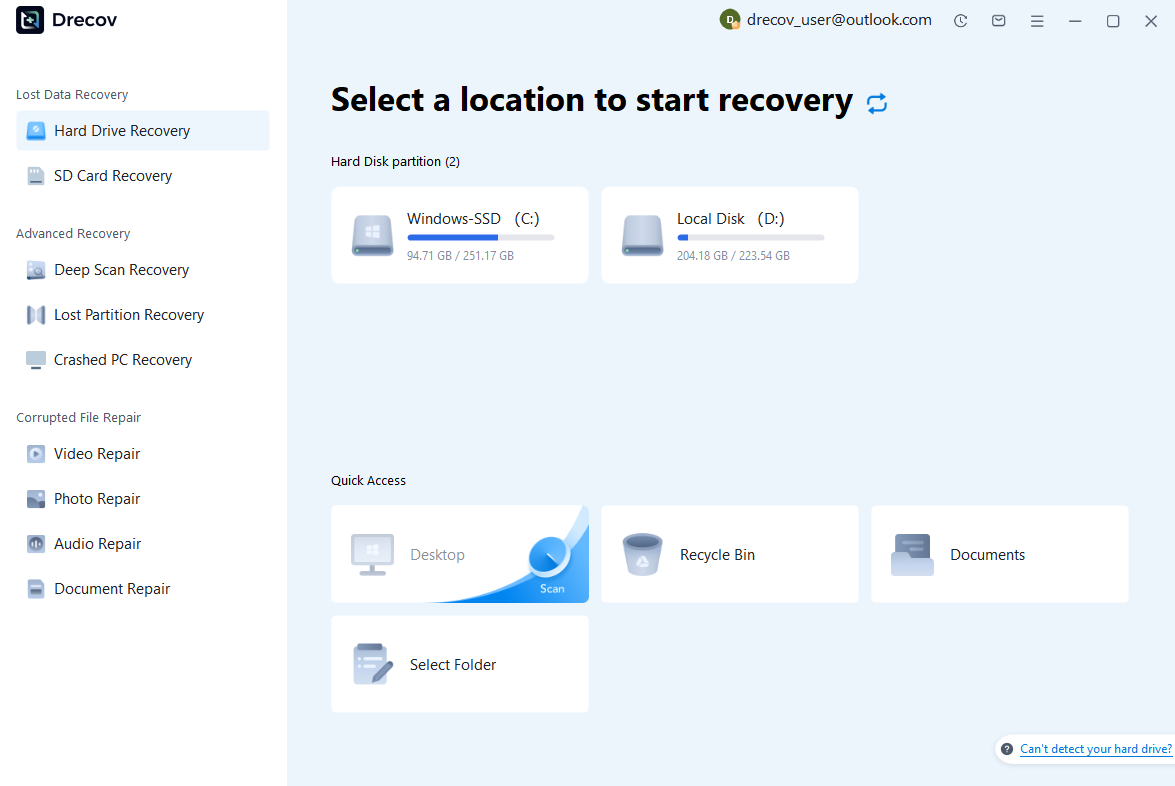
Step 1: Connect the Drive / USB)
Connect your device (SD card, HDD/SSD, or USB drive) to your computer and launch PandaOffice Drecov. Select the target device and start the scan. The software will perform a quick scan and deep scan to detect lost or deleted data.
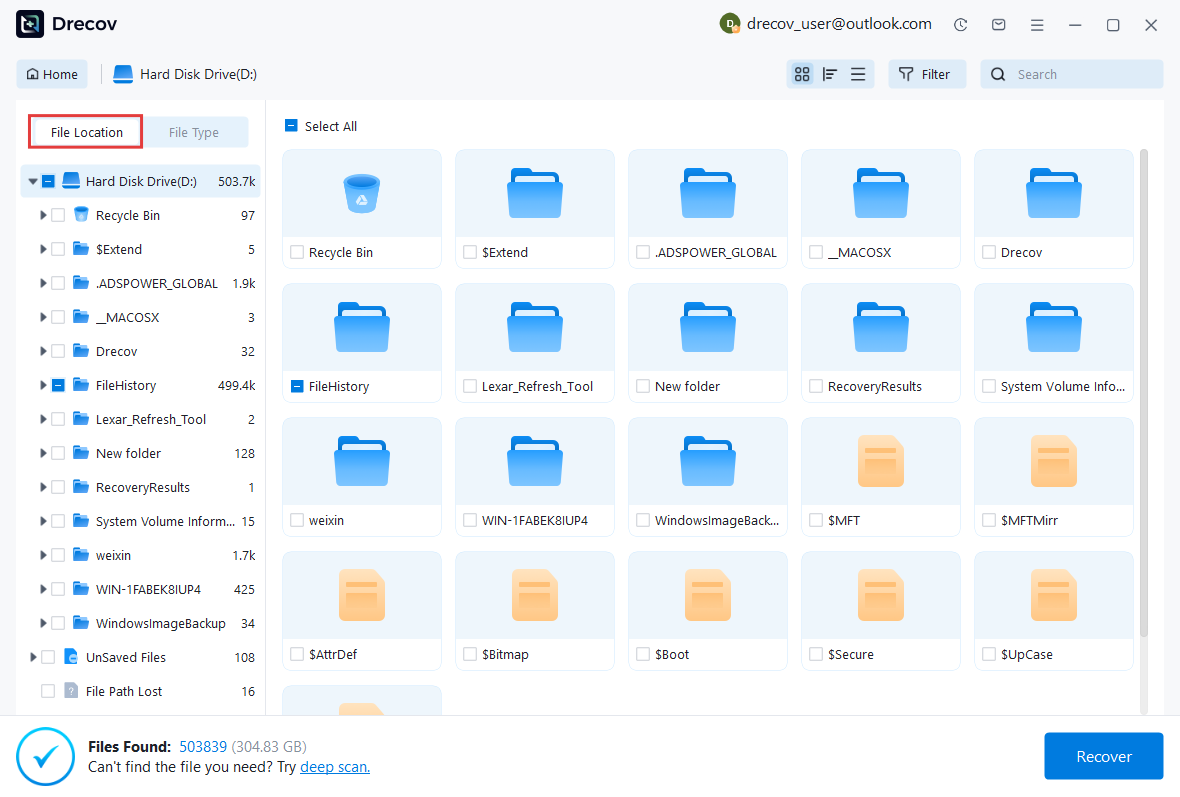
Step 2: Locate and Preview Lost Files
After scanning, browse the detected files and use the preview feature to check recoverable data. You can preview documents (Word, Excel, PDF), photos, and videos to ensure file integrity before recovery.
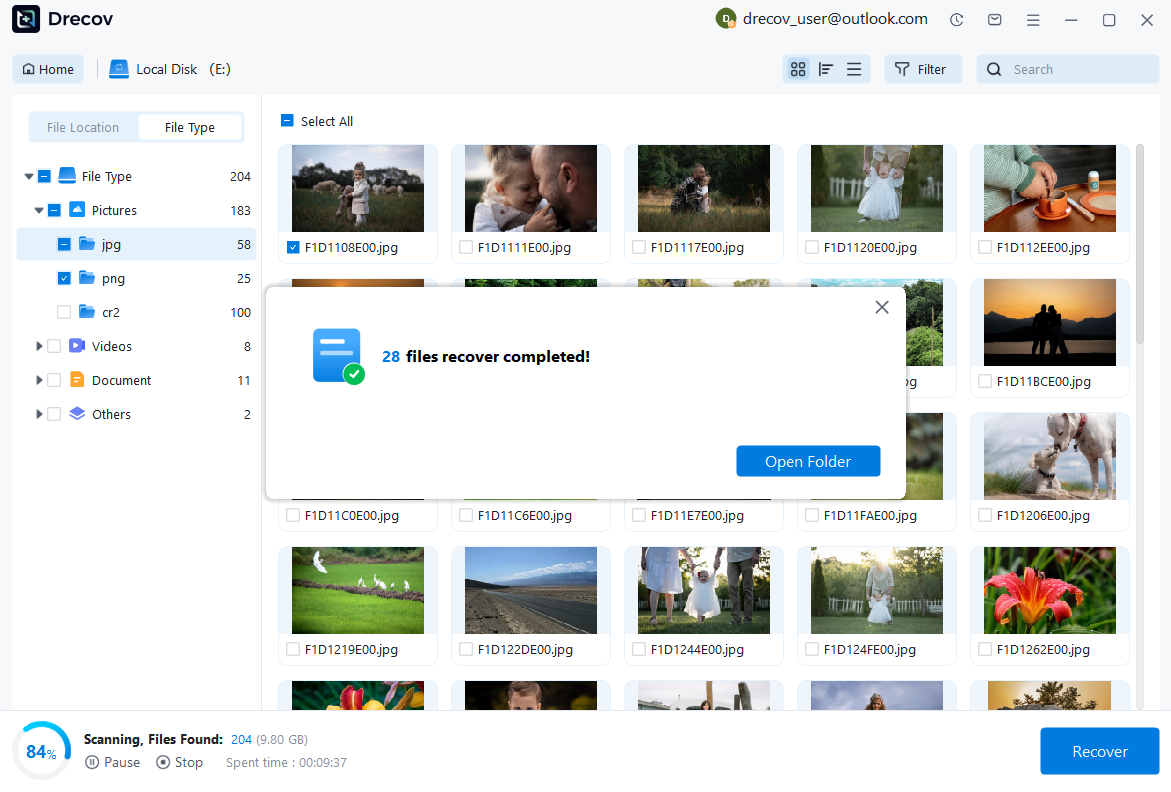
Step 3: Recover and Save to a New Location
Select the files you want to restore and click recover. Save all recovered data to a different drive or location (not the original device) to avoid overwriting lost data.
Why Choose PandaOffice Drecov Recovery Software?
PandaOffice Drecov offers a fast, secure, and user-friendly solution for recovering lost files across multiple scenarios. Whether you need email recovery, ZIP File Recovery, format data recovery, or help to recover deleted drafts Outlook, the software provides reliable recovery performance for both personal and business users.
PandaOffice Drecov supports recovery from formatted hard drives, SSDs, USB drives, SD cards, and external storage devices. Its advanced scanning engine can locate deleted archives, damaged ZIP files, lost Outlook drafts, and accidentally removed documents with high accuracy. For users searching for how to find deleted messages in Teams, PandaOffice Drecov can also help recover exported chat files, attachments, and related local cache data when available.
After recovery, test the file again. If the audio stream was damaged because of storage issues, a recovered version may play normally.
This method is particularly useful when only a few files exhibit audio problems while VLC works correctly with all other media.
This method can help users recover files from floppy disk storage after accidental deletion, formatting, or logical corruption.
This approach is especially useful when a card becomes unreadable or requires formatting. Recovering files before repair minimizes the risk of permanent data loss.
Test Environment
- Storage Device: 64GB SDXC Card
- Issue: Corrupted File System
- Operating System: Windows 11
- Scan Mode: Deep Scan
- Result: Recovery of Photos and Exported Files
⚠️ Warning: Save recovered files to a different storage device. Writing new data to the affected card may overwrite recoverable content.
Method 7: Test with Another SD Card
If previous methods fail, testing a different memory card is one of the most effective ways to identify the source of the problem.
A replacement card allows users to determine whether the original card has failed or whether the console itself is experiencing hardware issues. Use a known-working SD card that meets Nintendo’s compatibility requirements and insert it into the system.
If the new card functions normally, the original card is likely damaged, corrupted, counterfeit, or incompatible. If the replacement card also fails to work, the issue may involve the card reader or another internal component.
Users experiencing 3DS SD card not detected errors often overlook this simple diagnostic technique. However, it can save significant troubleshooting time by quickly isolating the cause.
Recommended test cards include:
- Genuine SanDisk SD Cards
- Samsung EVO Series
- Kingston SDHC Cards
- Officially Supported Capacities
Test Environment
- Original Card: 64GB SDXC
- Test Card: 16GB SDHC
- Console: Nintendo 3DS XL
- Result: New Card Detected Successfully
This method provides a clear indication of whether storage media replacement is necessary.
Method 8: Check the SD Card Slot Location on Your 3DS Model
Many users search online asking, why does my 3DS not have a SD slot. This confusion usually occurs because different Nintendo 3DS models place the storage slot in different locations.
For example:
- Original Nintendo 3DS: External SD card slot
- Nintendo 3DS XL: External SD card slot
- New Nintendo 3DS XL: Internal microSD slot behind the back cover
- New Nintendo 3DS: Hidden microSD slot beneath the rear panel
Users unfamiliar with their specific model may mistakenly assume the system lacks a storage slot entirely. Before troubleshooting further, verify where the card reader is located on your device.
If using a New Nintendo 3DS variant, carefully remove the back cover according to Nintendo’s instructions and confirm that the microSD card is properly installed.
In some cases, users reporting could not detect an SD card 3DS simply discover that the card was not fully inserted after battery replacement or maintenance.
Test Environment
- Console: New Nintendo 3DS XL
- Storage Type: microSD
- Card Access Method: Rear Cover Removal
- Result: Loose Card Reinserted Successfully
Understanding the hardware design helps prevent unnecessary repairs and confusion.
Frequently Asked Questions About 3DS SD Card Problems
Why Does My 3DS Not Have a SD Slot?
Certain New Nintendo 3DS models use a hidden microSD card slot located behind the back cover rather than an external SD slot. This design often causes confusion for new users.
Why Does My Console Say 3DS Could Not Detect an SD Card?
The message 3DS could not detect an SD card may appear because of:
- Unsupported file systems
- Corrupted storage structures
- Hardware connection issues
- Faulty SD cards
- Dirty card contacts
- Compatibility problems
Systematic troubleshooting is usually required to identify the exact cause.
Can a Damaged SD Card Still Be Recovered?
Yes. If the card remains partially readable, recovery software may retrieve files before repair or replacement becomes necessary. Success rates depend on the extent of physical or logical damage.
How Do I Fix SD Card Not Detected 3DS Errors After Upgrading Storage?
First verify the card is formatted as FAT32 and is compatible with your console model. Many upgraded SDXC cards are shipped with exFAT formatting, which the 3DS does not support.
What Should I Do If None of the Solutions Work?
If every troubleshooting step fails, the console’s SD card reader may be defective. Professional repair or hardware replacement may be required to restore full functionality.
Conclusion
Encountering a could not detect SD card 3DS error can be frustrating, especially when important games, screenshots, or downloaded content become inaccessible. Fortunately, most storage detection issues can be resolved through systematic troubleshooting.
The most common causes include unsupported file systems, card corruption, dirty contacts, compatibility problems, and hardware-related faults. Users should begin with simple solutions such as reinserting the card, checking compatibility, and verifying formatting. More advanced options include repairing file system errors, updating firmware, testing replacement cards, and recovering important data before making major changes.
Understanding your console model is equally important. Many users searching why does my 3DS not have a SD slot eventually discover that their device stores the microSD card behind a removable panel rather than in an external slot.
By following the methods outlined in this guide, most users can successfully resolve SD card not detected 3DS issues while protecting valuable files from unnecessary loss. Regular backups, proper card maintenance, and using high-quality storage media will help prevent future problems and keep your Nintendo 3DS operating reliably.





