







Digital photos allow people to preserve important memories, record special moments, and store valuable visual information. However, many users encounter a frustrating issue where their pictures suddenly appear gray, partially gray, or completely black when opened.
This problem can happen with photos stored on computers, SD cards, cameras, smartphones, USB drives, and external hard drives. Sometimes only a small section of the image becomes gray, while other cases may cause the entire picture to become unreadable.
When users experience this issue, they often search for solutions to fix greyed-out pictures because they want to restore their images without losing quality. The cause of gray or black photos can vary. A damaged image file, incomplete transfer, unsupported format, faulty storage device, or software problem may all lead to display errors.
Some gray photos can be fixed with simple troubleshooting methods, such as changing the image viewer or updating related software. However, if the image data itself is corrupted, users may need advanced repair or recovery methods.
This guide explains why photos become gray or black and introduces practical ways to repair a corrupted picture that shows up half or full gray or black screen. It also covers how to recover important images when corruption or storage problems cause photo damage.
Understanding Why Pictures Become Gray or Black
Common Causes of Greyed-Out Pictures
There are several reasons why an image may appear gray, black, or partially damaged. In most cases, the problem occurs because the image data cannot be read or displayed correctly.
One of the most common causes is an interrupted file transfer. When photos are copied from cameras, smartphones, or SD cards, the process may fail because of sudden disconnection, power loss, or unstable connections. If the transfer stops before completion, the image file may become incomplete and display incorrectly.
Another frequent cause is photo corruption. Digital images contain detailed information about pixels, colors, compression, and file structure. If some of this information becomes damaged, the image viewer may only display part of the picture or show blank areas.
Storage device errors can also create gray or black photos. Memory cards, hard drives, and USB drives can develop bad sectors or file system problems that affect stored images.
In some situations, the problem is not the image itself but the software used to open it. An outdated viewer or unsupported image format may prevent the photo from being displayed properly.
Understanding the possible causes helps users choose the right solution instead of making unnecessary changes that could damage the file further.
Why Images Display Half Gray or Completely Black
A photo that appears half gray usually means that some parts of the image data are still readable while other sections are damaged. Image files contain different parts of information that work together to create the final picture. If a portion of this data is missing or corrupted, only part of the image may appear correctly.
For example, a JPEG photo may open normally at the top but show gray blocks or black sections at the bottom. This often happens because the image header remains intact while parts of the actual pixel data are damaged.
A completely black image usually indicates a more serious problem. The file may still be recognized as an image format, but the software cannot access enough usable information to display the content.
This issue can occur after several situations, including unsafe removal of storage devices, failed photo recovery attempts, interrupted editing processes, or damaged memory cards.
Sometimes users notice the problem only after moving pictures between devices. A photo that looked normal on a camera may appear corrupted after being copied to a computer.
If users are searching for how can i fix pictures half or full greyed out, identifying whether the issue affects one image or an entire group of photos is an important first step.
How Corrupted Image Files Affect Picture Display
Image corruption changes the internal structure of a photo file, making it difficult for image viewers to correctly interpret the stored information. Even a small amount of damaged data can affect how the picture appears.
JPEG files are especially sensitive because they use compression technology to reduce file size. When compressed image data is damaged, the photo may show missing areas, unusual colors, gray sections, or black screens.
Several situations can cause image corruption. For example, removing an SD card while a camera is still saving photos may interrupt the writing process. Similarly, shutting down a computer during file transfer can leave an incomplete image file.
Editing software problems may also damage photos. If an application crashes while saving an image, the final file may not contain all required information.
Storage problems are another major factor. Aging memory cards, damaged hard drives, and file system errors can affect the integrity of saved pictures.
Before attempting repairs, users should determine whether the problem is caused by the image file itself or another factor, such as the viewing software or storage device.
Solutions to Fix Greyed-Out Pictures on Windows
Open Pictures With a Different Image Viewer
Sometimes gray or black images are not actually damaged. The problem may come from the application used to open the file. Different image viewers use different decoding methods, and some programs may have compatibility issues with certain image formats.
Trying another image viewer is one of the easiest ways to check whether the problem comes from the photo or the software. For example, a picture that appears gray in one application may display correctly in another program.
This method is especially useful for images created by professional cameras or edited with advanced software. Some image formats contain additional information that older viewers may not fully support.
Users can try opening the photo with another built-in Windows application or a different compatible viewer. If the image appears normal elsewhere, the file is likely healthy.
Test environment:
- Operating system: Windows 11
- Image viewers tested: Windows Photos and alternative image viewers
- File formats tested: JPG, JPEG, PNG
- Storage location: Internal SSD
Changing the image viewer is a quick troubleshooting step before attempting more complicated repair methods. It helps users avoid unnecessary recovery operations when the issue is only related to software compatibility.
Update Image Viewer and Graphics Drivers
Outdated image applications or graphics drivers may sometimes cause pictures to display incorrectly. Image viewers depend on system components and graphics processing features to render photos properly.
If the photo application has compatibility problems or the graphics driver cannot process certain image information correctly, users may see gray areas, black screens, or incomplete previews.
Updating Windows, the image viewer, and graphics drivers can resolve these display-related problems. After installing updates, restarting the computer allows the system to apply the new configurations.
This solution is particularly useful when multiple images from different sources show similar display problems.
Test environment:
- Operating system: Windows 10
- Graphics hardware: Integrated graphics card
- Applications tested: Windows Photos
- Image types: JPG and PNG
Keeping system software updated improves compatibility with modern image formats and reduces the chance of display errors caused by outdated components.
Check Image File Format Compatibility
Another possible reason behind gray or black images is format compatibility. Some image files are created using specific camera settings, editing software, or compression methods that may not be fully supported by certain applications.
For example, photos taken with professional cameras may contain additional information that basic image viewers cannot process correctly. Similarly, converted or edited images may use encoding methods that create display problems in older software.
Checking the image format can help determine whether the issue is caused by compatibility rather than corruption. Users can try opening the file with software that supports the specific format.
Converting a copy of the image into another compatible format may also solve viewing problems in some cases.
Test environment:
- Operating system: Windows 11
- Image formats tested: JPG, JPEG, PNG, camera RAW files
- Storage source: Camera SD card
Before converting or editing a damaged image, users should keep the original file unchanged. Creating a copy ensures that the original photo remains available for future repair attempts.
Solutions to Fix Greyed-Out Pictures on Windows
Repair a Corrupted Picture That Shows Up Half or Full Gray or Black Screen
When a picture is partially gray, completely gray, or displayed as a black screen in multiple applications, the problem is usually related to image corruption. In this situation, changing the image viewer or updating software may not solve the issue because the actual photo data has been damaged.
To repair a corrupted picture that shows up half or full gray or black screen, users can try several approaches depending on the level of damage. For slightly damaged images, opening and saving the picture through another image editor may rebuild some file information. Users can also try restoring the image from another backup copy if one exists.
For JPEG files, some repair tools can analyze damaged image structures and rebuild missing information. However, the success rate depends on how much of the original image data remains available.
Before attempting any repair process, users should create a copy of the damaged image. Working directly on the original file may reduce the possibility of future recovery if something goes wrong.
Test environment:
- Operating system: Windows 11
- Image formats tested: JPG and JPEG
- Damaged files: Half-gray and black-screen images
- Storage location: Local SSD
If the image is severely corrupted, professional recovery methods may be required. A gray or black display does not always mean the photo is completely lost, especially when the storage device still contains the original image data.
Use Image Editing Software to Re-Save Damaged Photos
Sometimes a photo can still be opened even though it appears partially gray. In these cases, using image editing software to open and save the file again may help rebuild the image structure.
When an image editor successfully reads the available photo information, exporting the file into a new copy can remove certain display problems caused by minor file errors.
The process usually involves opening the damaged picture, choosing a new save or export option, and creating another version of the image. The newly saved file may display correctly if the original issue was related to metadata or file structure.
However, this method is not effective for every corrupted image. If important pixel data has already been damaged or removed, saving the file again cannot recreate missing information.
Test environment:
- Operating system: Windows 10
- Software type: Image editing application
- Image formats tested: JPG and PNG
- Storage location: Internal hard drive
Users should always keep the original damaged image before creating a repaired copy. This allows additional recovery methods to be attempted if the re-saved image does not work.
Recover Gray or Black Pictures From Damaged Storage Devices
Restore Damaged Images With PandaOffice Drecov
When gray or black photos are caused by storage problems, such as corrupted SD cards, damaged hard drives, or accidental deletion, repairing the image file alone may not be enough. In these situations, recovering the original photo data can provide a better chance of restoring a complete image.
PandaOffice Drecov is a Windows-based data recovery solution designed to help users recover lost or damaged files from supported storage devices. It can scan storage media, locate recoverable photos, and help restore images that became unavailable because of deletion, formatting, or file system problems.
For photos that appear gray because the original file data is incomplete or damaged, recovering a different copy from the storage device may provide a better result than repairing the corrupted version.
When using recovery software, users should avoid saving recovered files back to the same device. Choosing another storage location helps prevent data overwriting.
The recovery process generally includes:
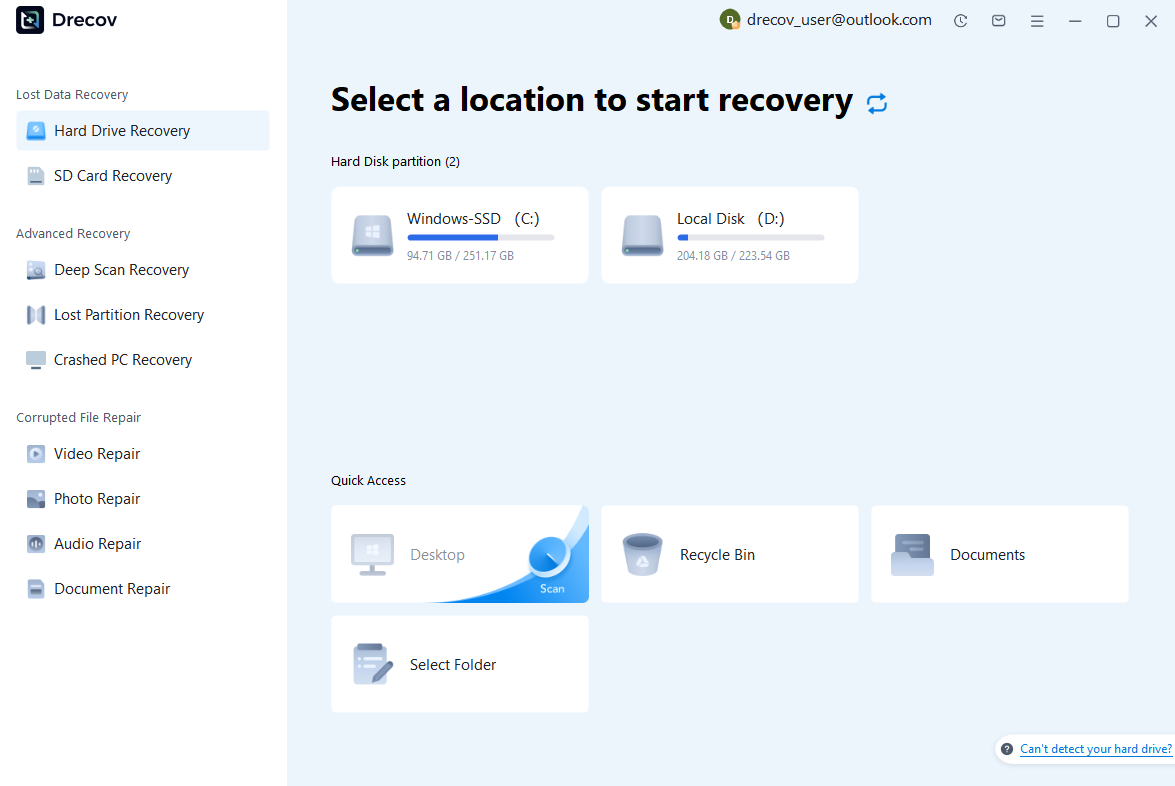
Step 1: Connect the Drive / USB)
Connect your device (SD card, HDD/SSD, or USB drive) to your computer and launch PandaOffice Drecov. Select the target device and start the scan. The software will perform a quick scan and deep scan to detect lost or deleted data.
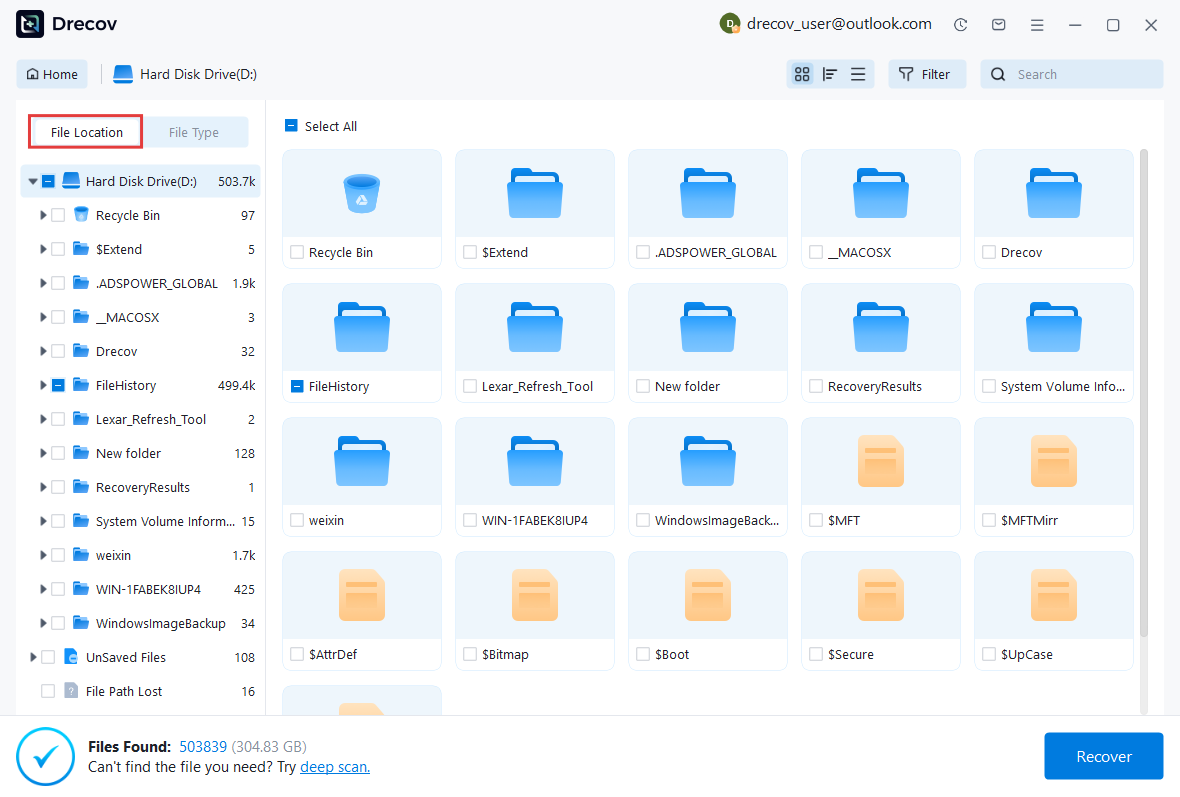
Step 2: Locate and Preview Lost Files
After scanning, browse the detected files and use the preview feature to check recoverable data. You can preview documents (Word, Excel, PDF), photos, and videos to ensure file integrity before recovery.
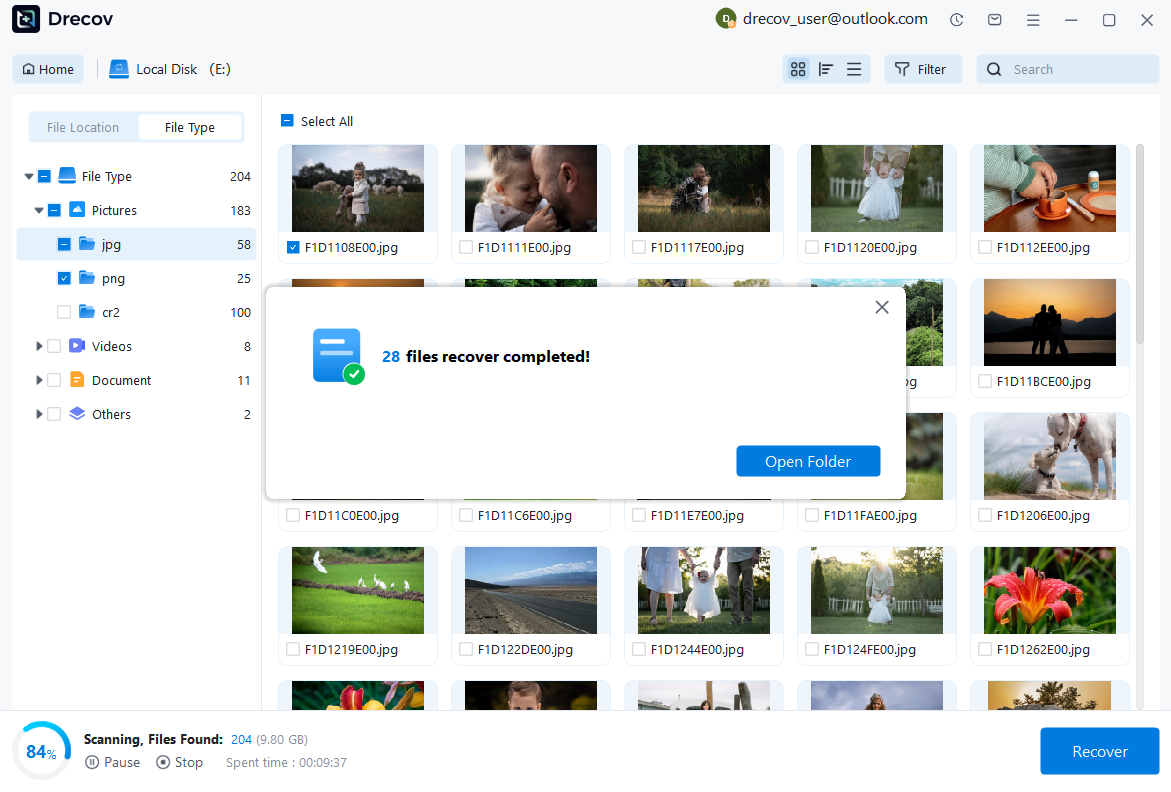
Step 3: Recover and Save to a New Location
Select the files you want to restore and click recover. Save all recovered data to a different drive or location (not the original device) to avoid overwriting lost data.
Some questions you may be interested in:
how to format a hard drive windows 11
how to recover deleted drafts in outlook
what is healthy recovery partition
how to make steam not open on startup
Test environment:
- Operating system: Windows 10/11
- Storage devices tested: HDD, SSD, SD card, USB drive
- Photo formats: JPG, JPEG, PNG
- Recovery destination: Separate storage device
⚠️Warning: Stop using the affected storage device after discovering damaged or missing photos. New files may overwrite the original image data and reduce recovery chances.
Recover Photos From Corrupted SD Cards and External Drives
SD cards and external storage devices are common places where users encounter gray or black photos. Cameras and mobile devices often save large numbers of images to these storage media, making them vulnerable to file system errors and transfer interruptions.
A corrupted memory card may still show photo filenames, but opening the images may result in gray areas, black screens, or unreadable files. This happens because the file records remain visible while the actual image data becomes damaged.
Before formatting a problematic storage device, users should attempt to recover important files first. Formatting may remove file system information and make recovery more difficult.
If the device is physically damaged, users should avoid repeated connection attempts because this may worsen the condition.
Test environment:
- Operating system: Windows 11
- Storage devices: SD card and external HDD
- Photo sources: Digital camera and smartphone
- File types: JPG and JPEG
Recovering photos from the original storage device is often more effective than trying to repair severely damaged copies. Once important pictures are recovered, users should create multiple backups to prevent future loss.
Prevent Pictures From Becoming Gray or Black Again
Transfer Images Safely Between Devices
Many gray photo problems happen because images are not transferred correctly between devices. Interruptions during copying can damage files before they are completely saved.
When moving photos from cameras, SD cards, or smartphones, users should wait until the transfer process finishes completely before disconnecting the device.
Using reliable cables, card readers, and storage devices can also reduce the risk of incomplete transfers.
Users should avoid transferring large numbers of photos when the storage device has connection problems. A failed transfer may create damaged files that are difficult to repair later.
Maintain Healthy Storage Devices
Storage device health directly affects photo reliability. SD cards, USB drives, SSDs, and hard drives can develop errors over time, which may damage stored images.
Users should regularly check storage devices for problems and replace older devices that show signs of failure.
Avoiding unsafe removal is also important. Removing an SD card or USB drive while files are being written can interrupt the saving process and cause corruption.
Create Regular Photo Backups
Regular backups are one of the most effective ways to protect valuable pictures. Even if an image becomes gray, black, or corrupted, a backup copy allows users to restore the original version.
Users can keep backups on external drives, network storage, or cloud platforms. Maintaining more than one copy provides additional protection against hardware failure and accidental deletion.
A good backup strategy reduces the need for complex repair procedures and helps protect important memories.
Frequently Asked Questions About Greyed-Out Pictures
How Can I Fix Pictures Half or Full Greyed Out
If pictures appear half or fully gray, the first step is to determine whether the problem comes from the image file, the viewing software, or the storage device.
Users can try opening the image with another viewer to check whether the problem is only related to software compatibility. If the picture remains gray or black in multiple applications, the file may be corrupted.
For slightly damaged images, saving the file again through image editing software may help. However, severely corrupted photos may require recovery methods to restore the original image data.
If the problem happened after an SD card error, failed transfer, or accidental deletion, recovering the original file from the storage device may provide better results.
Can Gray Photos Be Repaired Without Losing Quality
The possibility of repairing a gray photo without quality loss depends on the level of damage. If the issue is caused by software compatibility or minor file structure problems, the image may be restored without noticeable quality changes.
However, if important pixel data has been permanently damaged, no repair method can recreate information that no longer exists.
Creating backups and recovering original files from storage devices usually provides the best chance of maintaining image quality.
Why Are My Photos Showing a Black Screen
Photos may display a black screen because the file data is corrupted, the image viewer cannot decode the format, or the storage device has errors.
Users should first test the image with another viewer. If the problem remains, checking the file condition and storage device is recommended.
A black image does not always mean the photo is permanently lost. In some cases, recovery methods can locate an undamaged copy of the original file.
Conclusion
Gray, black, or partially damaged photos can be caused by many issues, including file corruption, interrupted transfers, unsupported formats, and storage device problems. Finding the correct cause is the first step toward choosing an effective solution.
For simple display problems, changing the image viewer, updating software, or checking file compatibility may solve the issue. When the actual image data is damaged, users may need repair methods or recovery solutions.
Following safe transfer practices, maintaining healthy storage devices, and creating regular backups can greatly reduce the risk of future photo corruption.
If important images become unavailable because of storage errors or accidental deletion, PandaOffice Drecov can help Windows users recover lost photo files from supported devices.
By combining prevention methods with proper repair and recovery techniques, users can protect valuable pictures and restore access to damaged image collections.






