







Updating your computer core firmware can feel intimidating. However, knowing how to flash bios is essential when your system requires compatibility with newer processors or critical stability patches. A failed motherboard firmware update can completely brick your machine and cause severe data corruption. Consequently, preparing your system and utilizing a reliable backup tool like PandaOffice Drecov data recovery software is vital before making any hardware-level changes.
Understanding the Basics of How to Flash BIOS
Flashing a BIOS means overwriting the existing Basic Input/Output System firmware on your motherboard chip with a newer version. Meanwhile, a standard software update resides on your storage drive, but the BIOS initializes your entire hardware configuration before the operating system even boots.
Why You Need to Upgrade BIOS Firmware
Users typically look up how to upgrade bios firmware when upgrading to a modern CPU that the factory-released motherboard does not natively support. Furthermore, firmware updates resolve system instability, fix hardware bugs, and patch security vulnerabilities.
Common Technical Challenges
The primary risk during this process is power loss or system freezing mid-flash. If the process is interrupted, the motherboard becomes unbootable. In addition, resetting firmware settings to default values can occasionally alter your storage controller mode from NVMe to SATA, resulting in a sudden operating system crash or missing partition tables.
Safeguarding Your System with PandaOffice Drecov
To mitigate these risks, technical experts always secure their files before proceeding. PandaOffice Drecov data recovery software provides an advanced scanning engine capable of retrieving partitions that vanish due to firmware resets. Whether you experience a bad boot loop or an accidental drive format during preparation, this recovery toolkit scans raw sectors to rebuild lost directory trees seamlessly.
⚠ Warning: Install it on a drive different from the one where your data was lost to prevent overwriting.
How to Flash BIOS and Fix Common Update Errors
Executing a motherboard firmware update requires absolute precision to prevent system instability. Below are the definitive methods to accomplish this task safely, including critical disaster recovery protocols using PandaOffice Drecov data recovery software.
Method 1: The Standard USB Firmware Deployment
Most modern motherboards utilize a dedicated UEFI utility to execute firmware changes. Here is how to complete the process.
- Step 1: Format your storage media. Acquire a reliable usb flash drive for bios update procedures. Format the drive to FAT32 filesystem layout because standard motherboard environments cannot read NTFS formats.
- Step 2: Download the official firmware file. Visit your specific motherboard manufacturer support page, find your exact model version, and grab the latest stable release.
- Step 3: Extract and rename the file. Unzip the downloaded folder and place the raw firmware file onto the root directory of your flash drive. Some brands require using a specific renaming tool included in the package.
- Step 4: Enter the system setup environment. Restart your machine. Repeatedly tap the designated motherboard hotkey, usually Delete or F2, during the initial post screen to enter the configuration menu.
- Step 5: Execute the built-in update tool. Navigate to the tool section using your keyboard arrow keys. Select the option labeled EZ Flash, M-Flash, or Q-Flash depending on your hardware brand. Select your usb flash drive for bios update, choose the firmware file, and confirm the action. Do not touch the power button until the system reboots completely.
Method 2: Data Retrieval via PandaOffice Drecov Data Recovery Software
If your system encounters an unexpected power failure or changes drive communication modes during a reboot, your personal files might suddenly appear missing. Consequently, you must know how to reflash a bios environment while protecting your underlying storage blocks. Follow these data recovery steps immediately.
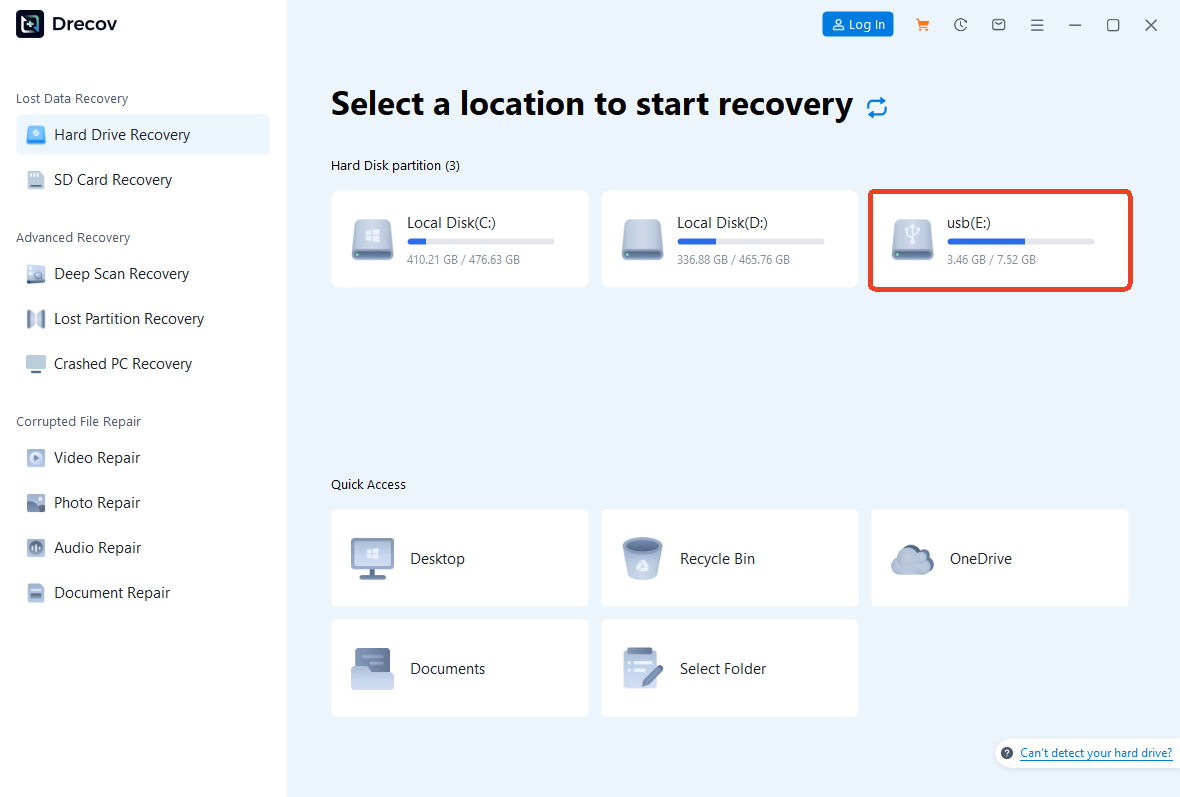
- Step 1: Select the target storage device. Launch the application and select the physical hard drive or solid-state drive that holds your critical personal files.
- Step 2: Run the deep scan sequence. Click the scan button to let the algorithm analyze the storage blocks for lost partition signatures.
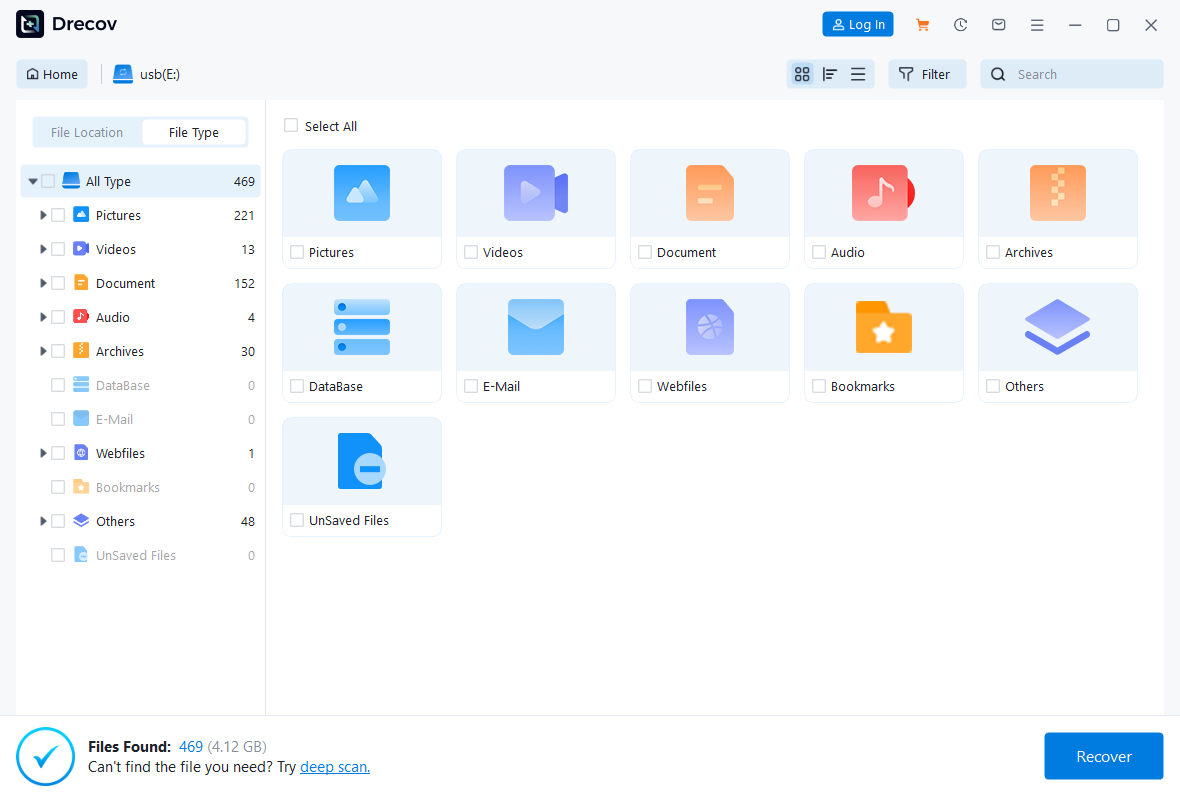
- Step 3: Preview and rebuild. Browse the recovered file hierarchy, check the integrity of your documents, and save them safely to an external storage device.
For broader peripheral issues caused by system adjustments, you can review our Steam no licenses error fix guide Windows 11 and 10 to stabilize application configurations.
Alternative and Complementary Methods for Upgrading System Firmware
Aside from the standard UEFI menu approach, users often explore how to perform bios update procedures via alternative avenues. While the traditional boot menu method remains the safest path, specific technical scenarios might require you to explore how to bios flash your system directly through the operating system or via dedicated hardware rescue ports.
Operating System Desktop Utilities
Many manufacturers provide Windows-based software applications to manage firmware deployments.
- Pros: Highly convenient, operates within a familiar graphical interface, and automates the file download process.
- Cons: Extremely risky because background applications, antivirus scans, or operating system crashes can interrupt the flashing process and destroy the motherboard firmware.
Hardware Flashback Buttons
Premium motherboards feature a rear panel button that allows users to understand how to bios flash without even installing a CPU or memory stick.
- Pros: Functions as an excellent recovery mechanism if the motherboard is completely bricked.
- Cons: Requires precise file renaming strategies and a highly specific usb flash drive for bios update configuration to trigger the onboard microchip.
Tips & Best Practices
Implementing proper safety protocols saves hours of troubleshooting. Always follow these industry standards:
- Maintain Power Consistency: Never attempt to discover how to reflash a bios during a thunderstorm or in areas with unstable power grids. Use an Uninterruptible Power Supply wherever possible.
- Document Existing Profiles: Take photos of your current storage configuration and overclocking parameters because flashing will wipe all customized profiles.
- Verify Filesystem Health: If your installation media fails to read, verify your external drive via specialized tools. For advanced setups, see our guide to install PS3 ISO games from USB to understand partition structure behavior.
- Keep Recovery Software Ready: Keep PandaOffice Drecov data recovery software installed on a secondary drive so you can instantly address deployment accidents before new data overwrites your lost files.
For more authoritative tech guidelines, visit the Microsoft Hardware Dev Center for official firmware deployment documentation.
Frequently Asked Questions
How to update bios from usb safely?
To update correctly, always clear your motherboard CMOS values to default settings before inserting your drive. This minimizes the risk of conflicting memory profiles crashing the system mid-update.
What should I do if I need to know how to reflash bios after a corruption event?
If your system fails to boot after a bad upgrade, use the physical hardware flashback port on the rear IO shield. Alternatively, you may need to utilize a secondary machine to download the original factory firmware file.
Can learning how to reflash the bios delete my personal files?
The process does not directly wipe your personal storage drives. However, it resets storage communication modes, which can make your partitions look empty or unreadable until you deploy PandaOffice Drecov data recovery software to restore the file paths.
Is it necessary to know how to reflash a bios if my PC runs fine?
No, the general consensus among builders is to avoid firmware changes unless you are upgrading to a new generation of hardware or patching a specific performance issue.
Why does my computer fail when I try to update bios from usb?
This issue typically stems from using a drive formatted to NTFS or using an oversized storage device. Motherboard firmware environments prefer older, smaller drives formatted strictly to the FAT32 standard. For general download troubleshooting tips, check out our fixing the can’t download files from ChatGPT error 2026 guide.
Conclusion
Mastering how to flash bios gives you complete control over your hardware longevity and component compatibility. Consequently, being methodical, choosing the right file versions, and avoiding desktop updates ensures a flawless transformation. Always protect your digital assets by deploying PandaOffice Drecov data recovery software to manage unexpected file system mishaps, and keep your critical data fully secure during every firmware transition.






