







Understanding Codec DivX Mac and DivX Codec Mac OS X Basics
The codec DivX Mac refers to a decoding component used to enable playback of DivX-encoded video files on macOS systems. DivX was widely used in the early digital video era because it offered strong compression while maintaining acceptable video quality. However, modern macOS versions no longer prioritize legacy formats, which is why many users encounter playback issues and search for solutions related to DivX codec Mac OS X.
In current macOS environments such as Ventura or Sonoma running on Apple Silicon or Intel-based Macs, DivX support is not guaranteed in native players like QuickTime. As a result, users often experience errors such as unsupported format warnings, missing video output, or audio-only playback when opening DivX for Mac codec files.
The codec itself acts as a translation layer between compressed video data and the operating system’s media framework. Without it, the system cannot properly decode older AVI or DivX-encoded files.
Why DivX Codec Mac Issues Occur and Their Impact
Issues related to codec DivX Mac usually stem from compatibility gaps between outdated video encoding standards and modern macOS architecture. Apple has gradually removed built-in support for legacy codecs in favor of newer standards like H.264 and HEVC.
In a macOS Sonoma environment on Intel hardware, users may still encounter playback limitations when opening DivX files. Even if the file is intact, the system may fail to decode it due to missing DivX codec Mac OS X components.
Another common issue is unstable playback performance. Videos may stutter, freeze, or display incorrect audio synchronization because the system is relying on fallback decoding rather than proper codec support.
⚠️Warning: Legacy Codec Limitations
Older DivX codec Mac OS X components may not function correctly on modern macOS versions and can lead to playback crashes or unstable performance.
How to Install and Use DivX Codec Mac (Methods & Fixes)
Method 1: Install Official DivX Software
The official DivX package remains one of the most direct ways to restore compatibility with legacy video files.
In a macOS Ventura environment running on an Apple Silicon MacBook, installation of the official DivX software provides partial support for DivX codec Mac OS X playback.
Steps:
- Download the official DivX installer for macOS
- Run the installation package and follow setup instructions
- Restart macOS to register codec components
- Open DivX videos using DivX Player or compatible media apps
- Test playback for AVI or DivX-encoded files
This method is best for users who want a native-style solution without switching players.
Method 2: Use VLC Media Player (Recommended Alternative)
VLC is one of the most reliable solutions because it includes built-in decoding libraries and does not depend on system codecs.
In a macOS Sonoma environment, VLC can directly handle DivX files without requiring any codec DivX Mac installation.
Steps:
- Install VLC Media Player for macOS
- Launch VLC and open the DivX video file
- The built-in engine automatically decodes the video
- Adjust playback settings if there are sync or lag issues
- Enable hardware acceleration if needed for smoother playback
This method bypasses all DivX for Mac codec limitations.
Method 3: Convert DivX Files to MP4 Format
Conversion is a long-term solution that removes dependency on legacy codecs entirely.
In a macOS Monterey environment using HandBrake, users can convert DivX videos into modern formats like MP4.
Steps:
- Open HandBrake on macOS
- Import the DivX video file
- Select MP4 (H.264) as output format
- Adjust quality settings (recommended: High Profile preset)
- Start conversion process
- Play converted file using QuickTime or VLC
This method eliminates reliance on DivX codec Mac OS X completely.
Method 4: Update macOS System for Better Compatibility
System updates sometimes improve how macOS handles legacy media files.
In a macOS system update environment, users should ensure they are running the latest stable version to improve compatibility with media frameworks.
Steps:
- Open System Settings
- Navigate to Software Update
- Install available macOS updates
- Restart system after installation
- Re-test DivX playback in supported apps
Although this does not restore full codec DivX Mac support, it can improve third-party app compatibility.
Method 5: Use External Codec Extensions
Some third-party codec extensions can restore partial DivX playback support.
In a macOS media environment where legacy libraries are still needed, these extensions integrate with supported media players.
Steps:
- Download a trusted codec extension package
- Install the package following instructions
- Restart media applications
- Open DivX video files for testing
- Adjust playback settings if needed
Results may vary depending on macOS version and system architecture.
Method 6: Recovery-Based Repair Using PandaOffice Drecov
If DivX files fail to play due to corruption rather than codec issues, recovery is required before any playback attempt.
PandaOffice Drecov can scan storage devices and recover damaged video fragments. In a macOS external drive scenario where DivX files are partially corrupted, it may restore readable video segments. After recovery, users can attempt playback using VLC or convert the restored file into MP4 for stability.
This is especially useful when codec DivX Mac solutions cannot resolve the issue because the file itself is damaged.
⚠️Warning: Avoid Unofficial Codec Sources
Downloading unknown or modified DivX codec Mac OS X packages may introduce malware risks or system instability, especially on newer macOS versions.
Common Problems Overview
Users frequently face issues such as unsupported format errors, missing playback, or audio-video desynchronization when dealing with DivX for Mac codec files. These problems are generally caused by outdated codec support, system restrictions, or corrupted video data.
Even when installation is successful, performance issues may still occur due to hardware limitations or inefficient decoding paths in legacy codec DivX Mac workflows.
Fixing Common DivX Playback Problems on Mac
Even when a codec DivX Mac solution is installed, playback issues can still occur due to system limitations or outdated decoding support. One of the most frequent problems is that video files open but show no picture, only sound. This usually happens when macOS cannot fully process DivX codec Mac OS X streams using native frameworks.
In newer macOS systems such as Sonoma or Ventura, Apple prioritizes modern formats like H.264 and HEVC. As a result, older DivX for Mac codec files may not be properly decoded even if they are not corrupted. Users may also notice frame skipping or lag during playback, especially on high-resolution DivX videos.
⚠️Warning: Repeated Playback Attempts May Cause Crashes
Continuously forcing a broken DivX file to open can cause media apps to freeze, especially when system-level codec DivX Mac support is unstable.
Improve Playback Performance Using System Settings
In a macOS Ventura environment running on Apple Silicon hardware, improving playback often depends more on system optimization than codec installation. Ensuring enough memory and CPU availability can significantly improve how DivX codec Mac OS X files perform.
Steps to Improve Performance:
- Close unnecessary background applications
- Open your media player (such as VLC or similar tools)
- Enable hardware acceleration in settings
- Reopen the DivX file on Mac for testing
- Adjust playback quality if stuttering occurs
This approach reduces system load and improves stability when handling legacy codec DivX Mac videos.
Use VLC for Stable DivX Playback
VLC remains one of the most reliable tools for handling DivX files because it does not rely on system codecs. In a macOS Sonoma environment on Intel-based machines, VLC directly decodes DivX for Mac codec files internally.
Steps to Use VLC:
- Install VLC Media Player
- Open VLC and load your DivX video file
- Playback starts automatically without codec installation
- Adjust synchronization if audio delay appears
- Enable advanced decoding options if needed
This method completely bypasses the need for DivX codec Mac OS X support.
Convert DivX Files for Long-Term Compatibility
One of the most stable solutions is converting DivX videos into modern formats. In a macOS Monterey environment using HandBrake, conversion ensures long-term usability across devices.
Steps to Convert:
- Open HandBrake
- Import the DivX video file
- Choose MP4 (H.264) output format
- Adjust quality settings if necessary
- Start conversion
- Save and test output file
This removes dependency on codec DivX Mac completely and ensures compatibility with all modern players.
Keep macOS Updated for Better Compatibility
System updates can sometimes improve how macOS handles legacy media formats. In a macOS system update environment, installing the latest version may enhance compatibility with older video structures.
Steps:
- Open System Settings
- Go to Software Update
- Install available updates
- Restart the system
- Retest DivX playback
While this does not restore full DivX codec Mac OS X support, it can improve third-party playback stability.
Use External Codec Extensions (Optional Solution)
Some users still rely on external codec extensions to restore partial DivX functionality. In a macOS media environment, these extensions integrate with supported players and expand format compatibility.
Steps:
- Download a trusted codec extension package
- Install it following instructions
- Restart media applications
- Test DivX playback
- Adjust settings if needed
Compatibility varies depending on macOS version and hardware configuration.
Recover Damaged DivX Files (Windows Only Solution)
In cases where DivX videos are corrupted, recovery software may be required before playback or conversion.
PandaOffice Drecov is a Windows-based data recovery tool, which can help restore damaged or deleted video files from hard drives, USB drives, or memory cards. After recovery, users can transfer the restored DivX files back to macOS for playback using VLC or conversion tools.
In a Windows 10/11 recovery environment, the tool performs deep scans to locate lost or partially damaged video fragments, which can then be rebuilt into usable files.
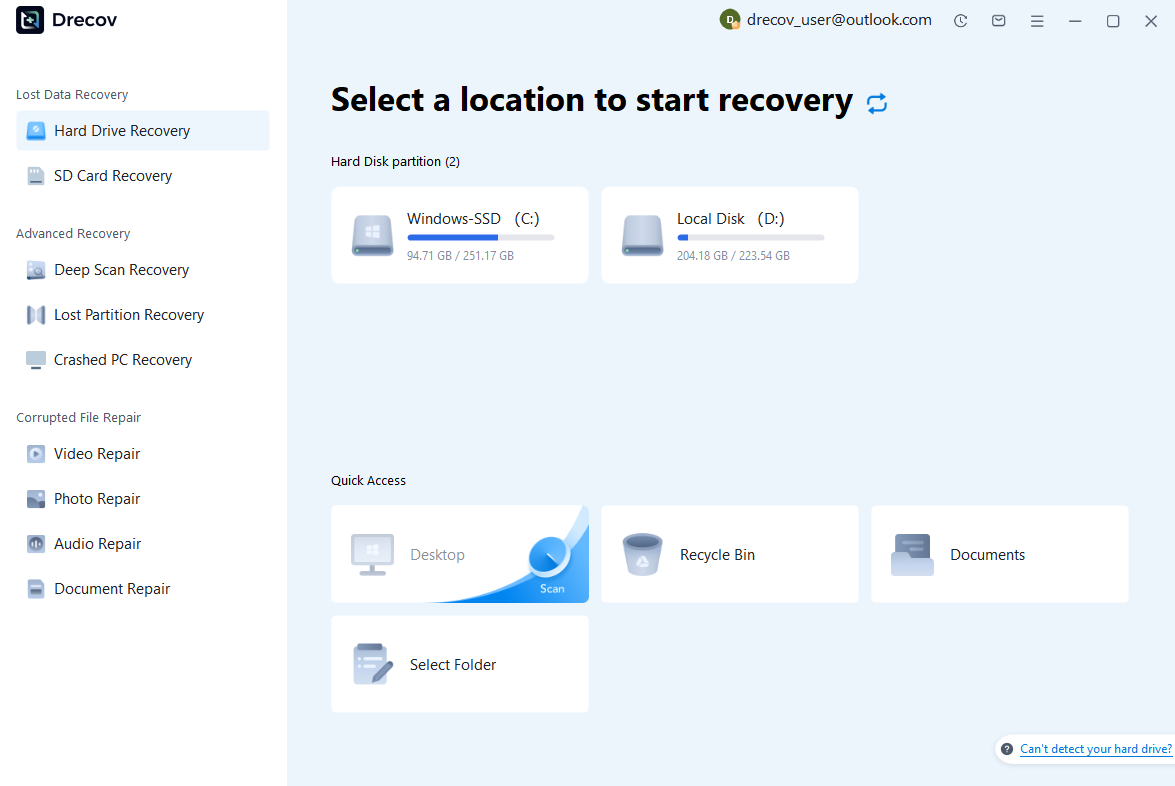
Step 1: Connect the Drive / USB)
Connect your device (SD card, HDD/SSD, or USB drive) to your computer and launch PandaOffice Drecov. Select the target device and start the scan. The software will perform a quick scan and deep scan to detect lost or deleted data.
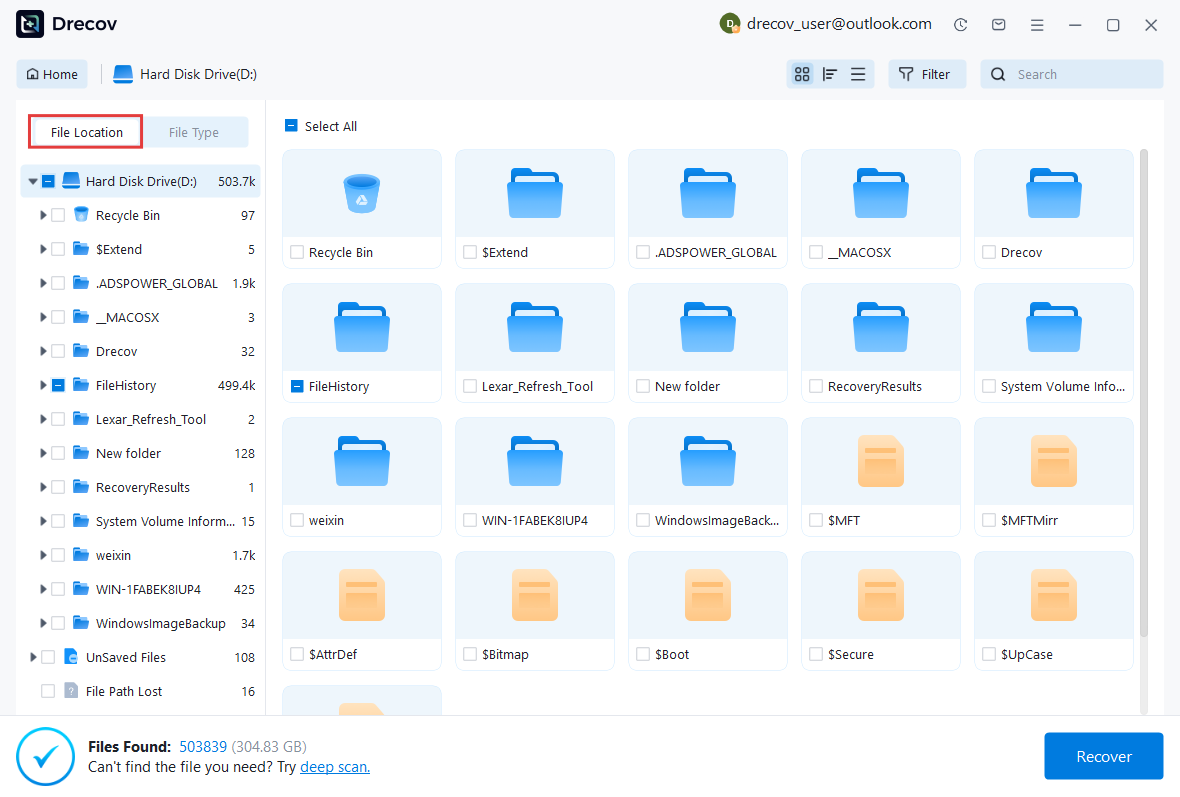
Step 2: Locate and Preview Lost Files
After scanning, browse the detected files and use the preview feature to check recoverable data. You can preview documents (Word, Excel, PDF), photos, and videos to ensure file integrity before recovery.
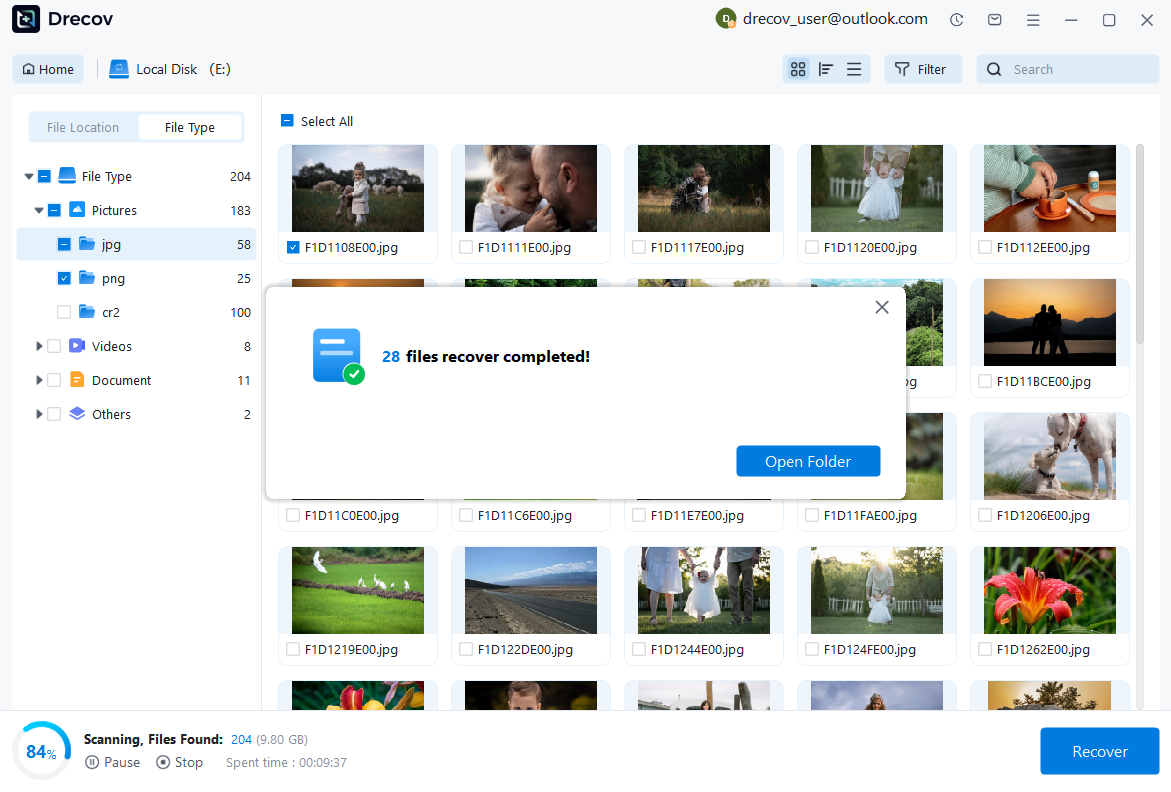
Step 3: Recover and Save to a New Location
Select the files you want to restore and click recover. Save all recovered data to a different drive or location (not the original device) to avoid overwriting lost data.
Why Choose PandaOffice Drecov Recovery Software?
PandaOffice Drecov offers a fast, secure, and user-friendly solution for recovering lost files across multiple scenarios. Whether you need email recovery, ZIP File Recovery, format data recovery, or help to recover deleted drafts Outlook, the software provides reliable recovery performance for both personal and business users.
PandaOffice Drecov supports recovery from formatted hard drives, SSDs, USB drives, SD cards, and external storage devices. Its advanced scanning engine can locate deleted archives, damaged ZIP files, lost Outlook drafts, and accidentally removed documents with high accuracy. For users searching for how to find deleted messages in Teams, PandaOffice Drecov can also help recover exported chat files, attachments, and related local cache data when available.
Once recovered on Windows, the DivX codec Mac OS X workflow can be resumed on macOS using compatible players.
⚠️Warning: Avoid Installing Random Codec Packs
Installing unverified DivX for Mac codec packages can introduce malware risks or system instability, especially on newer macOS versions with strict security policies.
Best Practices for Using DivX Codec Mac
To ensure smooth playback and reduce dependency on outdated systems, users should follow several best practices when handling codec DivX Mac files.
First, avoid relying on legacy codec installations unless absolutely necessary. Modern tools like VLC already eliminate most compatibility issues. Second, convert important DivX files into MP4 format for long-term storage and universal compatibility.
Third, organize media files properly to avoid confusion between formats. Mixing old and new video formats without structure often leads to playback errors.
Finally, always keep backup copies of original files before conversion or modification.
Frequently Asked Questions About DivX Codec Mac
Do I still need DivX codec on modern macOS?
Most users do not need it anymore because modern players handle formats without system codecs.
Can I play DivX files without installing codecs?
Yes, VLC and similar players can decode them directly.
Why do some DivX files still not work?
This may be due to file corruption, unsupported encoding, or system limitations.
Is DivX codec safe to install?
Official versions are generally safe, but unofficial downloads may pose risks.
Conclusion: Key Takeaways
The DivX codec Mac is mainly used today for accessing legacy video files rather than modern media workflows. While macOS no longer fully supports DivX codec Mac OS X, users still have multiple reliable options such as VLC playback, file conversion, and limited codec extensions.
For most users, converting files or using modern players is the most stable solution, as it removes dependency on outdated DivX for Mac codec components.
When file corruption is involved, recovery tools like PandaOffice Drecov can help restore usable data before playback or conversion.
Overall, choosing the right approach depends on file condition, system version, and long-term storage needs, ensuring stable and flexible playback across macOS environments.





