







Installing large games through Steam usually involves two different processes: downloading compressed files and unpacking them into playable game data. While downloading speed depends mainly on your internet connection, unpacking speed relies heavily on your computer hardware, especially your storage drive and processor performance.
Many players experience situations where Steam finishes downloading but remains stuck for a long time during the installation stage. This problem is commonly described as steam unpacking slow, where the progress bar moves extremely slowly or appears frozen.
The issue becomes more noticeable with modern games because developers often compress large amounts of data to reduce download sizes. After Steam receives these compressed files, it needs to extract, verify, and organize thousands of files before completing installation.
Users may also search for problems such as steam unpacking files slow, slow unpacking steam, or steam game unpacking slow when they notice that installation speed drops dramatically after the download reaches 100%.
This guide explains why Steam unpacking becomes slow and provides practical solutions to improve unpacking performance on Windows computers.
Understanding Why Steam Unpacking Takes So Long
How Steam Unpacking Works After Downloading a Game
Test Environment:
- Operating System: Windows 11 Pro 64-bit
- Steam Client: Latest version
- Storage Device: NVMe SSD
Steam does not always install games immediately after downloading each file. Instead, Steam downloads compressed packages and later extracts them into the final game directory.
During the unpacking stage, Steam performs several tasks:
- Decompressing downloaded files
- Writing extracted data to the storage drive
- Checking file integrity
- Creating game folders
- Preparing executable files
Because unpacking requires constant reading and writing operations, your storage device becomes one of the most important factors affecting installation speed.
For example, an NVMe SSD can process thousands of small files much faster than a traditional mechanical hard drive. If Steam installs a large game on an older HDD, users may experience steam unpacking files slow problems even when their internet connection is fast.
The CPU also affects unpacking speed because file decompression requires processing power. A computer with an older processor may take longer to complete the same task compared with a modern system.
Therefore, slow unpacking does not always indicate a Steam problem. In many cases, the limitation comes from hardware performance or system resource usage.
Common Reasons Behind Slow Steam Unpacking Speed
Test Environment:
- Operating System: Windows 10
- Steam installed on SATA SSD
- Multiple applications running in background
Several factors can cause steam slow unpacking issues during game installation.
The most common causes include:
1. Slow storage devices
Steam constantly writes extracted files during unpacking. Traditional HDDs have slower random read and write speeds, which can significantly increase installation time.
2. Limited free storage space
When a drive is nearly full, Windows may reduce writing performance. Steam needs enough temporary space to process installation files efficiently.
3. High background resource usage
Applications such as browsers, cloud synchronization tools, antivirus scans, or other games may consume CPU and disk resources.
4. Steam downloading and unpacking simultaneously
Sometimes Steam continues managing downloads, updates, or background tasks while unpacking another game, reducing available resources.
5. Drive errors or file system problems
Storage issues can force Windows to slow down data operations to prevent further damage.
⚠️Warning: Avoid forcing your computer to shut down while Steam is unpacking files. Interrupting the process may damage game installation data.
How to Fix Steam Unpacking Slow Issues on Windows
Checking Disk Usage and Freeing Storage Space
Test Environment:
- Operating System: Windows 11 Home
- Steam library installed on HDD
- Storage capacity above 80% used
One of the first steps to solve steam unpacking slow problems is checking whether your storage drive has enough available space.
Steam requires additional temporary storage during installation. Even when the game download size appears smaller, unpacking may require significantly more space because compressed files must be expanded.
To check available storage:
- Open File Explorer.
- Select the drive where Steam installs games.
- Check the remaining free space.
If the drive has very little space remaining, consider:
- Removing unused games
- Deleting temporary files
- Moving large personal files to another drive
- Installing games on a larger SSD
Windows also provides a built-in storage cleanup feature:
- Open Settings.
- Select System.
- Choose Storage.
- Remove unnecessary temporary files.
After freeing space, restart Steam and try installing the game again.
A drive with sufficient free capacity can improve writing performance and reduce delays during extraction.
Closing Background Applications That Consume System Resources
Test Environment:
- Operating System: Windows 11
- Steam game installation running
- Multiple background programs active
When Steam unpacks a game, it requires CPU power and disk access. Other applications using these resources can make steam game unpacking slow.
To check resource usage:
- Press Ctrl + Shift + Esc.
- Open Task Manager.
- Select Processes.
- Check CPU and Disk usage.
Applications that commonly affect Steam include:
- Web browsers with many tabs
- Video editing software
- Cloud backup programs
- Game launchers
- Large file transfers
Close unnecessary applications before starting Steam installation.
You can also disable unnecessary startup programs:
- Open Task Manager.
- Select Startup Apps.
- Disable programs that do not need to launch automatically.
Reducing background activity allows Steam to use more system resources for unpacking.
However, avoid disabling essential Windows services or security software unless you understand their purpose.
How to Fix Steam Unpacking Slow Issues on Windows
Changing Steam Download Region and Clearing Download Cache
Test Environment:
- Operating System: Windows 11 Pro
- Steam Client: Latest stable version
- Storage Device: SATA SSD
Although Steam unpacking mainly depends on hardware performance, incorrect Steam settings can sometimes affect installation efficiency. When users experience slow unpacking steam issues repeatedly, adjusting Steam’s download configuration may help improve overall installation performance.
Steam automatically selects a download server based on your location. However, the selected server may occasionally experience heavy traffic or synchronization issues, which can affect the download and preparation process before unpacking begins.
To change the download region:
- Open the Steam application.
- Click Steam in the upper-left corner.
- Select Settings.
- Open the Downloads section.
- Choose a different download region.
- Restart Steam.
You can select a nearby region with lower traffic to improve connection stability.
Steam also stores temporary download data in its cache. If cached files become outdated or damaged, Steam may behave abnormally during installation.
To clear the Steam download cache:
- Open Steam Settings.
- Select Downloads.
- Click Clear Download Cache.
- Restart Steam and log in again.
After clearing the cache, Steam rebuilds temporary data and may process installation files more efficiently.
This method works best when unpacking problems appear after interrupted downloads, failed updates, or repeated installation attempts.
However, changing the download region will not significantly improve unpacking speed if the main limitation comes from a slow HDD or insufficient system resources.
Running Steam With Administrator Permissions
Test Environment:
- Operating System: Windows 10 Pro
- Steam installed on secondary SSD
- User account with standard permissions
Windows controls how applications access files, folders, and system resources. In some situations, permission restrictions may interfere with Steam’s ability to write installation files correctly.
Running Steam with administrator privileges allows the application to access required folders without unnecessary restrictions. This can help resolve certain cases where users experience steam unpacking files slow behavior caused by file access problems.
To launch Steam as administrator:
- Close Steam completely.
- Right-click the Steam shortcut.
- Select Run as administrator.
- Start the installation again.
You can also permanently enable administrator mode:
- Right-click the Steam shortcut.
- Select Properties.
- Open the Compatibility tab.
- Enable Run this program as an administrator.
- Click Apply.
After changing this setting, Steam will automatically start with elevated permissions.
This method does not directly increase hardware performance, but it can prevent installation interruptions caused by Windows permission controls.
If Steam cannot properly modify files inside its library folder, the unpacking process may slow down or repeatedly verify files.
⚠️Warning: Only download Steam updates and games from the official Steam client. Avoid replacing Steam files manually from unknown sources because modified files may create installation problems.
Repairing Steam Library Folder Problems
Test Environment:
- Operating System: Windows 11
- Steam Library located on external SSD
- Previous interrupted game installation
Steam depends on library folders to store installed games and temporary installation data. If the library folder contains permission errors, corrupted directories, or incomplete files, Steam may experience steam game unpacking slow problems.
Steam includes a built-in repair function that can check and fix library folder issues.
Follow these steps:
- Open Steam.
- Click Steam in the upper-left corner.
- Select Settings.
- Open Storage.
- Select the Steam Library folder.
- Choose the repair option.
Steam will check the selected library location and attempt to resolve detected problems.
This method is useful when:
- A game installation stops repeatedly
- Steam takes unusually long during unpacking
- Installed games are not detected correctly
- Files fail verification
After repairing the library folder, restart Steam and continue the installation process.
For users with multiple storage devices, it is also worth checking whether the selected Steam Library is located on a healthy drive. External drives, aging HDDs, or drives with limited performance may significantly slow down unpacking.
Recover Steam Game Files When Installation Data Is Missing or Damaged
Using PandaOffice Drecov to Restore Lost Steam-Related Files
Test Environment:
- Operating System: Windows 11 Pro
- Storage Device: Internal HDD
- Recovery Scenario: Accidentally deleted Steam game files
Sometimes Steam unpacking problems occur because important installation files, configuration data, or local game files become missing due to accidental deletion, formatting, or storage errors.
When files disappear from a local drive and no backup exists, a data recovery tool can help scan the storage device and locate recoverable files.
PandaOffice Drecov is a Windows-based recovery solution designed to recover deleted files from supported storage devices, including HDDs, SSDs, USB drives, and SD cards.
The recovery process generally includes:
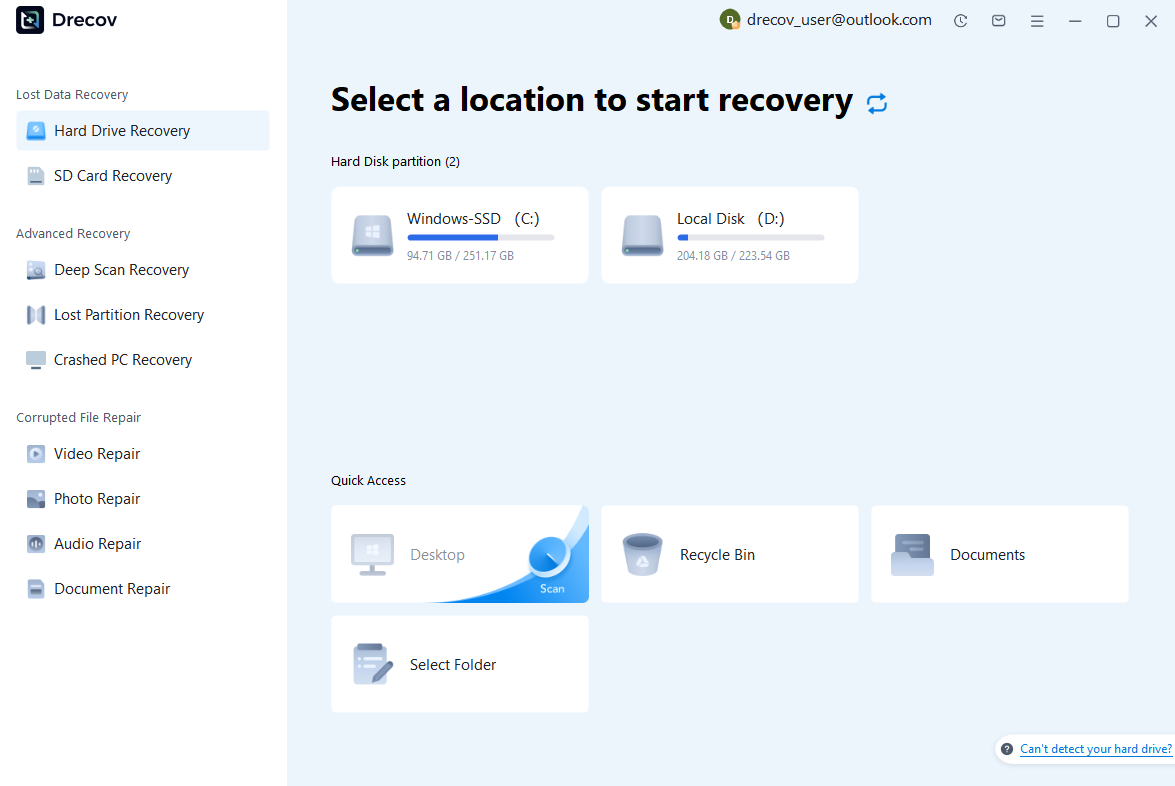
Step 1: Connect the Drive / USB)
Connect your device (SD card, HDD/SSD, or USB drive) to your computer and launch PandaOffice Drecov. Select the target device and start the scan. The software will perform a quick scan and deep scan to detect lost or deleted data.
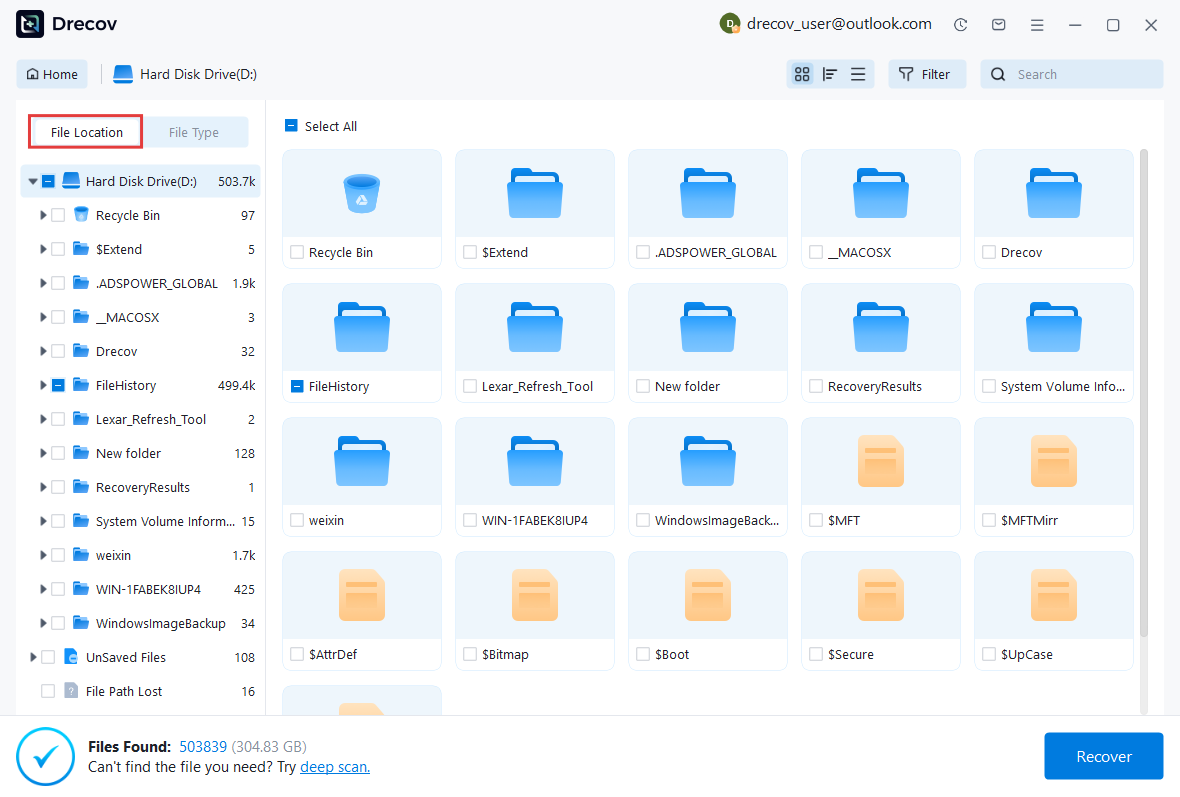
Step 2: Locate and Preview Lost Files
After scanning, browse the detected files and use the preview feature to check recoverable data. You can preview documents (Word, Excel, PDF), photos, and videos to ensure file integrity before recovery.
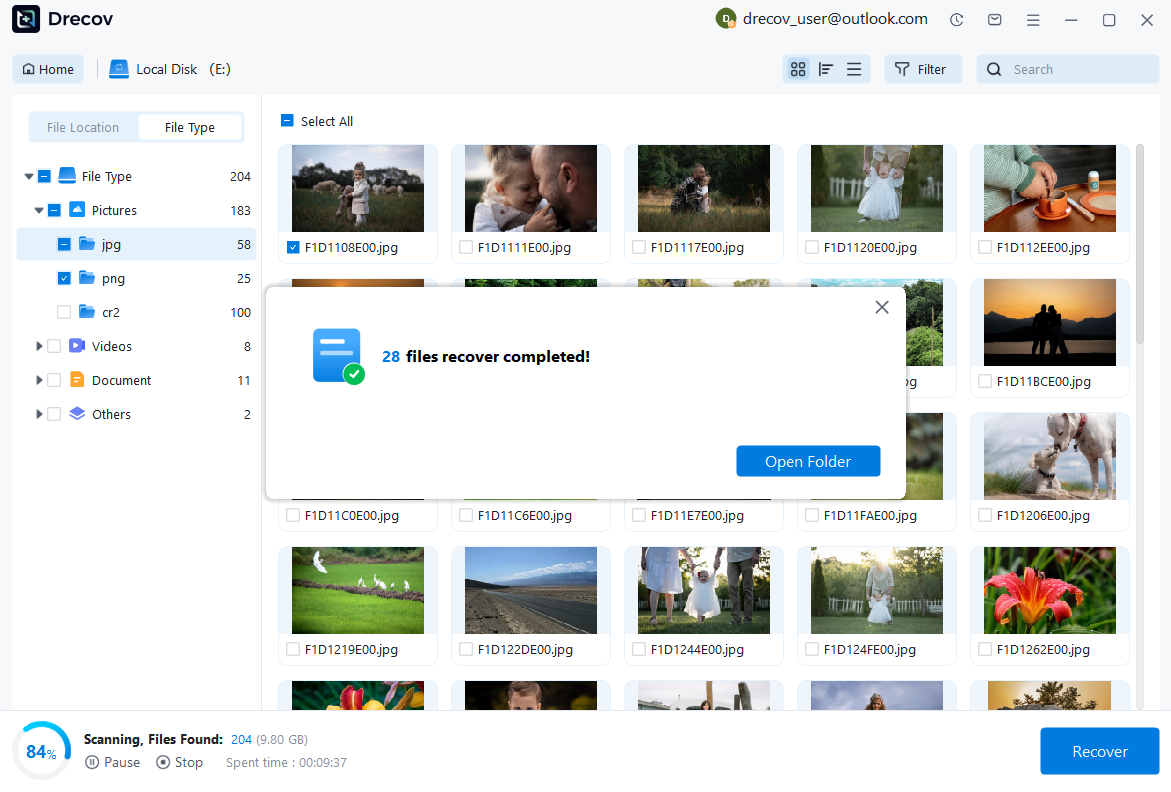
Step 3: Recover and Save to a New Location
Select the files you want to restore and click recover. Save all recovered data to a different drive or location (not the original device) to avoid overwriting lost data.
Some questions you may be interested in:
how to format a hard drive windows 11
how to recover deleted drafts in outlook
what is healthy recovery partition
how to make steam not open on startup
Recovering files to a different drive helps prevent overwriting existing deleted data.
This method is useful when Steam folders disappear because of accidental deletion or storage problems. However, recovery success depends on whether new data has overwritten the deleted files.
For future protection, users should regularly back up important game saves and avoid storing large amounts of new data on drives containing recently deleted files.
Preventing Steam Unpacking Slow Problems in the Future
Optimizing Storage Devices for Faster Steam Installation
Test Environment:
- Operating System: Windows 11
- Steam installed on NVMe SSD
- Large game installation environment
Preventing steam slow unpacking problems is easier when your computer has optimized storage performance.
The storage device has one of the biggest impacts on Steam unpacking speed. While HDDs can store large amounts of data at lower costs, SSDs usually provide much faster read and write performance.
For better Steam installation performance:
- Install frequently played games on SSD storage.
- Keep enough free space available.
- Avoid installing large games on aging drives.
- Regularly check storage health.
Windows users can check drive health through built-in tools or manufacturer utilities.
Keeping at least some free space on your installation drive is also important. A nearly full drive may struggle with temporary file operations and reduce unpacking speed.
If you frequently install large modern games, upgrading from an HDD to an SSD can create a noticeable improvement.
Managing Steam Settings for Better Performance
Test Environment:
- Operating System: Windows 11
- Steam library installed on SSD
- Multiple installed games
Steam settings can influence how efficiently your system handles installations and updates.
Useful practices include:
- Pause unnecessary downloads while unpacking games.
- Close Steam background tasks when not needed.
- Keep Steam updated.
- Avoid running multiple game installations at the same time.
Steam also allows users to manage storage locations. Moving games to faster drives can reduce installation delays.
You should also keep Windows updated because storage drivers, file system improvements, and system optimizations can affect application performance.
Regular maintenance helps reduce situations where users encounter steam unpacking slow errors after installing large games.
Frequently Asked Questions About Steam Unpacking Speed
Why is Steam unpacking so slow after the download finishes?
Steam unpacking requires extracting compressed files and writing large amounts of data to your storage drive. The process depends mainly on your SSD or HDD speed, CPU performance, and available disk space.
A fast internet connection does not guarantee fast unpacking because downloading and extracting use different resources.
Does an SSD make Steam unpacking faster?
Yes. SSDs generally provide faster file access and writing speeds than traditional HDDs. Since Steam unpacking involves processing many files, SSD storage can significantly reduce installation time.
Can antivirus software slow down Steam unpacking?
Yes. Some security programs scan every newly created file during installation. Because Steam creates thousands of files while unpacking, real-time scanning may increase installation time.
Should I stop Steam if unpacking appears frozen?
Avoid immediately closing Steam. The progress percentage may remain unchanged while Steam processes large files in the background.
Check Task Manager first to see whether CPU or disk activity is still occurring.
Final Thoughts on Fixing Steam Unpacking Slow Issues
When users experience steam unpacking slow problems, the cause is usually related to storage performance, system resource usage, or Steam configuration rather than the download process itself.
Steam unpacking requires your computer to extract compressed files, organize game data, and write thousands of files to storage. A slow HDD, limited free space, background applications, or damaged library folders can all increase installation time.
By checking storage space, closing unnecessary programs, adjusting Steam settings, and repairing library folders, users can improve unpacking performance.
Understanding why where Steam unpacking files slow happens allows you to choose the right solution instead of repeatedly reinstalling games.
If important local Steam files become lost because of accidental deletion or storage problems, PandaOffice Drecov can help scan supported drives and recover available files.
Maintaining healthy storage devices, keeping sufficient free space, and regularly backing up important game data can prevent many future Steam installation issues.






