







Introduction to Formatting a Partition
What is formatting a partition and why it matters
Formatting a partition is the process of preparing a section of a storage device so that it can store and organize data using a specific file system such as NTFS, FAT32, or ext4. When users perform format a partition, they essentially reset the logical structure of that section of the disk, removing existing file records and creating a clean environment for new data.
A format disk partition operation is commonly required when setting up a new hard drive, reinstalling an operating system, or fixing corrupted storage areas. Unlike deleting files individually, formatting clears the entire partition structure, making it more efficient for system-level storage preparation.
In real-world usage, users often perform format the partition when a drive becomes inaccessible, slow, or incompatible with the operating system. For example, a partition used in Windows may need reformatting before it can be used on Linux systems or vice versa.
Test environment:
- Windows 11 Pro
- 1TB SATA HDD
- GPT partition style
- NTFS file system
Common scenarios requiring disk partition formatting
There are many situations where users need to perform formatting a partition, especially when managing multiple operating systems or storage devices.
Typical cases include:
- Installing a new operating system
- Reusing old storage drives
- Fixing corrupted file systems
- Removing malware-infected partitions
- Reorganizing storage space
When a partition becomes RAW or inaccessible, users often need to format disk partition to restore usability. However, this action should always be done carefully because it removes all stored data inside that partition.
Another common scenario is system upgrades. When upgrading from an older version of Windows or switching operating systems, users may need to create and format a hard disk partition to ensure compatibility.
⚠️Warning: Formatting a partition will permanently erase all stored files unless backed up beforehand.
Test environment:
- Windows 10 Home
- External USB 3.0 HDD
- Corrupted NTFS partition
- Backup drive connected
Reasons and Importance of Partition Formatting
File system corruption and unreadable partitions
One of the most common reasons users perform format partition operations is file system corruption. When the file system structure is damaged, the operating system may fail to recognize the partition correctly.
Symptoms include:
- Partition shows as RAW
- Drive cannot be opened
- System requests formatting
- File names appear corrupted
- Access denied errors
In these cases, formatting becomes a practical solution to restore usability. However, it is important to understand that formatting removes all existing data, so recovery should be attempted first if files are important.
Test environment:
- Windows 11 Enterprise
- 2TB external HDD
- RAW partition state
- USB-SATA adapter
System installation and storage reorganization needs
Another major reason for formatting a partition is preparing a drive for system installation or storage restructuring. When installing Windows or Linux, users often need to format partitions to ensure compatibility with the new system.
For example, a system drive must be formatted before installing a fresh operating system to remove old configurations and create a clean environment.
Similarly, users managing multiple partitions may decide to reformat certain sections to improve performance or reorganize storage.
This is especially common when performing create and format a hard disk partition operations during disk setup.
Test environment:
- Windows 10 Pro installation media
- SSD 512GB
- GPT partition scheme
- UEFI boot mode
Solutions: How to Format a Partition
Method 1: Format partition using Windows Disk Management
One of the simplest ways to perform format disk partition operations is through Windows Disk Management.
Steps:
- Press Windows + R
- Type
diskmgmt.msc - Select the target partition
- Right-click and choose Format
- Select file system (NTFS/FAT32/exFAT)
- Confirm operation
This method is widely used because it provides a graphical interface and reduces the risk of command-line errors.
Test environment:
- Windows 10 Pro
- Internal 1TB HDD
- NTFS file system
- Healthy partition state
⚠️Warning: Ensure the correct partition is selected before formatting.
Method 2: Format partition using Command Prompt (Diskpart)
Diskpart is a powerful tool used to perform advanced format a partition operations.
Steps:
- Open Command Prompt as Administrator
- Type
diskpart - Enter
list volume - Select target volume
- Type
format fs=ntfs quick - Assign drive letter if needed
Diskpart is especially useful for corrupted partitions or when Disk Management fails.
Test environment:
- Windows 11 Pro
- USB external SSD
- GPT partition table
- NTFS formatting
Method 3: Create and format a hard disk partition during system setup
When installing Windows or Linux, users can perform create and format a hard disk partition directly during installation.
Steps:
- Boot from installation media
- Select Custom installation
- Choose unallocated space
- Create new partition
- Format partition automatically
This method ensures the system drive is properly configured before OS installation.
Test environment:
- Windows 10 installation USB
- 500GB SSD
- UEFI boot mode
- Fresh disk initialization
Method 4: Format a partition using Linux tools (format a partition Linux)
Linux users often use terminal-based tools to perform format a partition Linux operations.
Common commands:
mkfs.ext4 /dev/sdX1mkfs.ntfs /dev/sdX1fdiskorpartedfor partitioning
Linux formatting is widely used for server environments and dual-boot systems.
Test environment:
- Ubuntu 22.04 LTS
- 1TB HDD
- ext4 file system
- Terminal-based operation
Method 5: Recover data before formatting (optional safety step)
Before performing format the partition, users may want to recover important files.
A reliable tool is PandaOffice Drecov, which supports recovery from:
- RAW partitions
- Deleted volumes
- Corrupted drives
This step is recommended before irreversible formatting.
Test environment:
- Windows 11 Home
- External 2TB HDD
- RAW partition scan
- Deep recovery mode
⚠️Warning: Do not write new data to the partition before recovery.
Advanced Troubleshooting for Partition Formatting Issues
In real-world scenarios, users often discover that formatting a partition is not always straightforward. Windows may refuse to complete the process due to system-level restrictions, disk corruption, or hardware problems.
Common error situations include:
- “Windows was unable to complete the format”
- “Access is denied”
- Partition is in use
- Disk is write-protected
- RAW file system errors
When this happens, the issue is usually not the formatting command itself, but the underlying disk state. A format disk partition operation depends heavily on whether the partition is active, locked, or corrupted.
Typical causes include:
- System partition being used by Windows
- Bad sectors on the drive
- Corrupted partition table
- Malware interference
- Hardware connection instability
In such cases, users must first resolve the root cause before attempting to format partition again.
Test environment:
- Windows 11 Pro
- 1TB Seagate HDD
- RAW system partition
- USB 3.0 enclosure
Fixing RAW partitions before formatting
A RAW partition is one of the most common reasons users attempt to format the partition but fail. When a partition becomes RAW, Windows cannot identify its file system (NTFS, FAT32, etc.).
Symptoms include:
- Drive shows as RAW in Disk Management
- “You need to format the disk” message appears
- Files become inaccessible
- Partition size appears correct but unreadable
Before performing formatting a partition, it is strongly recommended to attempt data recovery.
A safe workflow includes:
- Stop using the affected drive immediately
- Run a deep scan using recovery tools
- Extract important files
- Proceed with formatting only after recovery
This ensures data is not permanently lost.
Test environment:
- Windows 10 Enterprise
- WD external HDD 2TB
- RAW partition state
- USB-SATA adapter
⚠️Warning: Formatting a RAW partition without recovery will permanently erase recoverable data.
Fixing write-protected partitions
Another common issue occurs when users try to format disk partition but the system reports that the disk is write-protected.
This can happen due to:
- Physical lock switch on SD/USB devices
- Registry-level protection
- Disk errors
- Malware restrictions
To resolve this:
- Check physical lock switch
- Use Diskpart to remove attributes
- Run antivirus scan
- Restart system and retry formatting
Write protection must be removed before any successful format a partition operation can proceed.
Test environment:
- Windows 11 Home
- USB flash drive 128GB
- NTFS file system
- Diskpart utility used
Recovering Data Before Formatting a Partition
Using professional recovery tools safely
Before performing irreversible formatting a partition, users often need to recover important files. Once formatting is completed, data recovery becomes significantly more difficult.
A reliable option is PandaOffice Drecov, which supports recovery from:
- Deleted partitions
- RAW file systems
- Formatted drives
- Corrupted disk partitions
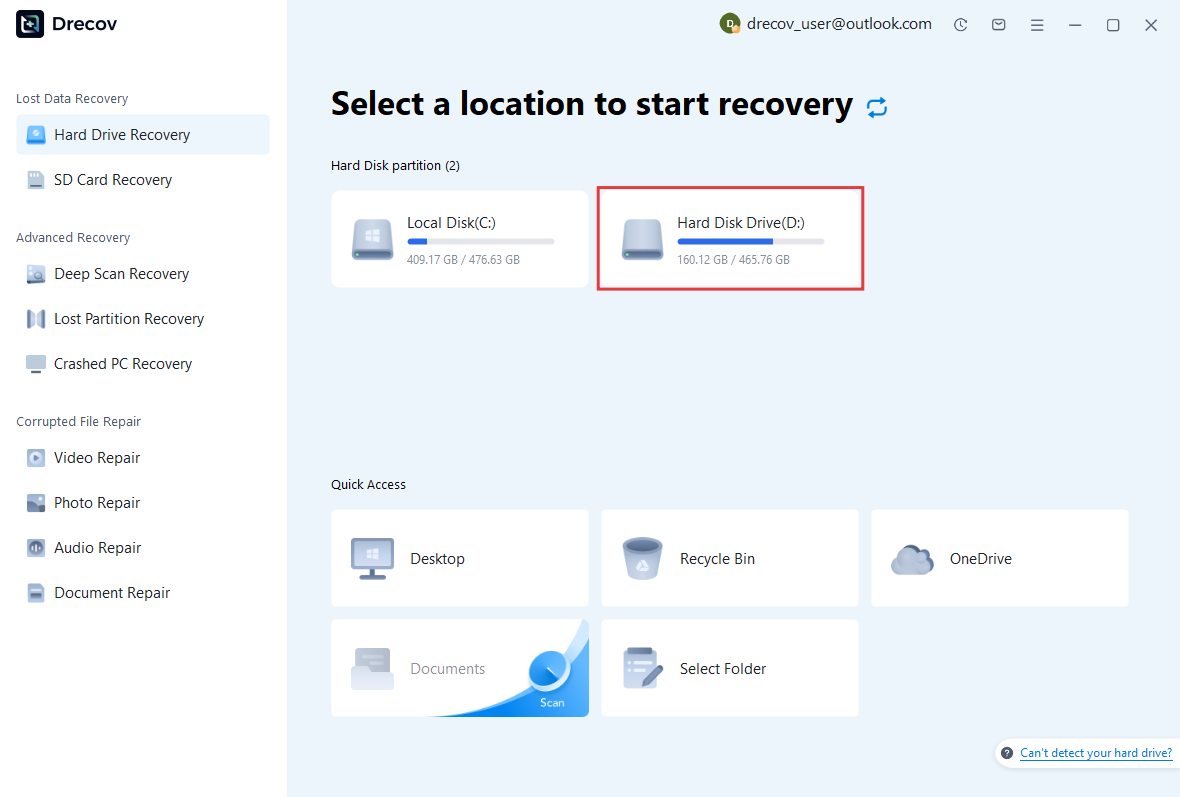
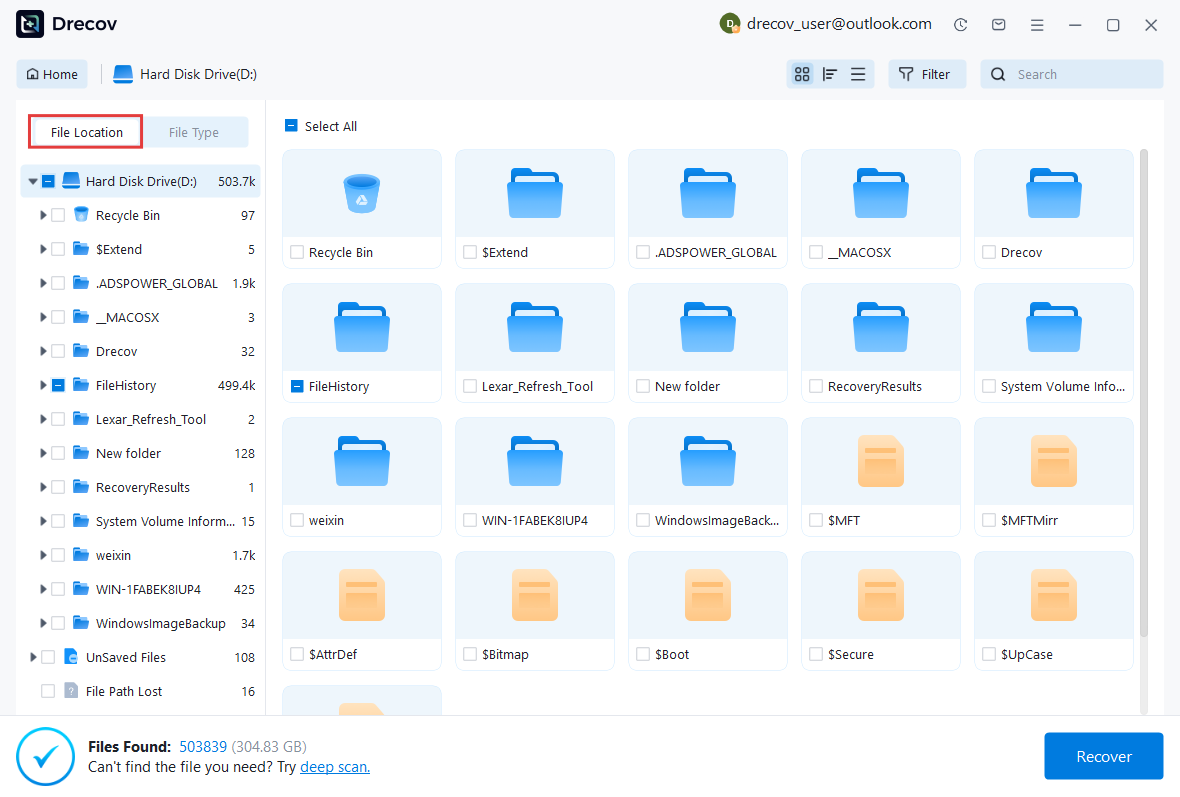
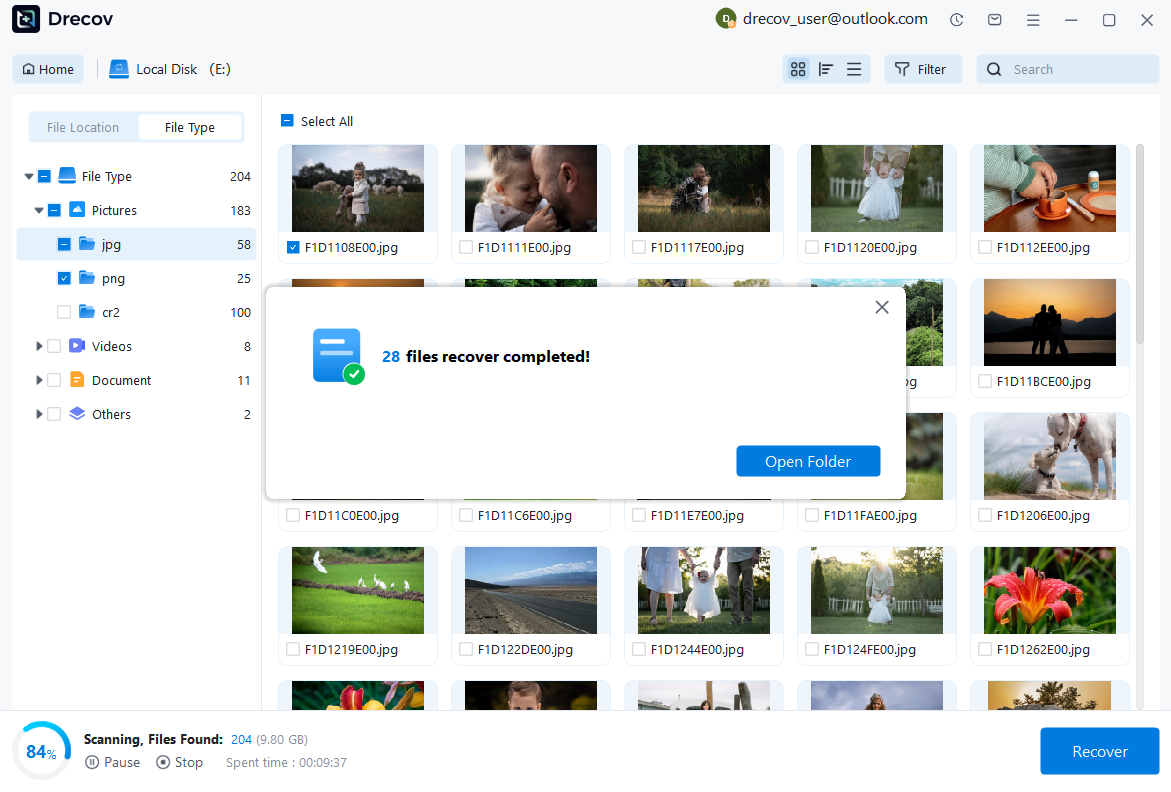
Typical recovery workflow:
- Install recovery software on a different drive
- Select the affected partition
- Perform deep scan
- Preview recoverable files
- Restore to a safe location
This step is critical before using format disk partition tools in risky situations.
Test environment:
- Windows 10 Pro
- External 1TB HDD
- Deep scan enabled
- Mixed file types (documents, images, videos)
Why Choose PandaOffice Drecov Data Recovery Software?
When it comes to reliable data recovery, PandaOffice Drecov stands out as a powerful, all-in-one solution designed to handle a wide range of data loss scenarios. Whether you’re trying to perform TikTok deleted video recovery, restore files after formatting, or recover important documents, Drecov delivers fast and dependable results.
One of its biggest advantages is versatility. From format data recovery to lost partition recovery, the software can scan deeply and accurately locate files that other tools often miss. Even if your drive has been accidentally formatted or a partition has disappeared, Drecov uses advanced algorithms to reconstruct and retrieve your data with high success rates.
Drecov also supports specialized recovery needs. If you’ve lost important documents, its PDF recovery tool ensures that files retain their original structure and quality. For media users, the audio recovery feature helps restore music, recordings, and other sound files without corruption, making it ideal for both personal and professional use.
Ease of use is another key benefit. The intuitive interface allows beginners to recover files in just a few clicks, while still offering advanced options for more experienced users. Plus, it supports a wide range of storage devices, including HDDs, SSDs, USB drives, and memory cards.
In short, PandaOffice Drecov combines powerful recovery capabilities with user-friendly design, making it a trusted choice for anyone facing data loss.
Best Practices for Safe Partition Formatting
Choosing the correct file system
When performing format partition operations, selecting the correct file system is essential for compatibility and performance.
Common file systems include:
- NTFS → Best for Windows systems
- FAT32 → Compatible with older devices
- exFAT → Best for large files and cross-platform use
- ext4 → Standard for Linux systems
Choosing the wrong file system may lead to incompatibility issues, especially in dual-boot environments.
Test environment:
- Windows 11 + Ubuntu dual boot
- 1TB SSD
- GPT partition style
Avoiding data loss during formatting
To safely perform formatting a partition, users should follow key precautions:
- Always back up important data
- Double-check selected partition
- Avoid formatting system drives accidentally
- Close all active applications using the disk
- Use recovery tools when needed
Formatting is safe only when executed on the correct partition with proper preparation.
⚠️Warning: Formatting the wrong partition can result in complete system or data loss.
Test environment:
- Windows 10 Home
- Multiple external drives connected
- Backup storage available
Frequently Asked Questions (FAQ)
Is formatting a partition the same as deleting it?
No. Format partition removes file system data but keeps the partition structure intact, while deleting a partition removes it entirely from the disk structure.
Can I recover data after formatting a partition?
Yes, but only if new data has not overwritten the old sectors. Tools like PandaOffice Drecov can help recover files after accidental formatting.
What is the safest way to format disk partition?
The safest method depends on the situation:
- Disk Management → beginner-friendly
- Diskpart → advanced users
- OS installation tool → system setup
- Linux tools → server or dual-boot systems
Always ensure data backup before performing format disk partition operations.
Why does Windows not allow me to format a partition?
This usually happens because:
- Partition is in use
- It is a system partition
- Write protection is enabled
- File system is corrupted
- Hardware failure exists
Resolving these issues is necessary before successful formatting a partition.
Conclusion:
Understanding formatting a partition is essential for managing modern storage devices efficiently. Whether you are setting up a new system, repairing corrupted drives, or reorganizing storage space, knowing how to properly format a partition ensures better performance and stability.
Across Windows and Linux systems, multiple methods exist to format disk partition, including Disk Management, Diskpart commands, installation tools, and Linux terminal utilities. Each method serves different technical scenarios, from basic user needs to advanced system administration.
In more complex cases, such as RAW partitions or corrupted storage, recovery should always come first. Tools like PandaOffice Drecov help ensure that important data is not lost before performing irreversible operations.
At the same time, understanding risks is crucial. Incorrect format the partition operations can lead to permanent data loss or system instability. Proper preparation, correct file system selection, and careful execution are key to safe disk management.
From simple formatting tasks to advanced disk restructuring, mastering create and format a hard disk partition workflows allows users to maintain clean, efficient, and reliable storage systems across all environments.






