







Steam is one of the largest digital gaming platforms, allowing users to download and manage thousands of games. However, many players eventually need to locate their installed games for different reasons, such as moving games to another drive, creating backups, troubleshooting missing files, or recovering important save data.
If you are wondering where are steam games stored, the answer depends on your Steam installation settings, storage drive, and operating system configuration. Steam game files and saved progress are usually stored in separate locations. The game installation folder contains the main game data, while save files are often stored inside user profile folders or synchronized through Steam Cloud.
Knowing where are steam game files stored can help you manage your storage space, transfer games between computers, or fix problems caused by corrupted files. At the same time, understanding Steam game save file locations is essential when you want to back up your progress before reinstalling a game or changing devices.
This guide explains the common locations of Steam games, save files, and Steam Deck game storage paths. It also provides practical methods to find these files quickly on Windows and Steam Deck.
Understanding Where Steam Games Are Stored on Your Computer
Steam does not place every installed game in one universal folder. Instead, it uses Steam Library folders that users can customize during installation. The location of your games depends on where you selected the Steam library when downloading them.
By default, Steam installs game files inside the same drive where the Steam application is installed. However, many users create additional library folders on larger hard drives or SSDs because modern games can require hundreds of gigabytes of storage.
For example, a user may install Steam on the system drive but store large games on a secondary SSD. In this situation, the Steam application and game files exist in different locations.
Understanding the relationship between Steam folders, library locations, and installed games makes it easier to answer questions like where are steam games stored and how to access those files manually.
Before changing, moving, or deleting any Steam folder, it is recommended to confirm the exact location through the Steam application. Incorrect changes to game directories may cause Steam to lose track of installed games.
Default Steam Installation Folder for Game Files
Finding the Standard Steam Game Installation Directory
Test Environment:
- Operating System: Windows 11 Home 64-bit
- Steam Version: Latest desktop client
- Storage: Default installation on the C drive
For most Windows users, Steam installs its main files in the following default directory:
C:\Program Files (x86)\SteamInside this folder, installed games are usually located in:
C:\Program Files (x86)\Steam\steamapps\commonThe “common” folder contains separate folders for each installed game. For example, if you install a game called Example Game, Steam creates a dedicated folder:
Steam\steamapps\common\Example GameThis folder includes the game executable files, textures, configuration files, and other resources required to run the game.
However, this default path only applies if you installed Steam and games using the standard settings. Many users change the installation location to another drive because game libraries can become extremely large.
For example, a player may have:
D:\SteamLibrary\steamapps\commonor:
E:\Games\SteamLibrary\steamapps\commonTherefore, the exact answer to where are steam game files stored depends on your selected Steam Library folder.
Checking Steam Library Folders Through Steam Settings
Test Environment:
- Operating System: Windows 10 Pro
- Steam Client: Desktop application
- Multiple storage drives available
Steam provides a built-in way to check all locations where games are installed.
Follow these steps:
- Open the Steam desktop application.
- Click Steam in the upper-left corner.
- Select Settings.
- Choose Storage from the left menu.
- Review the listed library drives.
Steam will display every folder that contains installed games. If you have multiple drives connected, each Steam Library location will appear separately.
This method is useful when you cannot remember whether a game was installed on the C drive, D drive, or an external storage device.
After identifying the library location, you can open the folder directly from File Explorer and view all installed games.
The Storage section is especially helpful for users who frequently move large games between SSDs or hard drives. Instead of searching manually through folders, Steam shows the exact location where game files are stored.
Opening Steam Game Files Directly From the Steam Client
Test Environment:
- Operating System: Windows 11 Pro
- Steam Client: Updated version
- Installed game: Local Steam game library
Another simple way to locate a specific game’s folder is by using Steam’s built-in file browsing option.
Steps:
- Launch Steam.
- Open your Library.
- Right-click the game you want to locate.
- Select Properties.
- Choose Installed Files.
- Click Browse Local Files.
Steam will immediately open the folder containing the game’s installed files.
This method avoids manually searching through storage drives and works even if you have several Steam libraries.
The opened folder represents the actual installation directory of that specific game. From there, you can view configuration files, game resources, screenshots, or backup important files.
However, game installation files are not the same as saved progress data. Many players confuse these two locations. Removing or copying the game folder does not always include your personal progress because save files are usually stored somewhere else.
How to Locate Steam Game Save File Locations
Steam game installation folders contain the main software files, but your gameplay progress is usually stored separately. Save data includes character progress, completed missions, settings, achievements, and other personal information.
The location of save files varies depending on the developer’s design. Some games store saves inside the Documents folder, some use AppData folders, and others rely on Steam Cloud synchronization.
If you are looking for where are steam game saves stored, you need to check both local storage and cloud-based locations.
Knowing the correct save location is important before reinstalling Windows, switching computers, or troubleshooting missing progress.
Unlike game files, save files are usually small, but they are much more valuable because they contain your personal gaming history.
Checking Save Files Stored by Different Steam Games
Finding Local Save Data in Common Windows Folders
Test Environment:
- Operating System: Windows 11
- Steam game installed locally
- Steam Cloud disabled for testing
Many Steam games store save files in common Windows folders.
The most frequently used locations include:
C:\Users\YourUsername\Documentsand:
C:\Users\YourUsername\AppDataThe AppData folder contains several subfolders:
- Local
- LocalLow
- Roaming
Some games create folders inside these locations using the game name, developer name, or publisher name.
For example, a game may store saves under:
C:\Users\Username\AppData\Local\GameNameor:
C:\Users\Username\Documents\My Games\GameNameBecause every game developer chooses a different storage method, there is no single universal Steam save folder.
To find the correct location, you can search Windows File Explorer using the game name or check the game’s official documentation.
When manually backing up saves, always copy the entire save folder instead of individual files. Some games store additional configuration information together with saved progress.
How to Locate Steam Game Save File Locations
Finding Steam Cloud Save Data on Your Device
Test Environment:
- Operating System: Windows 11 Pro 64-bit
- Steam Client: Updated desktop version
- Steam Cloud: Enabled
Steam Cloud allows supported games to synchronize save files between different computers. When this feature is enabled, your progress may be uploaded to Steam servers instead of being stored only on your local drive.
Many users searching for where are steam game saves stored assume that all save data exists inside the Steam installation folder. However, Steam Cloud data is usually stored separately from the main game directory.
On Windows computers, Steam Cloud files are commonly stored inside the Steam user data folder:
C:\Program Files (x86)\Steam\userdata
Inside this directory, Steam creates folders based on account IDs. Each account folder contains multiple game folders identified by their unique Steam App IDs.
The general structure looks like this:
Steam\userdata\UserID\AppID\remote
The “remote” folder often contains synchronized save files uploaded by the game.
For example, if you play games on multiple computers, Steam may download these files automatically when you install the same game and sign in with your account.
However, Steam Cloud is not available for every title. Some games only store saves locally, while others combine local saves with cloud synchronization.
⚠️Warning: Do not randomly delete files inside the userdata folder. Removing Steam Cloud data may permanently affect synchronized saves if no backup exists.
To check whether a specific game uses Steam Cloud:
- Open Steam Library.
- Right-click the game.
- Select Properties.
- Open the General section.
- Check whether Steam Cloud synchronization is enabled.
If Steam Cloud is disabled, you will need to locate the local save folder created by the game developer.
Locating Local Save Files on Windows
Searching Common Windows Folders for Steam Saves
Test Environment:
- Operating System: Windows 10 Home
- Steam games installed on SSD
- Local save files created during gameplay
When Steam Cloud is unavailable, games usually store progress directly on your computer. These files are often hidden inside Windows user folders.
Common locations include:
C:\Users\Username\Documents
C:\Users\Username\Saved Games
C:\Users\Username\AppData\Local
C:\Users\Username\AppData\Roaming
Developers may use different folder names, so the save folder may not always match the exact game title.
For example, a game called “Adventure World” might save data under:
- The developer name
- The publisher name
- A shortened game name
- A random folder created by the game engine
To locate these files manually:
- Open File Explorer.
- Enter the game name in the search box.
- Search inside Documents and AppData folders.
- Check folders modified around the time you last played.
Another method is checking the game’s configuration files inside the installation directory. Some games include information about save paths in settings files.
Understanding Steam game save file locations helps prevent accidental data loss. Before reinstalling a game, updating Windows, or moving to another computer, backing up these folders can protect your progress.
Finding Steam Games Stored on Steam Deck
The Steam Deck uses a different file structure compared with a Windows gaming PC. Because Steam Deck runs on a Linux-based operating system, the location of installed games and saved data may look unfamiliar to new users.
Many players ask steam deck where are games stored because they want to manage storage space, transfer games to an SD card, or manually access game files.
Steam Deck allows games to be installed in several places:
- Internal SSD storage
- External microSD cards
- Compatible external drives
The default storage location depends on where you selected the installation path during download.
Understanding these locations makes it easier to move games, troubleshoot installation issues, and manage limited storage capacity.
Steam Deck game files are usually stored inside Steam’s library folders rather than traditional Windows directories. Although the structure is different, the basic concept is the same: Steam creates a library folder that contains all installed game data.
Default Storage Location for Steam Deck Games
Checking Game Installation Paths on Internal Storage
Test Environment:
- Device: Steam Deck OLED
- Operating System: SteamOS
- Storage: Internal SSD
When games are installed on the Steam Deck internal storage, Steam usually places them in the following location:
/home/deck/.local/share/Steam/steamapps/common
This folder contains the installed game files.
However, Steam Deck hides some system folders by default. To access these files:
- Switch Steam Deck to Desktop Mode.
- Open the Dolphin file manager.
- Enable viewing hidden files.
- Navigate to the Steam directory.
Inside the “common” folder, each installed game has its own directory.
For example:
steamapps/common/GameName
contains the game’s executable files, assets, and supporting data.
The Steam Deck interface normally manages these files automatically, so most users do not need to access them manually. However, knowing the location can help when troubleshooting corrupted files or transferring games.
The installation directory contains game data only. It does not always include your personal progress. Save files may exist separately through Steam Cloud or Proton compatibility folders.
Checking Game Files on Steam Deck Internal Storage
Using Desktop Mode to View Steam Library Locations
Test Environment:
- Device: Steam Deck LCD model
- SteamOS Desktop Mode
- Internal storage selected for game installation
Steam Deck’s Desktop Mode provides access to the Linux file system and allows users to browse installed content.
To check where a specific game is stored:
- Enter Desktop Mode.
- Open Steam.
- Right-click the installed game.
- Select Properties.
- Choose Installed Files.
- Click Browse.
Steam will open the corresponding game directory.
This is useful when checking whether files exist correctly or when comparing installation sizes.
Steam Deck users often manage storage because large modern games can quickly fill internal SSD space. Knowing where are steam games stored helps determine which games take up the most room.
You can also use Steam’s storage manager:
- Open Steam settings.
- Select Storage.
- Review installed games and their locations.
From this menu, users can move games between internal storage and external storage without manually copying folders.
Finding Games Stored on an External SD Card
Locating Steam Deck Games Installed on a MicroSD Card
Test Environment:
- Device: Steam Deck
- Storage: 512GB microSD card
- SteamOS latest version
Many Steam Deck owners use microSD cards because modern games require significant storage space.
When games are installed on an SD card, Steam usually creates a library folder similar to:
/run/media/mmcblk0p1/steamapps/common
The exact path may vary depending on the card name and system configuration.
To check the SD card game location:
- Insert the microSD card into Steam Deck.
- Switch to Desktop Mode.
- Open Dolphin File Manager.
- Select the SD card storage.
- Open the SteamLibrary folder.
The installed games should appear inside:
steamapps/common
The SD card location is especially important when transferring games between Steam Deck devices.
Before removing the SD card, always shut down the device properly. Removing storage while Steam is accessing game files may cause file corruption.
⚠️Warning: Avoid manually moving Steam game folders between SD cards without creating a Steam Library structure. Steam may not recognize the games correctly.
Recover Lost Steam Game Files and Save Data When They Disappear
Using PandaOffice Drecov to Recover Missing Steam-Related Files
Test Environment:
- Operating System: Windows 11 Pro
- Storage Device: SSD containing Steam files
- Recovery Scenario: Accidentally deleted game save folders
Sometimes Steam files or saved progress may disappear because of accidental deletion, drive errors, formatting, or storage problems. If important local Steam files are removed and no backup exists, professional recovery software can help scan the storage device.
PandaOffice Drecov is a Windows-based data recovery tool designed to recover deleted files from hard drives, SSDs, USB drives, and SD cards. It can scan storage devices for lost files and allows users to preview recoverable data before restoring.
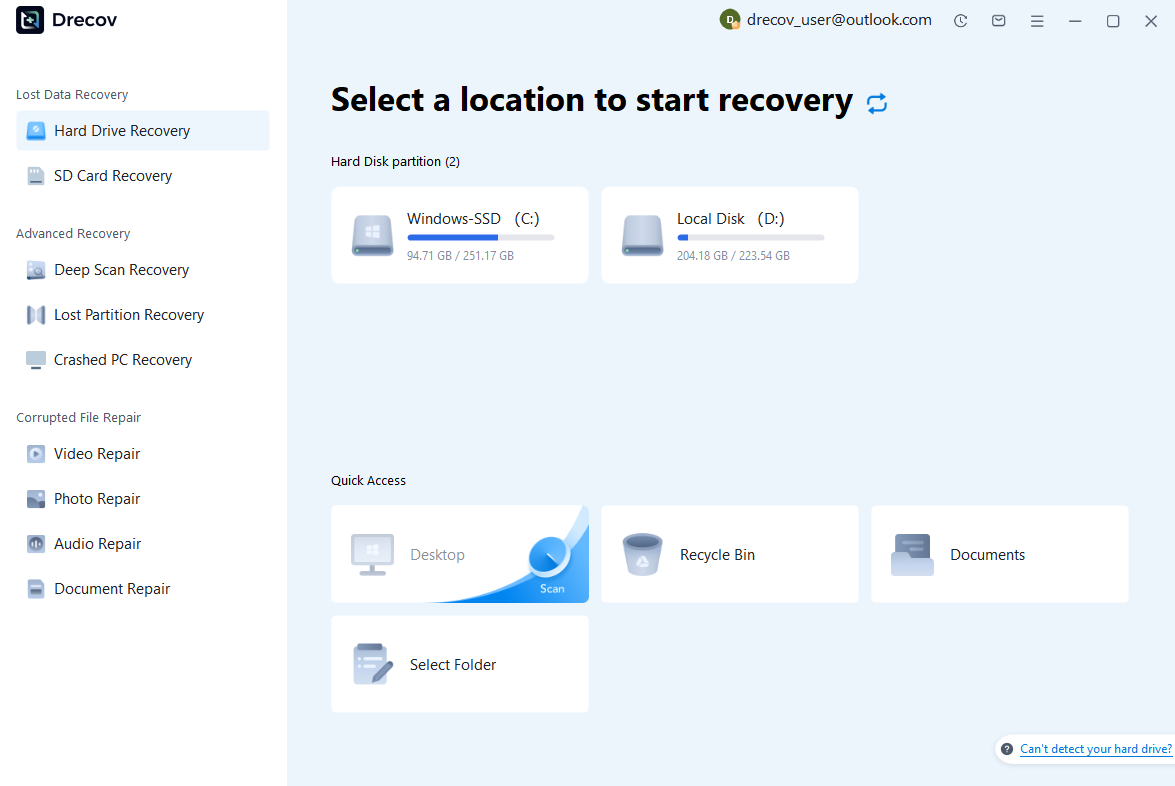
Step 1: Connect the Drive / USB)
Connect your device (SD card, HDD/SSD, or USB drive) to your computer and launch PandaOffice Drecov. Select the target device and start the scan. The software will perform a quick scan and deep scan to detect lost or deleted data.
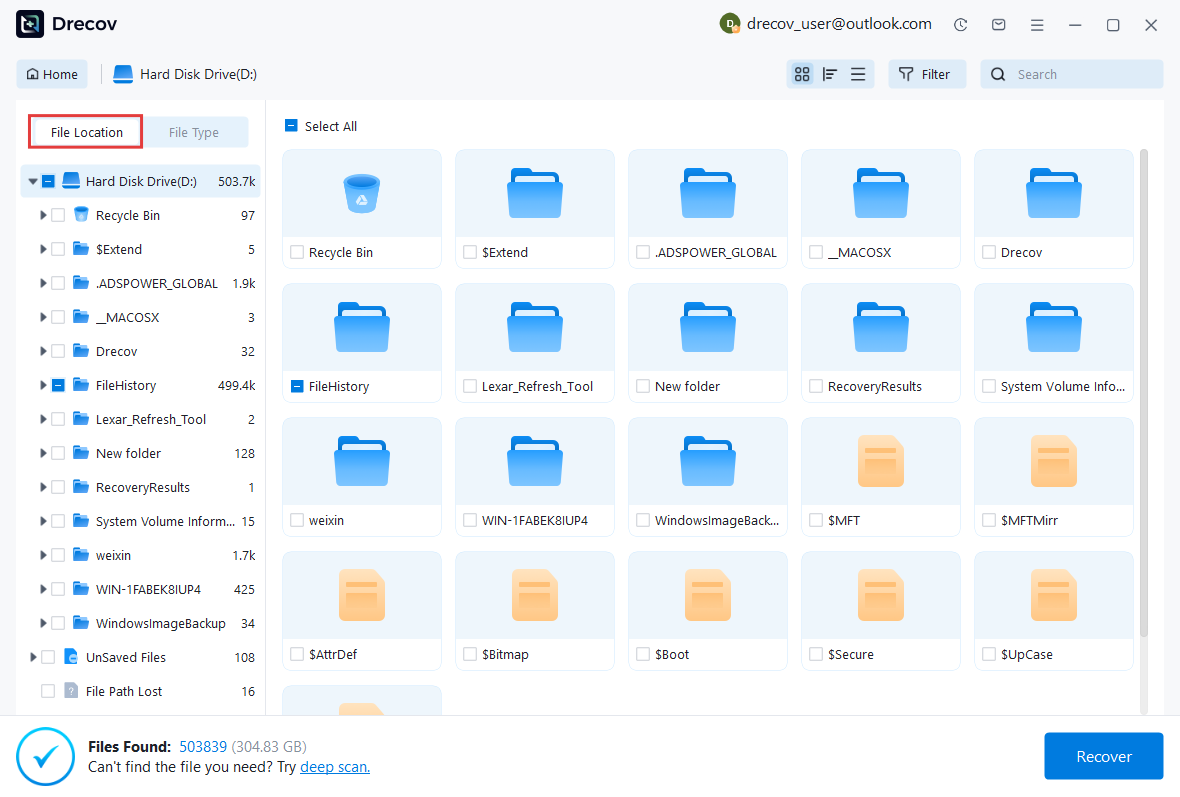
Step 2: Locate and Preview Lost Files
After scanning, browse the detected files and use the preview feature to check recoverable data. You can preview documents (Word, Excel, PDF), photos, and videos to ensure file integrity before recovery.
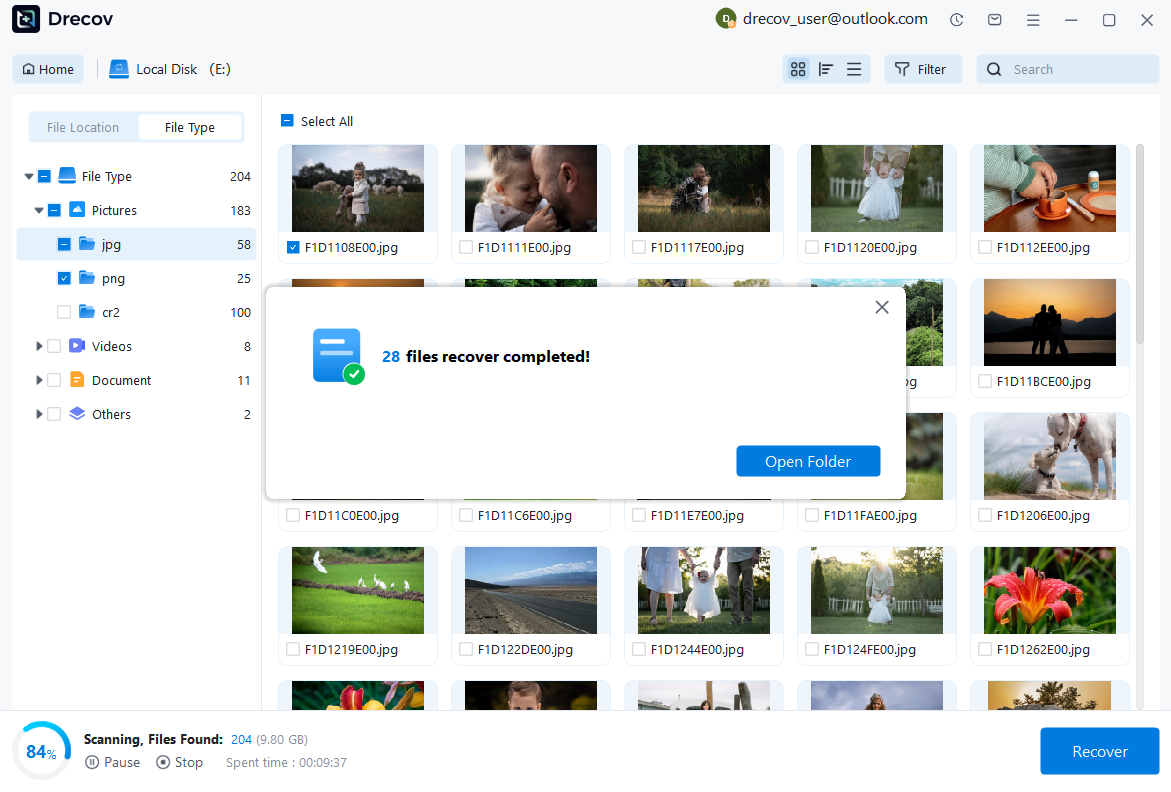
Step 3: Recover and Save to a New Location
Select the files you want to restore and click recover. Save all recovered data to a different drive or location (not the original device) to avoid overwriting lost data.
Some questions you may be interested in:
how to format a hard drive windows 11
how to recover deleted drafts in outlook
what is healthy recovery partition
how to make steam not open on startup
It is recommended to avoid installing new programs or saving additional files to the affected drive because new data may overwrite deleted information.
PandaOffice Drecov is mainly useful for recovering lost local files. Steam Cloud data should still be managed through Steam synchronization settings.
Frequently Asked Questions About Steam Game Storage
Where are Steam game files stored on Windows?
Steam game files are usually stored inside the Steam Library folder. The default location is:
C:\Program Files (x86)\Steam\steamapps\common
However, users may have additional Steam Library folders on other drives.
Where are Steam game saves stored?
Steam saves can be stored in different locations depending on the game. Common locations include Documents, Saved Games, AppData folders, and Steam Cloud userdata folders.
There is no single universal save folder for every Steam game.
Can I move Steam games without downloading again?
Yes. Steam allows users to move installed games between library folders through the Storage settings. This is useful when changing drives or upgrading storage devices.
Does Steam Deck store games differently from Windows?
Yes. Steam Deck uses SteamOS and stores games inside Linux-based library folders. Games installed on internal storage and SD cards have different paths.
Final Thoughts on Finding Steam Game Locations
Knowing where Steam games are stored helps you manage storage space, create backups, and fix common Steam issues. Steam keeps game installation files and save data in separate locations, so finding one location does not always help you locate the other.
On Windows computers, Steam stores game data inside Steam Library folders, while many games save progress in Documents, AppData, or Steam Cloud folders. On Steam Deck, Steam stores games inside library directories located on the internal SSD or microSD card.
Understanding where Steam game files are stored and Steam game save file locations allows you to protect important gaming data and move games between devices more easily.
If you accidentally delete important local Steam files, you can use a reliable recovery tool such as PandaOffice Drecov to scan supported storage devices and restore lost files.
Keeping regular backups and enabling Steam Cloud whenever available remains the best way to protect your gaming progress.






