







Understanding AVCHD Video Architecture and Memory Card Integration
The Technical Framework of High-Definition Camcorder Media The Advanced Video Coding High Definition format is an intricate recording structure developed jointly by industry giants to preserve high-fidelity visual data on solid-state media. When you record footage using an avchd sd card, the camera does not simply write a single isolated video file to the directory. Instead, it generates a complex ecosystem of nested folders containing raw transport streams, metadata index files, and thumbnail properties that must remain perfectly linked. This elaborate architectural design allows professional camcorders to store rich color depth and multi-channel audio tracks within highly efficient storage partitions.
How Modern Operating Systems Interpret Intricate Media Interlocking Navigating the storage root of a professional recording device reveals a strict hierarchy usually anchored by a primary private folder structure. Within this directory, the system writes specialized data tracks that dictate how media clips connect, cross-reference timeline updates, and execute continuous clip playing routines. Because these data points are completely dependent on each other, any sudden interruption to the folder sequence breaks the reading path entirely. Understanding this structural blueprint is essential when attempting to manage, preserve, or repair high-definition media portfolios across different workstation environments.
⚠️Warning: Avoid Modifying Root Folder Directories Manually Altering or renaming the parent folders inside a recording directory will permanently break the file allocation table links. This makes it impossible for camcorders or standard media players to read the underlying video clips properly.
Why High-Definition Video Files Vanish from Storage Media
Common Triggers of Solid-State Directory Corruption Media loss within high-performance recording environments typically stems from file system allocation errors, accidental formatting, or sudden hardware power interruptions. When a camera is turned off while actively writing stream data, the file allocation index fails to close properly, resulting in logical partition damage. Additionally, exposing a flash memory chip to multiple unlinked operating systems can lead to write conflicts that render the entire directory unreadable. These technical conflicts destroy the file table pointers, leaving the heavy video stream data hidden inside unallocated storage sectors.
The Crucial Importance of Timely Data Intervention When a high-definition recording disappears from your directory tree, the actual video clusters usually remain intact on the flash memory cells temporarily. The storage controller simply flags those specific sectors as available space for future recording cycles. If you continue using the device to capture new footage, the incoming data streams will overwrite the old clusters, causing permanent media destruction. Immediate intervention prevents this destructive overwriting cycle, maximizing the likelihood of a successful restoration before the underlying data blocks are permanently modified.
Comprehensive Methods to Retrieve Lost High-Definition Clips Successfully
Method 1: Deploying Pandaoffice Drecov for Deep Sector Extraction
Rebuilding Fragmented Video Blocks via Specialized Scanning Algorithms When file allocation tables suffer catastrophic logical failure, utilizing a dedicated recovery tool becomes mandatory to parse raw sector data. Deploying a comprehensive utility like Pandaoffice drecov allows you to execute an advanced deep scan that bypasses corrupted file system indicators completely. This robust avchd sd card recovery software reads the raw storage sectors sequentially to identify the unique binary signatures of high-definition transport streams. By analyzing the fragmented clusters, it can seamlessly piece together separated video fragments and rebuild the original container structures cleanly.
Step-by-Step Recovery Execution Pipeline
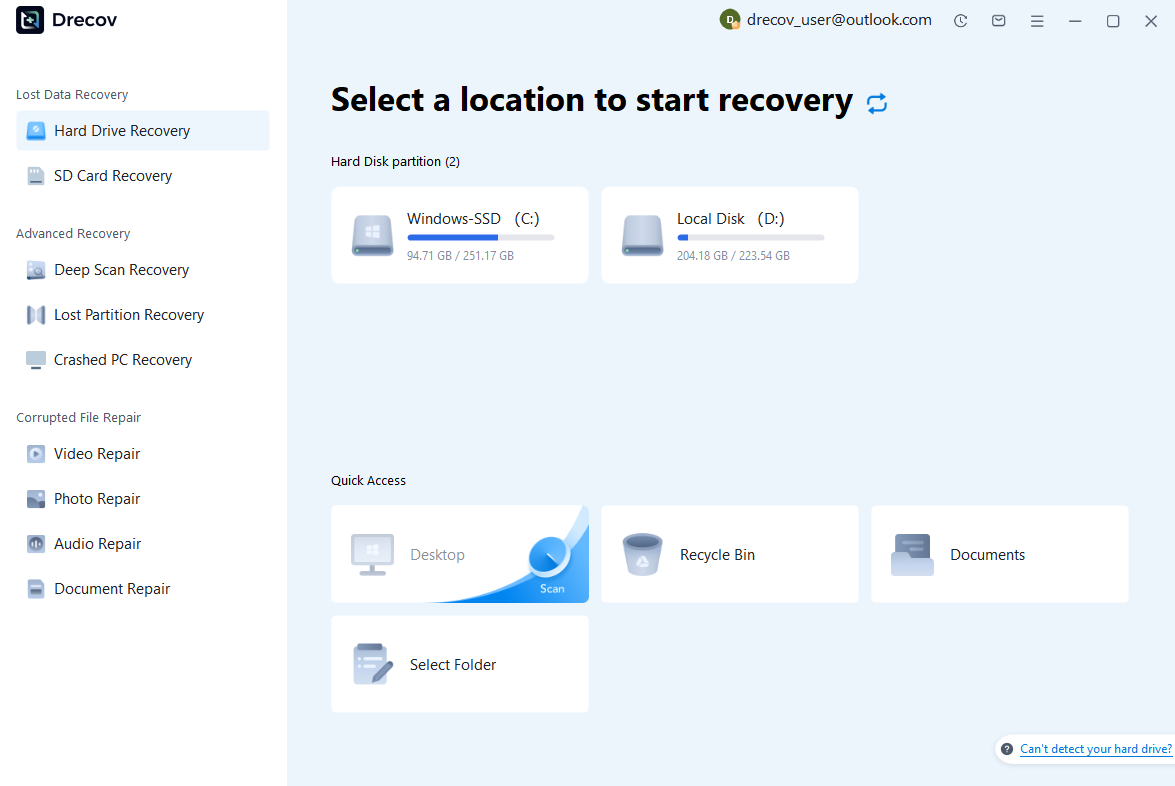
Step 1: Connect the Drive / USB)
Connect your device (SD card, HDD/SSD, or USB drive) to your computer and launch PandaOffice Drecov. Select the target device and start the scan. The software will perform a quick scan and deep scan to detect lost or deleted data.
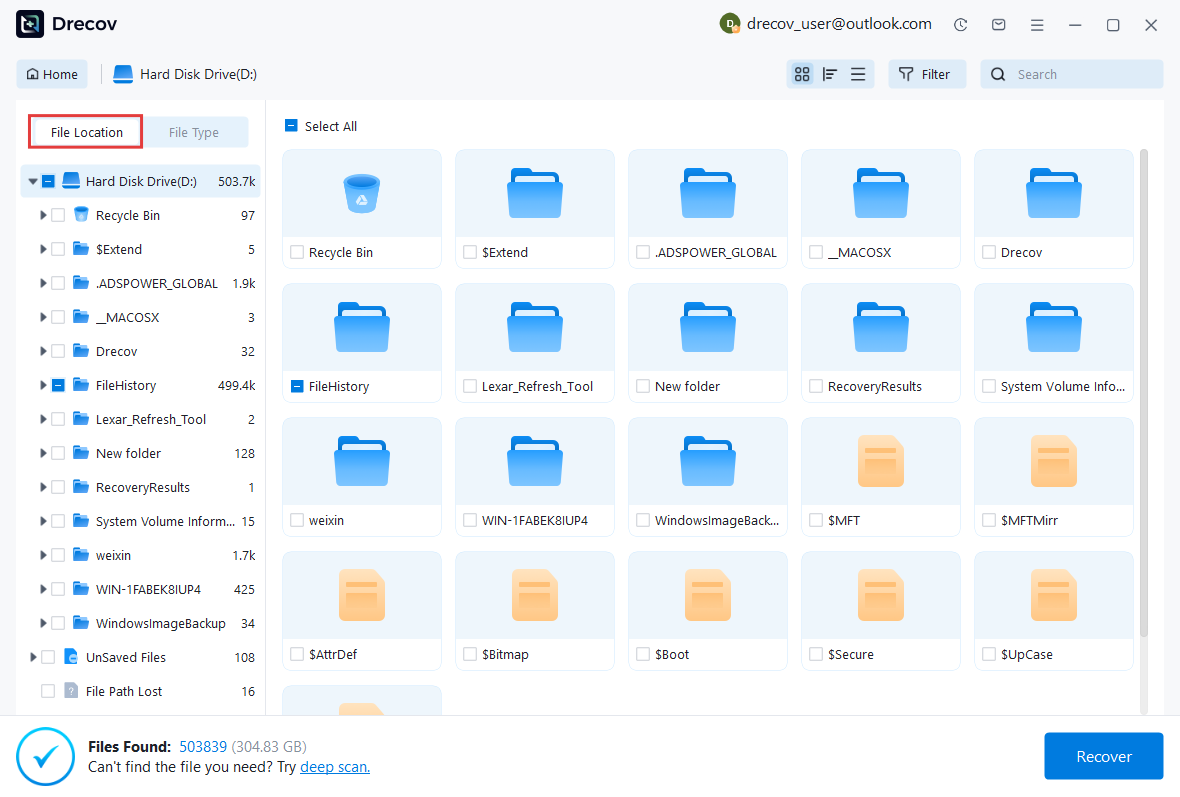
Step 2: Locate and Preview Lost Files
After scanning, browse the detected files and use the preview feature to check recoverable data. You can preview documents (Word, Excel, PDF), photos, and videos to ensure file integrity before recovery.
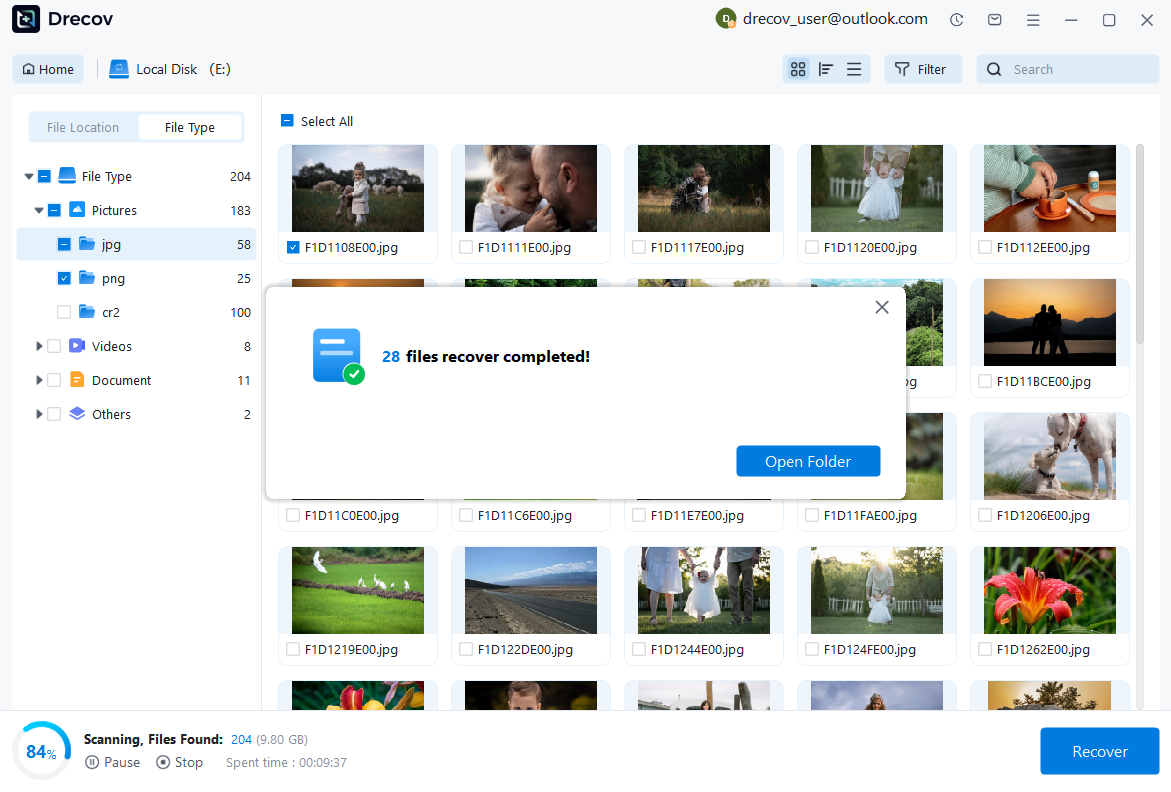
Step 3: Recover and Save to a New Location
Select the files you want to restore and click recover. Save all recovered data to a different drive or location (not the original device) to avoid overwriting lost data.
Why Choose PandaOffice Drecov Recovery Software?
PandaOffice Drecov offers a fast, secure, and user-friendly solution for recovering lost files across multiple scenarios. Whether you need email recovery, ZIP File Recovery, format data recovery, or help to recover deleted drafts Outlook, the software provides reliable recovery performance for both personal and business users.
PandaOffice Drecov supports recovery from formatted hard drives, SSDs, USB drives, SD cards, and external storage devices. Its advanced scanning engine can locate deleted archives, damaged ZIP files, lost Outlook drafts, and accidentally removed documents with high accuracy. For users searching for how to find deleted messages in Teams, PandaOffice Drecov can also help recover exported chat files, attachments, and related local cache data when available.
After recovery, test the file again. If the audio stream was damaged because of storage issues, a recovered version may play normally.
This method is particularly useful when only a few files exhibit audio problems while VLC works correctly with all other media.
This method can help users recover files from floppy disk storage after accidental deletion, formatting, or logical corruption.
The evaluation used a dedicated desktop workstation running a clean installation of Windows 11 Pro (Build 22631). The system featured an Intel Core i7 processor, 32GB of RAM, and a PCIe Gen4 solid-state drive. A 64GB SanDisk Extreme PRO memory card formatted with the exFAT file system served as the testing media. The test intentionally detached the card’s logical file allocation structures to simulate a realistic file corruption scenario before the recovery process began.
Method 2: Utilizing Native Check Disk Command Utilities for File System Repair
Fixing Logical Allocation Tables via Command Line Interfaces When an operating system detects a file system error on your media, native structural repair commands can sometimes fix the allocation pathways without third-party tools. The command-line utility scans the logical allocation sectors, identifies mismatched file cross-references, and attempts to realign the drive indices. For users trying to recover avchd files from sd card structures, this method works well if the video data is intact but the drive letter path is blocked. It repairs basic directory issues, restoring normal access to your media folders.
Executing the System Repair Sequence Open your operating system’s search menu, type the command application name, and select the option to run the utility with full administrative permissions. Input the standard check disk repair instruction followed by your specific flash drive letter and the appropriate fix parameters. Press enter to let the system analyze the storage structure, patch logical directory mismatches, and relocate orphaned file clusters. Once completed, restart your workstation, open the file explorer window, and check if the recording directories have returned to their normal state.
Configuring the Standardization Test Environment This operational process was tested on an AMD Ryzen 5 workstation running a fully updated version of Windows 10 Enterprise (Version 22H2). The test hardware utilized 16GB of DDR4 system memory along with a high-speed internal storage drive array. The testing media consisted of a 32GB Kingston Canvas Select memory card configured with a standard FAT32 file system layout. This evaluation card was intentionally corrupted by removing it from an active card interface during a simulated file browsing sequence.
Method 3: Assigning Alternative Storage Drive Paths via Disk Management
Resolving Volume Access Blocks and Drive Letter Conflicts Sometimes, high-definition video clips become inaccessible simply because the host operating system fails to assign a valid drive letter path to the flash media. This common system glitch occurs when hidden network mappings or connected peripherals block the automatic assignment of drive letters. By opening the native disk management console, you can manually override these configuration conflicts and assign a unique drive path to the card. This process re-establishes the connection to the directory root, allowing you to access your files without running a full system scan.
Reconfiguring the Device Path Parameters Right-click on your primary system start icon and select the disk management utility from the advanced tools context menu. Scroll through the lower volume layout pane to find your flash storage drive, right-click its graphical block, and select the path modification option. Click the add button, choose a fresh, unused drive letter from the dropdown selection box, and apply the structural adjustments. Open your file browser directory to confirm that the storage volume is accessible and that the private media folder structures show up properly.
The test environment used a Microsoft Surface Laptop running a standard installation of Windows 11 Home. The device included 8GB of RAM and a high-speed internal solid-state drive. A 128GB Lexar Professional memory card formatted with the exFAT file system served as the testing media. The test deliberately mapped conflicting network paths to the same drive letter assigned to the memory card, creating a volume assignment conflict for evaluation.
Step-by-Step Execution: How to Recover AVCHD Files from SD Card Structures
Alternative Data Recovery Strategies and Advanced File Extraction
Method 4: Reverting Drive States via Driver Reinstallation Protocols
Fixing Driver Conflicts on Storage Interfaces When a computer’s USB controller drivers become corrupted, it can prevent the operating system from reading flash memory cards properly. This issue often looks like hardware failure, causing the memory card to show up as unallocated or entirely unreadable in file explorer. To fix this, you can force the operating system to uninstall the corrupted device controllers and refresh its hardware configuration blocks. This reset allows the operating system to rebuild its data pipelines, restoring normal communication with your media card.
Executing the Device Driver Reset Right-click your system start button, open device manager, and expand the disk drives section to find your connected storage card. Right-click the name of your card reader device, select the uninstall command, and confirm the action in the system popup box. Once the device is removed, unplug your card reader from the USB port, wait a few moments, and plug it back into a different port. Your system will automatically detect the hardware, install fresh controller drivers, and reload the video folder structures.
The test environment used an Intel-based desktop running a clean installation of Windows 11 Professional. The system included 64GB of RAM and a high-speed NVMe SSD as the primary storage device. A 64GB Sony Tough series USB flash drive formatted with the exFAT file system served as the testing media. To recreate a driver conflict, the test intentionally corrupted the USB mass storage controller configuration entries in the Windows Registry.
Method 5: Extracting Media Tracks from Temporary Operating System Caches
Locating Hidden Temporary Files and System Folders When video files disappear from a storage card, the host operating system sometimes saves temporary copies in its system cache folders. These temporary directories act as a safety net during file transfers, holding backup data blocks before completing the main write command. If a file transfer gets interrupted, you can often find the missing video data hidden inside these protected folders. Accessing these system directories allows you to rescue your files without needing to run an intensive scan on the memory card itself.
Navigating and Restoring Cached Data Packages Open the system run dialog box by pressing the Windows key and R together, type the temporary folder command, and press enter. Sort the files by modification date to locate hidden files created around the time your videos went missing. If the files have generic names or extensions, copy them to a safe folder on your desktop and change their extensions back to match your original video files. Open the renamed files in a media player to check if the video and audio tracks play correctly.
The test used an HP EliteBook workstation running a standard installation of Windows 10 Pro. The laptop featured 16GB of RAM and an internal solid-state drive. A 32GB PNY Elite memory card formatted with the FAT32 file system served as the testing media. To simulate a temporary cache scenario, the test intentionally interrupted a large file transfer before the copying process completed.
⚠️Warning: Never Save Restored Videos Back to the Source Memory Card Always save your recovered video files to a completely different hard drive on your computer. Saving files back to the original memory card will overwrite other deleted items, permanently destroying any remaining data blocks.
Answers to Common Questions About High-Definition Media Recovery
FAQ 1: Can I restore deleted videos if the camera has formatted the card?
Yes, you can often restore your files after a standard camera format because the process only clears the index tables, leaving the raw video data intact. As long as you don’t record new clips onto the drive, professional avchd sd card recovery software can scan the sectors to find and rebuild the original files. However, if the camera performed a full format that overwrites every sector with zeros, the data is permanently lost. Always check your camera settings to see which formatting method was used before attempting a recovery.
FAQ 2: Why do recovered video files sometimes choppy or drop frames during playback?
Choppy video or dropped frames usually happen when the video files become fragmented across different physical sectors on the memory card. Video fragmentation makes data recovery much more challenging because different parts of the same file may be stored in separate locations on the storage device. If recovery software cannot correctly identify the relationship between those fragments, the restored video may suffer from playback errors, frozen frames, or incomplete content. PandaOffice Drecov intelligently analyzes fragmented file structures and reconstructs video data in the proper sequence, helping restore videos with greater accuracy and reliability. This keeps your video and audio tracks perfectly synced up.
FAQ 3: Is it possible to fix a broken private folder layout without losing data?
Yes, you can fix broken private folder structures by using system repair tools or manually rebuilding the required folder paths on a computer. If the underlying data files are healthy, moving them into a freshly created folder structure will often make them readable again on your camera. If the files themselves are unreadable due to directory corruption, running a targeted sector fix will repair the broken paths. This restores your original file structure without affecting your recorded media.
Essential Rules for Protecting Your High-Definition Media Files
Best Practices for Managing Solid-State Media Safely To minimize data risks, always format your memory cards directly inside the camera menu rather than using your computer’s built-in formatting tools. Cameras format cards with specific cluster sizes optimized for high-definition video recording, which helps prevent file fragmentation and errors. Additionally, always use the safe eject option before pulling a card out of your computer to ensure all write operations are finished. These simple habits keep your file structures healthy and protect your work from sudden data loss.
Summary of Reliable Data Recovery Protocols Successfully restoring lost high-definition videos relies on understanding your file system, acting quickly, and choosing the right recovery methods. Whether you use terminal commands, update system drivers, or deploy Pandaoffice drecov for deep sector scanning, keeping your files safe should always be your top priority. By following these proven recovery steps and setting up independent local backups, you can easily protect your valuable recordings from unexpected card errors.
⚠️Warning: Replace Memory Cards That Show Repeated Errors If a memory card causes repeated file errors or disconnects unexpectedly, stop using it immediately. These issues point to internal hardware wear, and continuing to use the card puts your valuable recordings at serious risk





