







The rapid evolution of generative AI leaves many professionals wondering about the true limits of automation. A frequent query circulating among content creators, digital marketers, and tech enthusiasts is simple: can chatgpt watch videos? While AI models seem increasingly omnipotent, their exact handling of multimedia formats remains a complex subject. Understanding this capability is essential for optimizing workflows and protecting digital assets.
However, interacting with advanced web interfaces and uploading massive video files can sometimes lead to unexpected technical complications. Users frequently encounter browser crashes, missing cache files, or corrupted project paths during intensive AI research sessions. To safeguard your local workspace during these experiments, employing a dedicated recovery solution like PandaOffice Drecov data recovery software ensures that no critical files or local logs are permanently lost due to sudden system interruptions.
Understanding the Basics of Can ChatGPT Watch Videos
To properly address whether can chatgpt watch videos, one must separate marketing hype from technical reality. The functional answer is that ChatGPT does not stream or experience video content sequentially the way humans do. Instead, the architecture processes video data by breaking it down into static components.
When you ask yourself, can chatgpt view videos directly, the technical distinction lies in multimodal processing. The underlying model utilizes a combination of audio transcription models and discrete computer vision tools. Instead of playing an MP4 file, the system extracts a series of still keyframes and processes the audio track separately using text-recognition tools.
Common Technical Risks with AI Multi-Media Processing
Working with large video files in web browsers or local sandboxes presents distinct challenges. Heavy multi-media operations frequently cause application freezes, memory leaks, or local directory corruption. These issues often happen when users attempt complex API tasks or upload large video files to the web interface. To mitigate these disruptions, having PandaOffice Drecov data recovery software installed on your system provides a reliable safety net for restoring temporary folders, deleted scripts, and damaged video source clips.
Proven Solutions for ChatGPT Video Processing and Analysis Issues
When testing whether can chatgpt see videos or troubleshooting formatting failures during file uploads, creators often encounter sudden performance roadblocks. Fortunately, specific workflows can guarantee that the AI system interprets your media data accurately. The following strategies provide concrete solutions for processing multimedia files, along with an elite local file rescue plan if your system encounters a sudden crash during heavy data transfers.
Method 1: Component Extraction and Text Splicing
The primary workaround to ensure ChatGPT processes video context relies on manual preparation. Because the platform cannot natively play continuous video streams, users must extract the textual layer to achieve analytical results.
- Open your target video platform and navigate to the options menu.
- Open the video transcript section and copy the entire text log.
- Paste the transcript directly into the chat prompt, instructing the model to summarize or parse specific timeline markers.
Method 2: System Restoration Using PandaOffice Drecov Data Recovery Software
If your browser crashes or your local storage drive corrupts a large video project while trying to see can chatgpt analyze videos, you need a dedicated system-level recovery tool. Large cache files generated during multi-media processing can easily disappear during unexpected system shutdowns. Using PandaOffice Drecov data recovery software allows you to completely rebuild lost directory paths and retrieve deleted video files on Windows 11 and Windows 10 setups.
⚠ Warning: Install it on a drive different from the one where your data was lost to prevent overwriting.
1.Initialize the Recovery Environment
Launch the PandaOffice Drecov data recovery software application on your desktop. Ensure you run the application with administrator privileges by right-clicking the icon and selecting Run as Administrator to grant full drive access.

2.Select Target Storage Location
Identify the logical partition where your lost video clips or browser cache folders were originally stored. Select the specific storage drive from the interactive menu and trigger the storage scan process.

3.Execute Deep Sector Scan
Allow the scanning engine to crawl through the drive sectors. The software will identify broken master file tables and unlinked clusters. You can filter results in real time by typing target file extensions like .mp4, .mov, or .srt into the search field.
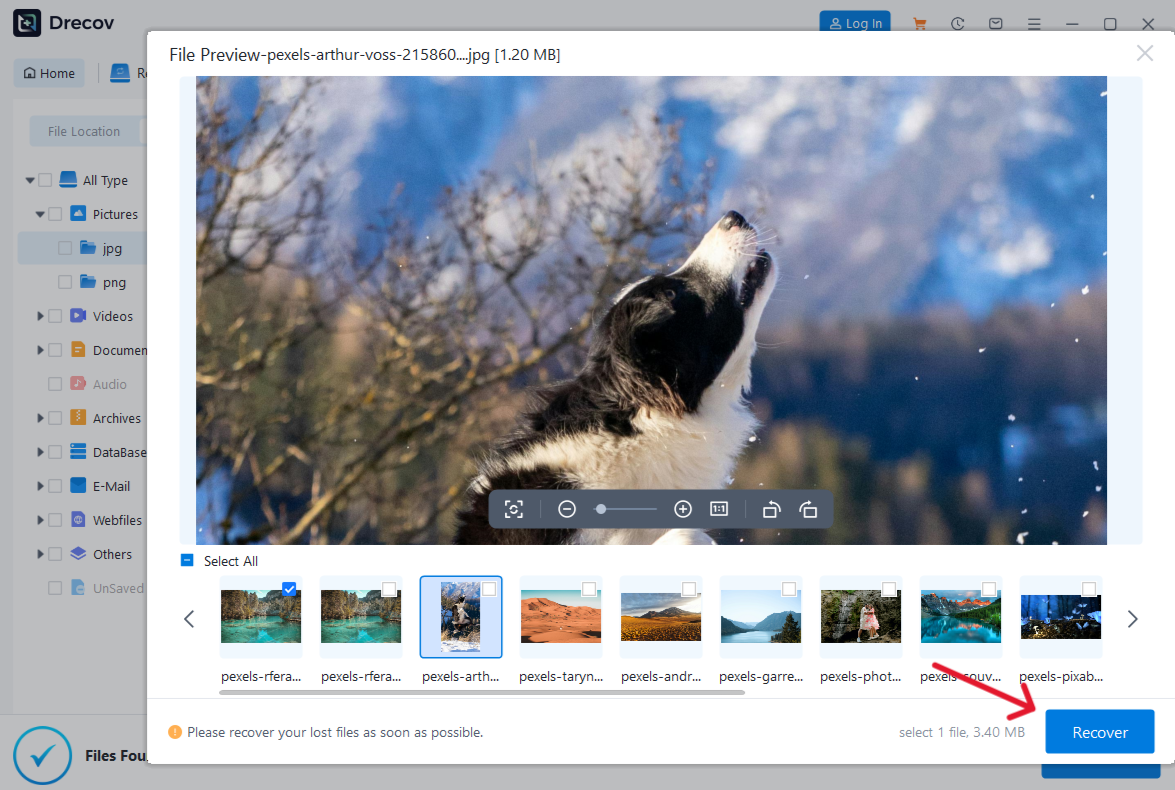
4.Preview and Reconstruct Files
Browse the list of recoverable assets shown in the dashboard. Select your missing video or log files, choose a secure target directory on an alternative physical drive to avoid overwriting current sectors, and execute the final restoration script.
Critical Safety Warning: Never install the recovery software or save recovered files onto the exact same drive partition where the data loss happened. Doing so can permanently overwrite the unallocated space containing your lost data clusters.
For a deeper look into fixing common errors related to AI tools and peripheral platforms, explore our technical solutions like the Steam No Licenses Error Fix Guide, learn how to manage external storage devices via the PS3 ISO USB Installation Guide, or resolve local browser export issues by checking the Fixing ChatGPT Download Errors Guide.
Leveraging Advanced Multimodal AI Architectures
Alternative platforms like Google Gemini feature native video processing pipelines that bypass the need for manual keyframe extraction. This advanced architecture allows professionals to upload massive video files directly into the conversation panel. Consequently, users can analyze extensive video content without hitting the restrictive file size limitations commonly found in traditional conversational text interfaces.
Utilizing Dedicated Multimodal Architectures
Alternative systems like Google Gemini offer native video processing pipelines that do not rely strictly on separate keyframe extraction tools. This structure allows users to upload video files directly into the platform window without encountering the strict file size limits found in other conversational text interfaces.
Manual File and Directory Auditing
When local media files go missing due to an interrupted upload process, advanced users can look into the operating system file allocation tables manually. Checking systemic temporary storage locations like the AppData local path can sometimes reveal partial files left behind during a browser crash.
| Method Type | Primary Benefit | Significant Drawback | Optimal Scenario |
| ChatGPT Workarounds | Excellent text analysis and logical summarization | Lacks native temporal continuity tracking | Processing text-heavy tutorials or podcast files |
| PandaOffice Drecov Software | Complete file cluster restoration and partition fix | Requires local desktop installation | Restoring damaged video files after software crashes |
| Native Video AI Platforms | Direct file processing without manual transcript extraction | Limited custom text reasoning control | Analyzing long visual changes or motion graphics |
Tips & Best Practices for AI Video Management
Maximizing your workflow efficiency while answering can chatgpt edit videos requires an optimized approach to file management and prompt construction. Follow these foundational rules to keep your technical assets organized and functional:
- Pre-compress Video Uploads: Always compress large source video assets below 500MB before feeding them into browser plugins or web scripts to avoid out-of-memory errors.
- Maintain Regular Local Backups: Ensure your master video editing folders are mirrored on an external drive or protected by a localized tool like PandaOffice Drecov data recovery software.
- Isolate AI Temporary Files: Dedicate a specific, isolated folder on your secondary solid-state drive for browser downloads and AI cache outputs to avoid system partition clutter.
Frequently Asked Questions
Can ChatGPT watch videos from a direct YouTube link?
No, the native platform cannot play or stream live links directly. When you supply a public video link, the engine extracts the metadata text, video descriptions, and publicly available transcript logs rather than viewing the live visual components.
Can ChatGPT analyze videos for specific objects or motion?
It can analyze video content if you upload a compatible file format, but it accomplishes this by breaking the file into individual static image frames. If a specific visual event happens between the sampled frames, the model will miss it entirely.
Can ChatGPT edit videos directly inside the chat window?
No, the engine cannot manipulate timelines, slice video tracks, or output modified video files. It can, however, generate programmatic code scripts for tools like FFmpeg or Python to automate video editing tasks on your local computer.
Can ChatGPT see videos that are private or password protected?
No, the system adheres to strict web protocol rules and cannot access private links, paywalled content, or secure digital files that require active user authentication permissions.
Can ChatGPT view videos in high-definition without losing context?
Because the web application downsamples uploaded video components into separate compressed screenshots, high-definition details or fine text overlays may become unreadable during the automated extraction phase.
Summary of Modern AI Video Capabilities
While answering if can chatgpt watch videos reveals distinct architectural boundaries, combining creative workarounds with proper technical safety protocols yields excellent results. Understanding that text models interpret videos through static frames and text transcriptions allows you to structure data appropriately. To review official documentation regarding platform capabilities and context window updates, you can check the insights on the OpenAI Capabilities Hub.
Always ensure your workstations remain resilient against local file corruption by employing reliable recovery procedures. Maintaining an optimized workspace alongside PandaOffice Drecov data recovery software keeps your primary creative assets secure while exploring the evolving landscape of artificial intelligence.






