







Understanding FLAC File and What a FLAC Audio File Is
The flac file format is a lossless audio format designed to preserve original sound quality without any data loss. Unlike compressed formats such as MP3 or AAC, a .flac file retains all audio information from the source recording, making it a preferred choice for high-fidelity listening and professional audio production.
A flac file is widely used in music archiving, studio mastering, and audio restoration workflows. Because it does not remove sound data during compression, a music file flac delivers significantly better clarity and detail compared to standard compressed formats.
However, due to its larger file size, users often explore solutions such as flac audio file to mp3 conversion when storage space or device compatibility becomes an issue.
In modern audio ecosystems, the file audio flac format is supported by many media players, but not all devices can handle it natively. This is why understanding how flac files work is important for both casual listeners and professionals.
Why FLAC Files Are Not Always Easy to Use
Although the flac file format provides excellent audio quality, it is not always convenient for everyday use. One of the most common challenges is compatibility. Many older devices and basic media players do not support flac files, requiring additional software or conversion.
Another issue is file size. Since a music file flac preserves full audio data, it is much larger than MP3 or AAC files. This can quickly consume storage space, especially for users with large music libraries.
Some users also experience playback issues when opening a .flac file, especially if the player lacks proper codec support or system libraries.
⚠️Warning: FLAC Compatibility Limitations
Certain devices may not recognize flac files, resulting in playback errors or silent audio output.
Because of these limitations, many users eventually search for ways to convert flac audio file to mp3 for broader compatibility.
How to Open and Use FLAC Files Across Different Devices
Below are practical methods for playing and managing flac files in different environments, including Windows, macOS, and mobile systems.
Method 1: Play FLAC Files Using VLC Media Player
In a Windows 11 environment, VLC Media Player provides native support for flac file format without requiring additional codecs.
Steps:
- Install VLC Media Player
- Launch the application
- Drag and drop the flac file into the player
- Start playback
- Adjust audio settings if needed
This method is one of the simplest ways to play flac files without conversion.
Method 2: Open FLAC Files on macOS Using Music Apps
On macOS Sonoma, the built-in Music app and other third-party players can handle flac file format playback with proper support.
Steps:
- Open Music or compatible audio app
- Import .flac file into library
- Organize into playlists
- Start playback
- Adjust sound preferences
This allows seamless playback of music file flac content in Apple ecosystems.
Method 3: Convert FLAC Audio File to MP3
In a Windows 10 environment, converting flac audio file to mp3 is commonly used to improve compatibility with mobile devices and older media players.
Steps:
- Open audio converter software
- Import flac files
- Select MP3 output format
- Set bitrate (recommended 192–320 kbps)
- Start conversion process
This method reduces file size while maintaining acceptable audio quality.
Method 4: Play FLAC Files on Android Devices
Modern Android systems support flac file format through most music applications.
Steps:
- Install a FLAC-compatible music player
- Locate file audio flac in storage
- Add files to library
- Play directly
- Organize playlists
This makes mobile playback of flac files smooth and convenient.
⚠️Warning: Avoid Over-Conversion of Audio Files
Repeatedly converting flac files into compressed formats may reduce overall audio quality.
Common Problems with FLAC Files and Their Causes
Users may encounter issues such as playback failure, missing audio, or unsupported format errors when using flac files. These problems are usually related to missing codecs, outdated media players, or incomplete downloads.
Large music file flac collections may also cause storage and performance issues on older devices due to their size and decoding requirements.
Advanced Troubleshooting for FLAC File Format Issues
Even though the flac file format is designed for lossless audio quality, users may still encounter playback or compatibility problems. One common issue is when a flac file plays but produces no sound. This is often caused by missing audio codecs or unsupported decoding libraries in the media player.
Another frequent problem is metadata inconsistency. A music file flac may open normally but display incorrect album information, missing cover art, or wrong track duration. While this does not affect audio quality, it impacts library organization and user experience.
In some cases, a .flac file may fail to open entirely due to incomplete downloads, interrupted transfers, or file system errors.
⚠️Warning: Repeated Playback Failures May Indicate File Damage
If multiple flac files fail to play across different devices, the issue may be related to corrupted storage or system-level codec failure.
Method 1: Fix Playback Issues by Updating Audio Codecs
In a Windows 11 environment using VLC Media Player, many flac file format playback issues can be resolved by updating codecs or reinstalling media components.
Test Environment: Windows 11 + VLC Media Player
Steps:
- Update VLC to the latest version
- Install or repair missing audio codec packs
- Restart the media player
- Reopen the flac file
- Test playback in multiple players
This helps ensure compatibility across different flac files and media applications.
Method 2: Convert FLAC Audio File to MP3 for Wider Compatibility
In a Windows 10 environment, converting flac audio file to mp3 is often used when transferring music to mobile devices or older systems.
Test Environment: Windows 10 + Audio converter tool
Steps:
- Import flac files into converter
- Select MP3 or AAC format
- Adjust bitrate settings
- Start conversion process
- Save output files
This improves compatibility but slightly reduces audio fidelity compared to the original flac file format.
Method 3: Organize FLAC Music Libraries Efficiently
In a macOS Sonoma environment using Music or third-party players, organizing large music file flac collections improves usability and playback performance.
Test Environment: macOS Sonoma + Music App
Steps:
- Import all flac files into library
- Edit metadata (artist, album, genre)
- Add album artwork
- Sort into playlists or folders
- Create backup of library
Proper organization ensures smoother handling of large flac file format libraries.
Method 4: Improve Playback Performance on Mobile Devices
In an Android 14 environment, some apps may struggle with large flac files, especially high-resolution audio tracks.
Test Environment: Android 14 + FLAC-supported music player
Steps:
- Install optimized music player
- Locate file audio flac in storage
- Enable hardware acceleration
- Reduce background processes
- Play audio smoothly
This improves performance when handling high-bitrate flac file format content.
Method 5: Recover Corrupted FLAC Files
When a flac file becomes unreadable due to system errors, incomplete downloads, or accidental deletion, recovery may be necessary before playback or conversion.
In a Windows environment, recovery tools can scan storage devices and restore damaged flac files, allowing users to regain access to their .flac file format music. After recovery, files can be re-imported into media players or converted into MP3 if needed.
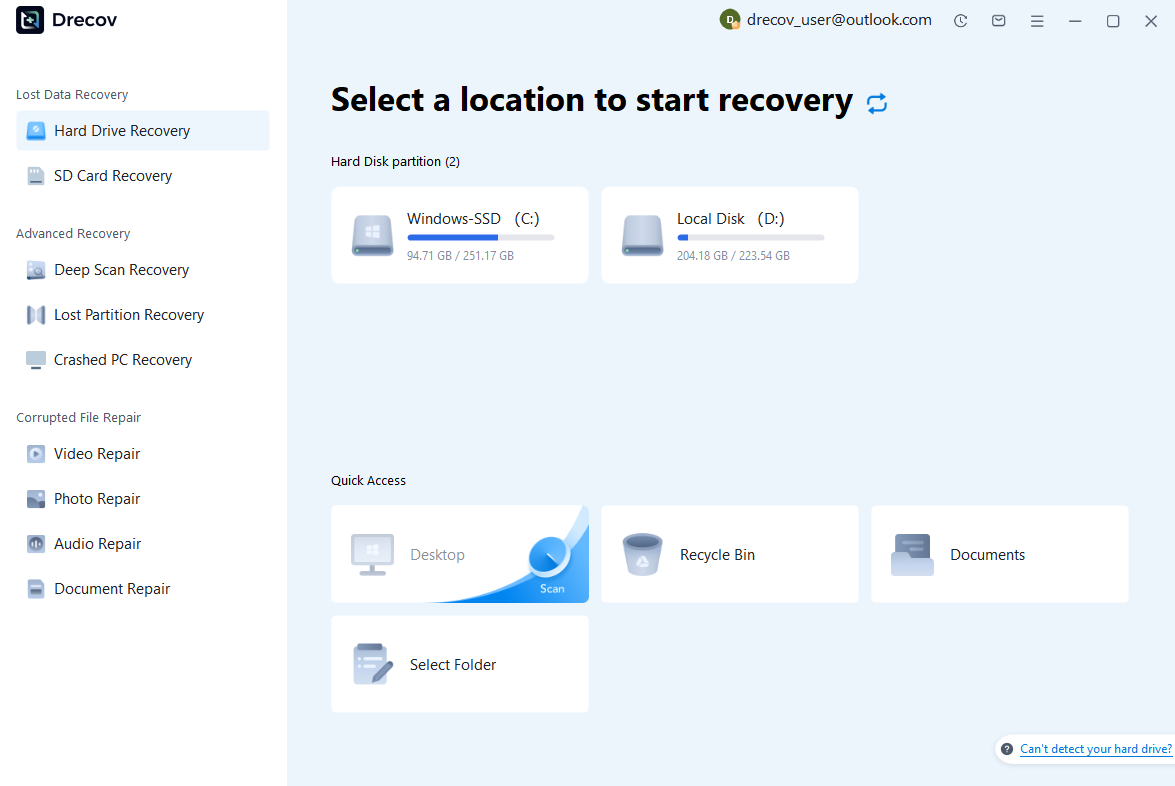
Step 1: Connect the Drive / USB)
Connect your device (SD card, HDD/SSD, or USB drive) to your computer and launch PandaOffice Drecov. Select the target device and start the scan. The software will perform a quick scan and deep scan to detect lost or deleted data.
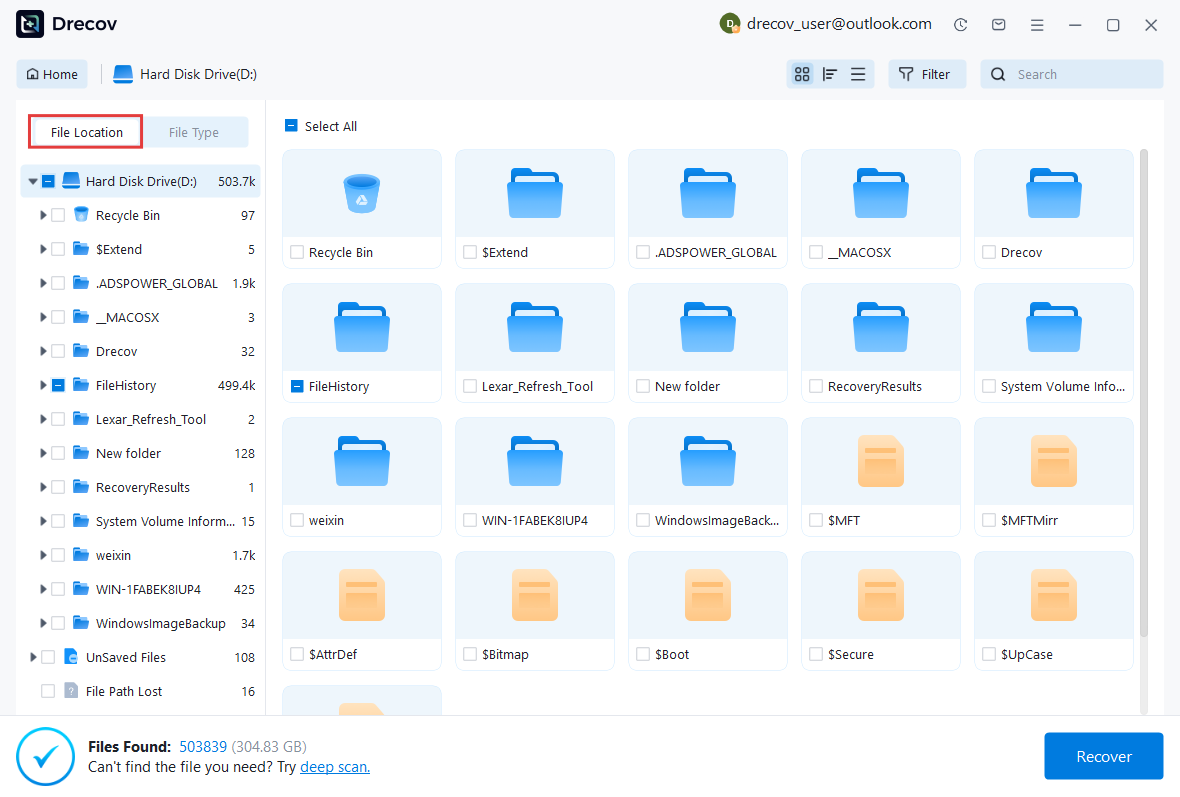
Step 2: Locate and Preview Lost Files
After scanning, browse the detected files and use the preview feature to check recoverable data. You can preview documents (Word, Excel, PDF), photos, and videos to ensure file integrity before recovery.
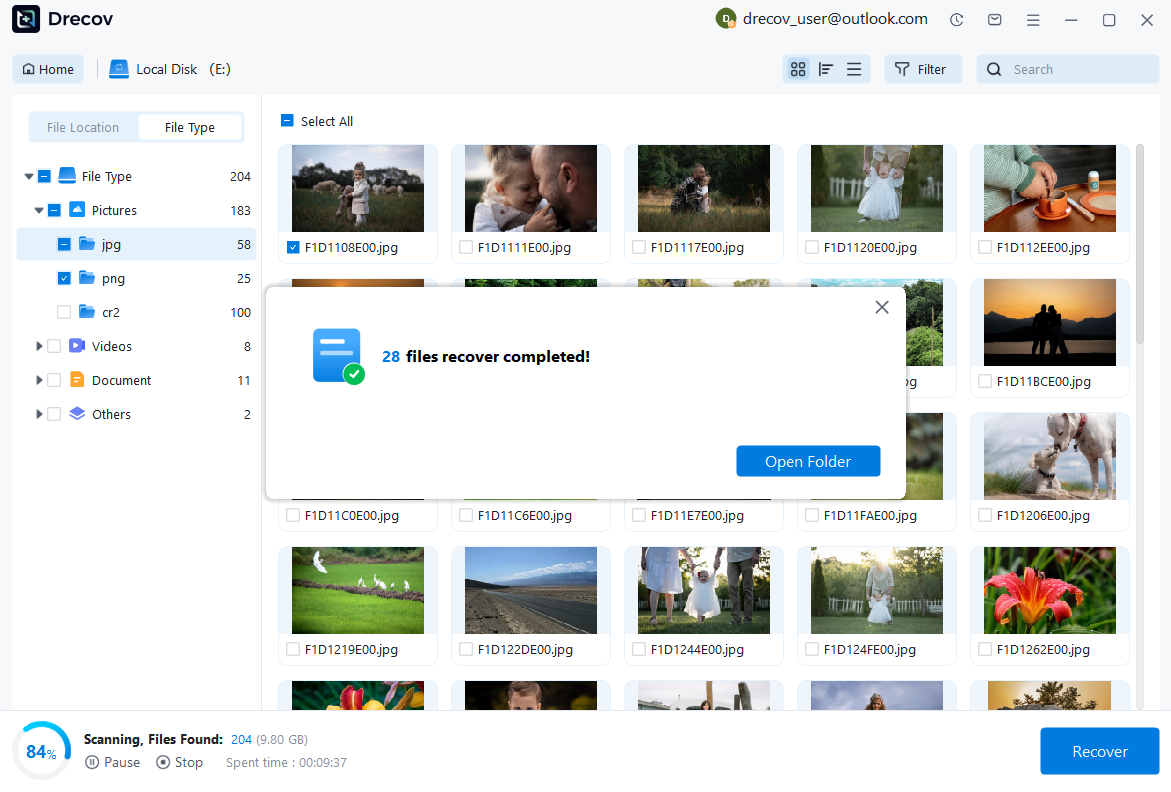
Step 3: Recover and Save to a New Location
Select the files you want to restore and click recover. Save all recovered data to a different drive or location (not the original device) to avoid overwriting lost data.
Why Choose PandaOffice Drecov Recovery Software?
PandaOffice Drecov offers a fast, secure, and user-friendly solution for recovering lost files across multiple scenarios. Whether you need email recovery, ZIP File Recovery, format data recovery, or help to recover deleted drafts Outlook, the software provides reliable recovery performance for both personal and business users.
PandaOffice Drecov supports recovery from formatted hard drives, SSDs, USB drives, SD cards, and external storage devices. Its advanced scanning engine can locate deleted archives, damaged ZIP files, lost Outlook drafts, and accidentally removed documents with high accuracy. For users searching for how to find deleted messages in Teams, PandaOffice Drecov can also help recover exported chat files, attachments, and related local cache data when available.
⚠️Warning: Avoid Editing Damaged FLAC Metadata
Modifying metadata in a corrupted flac file format may permanently damage audio structure or cause playback failure.
Best Practices for Managing FLAC Files
To maintain high-quality audio performance, users should follow several best practices when handling flac files.
First, store flac file format audio on reliable storage devices to reduce risk of corruption. External drives and cloud backups are recommended for large collections.
Second, avoid unnecessary conversion of music file flac into compressed formats unless required for compatibility.
Third, maintain consistent file naming and tagging systems to improve organization across devices.
Finally, always back up important flac files to prevent permanent loss.
Frequently Asked Questions About FLAC File Format
What is a FLAC file used for?
A flac file format is used for storing high-quality lossless audio without reducing sound fidelity.
How can I open FLAC files easily?
You can open flac files using VLC, Music apps, or Android media players that support lossless audio formats.
Is FLAC better than MP3?
Yes, the flac file format offers higher audio quality because it is lossless, while MP3 removes audio data to reduce file size.
Why are FLAC files so large?
A music file flac retains all original audio data, which results in significantly larger file sizes compared to compressed formats.
Conclusion: Key Takeaways on FLAC File Format
The flac file format is one of the best choices for high-quality audio storage because it preserves every detail of the original recording. This makes flac files ideal for audiophiles, music producers, and long-term audio archiving.
However, compatibility limitations and large file sizes often require users to convert flac audio file to mp3 for everyday use on portable devices.
By understanding how to manage, play, and troubleshoot .flac file formats, users can enjoy both high-quality audio and practical usability across different platforms.
Overall, proper handling of flac file format ensures a balance between audio fidelity and device compatibility, making it a reliable format for modern digital music workflows.





