







Steam automatically starts with Windows on many computers by default. While this feature allows players to quickly access their games, it can also increase startup time and consume system resources, especially on computers with limited memory or slower storage devices.
Some users prefer opening Steam only when they want to play games instead of allowing it to run every time they turn on their PC. In these situations, knowing how to stop steam from opening on startup can help improve Windows boot speed and reduce unnecessary background activity.
Steam startup behavior is controlled through several settings. Users can disable automatic launching from the Steam client itself, manage startup applications through Windows settings, or adjust background processes that allow Steam to run after system startup.
Some players may also notice that Steam launches when they start specific games. This can happen because certain games require Steam services, overlays, or authentication features. Understanding how to stop steam from opening on game startup requires checking both Steam settings and game-related options.
This guide explains different ways to prevent Steam from launching automatically. Whether you want to disable Steam completely during Windows startup or only control specific launch behaviors, the following solutions can help you manage Steam more effectively.
Why Does Steam Open Automatically When Windows Starts?
Understanding Steam Startup Behavior
Steam is designed to provide a convenient gaming experience by running in the background after Windows starts. When automatic startup is enabled, Steam launches immediately after users sign in to their Windows account.
This feature allows Steam to perform several background tasks, including:
- Checking for client updates
- Synchronizing cloud saves
- Updating installed games
- Receiving notifications
- Preparing gaming services
Although these functions can be useful, they are not necessary for every user. If Steam launches automatically every time the computer starts, it may delay the boot process or use system resources before the user opens any games.
The startup behavior is usually controlled by Steam settings or Windows startup permissions. When users install Steam for the first time, the client may enable automatic launch by default.
Many users search for how to stop steam app from opening on startup because they want more control over which applications run when Windows loads.
Disabling Steam startup does not remove the application or affect installed games. It only changes when the Steam client starts. Users can still open Steam manually whenever they want to access their game library.
Understanding how Steam startup works makes it easier to choose the right method instead of changing unnecessary Windows settings.
Reasons Steam Launches Automatically After Booting
There are several reasons why Steam may continue opening automatically after turning on a computer.
The most common reason is that Steam startup permission remains enabled. When this option is active, Windows launches Steam during the login process without requiring users to open it manually.
Another reason is that Steam may be registered as a Windows startup application. Windows manages many programs through startup settings, allowing applications to launch automatically after boot.
Steam may also continue running because background processes were not completely disabled. Closing the main Steam window does not always stop all Steam services. Some processes may remain active to handle updates, notifications, or synchronization.
Game-related settings can create another startup situation. Some games depend on Steam authentication or require Steam services to launch correctly. In these cases, users may notice Steam opening when starting games even after disabling normal startup behavior.
⚠️Warning: Do not disable unknown Windows startup services unless you understand their purpose. Some background programs are required for system functions.
Before changing settings, determine whether Steam launches during Windows startup or only when specific games are opened. Different situations require different solutions.
How to Stop Steam From Opening on Startup
Disabling Steam Startup Launch From Steam Settings
Steam provides a built-in option that allows users to control whether the client launches automatically when Windows starts.
Test Environment:
- Operating System: Windows 11 Pro
- Steam Client: Latest version
- User Account: Standard Steam account
This is usually the easiest method for users who want to know how to stop steam from opening on startup because it changes the setting directly inside Steam.
Follow these steps:
- Open the Steam client.
- Click the Steam menu in the upper-left corner.
- Select Settings.
- Open the Interface section.
- Find the option related to starting Steam when Windows starts.
- Disable the startup option.
- Restart Steam to apply the changes.
After disabling this setting, Steam should no longer launch automatically when Windows starts.
This method only changes Steam’s own startup preference. It does not uninstall Steam, remove games, or affect saved progress.
If Steam continues opening after changing this option, Windows may still have Steam listed as a startup application. In that case, additional settings need to be adjusted through Windows.
This approach is recommended as the first solution because it is simple and does not modify system files or advanced settings.
Stopping Steam From Starting Through Windows Task Manager
Windows Task Manager provides another way to control programs that launch automatically after startup.
Test Environment:
- Operating System: Windows 11
- Steam Installation: Default location
- Windows Startup Manager: Enabled
If Steam continues opening after changing its internal settings, it may still be registered as a startup program in Windows.
To disable Steam through Task Manager:
- Press Ctrl + Shift + Esc to open Task Manager.
- Select the Startup apps section.
- Find Steam in the application list.
- Right-click Steam.
- Select Disable.
- Restart the computer.
After disabling Steam from startup applications, Windows will prevent the client from launching automatically during system startup.
This method is useful because Windows controls startup programs separately from individual application settings. Even if an application enables automatic launch, users can manage startup permissions through Task Manager.
Disabling Steam from Task Manager does not prevent users from opening Steam manually. The client will continue working normally when launched from the desktop shortcut or Start menu.
For users who want to reduce startup time, reviewing other unnecessary startup programs can also improve overall system performance.
Managing Steam Startup Settings in Windows Apps
Windows includes startup management options inside the Settings application. This provides another way to control whether Steam launches when the system boots.
Test Environment:
- Operating System: Windows 11 Home
- Steam Version: Updated client
- Windows Settings: Default configuration
To disable Steam startup through Windows Settings:
- Open Windows Settings.
- Select Apps.
- Choose Startup.
- Locate Steam in the application list.
- Turn off the Steam startup switch.
This method provides a simple overview of applications allowed to run during startup.
Windows startup settings are especially useful when users manage multiple applications. Instead of changing each program individually, users can review all startup items in one place.
If Steam does not appear in the startup list, it may be controlled through another setting, such as Steam preferences or background services.
After disabling Steam, restart the computer to confirm whether the change works.
Managing startup applications regularly can help improve boot speed and prevent unnecessary programs from consuming memory immediately after Windows loads.
Preventing Steam From Opening When Starting Games
Some users are not concerned about Windows startup but want to understand how to stop steam from opening on game startup.
Test Environment:
- Operating System: Windows 11 Pro
- Steam Games: Installed locally
- Steam Overlay: Enabled
Steam may launch when starting a game because many PC games rely on Steam services for authentication, achievements, multiplayer functions, or cloud synchronization.
In many cases, Steam cannot be completely prevented from opening because the game requires Steam to operate.
However, users can reduce unnecessary Steam activity by adjusting related settings:
- Open Steam settings.
- Review Steam Overlay options.
- Disable features that are not needed.
- Check individual game launch settings.
Some games require Steam to remain active even when launched directly from shortcuts. Removing Steam completely from the launch process may prevent the game from starting correctly.
The goal is usually not to block Steam entirely but to control when it runs and which background features are active.
How to Stop Steam From Opening on Startup
Changing Steam Shortcut and Background Settings
Steam may continue running after startup because certain shortcuts, background settings, or system permissions allow the application to launch automatically. Adjusting these options can help users gain better control over when Steam starts.
Test Environment:
- Operating System: Windows 11 Pro
- Steam Client: Latest version
- Installation Location: Default Steam folder
Some users create desktop shortcuts or configure Windows shortcuts that include automatic launch commands. Checking these shortcuts can help identify whether Steam is being started by a specific command.
To review Steam shortcut settings:
- Right-click the Steam shortcut.
- Select Properties.
- Check the Target field.
- Confirm that no unnecessary startup parameters are included.
- Apply changes if needed.
Users can also reduce background activity through Steam settings:
- Open Steam.
- Go to Settings.
- Review interface and notification options.
- Disable unnecessary background features.
Steam background processes can continue running even after closing the main window. These processes may handle updates, notifications, or synchronization tasks.
Reducing unnecessary background activity does not stop Steam from working. It only prevents the client from using system resources when it is not needed.
For users searching how to stop steam app from opening on startup, checking both Steam settings and Windows shortcuts provides a more complete solution because startup behavior can be controlled from multiple locations.
If Steam still launches automatically after these changes, reviewing Windows services and startup permissions may help identify additional causes.
How to Stop Steam App From Opening on Startup Completely
Removing Steam From Windows Startup Programs
Windows startup programs determine which applications automatically launch after users sign in. Removing Steam from this list can prevent the client from opening without manual action.
Test Environment:
- Operating System: Windows 11 Pro
- Startup Management: Windows Settings
- Steam Client: Updated version
To remove Steam from Windows startup:
- Open Windows Settings.
- Select Apps.
- Choose Startup.
- Find Steam in the application list.
- Turn the startup option off.
Another way is through Task Manager:
- Press Ctrl + Shift + Esc.
- Select Startup apps.
- Locate Steam.
- Choose Disable.
After completing these steps, restart the computer and check whether Steam still launches automatically.
Removing Steam from startup only affects automatic launching. Users can still open Steam manually whenever they want to play games, download updates, or access their library.
This method is especially useful for computers with limited resources. Preventing unnecessary applications from starting with Windows can improve boot speed and reduce memory usage.
However, if Steam keeps appearing after disabling startup options, another application or service may be triggering the launch. In that case, additional checks may be required.
Adjusting Steam Background Processes
Steam uses background processes to provide features such as notifications, updates, and synchronization. While these services improve convenience, they may make Steam appear active even when users do not open it manually.
Test Environment:
- Operating System: Windows 10 Pro
- Steam Client: Latest version
- Background Services: Enabled
To reduce unnecessary Steam background activity:
- Open Steam settings.
- Review notification options.
- Disable features you do not use.
- Close Steam completely after changing settings.
Users can also check active Steam processes through Task Manager:
- Open Task Manager.
- Select the Processes tab.
- Locate Steam-related processes.
- End unnecessary processes if required.
However, users should avoid randomly closing system processes. Some Steam processes are required for updates, downloads, and game functionality.
⚠️Warning: Ending unknown background processes may cause application instability. Only close processes that you recognize.
Managing Steam background activity helps reduce resource usage while keeping the client available when needed.
Checking Windows Permissions and Startup Services
In some cases, Steam may continue opening because Windows services or permissions allow it to launch automatically.
Test Environment:
- Operating System: Windows 11
- User Account: Administrator account
- Steam Installation: Default configuration
Checking startup services can help identify applications that automatically run during system startup.
To review startup services:
- Press Windows + R.
- Enter msconfig.
- Open the Services or Startup section.
- Review Steam-related entries.
- Disable unnecessary startup items.
Users should be careful when modifying system services because some services are required for Windows operation.
If Steam was configured through another startup manager or third-party optimization tool, those settings may also need to be adjusted.
After changing startup permissions, restart Windows and check whether Steam still launches automatically.
For most users, Steam settings, Task Manager, and Windows startup controls are enough to solve automatic launch problems.
Recovering Steam-Related Files After Startup Problems
Restoring Missing Steam Files With PandaOffice Drecov
Sometimes Steam startup problems occur after accidental deletion, system cleanup, storage failures, or damaged files. Missing Steam configuration files may prevent the application from working correctly.
Test Environment:
- Operating System: Windows 11 Pro
- Storage Device: Internal SSD
- Recovery Situation: Deleted Steam-related files
PandaOffice Drecov can scan supported Windows storage devices and search for deleted files that are no longer visible through normal folders.
The tool can analyze internal drives, SSDs, external storage devices, and other supported locations to identify recoverable files.
To recover missing Steam-related files:
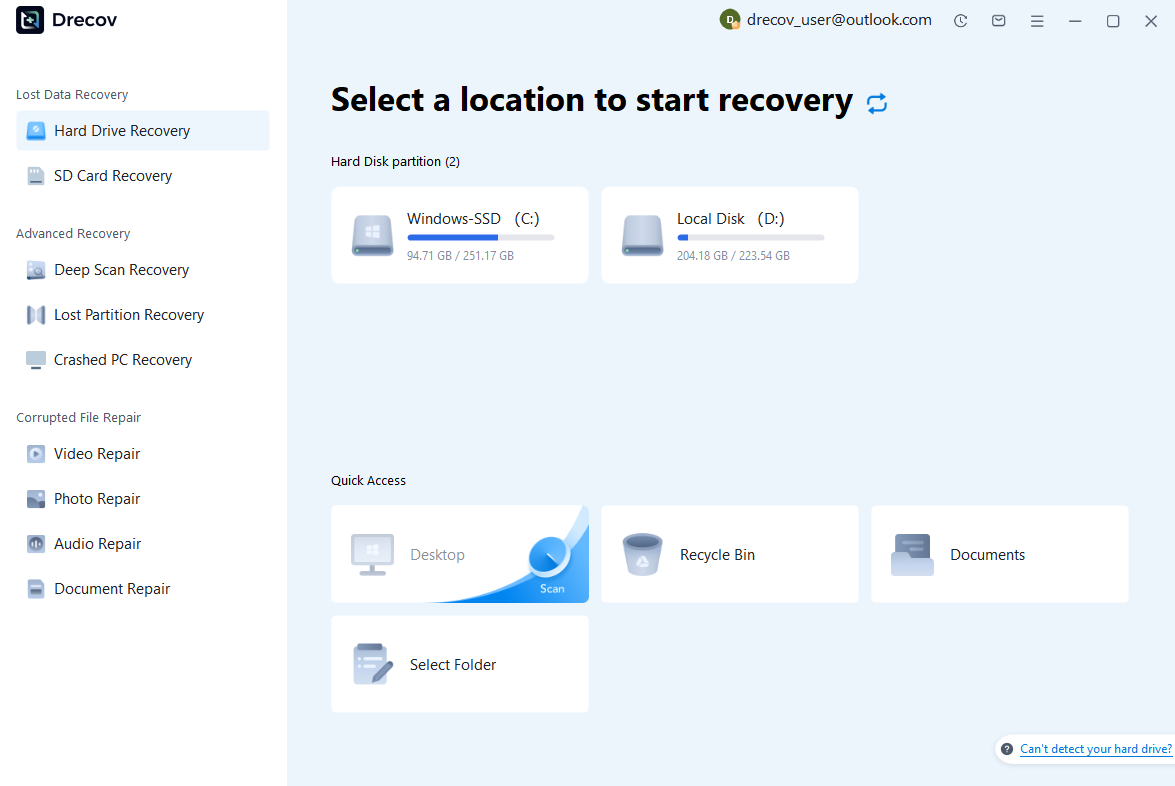
Step 1: Connect the Drive / USB)
Connect your device (SD card, HDD/SSD, or USB drive) to your computer and launch PandaOffice Drecov. Select the target device and start the scan. The software will perform a quick scan and deep scan to detect lost or deleted data.
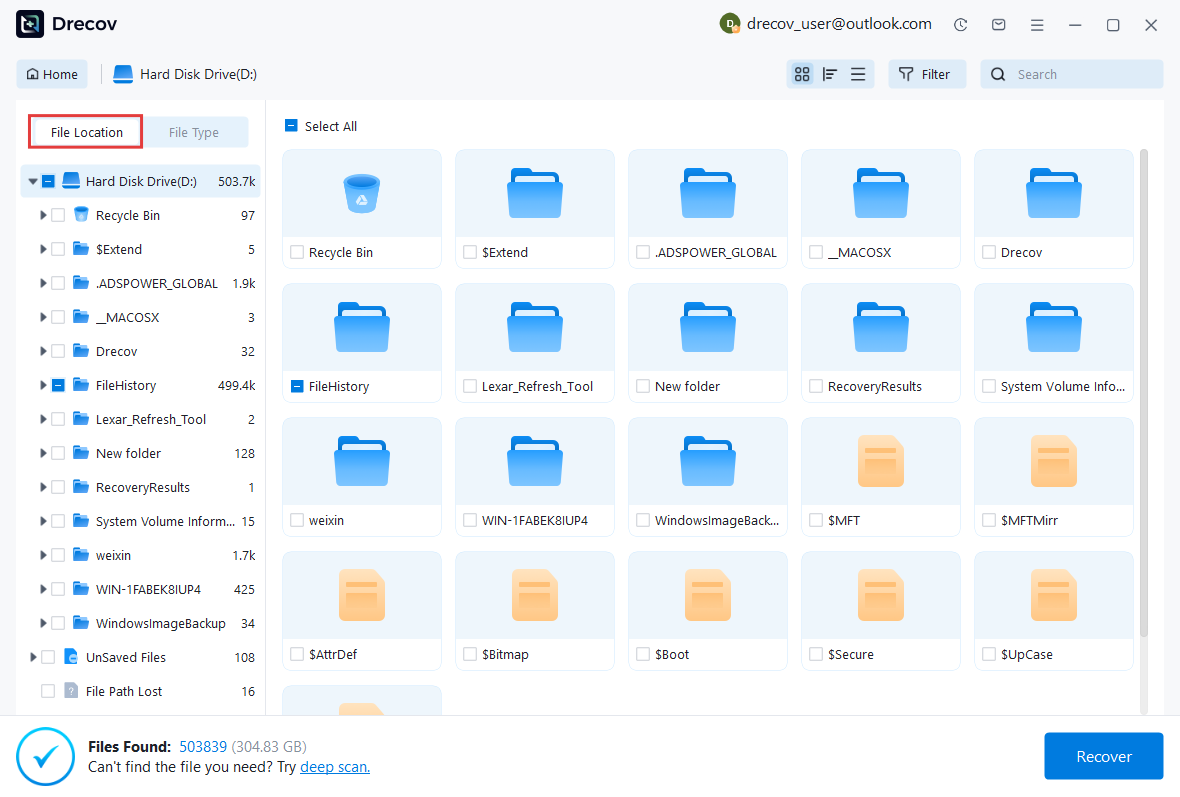
Step 2: Locate and Preview Lost Files
After scanning, browse the detected files and use the preview feature to check recoverable data. You can preview documents (Word, Excel, PDF), photos, and videos to ensure file integrity before recovery.
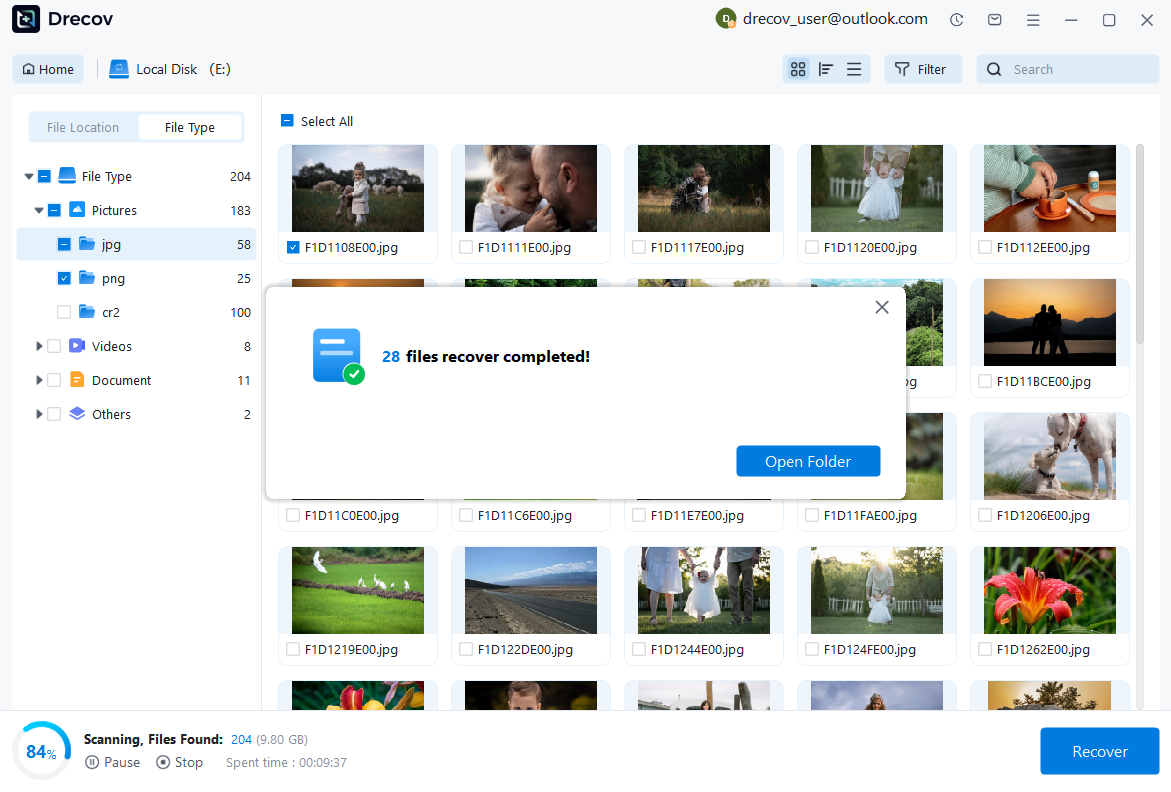
Step 3: Recover and Save to a New Location
Select the files you want to restore and click recover. Save all recovered data to a different drive or location (not the original device) to avoid overwriting lost data.
Some questions you may be interested in:
how to format a hard drive windows 11
how to recover deleted drafts in outlook
what is healthy recovery partition
how to make steam not open on startup
Saving recovered files to a separate location helps prevent deleted data from being overwritten.
This method can be useful when Steam settings, configuration files, or related data disappear because of unexpected system changes.
Recovery success depends on several factors, including how long the files have been deleted and whether new data has replaced them.
Changing In-Game Steam Launch Settings
Some users notice Steam opening whenever they start a game. This behavior is often related to game requirements rather than normal Windows startup settings.
Test Environment:
- Operating System: Windows 11 Pro
- Steam Game Installation: Local drive
- Steam Overlay: Enabled
Many games require Steam services to verify ownership, manage multiplayer features, or synchronize game data.
To reduce unnecessary Steam launching behavior:
- Open Steam Library.
- Right-click the game.
- Select Properties.
- Review launch options.
- Remove unnecessary custom launch commands.
Users should understand that some games cannot run without Steam because they depend on Steam authentication.
Trying to completely block Steam during game startup may prevent certain games from launching correctly.
Instead, users can control features such as overlays, notifications, and background functions to reduce Steam activity while maintaining game compatibility.
Managing Game-Specific Steam Behavior
Different games use Steam services differently. Some only require Steam during startup, while others continue communicating with Steam during gameplay.
Users who want to manage Steam behavior should review each game’s settings separately.
Possible adjustments include:
- Disabling Steam Overlay.
- Turning off unnecessary notifications.
- Managing cloud synchronization.
- Adjusting launch preferences.
These changes allow users to customize Steam behavior without affecting installed games.
Understanding the difference between Steam startup and game-related launching makes troubleshooting easier. A game requiring Steam services is different from Steam automatically opening when Windows starts.
Preventing Unwanted Steam Startup Issues
Keeping Steam Settings Properly Configured
Preventing Steam from opening automatically requires maintaining correct application and Windows settings.
Recommended practices include:
- Review Steam startup settings after updates.
- Check Windows startup applications regularly.
- Avoid installing unknown startup management tools.
- Keep Steam updated.
Steam updates may sometimes restore default preferences, so users may need to check startup options after major client updates.
Regularly reviewing startup programs also helps improve Windows performance.
Maintaining Windows Startup Performance
A clean Windows startup environment improves system responsiveness and reduces unnecessary background activity.
Helpful practices include:
- Disable unused startup applications.
- Keep Windows updated.
- Maintain enough storage space.
- Remove unnecessary background programs.
A well-managed startup process allows users to decide which applications run automatically.
Frequently Asked Questions About Steam Startup Settings
Why Does Steam Keep Opening When I Turn On My PC?
Steam may continue opening when Windows starts because automatic startup settings are enabled either inside Steam or through Windows startup management.
The most common reasons include:
- Steam startup permission is active.
- Steam is listed in Windows startup applications.
- Background processes allow Steam to run after login.
- A shortcut or third-party tool launches Steam automatically.
If you want to know how to stop steam from opening on startup, the first step is checking Steam’s built-in startup settings. Open Steam settings and disable the option that allows Steam to launch with Windows.
If Steam still opens, check Windows startup applications through Task Manager or Windows Settings. These tools manage applications independently from Steam, so disabling startup permission there can prevent automatic launching.
Users should also check whether Steam opens only after starting a game. This is different from normal Windows startup behavior because some games require Steam services to run for authentication, multiplayer functions, or cloud synchronization.
Disabling Steam automatic startup does not remove Steam or affect installed games. It only changes when the client launches.
Does Disabling Steam Startup Affect Installed Games?
No. Disabling Steam startup does not delete installed games, remove saved progress, or change your Steam account information.
When users disable automatic launching, Steam simply waits until they open the application manually.
Installed games remain available in the Steam Library, and users can start Steam whenever they need to:
- Download updates.
- Launch games.
- Access the Steam Store.
- Synchronize supported cloud saves.
Some users worry that stopping Steam from opening automatically may prevent games from working. However, this only affects the timing of Steam startup.
Games that require Steam services will still launch Steam automatically when necessary. For example, some online games need Steam authentication before they can start.
If you are learning how to stop steam app from opening on startup, remember that the goal is to control background startup behavior, not remove Steam functionality.
Users can always restore automatic startup by enabling the same option again in Steam settings or Windows startup management.
Can I Stop Steam From Running in the Background?
Yes. Users can reduce Steam background activity by adjusting several settings inside the Steam client and Windows.
Steam may continue running background processes for:
- Game updates.
- Cloud synchronization.
- Notifications.
- Friend status updates.
- Client maintenance.
To reduce background activity:
- Open Steam settings.
- Review notification options.
- Disable unnecessary features.
- Exit Steam completely when finished.
Windows Task Manager can also show whether Steam processes remain active after closing the main window.
However, completely stopping all Steam processes is not always recommended because some functions depend on background services.
For users who want better performance, managing unnecessary Steam activity is usually more effective than blocking all processes.
Keeping only the features you need allows Steam to work normally while reducing resource consumption.
Final Thoughts on Disabling Steam Automatic Startup
Steam automatically launching with Windows can be convenient for some players, but it may also slow startup times and use system resources unnecessarily. Learning how to stop steam from opening on startup gives users more control over when the gaming platform runs.
The easiest solution is usually disabling Steam’s built-in startup option. If that does not work, Windows startup settings, Task Manager, and background process management provide additional ways to prevent automatic launching.
For users who want to know how to stop steam app from opening on startup, checking both Steam settings and Windows permissions is important because startup behavior can be controlled from multiple locations.
When Steam opens during game launches, the situation is different. Some games require Steam services to function correctly, so completely blocking Steam may prevent those games from starting. Instead, adjusting overlays, notifications, and game-specific settings can provide better control.
Maintaining a clean Windows startup environment, updating Steam regularly, and reviewing application permissions can help prevent unwanted automatic launches.
If Steam-related files are accidentally deleted or damaged during system changes, PandaOffice Drecov can help scan supported Windows storage devices and recover available files.
By managing Steam startup settings properly, users can improve Windows performance while keeping quick access to their games whenever they need them.






