







When trying to open a video file on Windows, some users may encounter the message “0xc00d36e5 item is unplayable”. This error usually appears when the system cannot properly read, decode, or access the video content. It can happen with videos stored on internal drives, external hard drives, USB devices, SD cards, or files downloaded from the internet.
The error message may also appear as “item is unplayable please reacquire the content”, suggesting that Windows cannot locate or process the required media information. In some cases, users may see the complete notification “item is unplayable please reacquire the content 0xc00d36e5”, especially when opening files through the built-in Windows media applications.
There are several possible causes behind this playback problem. The video file itself may be corrupted, the required codec may be missing, the storage device may have errors, or Windows settings may prevent the file from being accessed correctly.
Fortunately, this issue can often be fixed through several troubleshooting methods. This guide explains the common reasons behind the item is unplayable 0xc00d36e5 error and provides practical solutions to restore normal video playback.
Understanding the 0xc00d36e5 Item Is Unplayable Error
What Does the 0xc00d36e5 Item Is Unplayable Message Mean
The 0xc00d36e5 item is unplayable error is a Windows media playback problem that indicates the system cannot successfully open or process a video file. Unlike simple playback delays, this error usually means Windows has encountered a problem accessing the actual media content.
When a video is created, it contains both visual and audio data stored according to a specific structure. The media player needs to correctly read this structure and use compatible codecs to decode the information. If any important part of this process fails, Windows may display the playback error.
The problem can occur with different video formats, including MP4, MOV, AVI, MKV, and other common file types. A file may appear normally in a folder but fail when opened because the internal video information has become damaged or incomplete.
For example, a video copied from a camera, smartphone, or external storage device may become unreadable if the transfer process was interrupted. Similarly, downloaded videos may fail to play if the download was incomplete.
Test environment:
- Operating system: Windows 11
- Media application: Windows Media Player and built-in Movies & TV app
- Video formats tested: MP4 and MOV files
- Storage source: Internal SSD and external USB drive
Understanding the meaning behind this error is the first step toward choosing the correct solution. If the issue is caused by a damaged file, repairing or recovering the video may be necessary. If the problem comes from software settings, changing playback configurations may solve it.
Common Situations That Trigger the Item Is Unplayable Error
The item is unplayable 0xc00d36e5 message can appear in many different situations. Identifying when the error happens can help determine the most suitable troubleshooting method.
One common situation occurs after transferring videos between devices. For example, users may copy videos from a camera SD card to a computer and later discover that some files cannot open. If the transfer was interrupted or the storage device was removed too early, the video data may become incomplete.
Another situation involves videos downloaded from websites or received through messaging applications. If the file was not fully downloaded, Windows may recognize the file extension but fail to read the actual content.
The error can also appear after moving videos from older storage devices. Hard drives, USB flash drives, and memory cards can develop bad sectors or file system problems over time, affecting stored videos.
Users may also experience the problem after Windows updates or changes to media applications. Missing codecs or incompatible playback components can prevent certain formats from opening.
Test environment:
- Device types: USB drive, SD card, and external HDD
- Video sources: Camera recordings and downloaded files
- System tested: Windows 10 and Windows 11
⚠️Warning: Avoid repeatedly opening a damaged video file from a failing storage device. Continuous access attempts may increase stress on the device and make recovery more difficult.
Recognizing the cause of the problem allows users to avoid unnecessary repairs and choose the right approach.
Why Windows Cannot Play Certain Video Files
Windows may fail to play a video file because several components must work correctly at the same time. A video is not simply a collection of images; it contains complex encoding information that requires proper decoding support.
One major reason is codec incompatibility. Different video formats use different compression methods, and Windows needs the correct codec to understand how the video was created. If the required codec is unavailable, the media player may fail to open the file.
Another reason is file corruption. During recording, transferring, or saving, important parts of the video structure may become damaged. Even if the file name and size appear normal, the internal data may no longer be readable.
Storage problems can also affect playback. If the video is stored on a damaged hard drive or memory card, Windows may not be able to access all required data.
File permission issues are another possible cause. Sometimes Windows security settings prevent applications from accessing specific folders or files.
Test environment:
- Computer: Windows 11 desktop
- Storage locations: Local drive and external storage
- Media files: Corrupted and unsupported video samples
A successful fix depends on identifying whether the problem comes from the video itself, the storage device, or the Windows playback environment.
Main Reasons Behind Item Is Unplayable 0xc00d36e5 Error
Corrupted or Damaged Video Files
Video corruption is one of the most common causes of the 0xc00d36e5 item is unplayable problem. When the internal structure of a video file becomes damaged, Windows may not be able to identify important information needed for playback.
Video files contain multiple sections, including headers, audio streams, video streams, and metadata. If any critical section is missing or corrupted, the media player may fail to load the file.
There are many situations that can damage video files. Sudden computer shutdowns during recording, interrupted file transfers, camera errors, and unsafe removal of storage devices can all affect video integrity.
For example, a user recording a long video on a camera may find that the file cannot play after the battery runs out during saving. The file may exist on the memory card, but the recording process was not completed correctly.
Another common case involves copying videos from an external drive. If the connection disconnects before the transfer finishes, the copied file may become incomplete.
Test environment:
- Video source: Camera recording file
- Storage device: SD card
- Computer system: Windows 11
- Problem condition: Video file visible but cannot play
In these situations, changing media players may not solve the problem because the issue exists inside the video file itself. Repairing or recovering the damaged video may be required.
Unsupported Video Formats and Missing Codecs
Another common reason for the item is unplayable please reacquire the content message is missing codec support. Windows media applications do not automatically support every possible video encoding method.
A video file contains information about how its audio and visual components were compressed. If Windows does not have the required decoder, the system may recognize the file but fail to display its content.
For example, some professionally recorded videos or downloaded media files may use codecs that are not included in the default Windows installation.
Installing compatible codecs or using a media player with broader format support can sometimes resolve the issue. However, if the file itself is damaged, codecs alone will not fix the problem.
Test environment:
- Operating system: Windows 10
- Media player: Default Windows playback application
- Video files tested: MP4 and MKV formats
- Issue: Missing codec support
Users should first determine whether the problem affects one specific video or all videos of the same format. If only one file fails, corruption is more likely. If many files fail, codec or system settings may be responsible.
Main Reasons Behind Item Is Unplayable 0xc00d36e5 Error
Problems With Storage Devices or File Transfer
Storage-related problems are another major reason why users encounter the item is unplayable 0xc00d36e5 error. Videos are often stored on SD cards, USB drives, external hard drives, and other removable devices. If these storage devices experience errors, the video files saved on them may become inaccessible.
One common situation happens when a video is copied from one device to another but the transfer process is interrupted. Removing a USB drive too early, losing power during file transfer, or disconnecting a camera while importing videos can result in incomplete files.
Storage devices can also develop logical errors. For example, a damaged file system may prevent Windows from correctly locating or reading the video data. In some cases, the video file name and size remain visible, but the actual content cannot be accessed.
Physical problems can also affect playback. Aging hard drives, damaged memory cards, and unreliable USB devices may contain bad sectors that prevent certain parts of a video file from being read correctly.
Test environment:
- Storage device: External HDD and SD card
- Computer system: Windows 11
- Video files: MP4 and MOV recordings
- Connection method: USB card reader and external drive connection
⚠️Warning: If multiple files from the same storage device suddenly become unreadable, avoid formatting the device immediately. Formatting may remove important information needed for file recovery.
Checking the storage device condition is an important troubleshooting step. If the problem is caused by damaged storage media rather than Windows settings, repairing or recovering the affected videos may be necessary.
Methods to Fix Item Is Unplayable Please Reacquire the Content Error
Restart Windows Media Applications and Check Video Playback
Close and Reopen the Media Player
Sometimes the item is unplayable please reacquire the content message appears because of temporary problems with the media application. Windows media players may fail to load a file correctly because of background errors, application conflicts, or temporary system issues.
Before trying advanced solutions, restart the playback application completely. Close Windows Media Player, Movies & TV, or another video application, then open it again and attempt to play the file.
You can also restart your computer because Windows services related to multimedia playback may need to be refreshed. A system restart can clear temporary memory problems and reload necessary components.
Test environment:
- Operating system: Windows 11
- Media application: Windows Media Player
- Video format tested: MP4 file
- Storage location: Internal SSD
If the error disappears after restarting, the issue was likely caused by a temporary software problem. However, if the same video continues showing the error, the cause may be related to the file itself or system compatibility.
This method is simple and does not modify the video file, making it a safe first step. It is especially useful when the problem occurs suddenly after normal playback worked previously.
Try Playing the Video With Another Media Player
Different media players use different decoding technologies. If one application cannot open a video, another player may successfully read the file.
Windows includes basic playback tools, but they may not support every video format or codec. Installing a media player with broader format compatibility can help determine whether the problem is related to the application rather than the video.
For example, if a video opens successfully in another player, the original application may be missing codec support or have configuration problems.
Test environment:
- Computer system: Windows 10/11
- Media players tested: Multiple desktop video applications
- Video file: MP4 video showing playback error
If every media player displays the same error, the problem is more likely caused by video corruption or storage damage.
This testing method helps separate software problems from file problems. It prevents users from spending time changing settings when the actual issue is damaged video data.
Install Required Video Codecs for Unsupported Files
Check Video Format Compatibility
A missing codec is a common reason behind playback errors. When Windows cannot decode the video stream, it may display messages such as item is unplayable please reacquire the content 0xc00d36e5.
Every video file uses specific encoding methods. Even files with the same extension may use different codecs internally. For example, two MP4 files may require different decoding components depending on how they were created.
To identify whether codec compatibility is the problem, check the video format information. If multiple files using the same encoding method fail, codec support may be missing.
Test environment:
- Operating system: Windows 11
- Video files tested: MP4, MKV, and MOV formats
- Playback tool: Windows default media application
Installing necessary codec packages or enabling additional media features may restore playback support.
However, users should remember that codecs cannot repair damaged videos. If only one specific file fails while other videos play normally, corruption is a more likely cause.
Update Windows Media Components
Windows regularly updates system components that affect multimedia playback. Outdated media features may create compatibility problems with newer video formats.
Check Windows Update settings and install available updates related to system components. Updating these features can improve support for different video formats and fix playback-related bugs.
Test environment:
- System version: Windows 11
- Update status: Latest available system updates
- Playback software: Built-in Windows media application
Keeping Windows updated also improves overall system stability and security. However, if the video file itself is damaged, updates alone will not restore playback.
Move the Video File to Another Location
Copy the Video to a Local Drive
When a video is stored on an external device, network folder, or cloud-synchronized location, access problems may trigger the 0xc00d36e5 item is unplayable error.
Copying the video file to the computer’s internal drive can help determine whether the problem is related to the storage connection.
For example, a video stored on an unstable USB drive may fail during playback because Windows cannot read the data quickly enough.
Test environment:
- Original location: External USB drive
- Destination: Internal SSD
- Computer system: Windows 11
- Video format: MP4 file
After copying the file, try opening the new copy. If it works normally, the original storage device or connection may be causing the issue.
If copying fails or produces an incomplete file, the storage device may contain corrupted data.
Check File Access Permissions
Windows security settings may sometimes prevent applications from accessing certain video files.
This can happen when videos are copied from another computer, downloaded from the internet, or stored in protected folders.
Check the file properties and ensure your user account has permission to read the file.
Test environment:
- Operating system: Windows 10/11
- File location: Protected folder
- User account: Standard Windows account
Changing permissions may restore access when the issue is caused by security restrictions rather than file corruption.
Repair Damaged Videos Using PandaOffice Drecov
Recover Corrupted or Lost Video Files
When the video itself is damaged or accidentally deleted, normal playback troubleshooting may not solve the problem. In these situations, recovering a healthy copy of the video or repairing the damaged file may be necessary.
PandaOffice Drecov provides a Windows-based solution for recovering lost videos from supported storage devices. It can scan drives, identify recoverable files, and help users restore videos that have become inaccessible because of deletion, formatting, or storage errors.
This method is useful when videos are missing, corrupted after transfer, or stored on devices showing errors.
The recovery process generally includes:
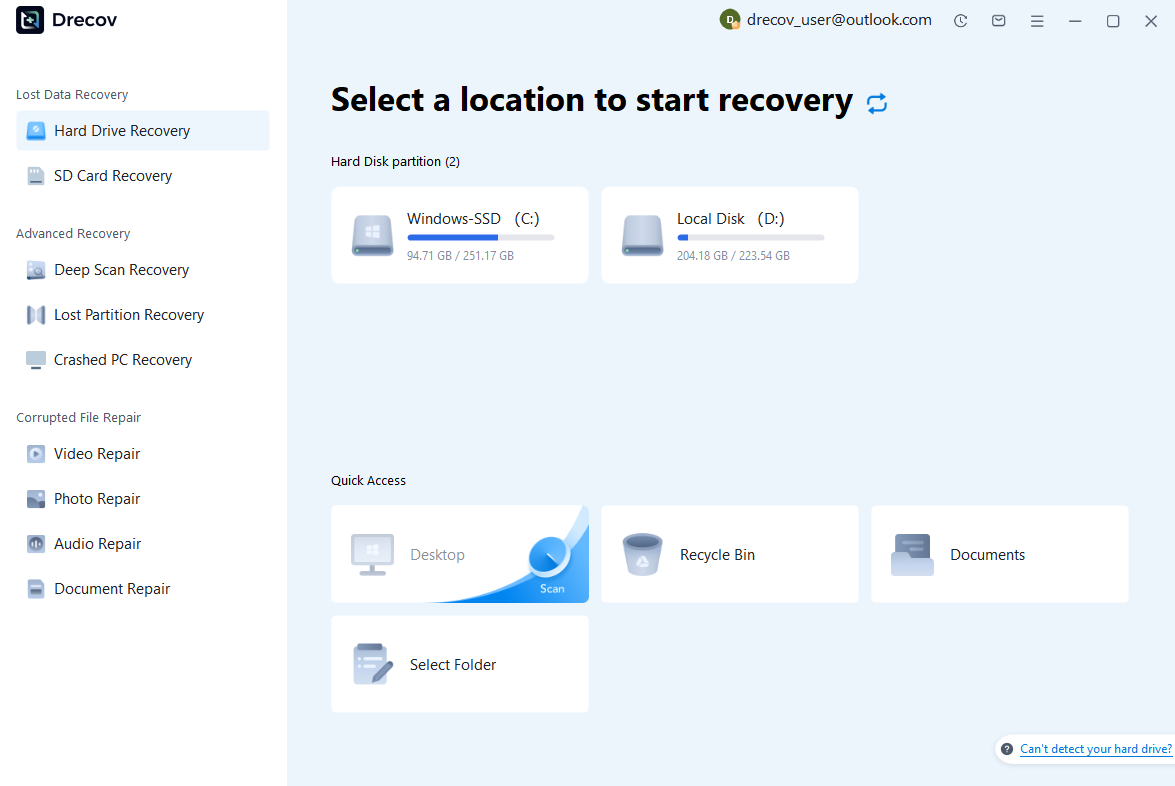
Step 1: Connect the Drive / USB)
Connect your device (SD card, HDD/SSD, or USB drive) to your computer and launch PandaOffice Drecov. Select the target device and start the scan. The software will perform a quick scan and deep scan to detect lost or deleted data.
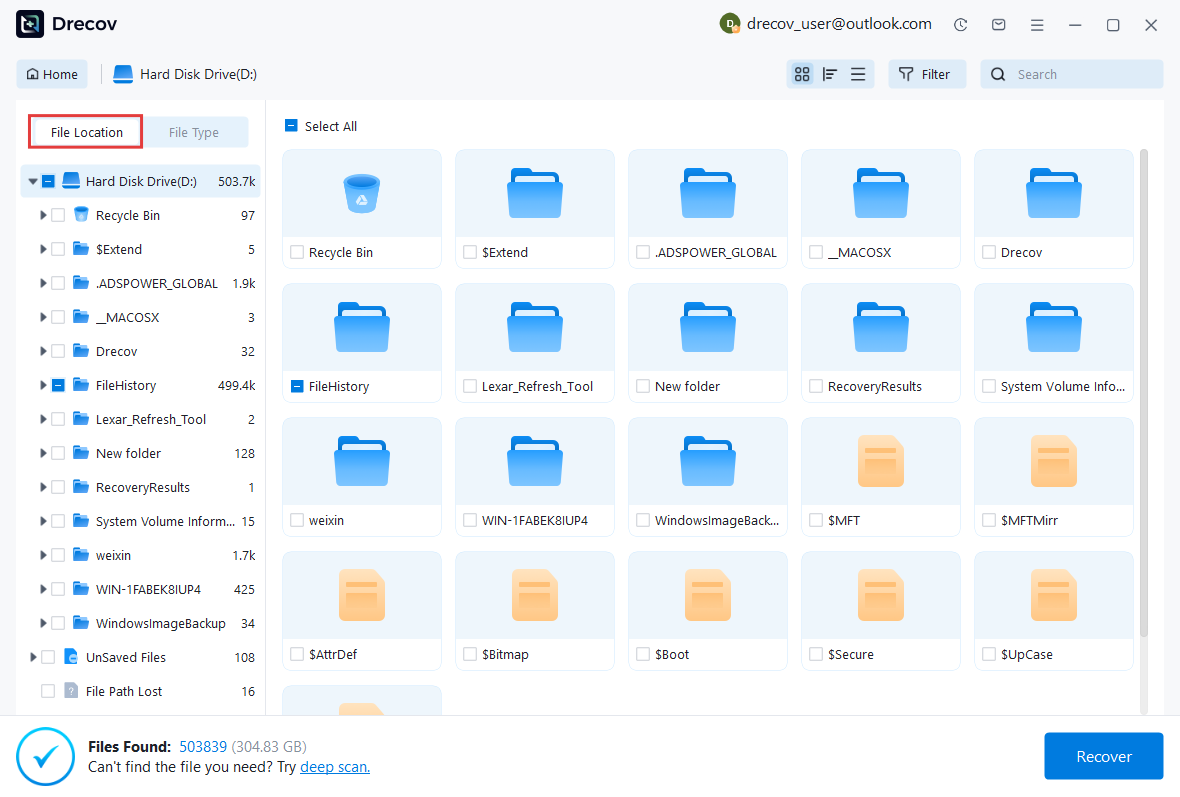
Step 2: Locate and Preview Lost Files
After scanning, browse the detected files and use the preview feature to check recoverable data. You can preview documents (Word, Excel, PDF), photos, and videos to ensure file integrity before recovery.
Step 3: Recover and Save to a New Location
Select the files you want to restore and click recover. Save all recovered data to a different drive or location (not the original device) to avoid overwriting lost data.

Some questions you may be interested in:
how to format a hard drive windows 11
how to recover deleted drafts in outlook
what is healthy recovery partition
how to make steam not open on startup
Test environment:
- Operating system: Windows 10/11
- Storage device: HDD, SSD, USB drive, or SD card
- File types tested: MP4 and MOV videos
- Recovery destination: Separate storage device
To improve recovery results, stop using the affected storage device after discovering the problem. New files may overwrite existing video data and reduce recovery possibilities.
PandaOffice Drecov should be used as a recovery option when the original video content cannot be accessed normally. After recovery, save restored files to another location instead of the original drive.
Advanced Solutions for Item Is Unplayable Please Reacquire the Content 0xc00d36e5 Error
Run Windows Troubleshooters to Detect Playback Issues
Windows includes several built-in troubleshooting tools designed to identify and fix common system problems. If the item is unplayable please reacquire the content 0xc00d36e5 error is caused by incorrect system settings, multimedia service failures, or application configuration issues, running the Windows troubleshooter may help.
The built-in troubleshooting process checks common playback-related problems, including audio services, media application settings, and system component conflicts. Although it cannot repair a physically damaged video file, it can resolve certain software-related problems that prevent normal playback.
To use the troubleshooter, open Windows Settings, navigate to the troubleshooting section, select the relevant playback option, and allow Windows to scan for possible issues. After completing the process, restart the computer and try opening the video again.
Test environment:
- Operating system: Windows 11
- Troubleshooting tool: Windows built-in troubleshooter
- Media application: Windows default video player
- Video format tested: MP4 file
If the video starts working after troubleshooting, the problem was likely caused by a Windows configuration issue. However, if the same file continues showing the 0xc00d36e5 item is unplayable message, the video itself may be damaged or incompatible.
This method is safe because it does not modify the original video file. It is recommended as an early troubleshooting step before attempting more advanced recovery solutions.
Check File Permissions and Security Settings
Windows security features can sometimes block access to video files, especially when files are downloaded from the internet, transferred from another computer, or stored in protected folders.
When Windows cannot access the required file information, the media player may display messages such as item is unplayable please reacquire the content. Checking file permissions can help determine whether access restrictions are preventing playback.
Right-click the video file, open the properties window, and review the security settings. Make sure your user account has permission to read and access the file.
Files downloaded from external sources may also be marked as blocked by Windows security features. Removing the block option in file properties may restore normal access.
Test environment:
- Operating system: Windows 10/11
- File source: Downloaded video file
- Storage location: Local computer folder
- User account: Standard Windows account
If changing permissions does not solve the issue, the problem is probably not related to security settings. In that case, users should investigate codec problems, file corruption, or storage device errors.
Checking permissions is useful because it eliminates a possible cause without requiring additional software or modifying the video content.
Update Graphics Drivers and Windows Components
Graphics drivers play an important role in video playback. Outdated or damaged drivers may prevent Windows from correctly processing video files, especially high-resolution videos or files using newer encoding methods.
When the graphics driver does not communicate properly with Windows multimedia components, users may experience playback failures, freezing, black screens, or errors such as item is unplayable 0xc00d36e5.
Updating the graphics driver ensures that the system has the latest compatibility improvements and bug fixes. Users can check for updates through Windows Device Manager or download updated drivers from the hardware manufacturer.
Windows components related to media playback should also remain updated. System updates often include improvements for multimedia compatibility.
Test environment:
- Computer system: Windows 11 desktop
- Graphics hardware: Integrated and dedicated GPU
- Video tested: High-resolution MP4 file
- Update source: Windows Update
After updating drivers, restart the computer and test the affected video again.
If other videos play normally but one specific file continues failing, the issue is likely related to the video file rather than the graphics system.
How to Prevent the 0xc00d36e5 Video Playback Error in the Future
Use Reliable Storage Devices
Many video playback problems begin with storage problems. Using unreliable memory cards, damaged USB drives, or aging hard drives increases the possibility of corrupted video files.
When recording important videos, such as professional footage, personal events, or travel recordings, always use trustworthy storage devices with enough available space.
Low-quality or failing storage devices may interrupt the writing process while recording videos. If the recording is not completed correctly, the resulting file may become unreadable.
Test environment:
- Storage devices: SD card, USB drive, external HDD
- Video source: Camera recordings
- Computer system: Windows 11
Users should also regularly check storage device health. If a drive frequently disconnects, shows errors, or becomes unusually slow, replacing it before failure can prevent data loss.
Reliable storage is especially important for large video files because they require continuous writing performance during recording and transfer.
Maintain Multiple Video Backups
Creating backups is one of the most effective ways to avoid losing important videos. Even if a video becomes corrupted or a storage device fails, backup copies allow users to restore the original content quickly.
A good backup strategy includes storing videos in multiple locations. For example, users can keep one copy on a computer, another on an external hard drive, and an additional copy in cloud storage.
Professional photographers and content creators often follow the 3-2-1 backup strategy:
- Keep three copies of important files
- Store copies on two different types of media
- Keep one copy in another location
Test environment:
- Original storage: Computer SSD
- Backup storage: External HDD and cloud storage
- Video files: Large MP4 recordings
Regular backups reduce dependence on recovery tools and protect videos from accidental deletion, hardware failure, and corruption.
Avoid Interrupted File Transfers
Interrupted transfers are a common cause of damaged videos. Removing storage devices while files are still copying can leave videos incomplete or unreadable.
When transferring videos from cameras, SD cards, or external drives, wait until the process is completely finished before disconnecting the device.
Using unstable USB cables, damaged card readers, or low-power connections may also interrupt transfers.
Test environment:
- Source device: SD card from camera
- Destination: Windows computer
- Transfer method: USB card reader
- File type: Large video files
⚠️Warning: Never remove a storage device while Windows is still writing data. Always use the safe removal option before disconnecting external devices.
Following safe transfer habits can significantly reduce the chance of encountering video playback errors.
Frequently Asked Questions About 0xc00d36e5 Item Is Unplayable Error
Why Does Windows Say Item Is Unplayable Please Reacquire the Content?
The message item is unplayable please reacquire the content usually appears when Windows cannot access or decode a video file correctly.
Possible causes include corrupted video data, missing codecs, unsupported formats, storage problems, or permission restrictions.
If the problem affects only one video, file corruption is likely. If many videos fail, system settings or codec problems may be responsible.
Can a Damaged Video File Be Repaired?
Yes, some damaged videos can be repaired depending on the level of corruption. If only part of the file structure is damaged, repair tools or recovery methods may restore playback.
However, severely damaged videos with missing data sections may not be completely recoverable.
The chances of successful repair are higher when users stop modifying the storage device after discovering the problem.
How Can I Fix Item Is Unplayable 0xc00d36e5 Without Losing Data?
Users should first try safe solutions such as restarting the media player, checking codecs, updating Windows components, and verifying file permissions.
Avoid converting or modifying the original video repeatedly because additional changes may affect recovery possibilities.
If the video is stored on a damaged device, creating a recovery copy before further troubleshooting is recommended.
Conclusion: Fixing the 0xc00d36e5 Item Is Unplayable Error Successfully
The 0xc00d36e5 item is unplayable error can occur for many reasons, including corrupted video files, unsupported codecs, storage problems, and Windows configuration issues. Although the message may seem confusing, identifying the actual cause makes solving the problem much easier.
For simple playback problems, restarting media applications, installing missing codecs, checking permissions, and updating system components may restore normal playback. When the issue is caused by damaged or missing videos, recovery solutions may provide better results.
The key step after discovering a video playback problem is avoiding actions that could overwrite or further damage the file. Especially when videos are stored on SD cards, USB drives, or external hard drives, unnecessary operations may reduce the chance of recovery.
By maintaining reliable storage habits, creating regular backups, and transferring files safely, users can reduce the possibility of encountering the item is unplayable please reacquire the content 0xc00d36e5 error in the future.
For important videos that cannot be opened normally, using appropriate recovery methods and restoring files to a separate location provides the safest way to protect valuable content.






