







Understanding TF Cards and Why Formatting Matters
What Is a TF Card and How Does It Work?
A TF card, also known as a TransFlash card, is a compact flash memory device commonly used in smartphones, cameras, drones, handheld gaming consoles, and portable media devices. Today, TF cards are generally classified as MicroSD cards because both formats share the same physical structure and compatibility standards.
Many users search for ways to format TF card storage when their devices begin showing errors, slow performance, corrupted files, or unreadable media. Formatting rebuilds the storage structure and prepares the card for clean data storage.
When users format the TF card, the operating system recreates the file allocation table and removes old directory information. Depending on the formatting type selected, the process may only erase file references or completely rewrite the storage sectors.
Common file systems used during formatting include:
- FAT32
- exFAT
- NTFS
Different devices support different file systems, so choosing the correct option is important for compatibility.
⚠️Warning: Formatting a TF card removes existing data unless files are recovered beforehand.
Common Situations That Require TF Card Formatting
There are many practical reasons users may need to format SD card program tools or built-in utilities to repair storage devices.
Typical scenarios include:
- The card becomes unreadable
- Photos disappear unexpectedly
- Devices request formatting automatically
- The TF card shows RAW format
- Storage speed becomes unusually slow
- File transfer errors appear repeatedly
Formatting can also help remove malware infections or prepare the card for use in another device.
For example:
- Cameras may require FAT32 formatting
- Android devices often prefer exFAT
- Older systems may not support larger file systems
In many cases, formatting resolves compatibility and performance issues quickly without replacing the hardware itself.
Things to Know Before You Format a TF Card
Quick Format vs Full Format Explained
Before learning how to format a TF card, it is important to understand the difference between quick formatting and full formatting.
A quick format deletes the file table while leaving actual file content temporarily recoverable. This option is much faster and works well for healthy storage cards.
A full format scans the memory sectors for errors while rebuilding the file system structure. Although slower, it is more effective for damaged or corrupted TF cards.
Comparison overview:
| Feature | Quick Format | Full Format |
|---|---|---|
| Speed | Fast | Slow |
| Error Scan | No | Yes |
| Data Recovery Chance | Higher | Lower |
| Best Use Case | Healthy cards | Corrupted cards |
If the TF card frequently disconnects or shows bad sector warnings, full formatting is usually safer.
⚠️Warning: Removing the TF card during formatting may permanently damage the storage structure.
Choose the Correct File System for Your Device
When users ask how do you format a SD card, choosing the correct file system is one of the most important decisions.
The best format depends on device compatibility and storage size.
FAT32
Recommended for:
- Cameras
- Older Android phones
- Gaming consoles
- Small-capacity TF cards
Advantages:
- Excellent compatibility
- Works on most operating systems
Limitations:
- Cannot store files larger than 4GB
exFAT
Recommended for:
- Large-capacity MicroSD cards
- 4K video recording
- Modern smartphones
Advantages:
- Supports large files
- Faster handling for media storage
NTFS
Recommended mainly for Windows environments.
Advantages:
- Better security
- Improved file permissions
Limitations:
- Some cameras and phones cannot recognize NTFS cards
Test Environment:
- Samsung EVO Plus 128GB TF card
- Windows 11 Pro
- Canon DSLR camera
- Android smartphone
How to Format a TF Card on Windows Computers
Format TF Card Using File Explorer
One of the simplest ways to format TF card storage is by using Windows File Explorer.
Steps to Format Through File Explorer
- Insert the TF card into the computer
- Open “This PC”
- Locate the TF card drive
- Right-click the card
- Select “Format”
- Choose the preferred file system
- Enable or disable Quick Format
- Click “Start”
The formatting process usually finishes within a few minutes depending on card capacity.
This method is ideal for:
- Standard memory card maintenance
- Removing unnecessary files
- Preparing cards for reuse
Test Environment:
- Windows 10 Home
- SanDisk Ultra 64GB TF card
- USB 3.0 card reader
- FAT32 format
⚠️Warning: Verify the drive letter carefully before formatting to avoid erasing the wrong storage device.
Use Disk Management to Format the TF Card
Disk Management provides more advanced formatting options for inaccessible or problematic cards.
Steps to Format via Disk Management
- Press Windows + R
- Type
diskmgmt.msc - Press Enter
- Locate the TF card
- Right-click the partition
- Select “Format”
- Configure volume settings
- Confirm the operation
Disk Management also allows users to:
- Delete damaged partitions
- Create new partitions
- Assign drive letters
- Reinitialize inaccessible cards
This method is useful if the TF card does not appear correctly in File Explorer.
Test Environment:
- Windows 11 Professional
- Kingston Canvas Select Plus
- USB card adapter
- exFAT file system
Format the TF Card with Command Prompt
Advanced users often prefer Command Prompt because it offers direct disk management control.
Use Diskpart to Format the Card
- Open Command Prompt as administrator
- Type
diskpart - Enter
list disk - Identify the TF card
- Type
select disk X - Enter
clean - Create partition:
create partition primary - Format the card:
format fs=exfat quick - Assign a drive letter:
assign
This method can repair cards with severe file system corruption.
Many users searching how to format TF card successfully resolve RAW card issues using Diskpart.
Test Environment:
- Windows 10 Enterprise
- Lexar 256GB MicroSD card
- USB-C card reader
- exFAT formatting
⚠️Warning: Selecting the wrong disk number inside Diskpart may erase another storage device completely.
How to Format TF Cards on Android Phones
Format TF Card Through Android Storage Settings
Android devices include built-in storage management tools that allow users to format the TF card directly without using a computer.
Steps to Format on Android
- Insert the TF card into the phone
- Open Settings
- Tap “Storage”
- Select the TF card
- Open storage options
- Tap “Format” or “Erase SD Card”
- Confirm the operation
The exact menu names vary depending on phone brands and Android versions.
This method is useful for:
- Clearing app cache problems
- Removing corrupted media
- Reconfiguring portable storage
Test Environment:
- Samsung Galaxy S23
- Android 14
- SanDisk 128GB MicroSD
- exFAT file system
Fix Unsupported or Corrupted TF Cards on Android
Sometimes Android devices display errors such as:
- SD card unsupported
- Corrupted storage
- Blank SD card
- Damaged SD card
In these situations, formatting often restores usability.
Possible causes include:
- Improper ejection
- Sudden shutdowns
- Malware
- Physical card damage
- Unsupported file systems
If the phone cannot format the card successfully, using a PC-based format SD card program may work better.
⚠️Warning: Frequent corruption may indicate physical hardware failure rather than software issues.
How to Recover Files After Formatting a TF Card
Recover Lost Files with PandaOffice Drecov
Accidentally formatting a memory card is common, especially when cameras or phones suddenly request initialization. Fortunately, recovery software may help restore deleted files before they are overwritten.
One helpful solution is PandaOffice Drecov. The software supports recovery from:
- Formatted TF cards
- MicroSD cards
- SDXC storage devices
- USB flash drives
- External hard drives
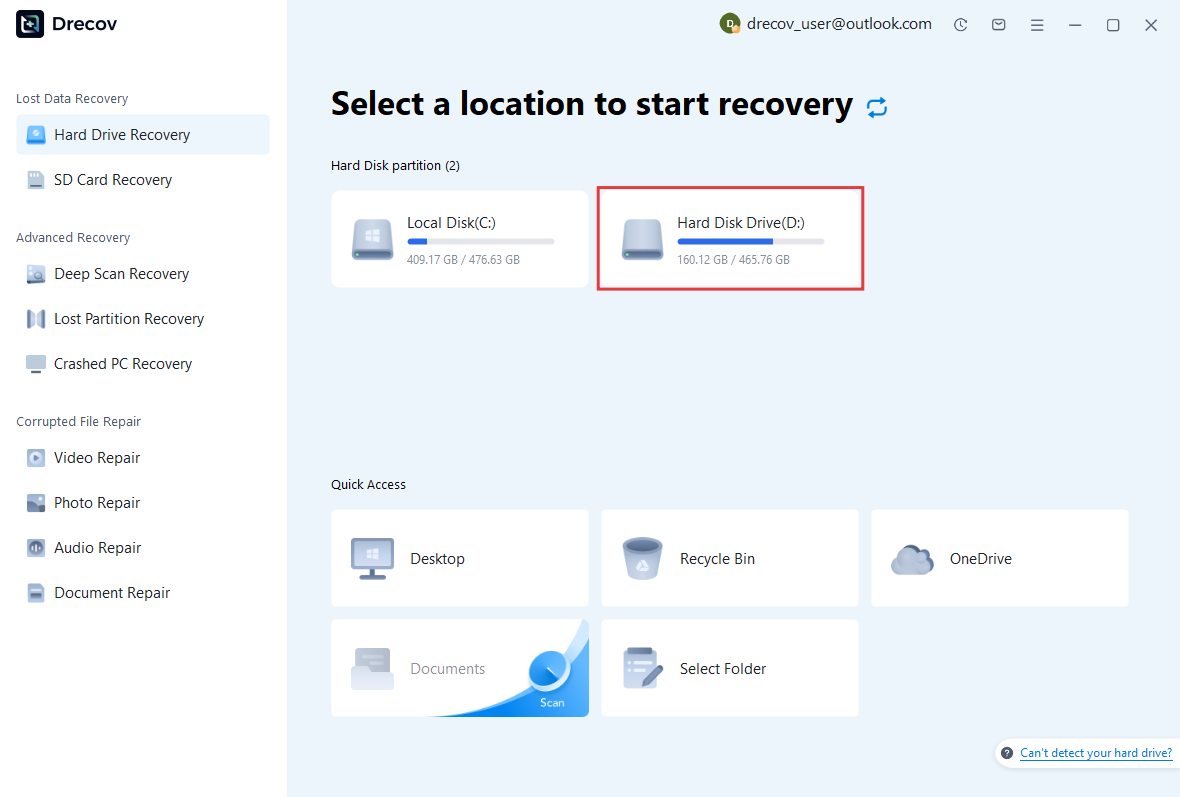
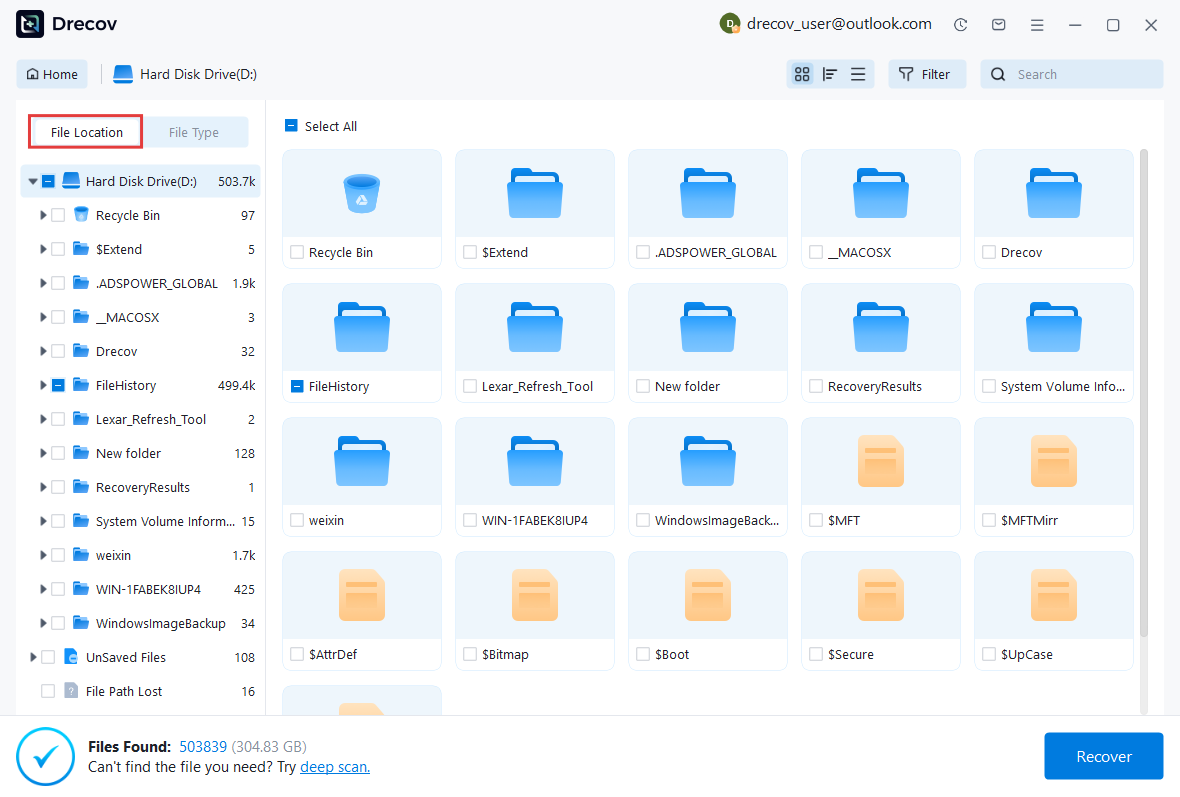
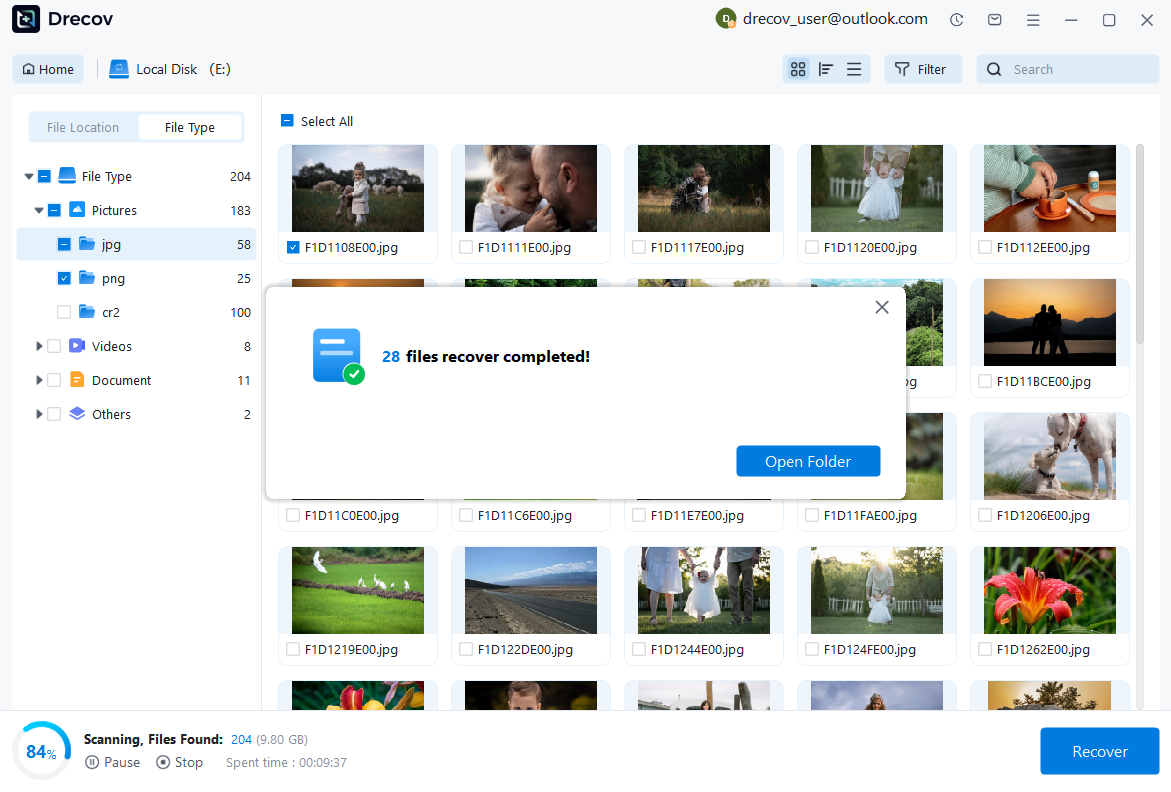
Steps to Recover Data
- Install PandaOffice Drecov on the computer
- Connect the formatted TF card
- Launch the recovery software
- Select the target card
- Run a deep scan
- Preview recoverable files
- Save restored data to another location
The program supports photos, videos, audio files, and documents from many camera and smartphone brands.
Test Environment:
- Windows 11 Pro
- Formatted Samsung 128GB TF card
- USB 3.0 card reader
- Deep scan mode enabled
Why Choose PandaOffice Drecov Data Recovery Software?
When it comes to reliable data recovery, PandaOffice Drecov stands out as a powerful, all-in-one solution designed to handle a wide range of data loss scenarios. Whether you’re trying to perform TikTok deleted video recovery, restore files after formatting, or recover important documents, Drecov delivers fast and dependable results.
One of its biggest advantages is versatility. From format data recovery to lost partition recovery, the software can scan deeply and accurately locate files that other tools often miss. Even if your drive has been accidentally formatted or a partition has disappeared, Drecov uses advanced algorithms to reconstruct and retrieve your data with high success rates.
Drecov also supports specialized recovery needs. If you’ve lost important documents, its PDF recovery tool ensures that files retain their original structure and quality. For media users, the audio recovery feature helps restore music, recordings, and other sound files without corruption, making it ideal for both personal and professional use.
Ease of use is another key benefit. The intuitive interface allows beginners to recover files in just a few clicks, while still offering advanced options for more experienced users. Plus, it supports a wide range of storage devices, including HDDs, SSDs, USB drives, and memory cards.
In short, PandaOffice Drecov combines powerful recovery capabilities with user-friendly design, making it a trusted choice for anyone facing data loss.
⚠️Warning: Stop using the TF card immediately after accidental formatting to improve recovery success rates.
How to Format a TF Card on Mac Computers
Use Disk Utility to Format the TF Card
Mac users can easily format TF card storage using the built-in Disk Utility application. This method is useful for memory cards used in cameras, drones, and smartphones.
Steps to Format a TF Card on macOS
- Insert the TF card into the Mac
- Open “Disk Utility”
- Locate the TF card in the sidebar
- Select the card volume
- Click “Erase”
- Choose a file system
- Enter a drive name
- Confirm formatting
Mac systems generally support:
- FAT32
- exFAT
- APFS
- Mac OS Extended
For broader compatibility with Android phones and cameras, exFAT is often the preferred choice.
This method works well for:
- Cleaning corrupted cards
- Switching file systems
- Preparing cards for portable devices
Test Environment:
- macOS Sonoma
- MacBook Pro M3
- SanDisk Extreme 128GB TF card
- USB-C card adapter
⚠️Warning: APFS formatting may not work with cameras or Android devices.
Fix TF Cards Not Showing Up on Mac
Sometimes the TF card does not appear in Finder or Disk Utility. Users trying to format the TF card may face connection or recognition problems first.
Possible causes include:
- Faulty card readers
- Unsupported file systems
- Damaged card sectors
- Adapter issues
- Physical memory corruption
You can try these solutions:
- Reinsert the TF card
- Use another adapter
- Restart the Mac
- Open “First Aid” in Disk Utility
- Connect through another USB port
If the card still does not appear, the storage hardware may already be damaged physically.
Test Environment:
- Mac mini M2
- Kingston Canvas React Plus
- USB-C multiport hub
- exFAT file system
Best Tools and Programs to Format SD and TF Cards
Use the Official SD Card Formatter Tool
Many users search for a professional format SD card program because built-in formatting tools sometimes fail with damaged memory cards.
One popular solution is the SD Memory Card Formatter developed specifically for SD and MicroSD devices.
Advantages of Dedicated Formatting Software
This type of utility can:
- Remove hidden partition errors
- Restore factory-compatible formatting
- Improve card stability
- Correct formatting alignment
It is especially useful for:
- Cameras
- Dash cams
- Nintendo Switch storage
- Professional photography equipment
How to Use the Formatter
- Install the formatting utility
- Insert the TF card
- Launch the program
- Select the target card
- Choose Quick or Overwrite format
- Start formatting
Compared with standard operating system tools, dedicated utilities often produce better compatibility for portable devices.
Test Environment:
- Windows 11 Home
- Sony camera TF card
- UHS-I card reader
- FAT32 format mode
⚠️Warning: Overwrite formatting may take much longer than quick formatting on high-capacity cards.
When Third-Party Formatting Tools Are Necessary
Built-in Windows or Android utilities may fail when:
- The card becomes RAW
- Write protection appears
- Partition tables are damaged
- Storage size displays incorrectly
In such cases, advanced formatting software can sometimes restore accessibility without replacing the TF card.
Signs you may need professional tools include:
- “Windows was unable to complete the format”
- “Disk is write protected”
- “Card cannot be recognized”
- “Please insert disk”
However, repeated formatting failures may indicate permanent hardware wear.
Test Environment:
- Windows 10 Pro
- Lexar Professional 256GB
- USB 3.2 card reader
- RAW partition repair
How to Repair TF Card Problems Before Formatting
Fix RAW TF Cards Without Losing Data
A RAW TF card means the operating system cannot recognize the existing file system. Many users immediately attempt to format TF card storage after seeing this issue.
Common symptoms include:
- Files become inaccessible
- Capacity appears as 0 bytes
- Devices request formatting automatically
- Error messages appear repeatedly
Before formatting, you may try repairing the card first.
Use CHKDSK to Repair File System Errors
Windows includes a repair command called CHKDSK.
Steps:
- Open Command Prompt as administrator
- Enter:
chkdsk X: /f - Press Enter
- Wait for scanning to complete
If the corruption is minor, CHKDSK may restore file accessibility without requiring formatting.
Test Environment:
- Windows 11 Enterprise
- SanDisk Ultra 64GB
- USB card adapter
- RAW file system error
⚠️Warning: CHKDSK may not work on severely damaged TF cards.
Remove Write Protection Before Formatting
Some TF cards cannot be formatted because write protection is enabled.
Common causes include:
- Locked SD adapters
- Registry restrictions
- Disk corruption
- Hardware failure
Methods to Remove Write Protection
Try these solutions:
- Unlock the physical SD adapter switch
- Use Diskpart attributes commands
- Modify Windows registry settings
- Scan for malware
Diskpart method:
- Open Command Prompt
- Enter
diskpart - Type
list disk - Select the TF card
- Enter:
attributes disk clear readonly
After removing protection, users can continue learning how to format a TF card normally.
Test Environment:
- Windows 10 Professional
- Samsung EVO Select
- USB MicroSD adapter
- exFAT partition
How to Format TF Cards for Different Devices
Format TF Cards for Cameras and Drones
Digital cameras and drones often require very specific formatting settings.
Users who ask how do you format a SD card for cameras should always check manufacturer recommendations.
Many cameras work best with:
- FAT32 for smaller cards
- exFAT for 64GB or larger cards
Formatting inside the camera itself is usually recommended because the device creates optimized folder structures automatically.
Benefits of Formatting Directly on the Device
Advantages include:
- Better compatibility
- Fewer recording errors
- Proper directory creation
- Improved write performance
Test Environment:
- Canon EOS camera
- DJI drone
- SanDisk Extreme Pro
- exFAT formatting
⚠️Warning: Using unsupported file systems may prevent video recording entirely.
Format TF Cards for Android Gaming Devices
Gaming handhelds and Android devices often use TF cards for expanded storage.
Users learning how to format TF card storage for gaming should prioritize speed and compatibility.
Recommended formatting options:
| Device Type | Recommended Format |
|---|---|
| Android Phones | exFAT |
| Nintendo Switch | FAT32/exFAT |
| Steam Deck | exFAT |
| Retro Gaming Devices | FAT32 |
Proper formatting can improve:
- Game loading speed
- App installation stability
- File transfer reliability
Test Environment:
- Nintendo Switch OLED
- Samsung EVO Plus
- exFAT formatting
- USB-C card reader
Frequently Asked Questions About TF Card Formatting
Can Formatting Repair a Corrupted TF Card?
In many cases, yes. Formatting rebuilds the file system structure and removes corrupted allocation tables. However, physically damaged memory chips cannot be repaired through formatting alone.
Will Formatting Remove Viruses from a TF Card?
Formatting usually removes malware stored inside the file system. However, advanced malware infections may remain on connected devices if security scans are not performed afterward.
How Long Does It Take to Format a TF Card?
The time depends on:
- Card capacity
- Card speed
- Quick or full formatting
- Device performance
Quick formatting often finishes within seconds, while full formatting may require much longer.
Can I Recover Data After Formatting?
Yes, recovery may still be possible if new files have not overwritten the original storage sectors. Recovery software such as PandaOffice Drecov may help restore deleted media files.
What File System Is Best for Large TF Cards?
For cards larger than 64GB, exFAT is generally the best option because it supports large file sizes and modern device compatibility.
Conclusion
Learning how to format a TF card properly helps improve storage reliability, compatibility, and performance across phones, cameras, drones, and computers. Whether users choose Windows File Explorer, Disk Management, Android settings, Mac Disk Utility, or a dedicated format SD card program, selecting the correct formatting method is essential.
Users who need to format the TF card should always back up important files first and verify device compatibility before choosing FAT32, exFAT, or NTFS. Understanding quick formatting, full formatting, and repair methods can also help prevent future storage problems.
If accidental formatting causes data loss, recovery tools like PandaOffice Drecov may help retrieve photos, videos, and important documents before they are permanently overwritten.
By following the methods and precautions in this guide, users can safely manage TF card storage and avoid common formatting mistakes across multiple devices and operating systems.





