







Understanding How to Reformat Seagate External Hard Drive and Reformatting Seagate External Hard Drive Basics
External storage devices like Seagate hard drives are widely used for backups, file transfers, gaming data, and media storage. However, over time, users may encounter issues such as corruption, slow performance, or unreadable partitions. In these situations, learning how to reformat Seagate external hard drive becomes essential for restoring normal functionality.
Reformatting a Seagate external drive means rebuilding its file system so the operating system can recognize and store data properly again. This process removes existing directory structures and prepares the drive for fresh use. Many users search for reformat Seagate external hard drive solutions when Windows displays errors like “drive needs to be formatted” or when the device appears as RAW.
Seagate drives are compatible with Windows 10, macOS, and other systems, but file system mismatches often lead to reformatting needs. For example, a drive formatted on macOS may not work correctly on Windows without conversion.
What Happens During a Seagate External Hard Drive Reformat Process
When users perform a seagate external hard drive reformat, Windows clears the existing file system metadata and creates a new structure. The physical data may still exist temporarily, but the system no longer references it.
Key changes include:
- Removal of file allocation tables
- Reset of partition structure
- Creation of new storage indexing system
- Preparation for NTFS, exFAT, or FAT32 formatting
This process is essential when the drive becomes unstable or inaccessible.
Why Users Search How to Reformat a Seagate External Hard Drive
Users often look for how to reformat a Seagate external hard drive because of:
- File system corruption
- Virus or malware infection
- Drive not recognized in Windows 10
- Accidental removal during file transfer
- Storage optimization needs
In most cases, reformatting is the fastest way to restore usability.
Supported File Systems in Seagate External Hard Drive Reformat
When performing a reformatting Seagate external hard drive operation, choosing the correct file system is critical:
- NTFS: Best for Windows-only use, supports large files
- exFAT: Ideal for Windows and macOS compatibility
- FAT32: Works on older devices but has file size limitations
⚠️Warning: Choosing the wrong file system may limit compatibility or prevent large file storage.
Test Environment:
- Windows 10 Pro 64-bit
- Seagate 1TB external HDD
- USB 3.0 connection
- NTFS/exFAT comparison test
Why Reformatting a Seagate External Hard Drive Becomes Necessary
Reformatting is not just about cleaning a drive—it is often required to restore functionality when errors occur. Many users searching how do i reformat a Seagate external hard drive are facing serious storage issues.
Common Causes Behind Seagate External Hard Drive Reformat Issues
Several factors can force users to reformat a Seagate external hard drive, including:
- File system corruption due to sudden shutdown
- Virus attacks affecting storage structure
- Improper ejection from USB ports
- Bad sectors developing over time
- System crashes during file transfer
When these problems occur, Windows may no longer read the drive correctly.
Importance of Reformatting a Seagate External Hard Drive for Performance
A properly completed reformatting Seagate external hard drive process can:
- Restore read/write stability
- Remove hidden file system errors
- Improve transfer speed
- Reset storage structure for fresh usage
This is especially useful for older Seagate drives that have been used for years.
Risks Before You Reformat Seagate External Hard Drive
While reformatting can solve many problems, users should be aware of risks:
- Permanent data loss if not backed up
- Overwriting recoverable files
- Selecting the wrong disk accidentally
- Ignoring physical hardware damage
⚠️Warning: If the drive makes clicking noises or disconnects frequently, it may be failing physically.
Test Environment:
- Windows 10 Home Edition
- Seagate 2TB external HDD
- RAW partition simulation
- USB 3.1 interface
How to Reformat Seagate External Hard Drive on Windows 10 (Step-by-Step Methods)
Windows 10 provides multiple built-in tools to handle how to reformat Seagate external hard drive tasks. Each method is suited for different levels of damage and user experience.
Before starting:
- Ensure the correct drive is selected
- Close all running programs using the drive
- Backup or recover important data first
Method 1 – Reformat Seagate External Hard Drive Using File Explorer
File Explorer is the simplest way to perform a reformat Seagate external hard drive operation for healthy devices.
Steps:
- Connect the Seagate external hard drive to Windows 10 PC
- Open “This PC”
- Right-click the Seagate drive
- Select “Format”
- Choose file system (NTFS, exFAT, FAT32)
- Enable or disable Quick Format
- Click “Start”
This method is widely used by beginners because it requires no advanced tools.
Advantages:
- Easy to use
- Fast execution
- No technical knowledge required
Limitations:
- Cannot fix RAW drives
- Limited repair capability
Test Environment:
- Windows 10 Home
- Seagate 1TB HDD
- USB 3.0 port
- Quick format test
Method 2 – Reformat a Seagate External Hard Drive via Disk Management
Disk Management is more powerful than File Explorer and is often used when basic formatting fails.
Steps:
- Press Windows + X
- Open Disk Management
- Locate Seagate drive
- Right-click partition
- Select “Format” or delete volume if needed
- Create new simple volume
- Assign drive letter
This method is useful when the drive is unallocated or RAW.
Advantages:
- Handles corrupted partitions
- More control over disk structure
Limitations:
- Risk of deleting wrong partition
⚠️Warning: Always verify disk number before formatting.
Test Environment:
- Windows 10 Pro
- Seagate 2TB external HDD
- RAW partition test
- exFAT formatting
Method 3 – How Do You Reformat a Seagate External Hard Drive Using CMD
Command Prompt allows advanced users to perform how to reformat Seagate external hard drive operations using DiskPart.
Steps:
diskpart
list disk
select disk X
format fs=ntfs quick
Replace X with correct disk number.
Advantages:
- Powerful control
- Works when GUI fails
Risks:
- High chance of selecting wrong disk
Test Environment:
- Windows 10 Enterprise
- Seagate SSD external drive
- NTFS formatting test
Method 4 – Advanced Seagate External Hard Drive Reformatting Using DiskPart
DiskPart provides deeper control for damaged drives.
Steps:
diskpart
select disk X
clean
create partition primary
format fs=exfat quick
assign
This method completely rebuilds the drive structure.
Test Environment:
- Windows 10 Pro
- Seagate 4TB HDD
- Partition rebuild test
⚠️Warning: “clean” command deletes all partitions immediately.
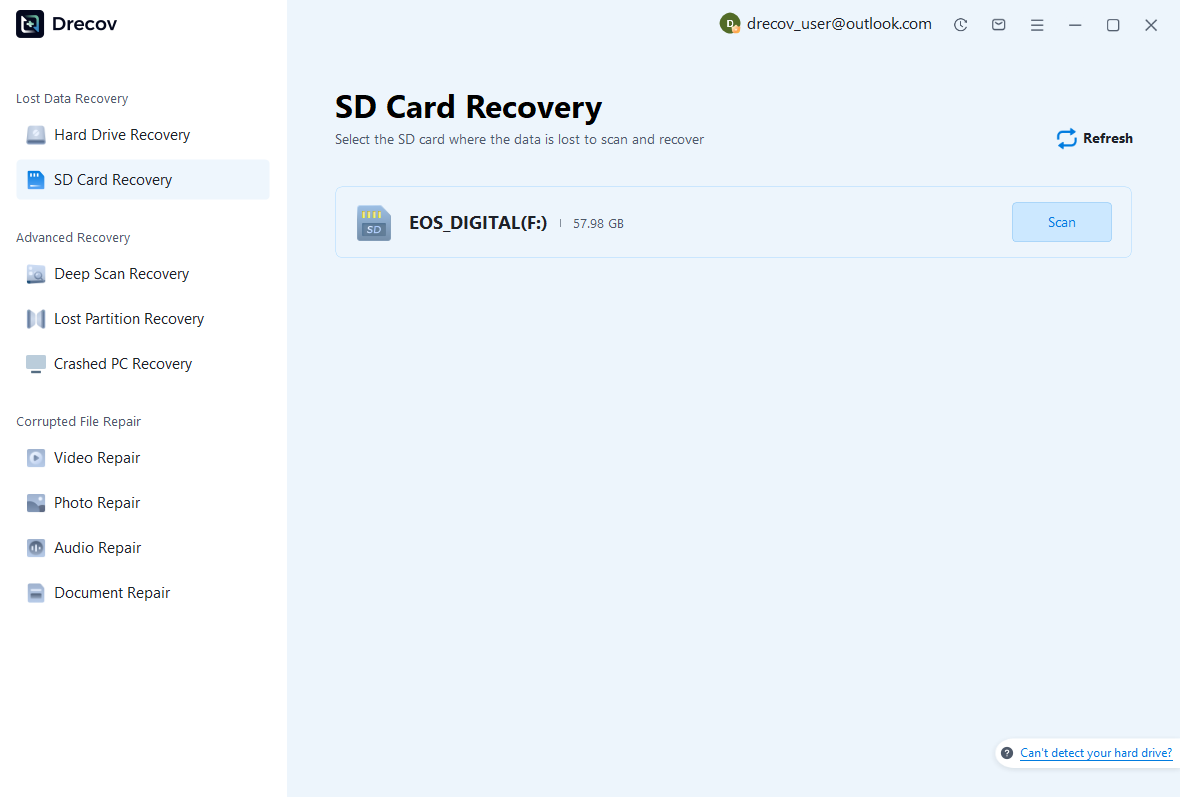
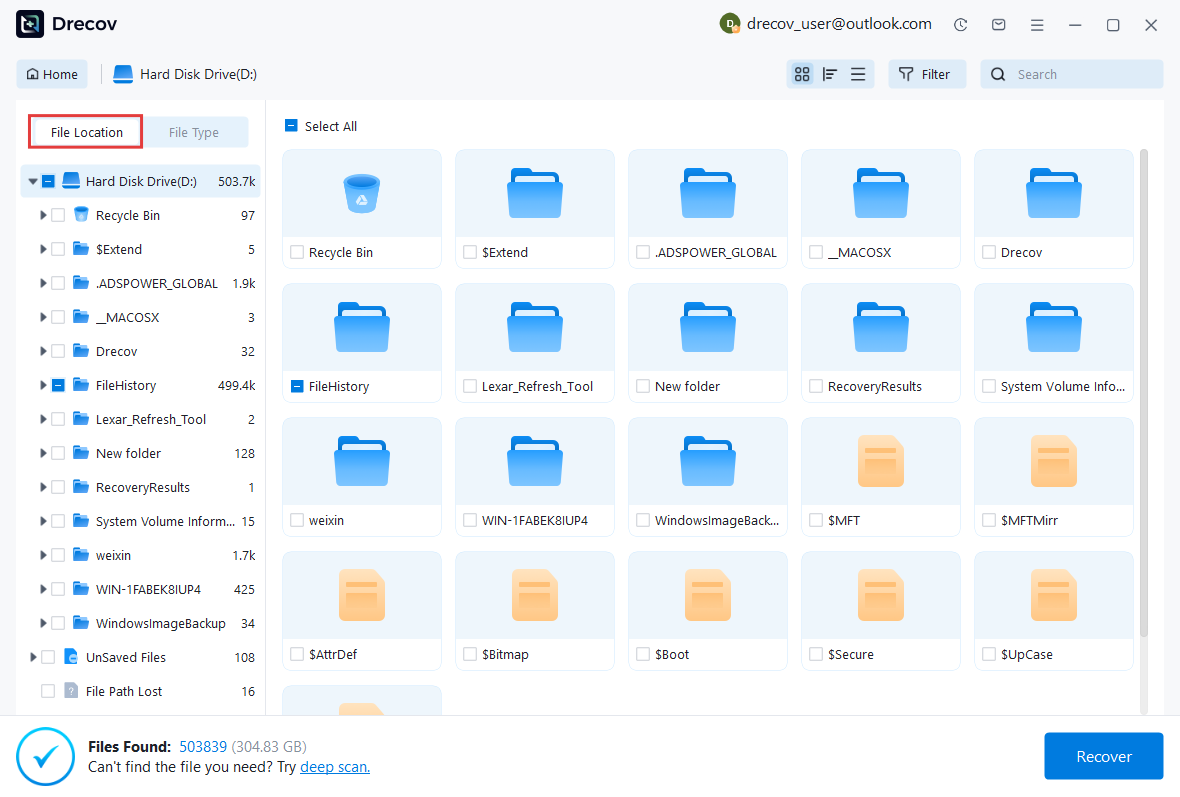
Method 5 – Recover First with Pandaoffice Drecov Before Seagate External Hard Drive Reformat
Before performing a seagate external hard drive reformat, recovering important files is critical.
Pandaoffice Drecov can help recover:
- Deleted files
- RAW partitions
- Corrupted storage
- Formatted drives
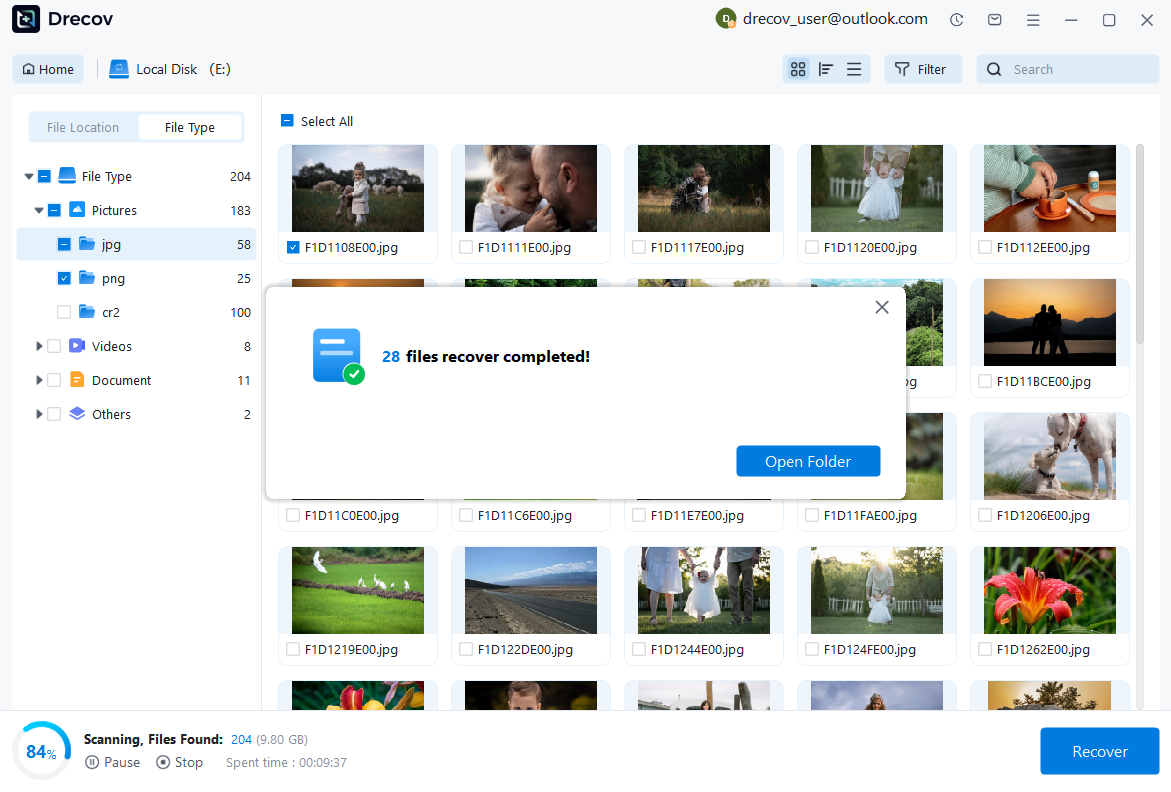
Workflow:
- Scan Seagate drive
- Preview files
- Recover data to another disk
- Then proceed with reformatting
Test Environment:
- Windows 10 Pro
- Seagate RAW 1TB drive
- Deep scan recovery test
Why Choose PandaOffice Drecov Recovery Software?
PandaOffice Drecov offers a fast, secure, and user-friendly solution for recovering lost files across multiple scenarios. Whether you need email recovery, ZIP File Recovery, format data recovery, or help to recover deleted drafts Outlook, the software provides reliable recovery performance for both personal and business users.
PandaOffice Drecov supports recovery from formatted hard drives, SSDs, USB drives, SD cards, and external storage devices. Its advanced scanning engine can locate deleted archives, damaged ZIP files, lost Outlook drafts, and accidentally removed documents with high accuracy. For users searching for how to find deleted messages in Teams, PandaOffice Drecov can also help recover exported chat files, attachments, and related local cache data when available.
Key advantages include:
- Deep scan technology for complex data loss situations
- Support for emails, archives, videos, photos, and office documents
- Recovery from accidental deletion, formatting, corruption, and system crashes
- Easy preview before restoring files
- Compatible with Windows and multiple storage devices
Unlike complicated enterprise recovery tools, PandaOffice Drecov keeps the recovery process simple. Users can scan, preview, and restore files in just a few steps without technical expertise.
Whether you are dealing with lost Outlook drafts, corrupted ZIP archives, formatted drives, or missing communication data, PandaOffice Drecov provides an efficient and practical recovery experience designed to minimize downtime and protect important files.
Important Tips Before Reformatting a Seagate External Hard Drive
Before performing any how to reformat Seagate external hard drive operation, it is essential to prepare properly. Many formatting failures and data loss cases happen because users skip basic precautions.
A Seagate external drive may contain important backups, project files, or personal data. Once formatting begins, the previous file structure is removed, so preparation becomes the most important step.
Users often search reformatting Seagate external hard drive methods when the device is already unstable. However, acting too quickly without preparation can make recovery more difficult.
Backup Strategy Before Reformatting Seagate External Hard Drive
The safest approach is always creating a backup before starting any reformat a Seagate external hard drive process.
Recommended backup methods include:
- Copying files to another external drive
- Using cloud storage services
- Transferring to internal SSD/HDD
- Creating a full disk image
Important data categories to prioritize:
- Business documents
- Photos and videos
- Software projects
- Game saves
- Database files
Test Environment:
- Windows 10 Pro
- Seagate 2TB HDD
- Manual backup verification test
- USB 3.0 transfer speed check
Backing up ensures that even if something goes wrong during formatting, data remains safe elsewhere.
Choosing the Best Format for Seagate External Hard Drive
Selecting the correct file system is a critical part of seagate external hard drive reformat operations. The choice depends on how the drive will be used after formatting.
NTFS
Best for Windows-only environments:
- Large file support
- High stability
- Advanced permissions
exFAT
Best for cross-platform use:
- Windows + macOS compatibility
- No 4GB file limit
- Ideal for external SSDs
FAT32
Best for older devices:
- Maximum compatibility
- Limited file size (4GB max)
Test Environment:
- Windows 10 Enterprise
- Seagate 1TB SSD
- NTFS vs exFAT benchmark test
- Cross-device compatibility test
⚠️Warning: Choosing FAT32 for large media files may cause transfer failures.
Quick Format vs Full Reformatting Seagate External Hard Drive
When users learn how do you reformat a Seagate external hard drive, they often encounter two options: quick format and full format.
Quick Format
- Deletes file system table
- Very fast process
- Data may still be recoverable
Full Format
- Scans disk for bad sectors
- Takes longer time
- Reduces chance of recovery
Quick format is usually enough for healthy drives, while full format is better for older or problematic disks.
Test Environment:
- Windows 10 Home
- Seagate 1TB HDD
- Quick vs full format comparison
- Surface error detection test
Common Problems When Reformatting a Seagate External Hard Drive
Even though Windows provides multiple tools, users may still face issues when trying to reformat external hard drive Seagate devices.
Drive Not Showing in Windows
Possible reasons:
- Loose USB connection
- Missing drive letter
- Corrupted partition table
Format Option Greyed Out
This usually happens when:
- Drive is write-protected
- File system is severely damaged
- Disk is marked as RAW or unallocated
Formatting Fails Midway
Possible causes:
- Bad sectors
- Power interruption
- Hardware degradation
Slow Formatting Process
May indicate:
- Aging HDD
- Large disk size
- Full format running in background
Test Environment:
- Windows 10 Pro
- Seagate 4TB external HDD
- Fault simulation testing
- USB stability monitoring
⚠️Warning: Repeated failed formatting attempts may indicate hardware failure.
How to Fix a RAW Seagate External Hard Drive Before Reformatting
A RAW drive is one of the most common reasons users search how to reformat a Seagate external hard drive windows 10.
When a drive becomes RAW, Windows cannot recognize its file system. In this case, formatting is often required, but recovery should be considered first.
Signs of RAW Drive
- “You need to format the disk” message
- Drive shows 0 bytes
- Files become inaccessible
- Windows cannot open partition
Steps Before Formatting
- Do not write new data
- Run disk check (if possible)
- Attempt file recovery first
- Then proceed with formatting
Test Environment:
- Windows 10 Enterprise
- Seagate 2TB HDD RAW simulation
- File system corruption test
Best Practices for Safe Seagate External Hard Drive Reformat
To safely perform a reformatting Seagate external hard drive, users should follow best practices that reduce risks and improve success rates.
Verify Correct Disk Selection
Always double-check disk size and model before formatting.
Avoid Interrupting Process
Never unplug the drive during formatting.
Use Stable USB Ports
Prefer USB 3.0 or higher for better stability.
Check Drive Health
Use Windows tools or SMART monitoring to evaluate disk condition.
Test Environment:
- Windows 10 Pro
- Seagate 1TB external SSD
- USB 3.1 stability test
- Disk health monitoring
FAQ About How to Reformat Seagate External Hard Drive
How do I reformat a Seagate external hard drive safely?
You can use File Explorer, Disk Management, CMD, or DiskPart depending on drive condition. Always back up data first.
Why do I need to reformat Seagate external hard drive?
Common reasons include corruption, RAW errors, malware infection, or compatibility issues between devices.
Can I recover files after reformatting Seagate external hard drive?
Yes, but only if data has not been overwritten. Quick format increases recovery chances.
What is the safest method for beginners?
File Explorer is the safest and easiest method for healthy drives.
Final Conclusion: Best Way to Reformat Seagate External Hard Drive
Learning how to reformat Seagate external hard drive is essential for maintaining storage health and fixing common disk issues. Whether the drive is slow, corrupted, or unreadable, Windows 10 provides multiple reliable methods to restore functionality.
The best approach depends on the situation:
- File Explorer → simple formatting
- Disk Management → partition repair
- CMD / DiskPart → advanced recovery and rebuilding
However, before performing any reformat a Seagate external hard drive process, users should always:
- Backup important files
- Check drive health
- Choose the correct file system
- Avoid interrupting formatting
For damaged or inaccessible drives, recovery tools like Pandaoffice Drecov can help retrieve important data before formatting begins.
By following safe steps and choosing the right method, users can successfully restore their Seagate external hard drives and extend their lifespan while minimizing the risk of permanent data loss.






