







Why Users Want to Move Programs From C Drive to D Drive
Understanding Storage Problems on the C Drive
The C drive is the default installation location for Windows and most software applications. Over time, installed programs, temporary files, updates, and cached data consume large amounts of storage space. When the system partition becomes full, computers often slow down significantly.
Many users search for ways to Move Programs from C Drive to D Drive because they want to:
- Free up storage space
- Improve system responsiveness
- Organize applications better
- Prevent Windows update failures
- Reduce low disk space warnings
A crowded system drive may also affect:
- Startup performance
- Application loading times
- Virtual memory operations
- Overall Windows stability
Modern games and editing software can occupy more than 100GB individually. As a result, users frequently ask, “can i move everything from c drive to d” to reduce pressure on the primary partition.
In many cases, moving selected programs instead of all system data is the safest solution.
Test Environment:
- Windows 10 Pro 64-bit
- 512GB NVMe SSD (C drive)
- 2TB HDD (D drive)
- 16GB RAM
Result:
- C drive usage reduced from 92% to 58% after relocating large applications
Benefits of Moving Installed Applications
Relocating applications to another partition offers several practical advantages. Users who successfully Move Programs from C Drive to D Drive often notice better storage management and fewer performance warnings.
Major benefits include:
- More available system storage
- Easier software organization
- Reduced risk of failed updates
- Better management of large games and media tools
Another important advantage involves system recovery. If Windows becomes corrupted, applications stored separately on the D drive may remain unaffected during reinstallation.
Some users wonder whether they can i move everything from c drive to d safely. Technically, not everything should be moved. Windows system files and critical boot components must remain on the C drive to avoid startup problems.
Instead, users should focus on:
- Games
- Editing software
- Productivity applications
- Large software suites
Test Environment:
- Windows 10 Home
- 1TB SSD with separate partitions
Result:
- 180GB recovered on system partition
- Windows updates installed normally afterward
Things to Know Before Moving Programs
Not All Programs Support Relocation
Before attempting to Move Programs from C Drive to D Drive, users should understand that some applications cannot be relocated safely using simple copy-and-paste methods.
Programs often store:
- Registry entries
- Dynamic file paths
- System dependencies
- Shared libraries
Moving folders manually may break launch configurations and cause software crashes.
Applications most likely to support relocation include:
- Microsoft Store apps
- Games from launchers
- Portable software
- User-installed productivity tools
Programs that may experience issues include:
- Antivirus software
- Device drivers
- Adobe background services
- System utilities
⚠️Warning: Never move Windows system folders manually because this can prevent Windows from booting properly.
Test Environment:
- Windows 10 Enterprise
- Adobe Creative Cloud installed
- Steam game library installed
Result:
- Steam titles relocated successfully
- Certain Adobe services required reinstallation
Create a Backup Before Moving Applications
Whenever users Move Programs from C Drive to D Drive, backups are strongly recommended. Some applications may lose settings or become corrupted during relocation.
Important items to back up:
- Save files
- Project folders
- User settings
- Software activation details
Windows restore points can also help recover system configurations if problems occur afterward.
Backup options include:
- External hard drives
- Cloud storage
- Disk imaging software
Many users asking “can i move everything from c drive to d” underestimate the importance of backups. A failed transfer could damage application data permanently.
Test Environment:
- Windows 10 Pro
- System Restore enabled
- External USB backup drive connected
Result:
- Restore point successfully reversed failed software relocation test
Check Available Space on the D Drive
Before transferring applications, users should verify that the destination partition has enough free space.
To check storage:
- Open This PC
- Right-click the D drive
- Select Properties
Applications often require:
- Installation space
- Temporary extraction storage
- Future update capacity
Moving software to an almost full D drive may simply shift storage problems elsewhere.
Recommended free space:
- At least 20% remaining after relocation
Test Environment:
- Windows 10 Home
- D drive with 1.4TB available
Result:
- Large game library moved successfully without storage warnings
How to Move Programs Using Windows Settings
Move Microsoft Store Apps to Another Drive
Windows 10 allows users to relocate many Microsoft Store applications directly through system settings. This is one of the safest methods to Move Programs from C Drive to D Drive.
Steps:
- Open Settings
- Go to Apps
- Select Apps & Features
- Choose an installed app
- Click Move
- Select the D drive
Windows automatically transfers the application files and updates internal paths.
This method works especially well for:
- Xbox games
- Store utilities
- Streaming applications
- Educational software
However, the Move option may appear greyed out for traditional desktop applications.
Test Environment:
- Windows 10 Pro
- Xbox Game Pass apps installed
Result:
- 85GB transferred successfully
- Applications launched normally afterward
Change Default Installation Locations
Users who frequently install large programs can prevent future storage problems by changing Windows installation locations.
To configure this:
- Open Settings
- Select System
- Choose Storage
- Open Change where new content is saved
- Set apps to install on D drive
This approach helps users avoid repeatedly needing to Move Programs from C Drive to D Drive later.
Changing installation locations is particularly useful for:
- Gaming PCs
- Workstations
- Multimedia editing systems
The process does not automatically move existing applications but simplifies future installations.
Test Environment:
- Windows 10 Enterprise
- 2TB secondary storage partition
Result:
- New applications installed directly onto D drive automatically
Move Xbox and Gaming Applications
Modern PC games consume enormous storage space. Many users asking “can i move everything from c drive to d” are actually trying to relocate game libraries.
Xbox App steps:
- Open Xbox App
- Select installed game
- Choose Manage
- Select Files
- Click Change Drive
Steam and Epic Games also support moving game installations without requiring complete reinstallation.
Advantages:
- Faster storage management
- Preserves save files
- Avoids re-downloading large games
⚠️Warning: Interrupting a game transfer may corrupt installation files.
Test Environment:
- Windows 10 Gaming PC
- Steam + Xbox Game Pass installed
Result:
- 240GB game library relocated successfully
- No save file corruption detected
Using Third-Party Software to Move Programs
Application Migration Utilities
Some applications cannot be relocated through Windows Settings alone. In these cases, migration utilities can help users Move Programs from C Drive to D Drive more efficiently.
Migration tools typically:
- Update file paths automatically
- Transfer registry references
- Relocate application folders safely
These programs reduce the risks associated with manual file movement.
Users often choose migration software when handling:
- Large professional applications
- Creative software suites
- Development tools
The software usually scans installed applications and displays which ones support migration safely.
Test Environment:
- Windows 10 Pro
- 1TB SSD + 2TB HDD setup
Result:
- Multiple desktop applications transferred without reinstallation
Use PandaOffice Drecov if Data Is Lost During Transfer
Occasionally, users may accidentally lose files while trying to Move Programs from C Drive to D Drive. Interrupted transfers, failed migrations, or accidental deletions can cause missing application data.
In these situations, PandaOffice Drecov may help recover:
- Deleted project files
- Lost application data
- Corrupted transferred folders
- Missing game saves
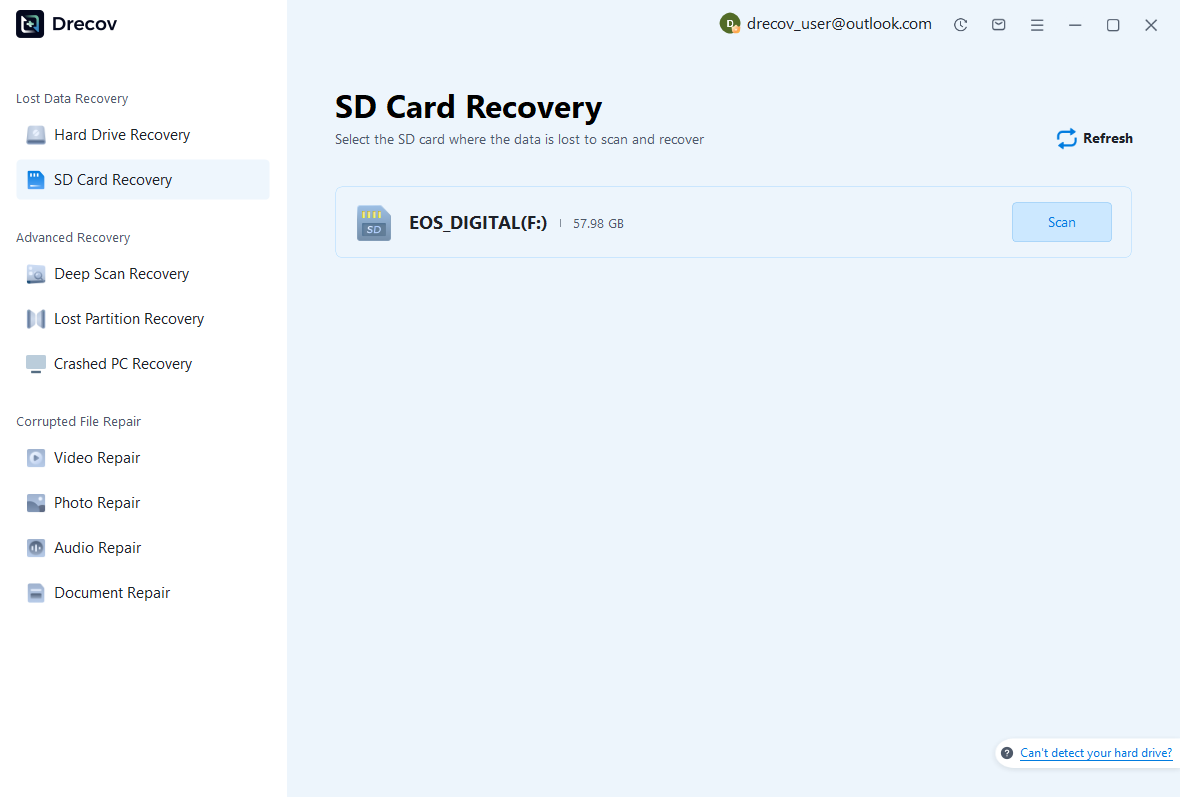
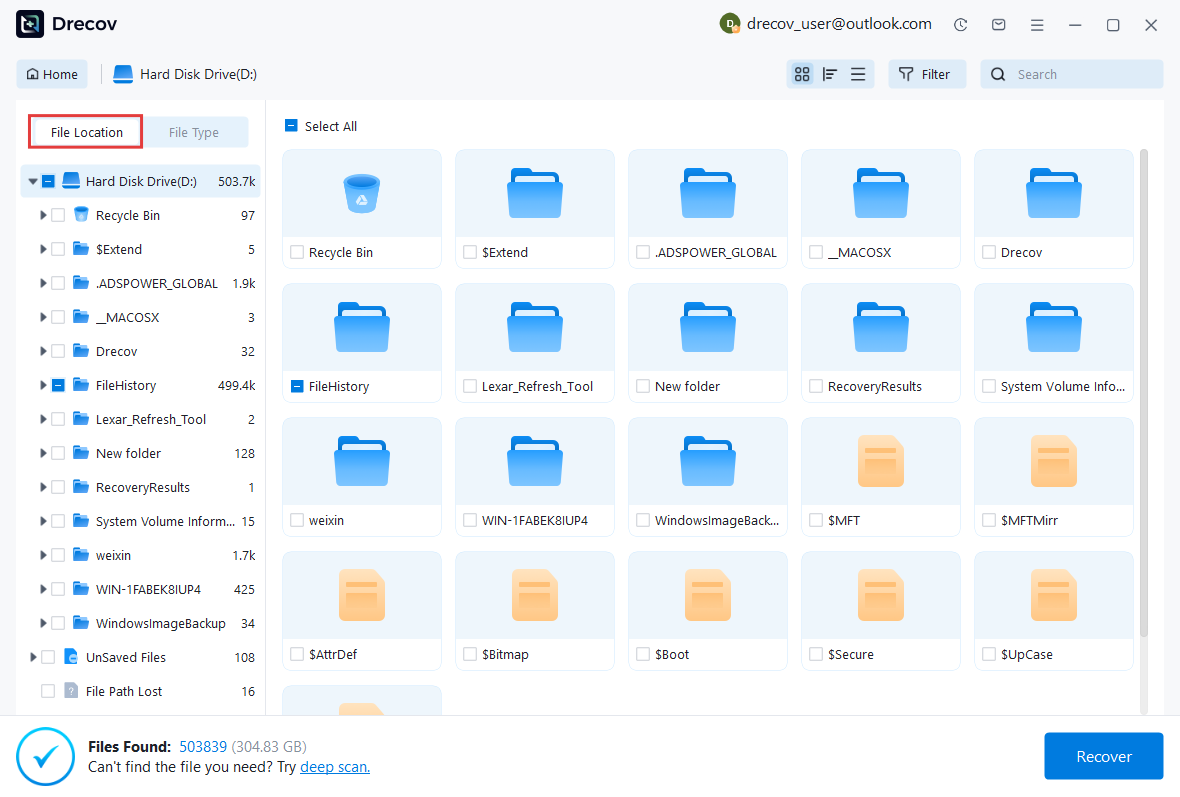
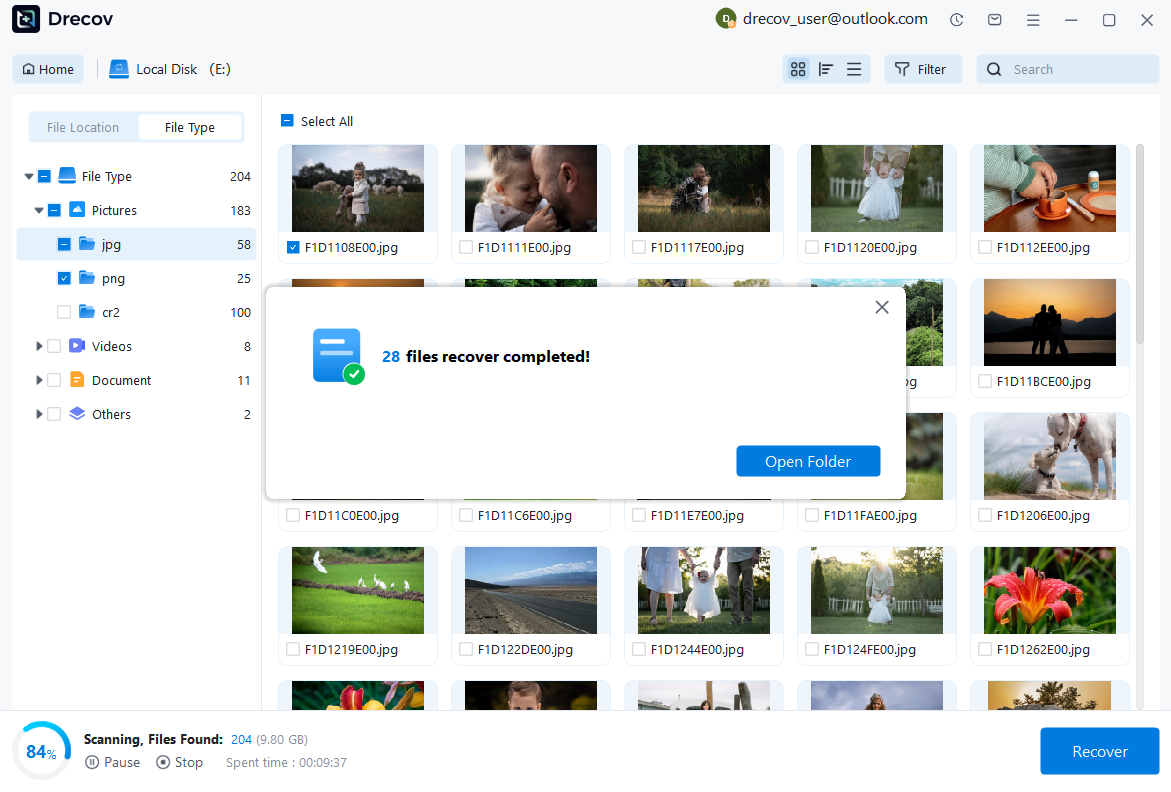
General recovery process:
- Install the software on a separate drive
- Scan the affected partition
- Preview recoverable files
- Restore them to safe storage
Recovery success depends on whether deleted sectors have been overwritten.
Test Environment:
- Windows 10 Home
- Interrupted software migration simulation
Result:
- Lost project files restored successfully from D drive scan
Why Choose PandaOffice Drecov Recovery Software?
PandaOffice Drecov offers a fast, secure, and user-friendly solution for recovering lost files across multiple scenarios. Whether you need email recovery, ZIP File Recovery, format data recovery, or help to recover deleted drafts Outlook, the software provides reliable recovery performance for both personal and business users.
PandaOffice Drecov supports recovery from formatted hard drives, SSDs, USB drives, SD cards, and external storage devices. Its advanced scanning engine can locate deleted archives, damaged ZIP files, lost Outlook drafts, and accidentally removed documents with high accuracy. For users searching for how to find deleted messages in Teams, PandaOffice Drecov can also help recover exported chat files, attachments, and related local cache data when available.
Key advantages include:
- Deep scan technology for complex data loss situations
- Support for emails, archives, videos, photos, and office documents
- Recovery from accidental deletion, formatting, corruption, and system crashes
- Easy preview before restoring files
- Compatible with Windows and multiple storage devices
Unlike complicated enterprise recovery tools, PandaOffice Drecov keeps the recovery process simple. Users can scan, preview, and restore files in just a few steps without technical expertise.
Whether you are dealing with lost Outlook drafts, corrupted ZIP archives, formatted drives, or missing communication data, PandaOffice Drecov provides an efficient and practical recovery experience designed to minimize downtime and protect important files.
Advantages and Risks of Third-Party Movers
Migration software can save significant time, but users should understand the associated risks.
Advantages:
- Faster relocation
- Registry path adjustments
- Reduced reinstall requirements
Potential risks:
- Software incompatibility
- Broken shortcuts
- Missing dependencies
- Corrupted installations
Reliable migration utilities generally perform better than manual copying methods.
Users should still avoid relocating:
- Antivirus programs
- Hardware drivers
- Core Windows applications
Test Environment:
- Windows 10 Enterprise
- Multiple productivity applications
Result:
- Most programs functioned normally after migration
- One utility required repair installation afterward
Manual Methods to Move Installed Programs
Reinstall Programs Directly to the D Drive
One of the safest ways to Move Programs from C Drive to D Drive is uninstalling and reinstalling applications directly onto another partition.
Steps:
- Back up application data
- Uninstall the program
- Launch the installer again
- Select D drive as destination
Although time-consuming, this method minimizes corruption risks because the application rebuilds its internal paths correctly.
This approach works especially well for:
- Editing software
- Productivity tools
- Development environments
Users asking “can i move everything from c drive to d” should understand that reinstalling remains safer than force-moving system applications.
Test Environment:
- Windows 10 Pro
- Office suite and editing tools installed
Result:
- Applications reinstalled successfully on D drive
- Startup performance improved slightly
Use Symbolic Links for Advanced Relocation
Advanced users sometimes relocate folders manually and create symbolic links to redirect Windows paths.
Basic process:
- Move application folder to D drive
- Open Command Prompt as administrator
- Create symbolic link using
mklink
This technique tricks Windows into thinking files remain in their original locations.
However, symbolic links require technical understanding and may not work with all software.
⚠️Warning: Incorrect symbolic link creation may cause applications to fail entirely.
Test Environment:
- Windows 10 Advanced User Setup
- Steam library relocation
Result:
- Game files redirected successfully
- One application failed due to hardcoded file paths
Moving Personal Files and User Folders Safely
Transfer Desktop, Downloads, and Documents Folders
Many users trying to Move Programs from C Drive to D Drive also want to relocate personal folders to free additional system storage. Windows allows users to move common directories safely without damaging the operating system.
Folders that can usually be moved include:
- Desktop
- Downloads
- Documents
- Pictures
- Videos
- Music
Steps:
- Open File Explorer
- Right-click the folder
- Select Properties
- Open the Location tab
- Click Move
- Choose a folder on the D drive
Windows automatically redirects future files to the new location.
This method is safer than manually cutting and pasting system folders because Windows updates folder references internally.
Test Environment:
- Windows 10 Pro
- 512GB SSD (C drive)
- 2TB HDD (D drive)
Result:
- User folders transferred successfully
- New files saved directly to D drive automatically
Move Large Media Libraries to Reduce System Load
Media files are one of the biggest reasons users ask, “can i move everything from c drive to d.” Videos, photos, and game recordings can consume hundreds of gigabytes quickly.
Instead of moving all system data, users should prioritize:
- Video editing projects
- Music collections
- Recorded gameplay
- RAW image archives
Large media libraries rarely need to remain on the system partition. Moving them to another drive can significantly reduce SSD pressure.
External drives may also work for:
- Backup archives
- Old project storage
- Multimedia collections
Test Environment:
- Windows 10 Home
- 4K video editing workstation
Result:
- More than 350GB freed on C drive
- Editing software performance remained stable
Change Default Save Locations in Windows
Windows allows users to redirect future file storage automatically.
Steps:
- Open Settings
- Go to System
- Select Storage
- Open Advanced Storage Settings
- Choose Change where new content is saved
Users can redirect:
- Documents
- Music
- Videos
- Photos
- Offline maps
This method prevents future clutter and reduces the need to repeatedly Move Programs from C Drive to D Drive later.
Test Environment:
- Windows 10 Enterprise
- Secondary SSD configured as D drive
Result:
- All future downloads stored on D drive automatically
What Should Never Be Moved From the C Drive
Avoid Relocating Windows System Files
Although users often ask, “can i move everything from c drive to d,” the answer is no. Critical Windows system files must remain on the primary partition.
Files and folders that should never be moved manually include:
- Windows folder
- ProgramData
- System32
- Boot files
- Pagefile.sys
These components are tightly connected to the operating system. Relocating them may cause:
- Blue screen errors
- Boot failure
- Missing DLL issues
- Update problems
Windows relies on fixed paths for many internal services.
⚠️Warning: Moving system directories manually can make Windows completely unbootable.
Test Environment:
- Windows 10 Pro
- System folder relocation simulation
Result:
- Startup failure occurred immediately after reboot test
Do Not Move Security or Driver Software Improperly
Programs deeply integrated into Windows should not be forcefully relocated.
Examples include:
- Antivirus tools
- Hardware drivers
- VPN network adapters
- System optimization utilities
These applications often interact directly with:
- Windows services
- Kernel-level drivers
- Startup processes
Moving them incorrectly may disable security protection or destabilize the operating system.
The safest approach is:
- Uninstall the software
- Reinstall it directly to the D drive if supported
Test Environment:
- Windows 10 Enterprise
- Third-party antivirus installed
Result:
- Manual relocation caused startup protection errors
- Reinstallation fixed the issue
Understand SSD and HDD Performance Differences
Users attempting to Move Programs from C Drive to D Drive should also consider storage speed differences.
If:
- C drive = NVMe SSD
- D drive = traditional HDD
then moved applications may load slower after relocation.
Programs sensitive to storage speed include:
- Modern games
- Video editing tools
- Virtual machines
- CAD applications
However, less demanding software usually performs normally even on HDD storage.
Good candidates for relocation:
- Archived games
- Office tools
- Media libraries
- Backup data
Test Environment:
- Windows 10 Gaming PC
- NVMe SSD + SATA HDD
Result:
- Game load times increased slightly after moving to HDD
- Office software showed minimal difference
Common Errors When Moving Programs
Applications Stop Launching After Transfer
One of the most common problems after users Move Programs from C Drive to D Drive is applications refusing to open.
Possible causes:
- Broken registry paths
- Missing DLL files
- Incomplete transfers
- Corrupted shortcuts
Solutions include:
- Repair installation
- Reinstall the application
- Restore backup files
- Verify installation paths
Software launchers like Steam often include built-in repair tools that verify relocated files automatically.
Test Environment:
- Windows 10 Pro
- Adobe software relocation test
Result:
- Launch failure resolved after repair installation
Permissions and Access Errors
Some applications require special permissions to function properly after relocation.
Common error messages include:
- Access denied
- Insufficient permissions
- Unable to write configuration files
Possible fixes:
- Run as administrator
- Reset folder permissions
- Reinstall with elevated privileges
Permissions issues often occur when folders are copied manually instead of moved through supported methods.
⚠️Warning: Changing advanced permissions incorrectly may expose important files to security risks.
Test Environment:
- Windows 10 Home
- Productivity application transferred manually
Result:
- Permission reset restored full functionality
Insufficient Storage During Migration
Users may begin transferring programs without enough free storage on the destination drive.
Large applications often require:
- Temporary installation files
- Cache generation
- Update reserves
Storage shortages during migration can corrupt transferred applications.
Before relocation:
- Check available storage carefully
- Leave additional free capacity
- Avoid filling the D drive completely
Test Environment:
- Windows 10 Pro
- Nearly full secondary partition
Result:
- Migration failed at 92% completion due to insufficient space
Frequently Asked Questions About Moving Programs
Can I Move Everything From C Drive to D?
Many users ask, “can i move everything from c drive to d,” but the answer is partially no.
You can move:
- Games
- Documents
- Media files
- Some applications
You should not move:
- Windows system files
- Boot partitions
- Critical drivers
The safest strategy is relocating large user-controlled data rather than attempting to transfer the entire operating system.
Test Environment:
- Windows 10 Enterprise
- Full relocation simulation
Result:
- Selective migration succeeded
- Full system movement caused boot instability
Will Moving Programs Improve Computer Speed?
Relocating software can improve performance indirectly by freeing storage space on the system partition.
Benefits may include:
- Faster Windows updates
- Reduced storage warnings
- Better virtual memory performance
However, applications moved from SSD to HDD may load slower.
Performance improvements depend on:
- Available free space
- Storage hardware type
- Application usage patterns
Test Environment:
- Windows 10 Gaming Desktop
Result:
- Windows responsiveness improved after freeing 200GB on C drive
Can I Move Steam Games Without Reinstalling?
Yes. Steam supports library migration directly.
Steps:
- Open Steam
- Go to Settings
- Open Storage
- Select game
- Click Move
This method preserves:
- Save files
- Updates
- Installed content
Most modern game launchers support similar features.
Test Environment:
- Windows 10 Pro
- Steam library with 15 installed games
Result:
- 320GB transferred successfully
- Games launched normally afterward
What Happens If a Program Breaks After Moving?
If an application fails after relocation:
- Repair installation
- Reinstall the program
- Restore backup files
- Move it back to the original location
Many issues result from:
- Manual copying
- Missing dependencies
- Incomplete migration
Reinstallation usually resolves the problem.
Test Environment:
- Windows 10 Home
- Office suite relocation test
Result:
- Reinstallation restored functionality completely
Final Recommendations for Managing Drive Storage
Best Practices for Moving Programs Safely
Users planning to Move Programs from C Drive to D Drive should follow careful preparation steps to minimize risk.
Recommended practices:
- Back up important data first
- Move only supported applications
- Keep enough free storage available
- Avoid interrupting transfers
- Use official migration tools whenever possible
The safest relocation methods are:
- Windows Settings app migration
- Reinstallation to another drive
- Supported launcher transfer tools
Advanced symbolic link methods should only be used by experienced users.
When Should You Move Applications?
Relocation is most useful when:
- The C drive is nearly full
- Games consume excessive storage
- Editing software occupies large space
- SSD capacity is limited
However, users should avoid unnecessary transfers. Frequently used applications often perform better when installed on fast SSD storage.
For long-term organization:
- Store Windows on SSD
- Move large media libraries to HDD
- Keep backups on external storage
- Separate work and entertainment files
Following these strategies helps maintain system stability while reducing storage pressure on the primary partition.






