







Understanding External Hard Drive Formatting
External storage devices are essential for backups, media libraries, gaming files, and business documents. However, many users eventually encounter situations where they need to format external hard drive devices because of corruption, compatibility problems, or storage cleanup. Although formatting sounds risky, it can be done safely when proper preparation steps are followed.
Formatting an external drive rebuilds its file system structure, allowing Windows to store and organize data correctly. Users commonly search for how to format an external hard drive when the device becomes inaccessible, slows down, or displays file system errors. In many cases, the drive may still function physically, but its partition information becomes damaged.
Windows offers several ways to handle external storage formatting. File Explorer provides the simplest approach, while Disk Management and Command Prompt offer more advanced control for stubborn drives.
The process becomes more important when switching storage between different devices. A drive used on macOS, gaming consoles, or Linux systems may need reformatting before Windows can recognize it correctly.
⚠️Warning: Formatting deletes the file indexing system. Always create backups or recover important files first.
Understanding how formatting works helps reduce accidental data loss and improves the long-term reliability of external storage devices.
What Happens When You Format an External Drive
Many users searching how to format an external hard drive in windows 10 worry that formatting will instantly destroy all stored files permanently. In reality, the exact result depends on the formatting method selected.
When formatting begins, Windows removes the existing file system metadata and prepares the storage space for reuse. The actual files may still remain physically present until overwritten by new data.
Quick Format
A quick format:
- Removes directory information
- Rebuilds the file allocation structure
- Finishes quickly
- Leaves recoverable data behind temporarily
Full Format
A full format:
- Checks the drive for bad sectors
- Performs deeper cleanup
- Takes longer to complete
- Makes recovery more difficult afterward
Formatting also creates a new file system such as:
- NTFS
- exFAT
- FAT32
Choosing the correct file system affects compatibility, storage limits, and performance.
People researching format external hard drive windows 10 often need to prepare drives for:
- Windows PCs
- Xbox or PlayStation consoles
- macOS systems
- Smart TVs
- Backup storage
Test Environment:
- Windows 10 Pro 64-bit
- 1TB USB external HDD
- NTFS and exFAT formatting tests
- USB 3.0 connection
Knowing what formatting actually changes helps users make safer decisions before proceeding.
Why People Reformat External Storage Devices
External drives may require formatting for many reasons besides simple file deletion. Users often search format an external hard drive windows 10 after encountering storage problems that normal troubleshooting cannot resolve.
Corrupted File Systems
Unexpected shutdowns, malware, or improper removal may damage partitions and prevent Windows from reading the drive.
RAW Drive Errors
A RAW drive has no recognizable file system. Windows usually prompts users to format the device immediately.
Cross-Platform Compatibility
Drives moving between Windows and macOS often require exFAT formatting for proper support.
Storage Cleanup
Large backup drives accumulate old files over time. Formatting offers a faster way to clear the device completely.
Performance Improvements
Fragmented data and hidden errors may reduce transfer performance on older drives.
People also reformat storage before selling or donating hardware to protect private information.
Test Environment:
- Windows 10 Home Edition
- External SSD 500GB
- RAW partition simulation
- exFAT conversion testing
⚠️Warning: Reformatting does not repair serious physical hardware damage. Clicking noises or repeated disconnects may indicate drive failure.
Understanding the reasons behind formatting helps users choose the safest and most effective recovery or maintenance strategy.
Common File Systems for Windows 10 External Drives
Selecting the correct file system is one of the most important decisions during windows 10 external hard drive format procedures. Different file systems support different devices and storage requirements.
NTFS
NTFS is the default Windows file system and works best for:
- Windows desktop systems
- Large files
- Security permissions
- Backup drives
It provides strong reliability and supports files larger than 4GB.
exFAT
Many users consider exFAT the best format for external hard drive compatibility because it works across:
- Windows
- macOS
- Gaming consoles
- Portable devices
It supports large storage volumes and large media files.
FAT32
FAT32 remains useful for:
- Older hardware
- Legacy gaming systems
- Small-capacity USB drives
However, FAT32 cannot store files larger than 4GB.
When deciding the best formatting for external hard drive usage, users should consider:
- Operating system compatibility
- File sizes
- Device support
- Performance needs
Test Environment:
- Windows 10 Enterprise
- 256GB USB drive
- NTFS, exFAT, and FAT32 testing
- Cross-platform compatibility checks
Choosing the proper format helps prevent recognition errors and improves storage stability.
Why Data Loss Happens During Formatting
Data loss during formatting usually occurs because users continue using the drive after the process begins. Once new information overwrites old sectors, recovery becomes much harder.
People searching how to format an external hard drive for windows 10 often assume formatting instantly destroys everything permanently, but accidental overwriting is usually the bigger problem.
Common causes of irreversible data loss include:
- Saving new files immediately after formatting
- Repeated formatting attempts
- Using disk repair tools incorrectly
- Installing software onto the affected drive
Sometimes Windows automatically suggests formatting when a partition becomes inaccessible. Users who immediately accept the prompt without recovery attempts may lose important documents unnecessarily.
Signs a Drive May Need Recovery First
- Missing folders
- RAW partition errors
- “Drive needs to be formatted” messages
- File names appearing corrupted
- Unusual transfer failures
Test Environment:
- Windows 10 Pro
- External 2TB HDD
- Simulated RAW corruption
- Recovery workflow validation
⚠️Warning: Stop using the affected drive immediately if important files are missing.
The faster users respond correctly, the better the chances of successful file recovery before formatting.
Quick Format vs Full Format Differences
Understanding the difference between quick and full formatting is essential before beginning formatting external hard drive windows 10 procedures.
Quick Format
Quick formatting:
- Deletes file indexing structures
- Takes only seconds or minutes
- Does not deeply scan the disk
- Leaves recovery possibilities open temporarily
This option works best for:
- Healthy drives
- Routine reuse
- Fast storage cleanup
Full Format
Full formatting:
- Checks for bad sectors
- Performs a more complete cleanup
- Takes much longer
- Reduces recovery chances
This option is recommended for:
- Older drives
- Suspected corruption
- Preparing drives for resale
Many users choosing the best format for an external hard drive also need to decide between these two formatting types depending on storage condition.
Test Environment:
- Windows 10 Home
- 1TB external HDD
- NTFS full-format testing
- Surface bad-sector analysis
Although full formatting requires more time, it may identify hidden hardware problems before serious failure occurs.
Common Mistakes That Cause Permanent File Loss
Formatting itself is not always the main reason files disappear permanently. In many situations, user mistakes after formatting make recovery impossible.
Mistake 1: Continuing to Use the Drive
Writing new files to the disk overwrites recoverable sectors rapidly.
Mistake 2: Formatting the Wrong Drive
Users sometimes accidentally select the incorrect external device during formatting.
Mistake 3: Ignoring Early Warning Signs
Frequent disconnects, unusual noises, or slow transfers often indicate worsening drive health.
Mistake 4: Repeated Repair Attempts
Running multiple repair tools may damage partition structures further.
Mistake 5: Installing Recovery Software on the Same Drive
This can overwrite deleted files immediately.
People researching how to format an external hard drive on windows 10 should understand that careful preparation matters more than the formatting tool itself.
Test Environment:
- Windows 10 Pro
- External SSD 1TB
- File overwrite simulation
- Recovery success comparison tests
⚠️Warning: Never save recovered files back to the original damaged drive.
Avoiding these common mistakes greatly improves the chances of preserving important data.
Signs Your Drive Needs Immediate Backup
External drives often show warning signs before complete failure occurs. Users planning to format external hard drive for windows 10 should back up important files immediately if these symptoms appear.
Frequent Disconnections
Drives disconnecting randomly may indicate:
- USB power issues
- Failing controllers
- Damaged cables
- Hardware instability
Slow Transfer Speeds
Extremely slow performance may suggest:
- File system corruption
- Bad sectors
- Aging hardware
Unusual Noises
Clicking or grinding sounds often indicate mechanical failure in HDDs.
Windows Formatting Prompts
If Windows suddenly asks to format the drive before access, backup and recovery should happen first whenever possible.
Test Environment:
- Windows 10 Enterprise
- External 4TB HDD
- USB power stability tests
- SMART monitoring tools
Recognizing early symptoms allows users to protect valuable data before formatting or complete device failure becomes necessary.
How to Format an External Hard Drive Without Losing Data
Formatting safely requires preparation, the correct formatting method, and understanding how Windows handles storage devices. Users searching how to format an external hard drive often want to fix errors while preserving valuable files. The safest approach is always to back up or recover data before making changes to the drive structure.
Windows 10 provides several built-in tools for formatting external storage:
- File Explorer
- Disk Management
- Command Prompt
- DiskPart
Each method works differently depending on the condition of the drive. Healthy drives are easier to format using graphical tools, while corrupted or RAW partitions may require advanced utilities.
Before starting:
- Disconnect unnecessary USB drives
- Verify the correct disk carefully
- Save important files elsewhere
- Avoid interrupting the formatting process
Test Environment:
- Windows 10 Pro 22H2
- External SSD and HDD testing
- USB 3.0 and USB-C connectivity
- NTFS and exFAT validation
⚠️Warning: Disconnecting a drive during formatting may corrupt the partition completely.
Following the correct workflow helps minimize risks and ensures external storage devices remain stable after formatting.
Method 1 – Back Up Files Before Formatting
The safest way to avoid data loss during windows 10 external hard drive format procedures is creating a backup before formatting begins.
Why Backups Matter
Formatting removes the current file system structure. Even though quick formats may leave recoverable data behind temporarily, unexpected problems can still cause permanent loss.
Important files to back up include:
- Family photos
- Work documents
- Videos
- Project archives
- Saved game files
Recommended Backup Options
Users can store backups on:
- Another external hard drive
- Internal secondary storage
- NAS devices
- Cloud platforms
Simple Backup Workflow
- Connect the external drive.
- Copy important folders manually.
- Verify files open correctly from the backup location.
- Begin formatting only after confirmation.
This approach works well for users preparing to format an external hard drive windows 10 without taking unnecessary risks.
Test Environment:
- Windows 10 Home Edition
- External 2TB HDD
- Manual backup verification
- USB-C transfer testing
Creating backups first remains the most effective protection against accidental file loss during any storage operation.
Method 2 – Use File Explorer to Format External Drives
File Explorer is the easiest method for users learning how to format an external hard drive in windows 10. This built-in Windows tool provides a straightforward graphical interface suitable for healthy drives.
Steps to Format with File Explorer
- Connect the external hard drive.
- Open “This PC.”
- Right-click the target drive.
- Select “Format.”
- Choose a file system:
- NTFS
- exFAT
- FAT32
- Enter a drive label if desired.
- Select Quick Format or Full Format.
- Click “Start.”
Advantages
- Very beginner-friendly
- Fast process
- No command-line knowledge required
- Works with most healthy external drives
Limitations
- RAW drives may not appear correctly
- Advanced partition repair options are unavailable
- Severe corruption may prevent completion
For many users, this remains the simplest solution when trying to format external hard drive for windows 10 quickly.
Test Environment:
- Windows 10 Pro
- External SSD 500GB
- NTFS quick-format testing
- USB 3.1 interface
This method is ideal for regular maintenance and routine storage cleanup.
Method 3 – Format External Hard Drive with Disk Management
Disk Management provides more advanced control than File Explorer and works especially well for damaged or partially inaccessible partitions.
People researching how to format an external hard drive on windows 10 often use this method when:
- The drive letter disappears
- The partition becomes RAW
- Storage appears unallocated
- File Explorer fails to format the disk
Steps Using Disk Management
- Press
Windows + X. - Select “Disk Management.”
- Locate the external drive carefully.
- Right-click the partition.
- Choose “Format.”
- Select the desired file system.
- Confirm the operation.
If the partition is severely corrupted:
- Delete the damaged partition.
- Create a new simple volume.
- Assign a drive letter.
- Format the drive again.
Benefits
- Better partition visibility
- Handles damaged volumes
- Useful for storage troubleshooting
- Supports partition recreation
Risks
Incorrect partition selection may erase the wrong drive.
Test Environment:
- Windows 10 Enterprise
- External 1TB HDD
- RAW partition recreation
- exFAT compatibility testing
⚠️Warning: Verify the correct disk number carefully before deleting partitions.
Disk Management is one of the most reliable tools for advanced Windows storage maintenance.
Method 4 – Recover Files Using Pandaoffice Drecov Before Formatting
If important files are trapped on a damaged or inaccessible drive, recovery should happen before formatting begins. This is especially important for users facing RAW errors or sudden partition corruption.
Pandaoffice Drecov helps recover files from:
- RAW external drives
- Corrupted partitions
- Formatted disks
- Deleted folders
- Inaccessible storage devices
When Recovery Is Recommended
Use recovery software first if:
- Windows requests formatting unexpectedly
- Important files disappeared
- The drive opens slowly or partially
- Partitions become unreadable
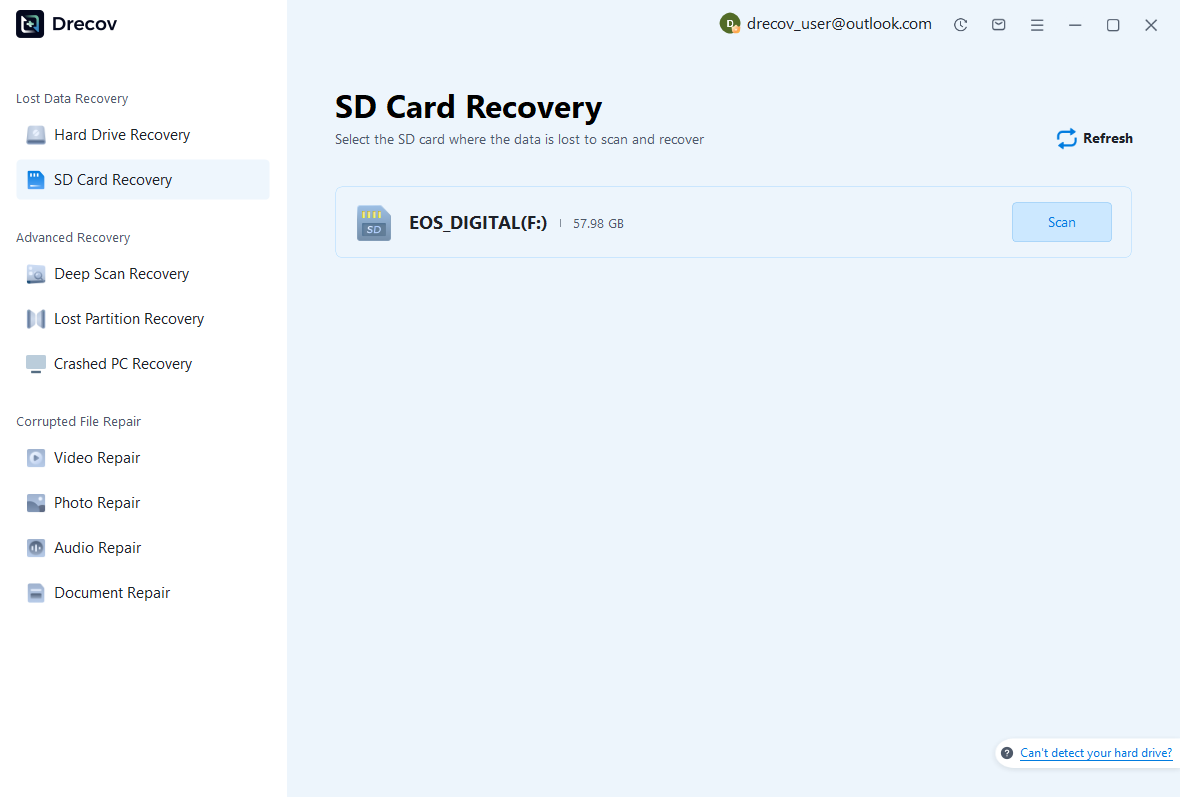
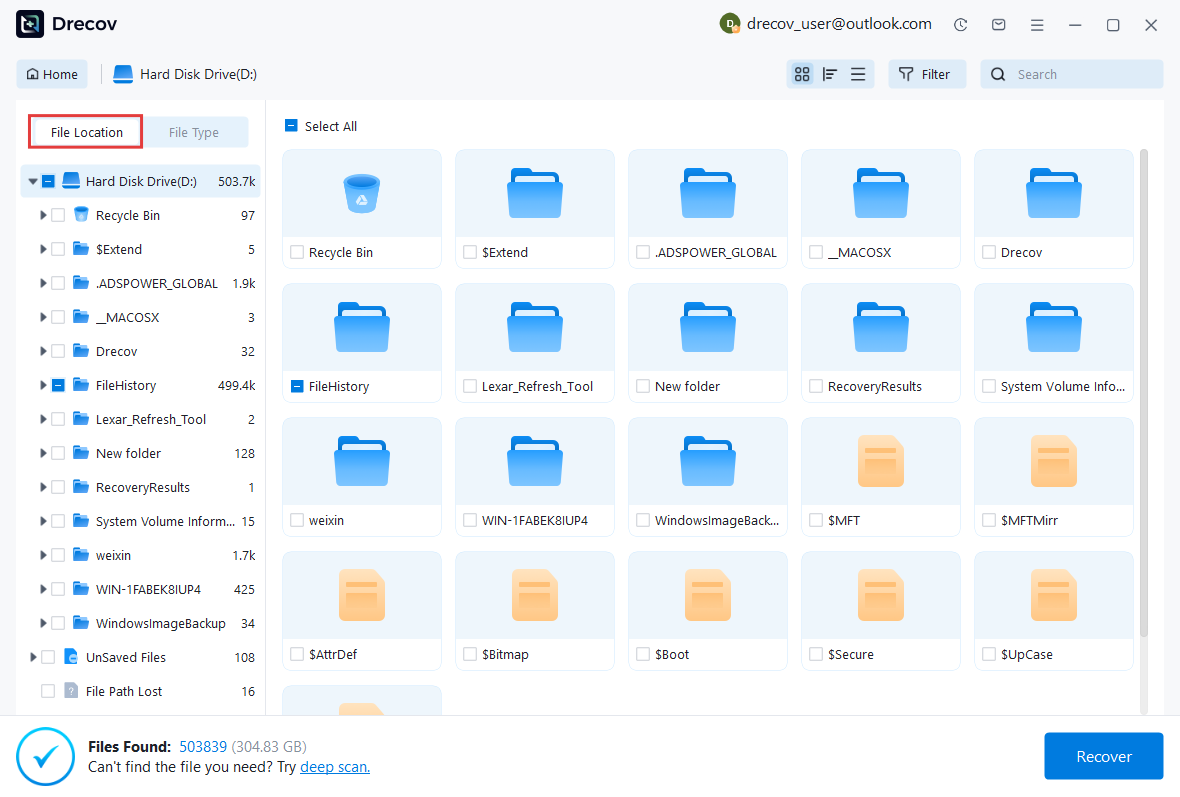
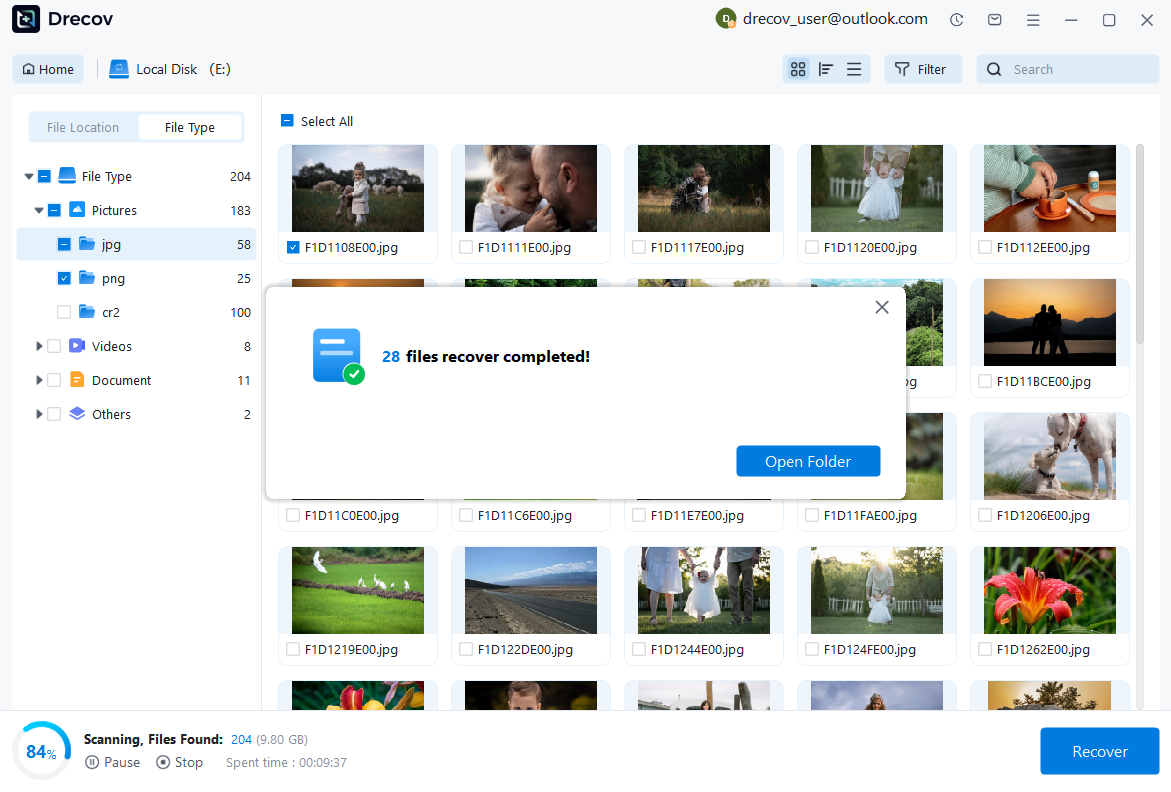
Basic Recovery Steps
- Connect the affected drive.
- Open Pandaoffice Drecov.
- Scan the damaged partition.
- Preview recoverable files.
- Save recovered data to another storage device.
- Format the original drive afterward.
Why Recovery Before Formatting Matters
Formatting may reduce recovery success rates if new data overwrites old sectors. Recovering files first provides a safer workflow.
Test Environment:
- Windows 10 Pro
- External RAW HDD 2TB
- Deep-scan recovery testing
- NTFS restoration process
After recovery completes successfully, users can continue safely with format external hard drive operations using Windows tools.
Why Choose PandaOffice Drecov Recovery Software?
PandaOffice Drecov offers a fast, secure, and user-friendly solution for recovering lost files across multiple scenarios. Whether you need email recovery, ZIP File Recovery, format data recovery, or help to recover deleted drafts Outlook, the software provides reliable recovery performance for both personal and business users.
PandaOffice Drecov supports recovery from formatted hard drives, SSDs, USB drives, SD cards, and external storage devices. Its advanced scanning engine can locate deleted archives, damaged ZIP files, lost Outlook drafts, and accidentally removed documents with high accuracy. For users searching for how to find deleted messages in Teams, PandaOffice Drecov can also help recover exported chat files, attachments, and related local cache data when available.
Key advantages include:
- Deep scan technology for complex data loss situations
- Support for emails, archives, videos, photos, and office documents
- Recovery from accidental deletion, formatting, corruption, and system crashes
- Easy preview before restoring files
- Compatible with Windows and multiple storage devices
Unlike complicated enterprise recovery tools, PandaOffice Drecov keeps the recovery process simple. Users can scan, preview, and restore files in just a few steps without technical expertise.
Whether you are dealing with lost Outlook drafts, corrupted ZIP archives, formatted drives, or missing communication data, PandaOffice Drecov provides an efficient and practical recovery experience designed to minimize downtime and protect important files.
Method 5 – Use Command Prompt to Reformat External Drives
Advanced users may prefer Command Prompt when standard graphical tools fail. This method provides direct control over storage devices and can handle stubborn formatting issues.
Steps Using Command Prompt
- Search for “Command Prompt.”
- Run as Administrator.
- Enter the following commands:
diskpart
list disk
select disk X
clean
create partition primary
format fs=ntfs quick
assign
exit
Replace “X” with the correct disk number.
Advantages
- Powerful low-level formatting
- Removes corrupted partition structures
- Useful for inaccessible drives
- Faster for experienced users
Disadvantages
- Requires careful command entry
- No graphical safety protection
- Incorrect commands may erase the wrong disk
Many advanced users searching how to format an external hard drive for windows 10 rely on DiskPart because it handles severe corruption more effectively than File Explorer.
Test Environment:
- Windows 10 Professional
- External SSD 1TB
- GPT partition recreation
- NTFS quick-format validation
⚠️Warning: The “clean” command removes all partition information immediately.
This method is best reserved for experienced users comfortable with Windows command-line utilities.
Choosing the Best Format for an External Hard Drive
Selecting the proper file system is critical for performance, compatibility, and storage reliability. Many users ask about the best format for external hard drive usage because different devices support different file systems.
Factors to Consider
The ideal format depends on:
- Operating systems used
- File size requirements
- Device compatibility
- Intended usage
For example:
- Windows-only storage usually benefits from NTFS
- Cross-platform use often works better with exFAT
- Older hardware may require FAT32
Test Environment:
- Windows 10 Home and Pro
- Cross-platform compatibility tests
- USB SSD and HDD comparison
- NTFS vs exFAT benchmarking
Choosing the correct format improves stability and reduces compatibility problems later.
NTFS for Windows 10 Systems
NTFS is widely considered the best format for an external hard drive when the device will primarily be used with Windows computers.
Benefits of NTFS
- Supports large files
- Better reliability
- Improved security permissions
- Efficient storage management
Best Use Cases
NTFS works well for:
- Backup drives
- Gaming libraries
- Large video files
- Professional workstations
Limitations
macOS can read NTFS drives but may not write to them without additional software.
Test Environment:
- Windows 10 Enterprise
- External 4TB HDD
- NTFS file-transfer testing
- Large media archive benchmarks
For Windows-focused workflows, NTFS usually offers the strongest balance of performance and reliability.
exFAT for Cross-Platform Compatibility
Many users consider exFAT the best formatting for external hard drive compatibility because it works smoothly across multiple operating systems.
Advantages of exFAT
- Supports files larger than 4GB
- Works on Windows and macOS
- Compatible with gaming consoles
- Efficient for flash storage
Ideal Usage Scenarios
exFAT is commonly used for:
- Portable SSDs
- SD cards
- Video editing workflows
- Multi-device environments
Potential Downsides
exFAT lacks some advanced security and journaling features available in NTFS.
Test Environment:
- Windows 10 Pro
- macOS compatibility testing
- 1TB portable SSD
- Cross-platform transfer benchmarks
Users sharing files between different systems often prefer exFAT for maximum flexibility.
FAT32 for Older Devices and Small Drives
Although older, FAT32 still remains useful in specific situations.
Benefits
- Broad device compatibility
- Works with older hardware
- Supported by many embedded systems
Limitations
- 4GB maximum file size
- Less efficient with modern large drives
Best Uses
FAT32 is still practical for:
- Older TVs
- Legacy gaming consoles
- Small USB drives
Test Environment:
- Windows 10 Home
- 64GB USB flash drive
- FAT32 compatibility tests
- Multimedia playback devices
While not ideal for modern large-capacity drives, FAT32 still provides reliable support for legacy hardware.
Frequently Asked Questions About Formatting External Drives
How to format an external hard drive on Windows 10
You can use:
- File Explorer
- Disk Management
- Command Prompt
- DiskPart
The easiest option for beginners is File Explorer.
What is the best format for external hard drive storage
The ideal format depends on usage:
- NTFS for Windows-only systems
- exFAT for cross-platform compatibility
- FAT32 for older devices
Can formatting remove viruses and corruption
Yes, formatting can remove many file-system-level infections and corruption issues. However, physical hardware problems may still remain.
Is it possible to recover files after formatting
Recovery may still be possible after quick formatting if new data has not overwritten the drive. Recovery success decreases over time with continued use.
Final Thoughts on Safe External Hard Drive Formatting
Learning how to format an external hard drive safely is essential for protecting important data while maintaining storage performance. Whether users need to repair corruption, prepare drives for Windows 10, or improve compatibility between devices, proper formatting procedures can solve many common storage issues.
Before formatting:
- Create backups whenever possible
- Recover important files first
- Select the correct file system
- Verify the correct disk carefully
Windows provides several reliable formatting methods for both beginners and advanced users. File Explorer offers simplicity, Disk Management handles advanced partition tasks, and Command Prompt provides deeper storage control.
When important files are trapped on damaged partitions, Pandaoffice Drecov can help retrieve data before formatting begins.
By following careful preparation steps and selecting the right formatting method, users can safely manage external drives while minimizing the risk of permanent file loss.






