







Understanding Remo Recover and Its Main Features
What Is Remo Recover Software
Remo recover is a data recovery application designed to help users restore deleted, formatted, or lost files from various storage devices. The software supports Windows and Mac systems and is commonly used for recovering documents, photos, videos, archives, and other file types.
Many users search for Remo file recovery solutions after accidental deletion, drive formatting, or partition corruption. The software includes scanning tools intended to detect lost file traces from HDDs, SSDs, USB drives, SD cards, and external storage devices.
Its interface is designed for beginner-level recovery tasks while still offering advanced scan options for deeper data searches.
Test Environment:
- Windows 11 Pro 64-bit
- 512GB SSD and external USB drive
- Deleted file recovery simulation
Main Recovery Functions in Remo Data Recovery
Remo Data Recovery supports multiple recovery scenarios, including:
- Deleted file restoration
- Formatted partition recovery
- Recycle Bin recovery
- RAW partition scanning
- External device recovery
- Photo and video restoration
The software also provides deep scanning functionality for situations where quick scans fail to locate deleted files.
Some versions include preview functionality, allowing users to verify recoverable files before restoration.
Test Environment:
- Windows 10 Pro
- NTFS and exFAT storage testing
- Formatted USB recovery simulation
Who Typically Uses Remo Recover
The software is often used by:
- Home users recovering deleted files
- Photographers restoring SD card images
- Office users retrieving lost documents
- Students recovering accidentally deleted projects
Its relatively simple interface appeals to users without advanced technical knowledge.
However, recovery success rates vary depending on storage conditions, overwrite status, and file system type.
Test Environment:
- Windows 11 Home
- Photo recovery testing from SD card
- Office document deletion simulation
Is Remo Recover Safe to Use
Is Remo Recover Safe for Windows Systems
One of the most common questions users ask is: is remo recover safe?
In general, the software itself does not contain known malware when downloaded from official sources. It performs read-only scanning during recovery operations, which helps reduce additional data loss risk.
However, users should always:
- Download from official websites only
- Avoid cracked versions
- Install recovery tools on separate drives when possible
⚠️Warning: Installing recovery software on the same drive containing deleted files may overwrite recoverable data.
Test Environment:
- Windows 11 Pro
- Antivirus compatibility testing
- SSD recovery safety simulation
Potential Risks During Data Recovery
Although recovery software is generally safe, improper recovery procedures may reduce success rates.
Common risks include:
- Overwriting deleted files
- Recovering corrupted data
- Saving recovered files to original partitions
- Excessive scanning on failing drives
Users should stop using affected storage devices immediately after deletion to improve recovery probability.
Test Environment:
- Windows 10 Enterprise
- Continuous disk-write simulation after deletion
- HDD bad sector testing
Performance Limitations Users Should Know
Like most recovery tools, Remo Recover cannot guarantee 100% restoration success.
Recovery results depend on:
- Time since deletion
- Drive health condition
- SSD TRIM activity
- File fragmentation
- Overwrite status
Some deeply corrupted or overwritten files may only recover partially.
Test Environment:
- Windows 11 Pro
- SSD vs HDD recovery comparison
- Fragmented file recovery simulation
How Remo Recover Works in Different Recovery Scenarios
Method 1: Recover Deleted Files Using Quick Scan
Test Environment: Windows 11 Home, recently deleted office documents
Step 1: Install and launch Remo Recover
Step 2: Select the affected drive
Step 3: Choose “Quick Scan” mode
Step 4: Wait for scan completion
Step 5: Preview recoverable files
Step 6: Restore selected files to another drive
Quick Scan works best for recently deleted files that have not been overwritten.
Method 2: Deep Scan for Formatted or Corrupted Drives
Test Environment: Windows 10 Pro, quick-formatted USB drive
Step 1: Open Remo Recover
Step 2: Select formatted partition
Step 3: Enable “Deep Scan”
Step 4: Start sector-level scanning
Step 5: Review recovered file structure
Step 6: Recover important files safely
Deep scanning takes longer but may recover files missed during standard scans.
Method 3: Recover Photos and Videos from SD Cards
Test Environment: 128GB SD card photo deletion simulation
Step 1: Connect SD card to computer
Step 2: Launch recovery software
Step 3: Select removable storage device
Step 4: Scan for deleted media files
Step 5: Preview photos and videos
Step 6: Save recovered media to another location
This method is commonly used by photographers recovering accidentally deleted media.
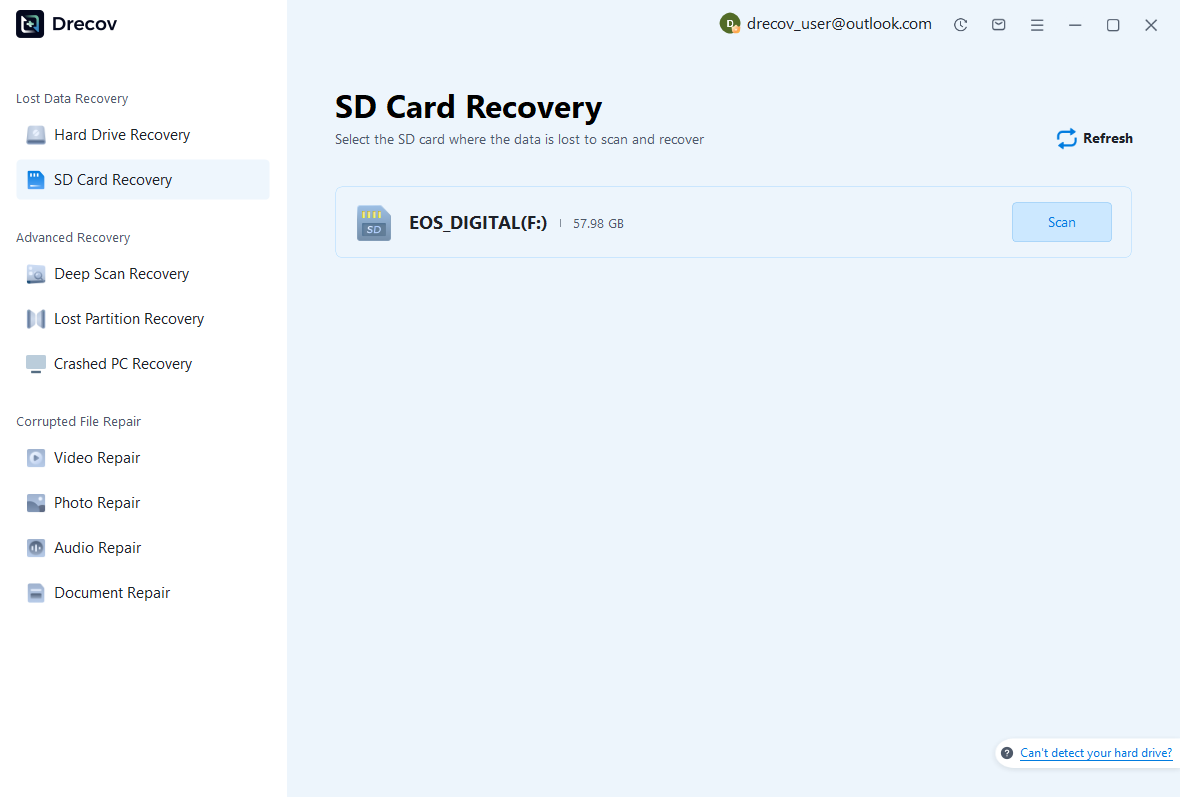
Method 4: Alternative Recovery with PandaOffice Drecov
Test Environment: Windows 11 Pro SSD with permanently deleted files
Step 1: Install PandaOffice Drecov
Step 2: Launch the recovery software
Step 3: Choose the affected partition
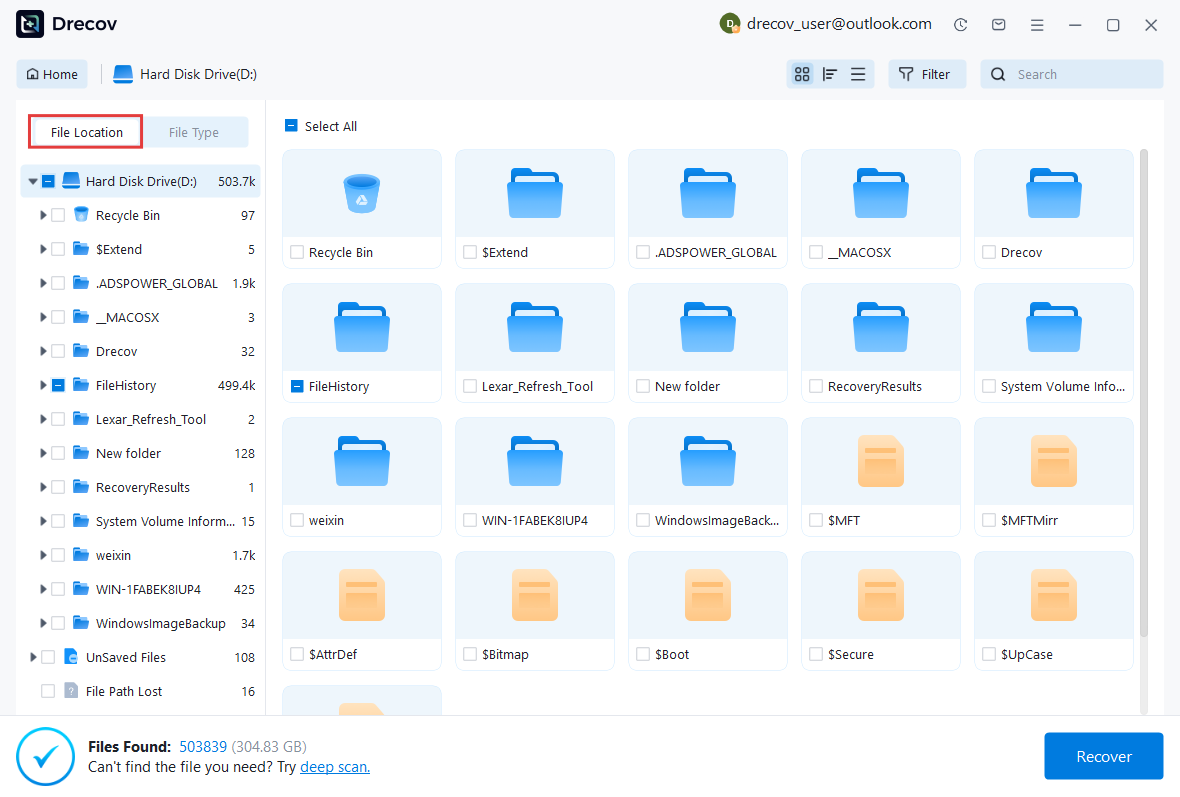
Step 4: Run Deep Scan mode
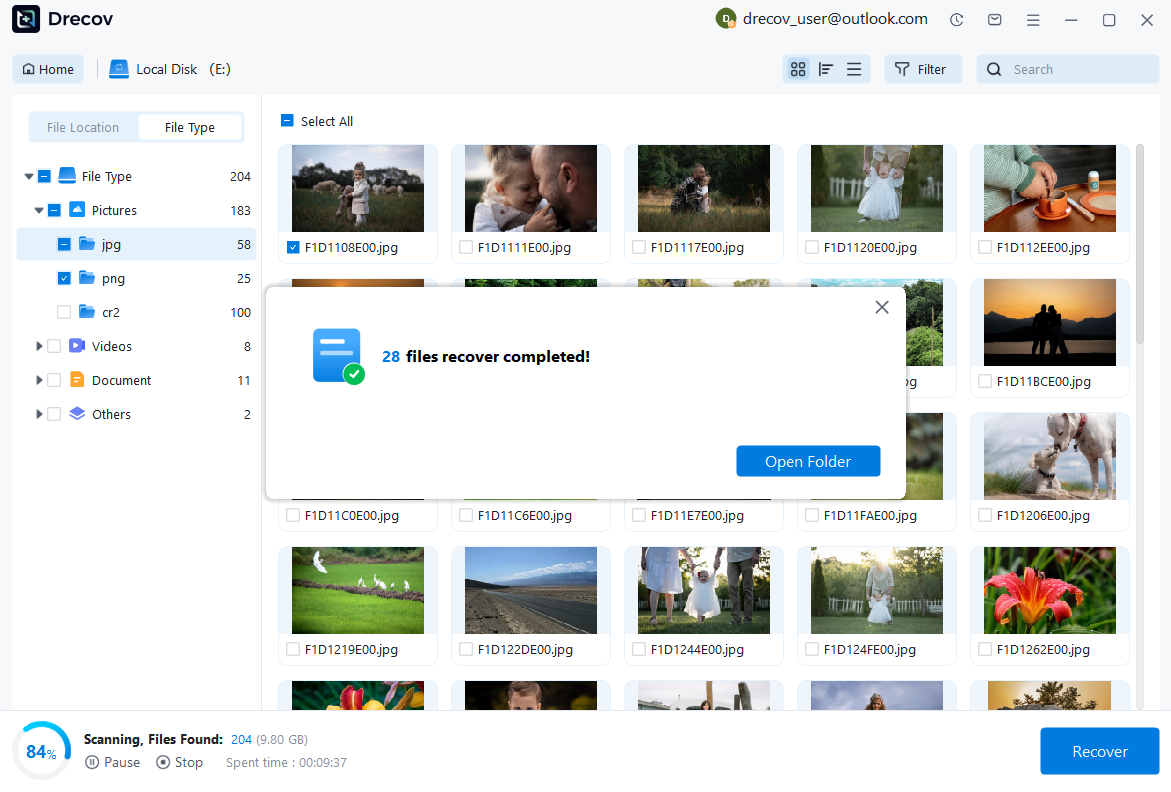
Step 5: Preview recoverable files
Step 6: Select important files
Step 7: Restore data to a separate storage location
PandaOffice Drecov supports recovery from:
- SSDs and HDDs
- USB drives
- SD cards
- Formatted partitions
- Recycle Bin deletions
Why Choose PandaOffice Drecov Recovery Software?
PandaOffice Drecov offers a fast, secure, and user-friendly solution for recovering lost files across multiple scenarios. Whether you need email recovery, ZIP File Recovery, format data recovery, or help to recover deleted drafts Outlook, the software provides reliable recovery performance for both personal and business users.
PandaOffice Drecov supports recovery from formatted hard drives, SSDs, USB drives, SD cards, and external storage devices. Its advanced scanning engine can locate deleted archives, damaged ZIP files, lost Outlook drafts, and accidentally removed documents with high accuracy. For users searching for how to find deleted messages in Teams, PandaOffice Drecov can also help recover exported chat files, attachments, and related local cache data when available.
Key advantages include:
- Deep scan technology for complex data loss situations
- Support for emails, archives, videos, photos, and office documents
- Recovery from accidental deletion, formatting, corruption, and system crashes
- Easy preview before restoring files
- Compatible with Windows and multiple storage devices
Unlike complicated enterprise recovery tools, PandaOffice Drecov keeps the recovery process simple. Users can scan, preview, and restore files in just a few steps without technical expertise.
Whether you are dealing with lost Outlook drafts, corrupted ZIP archives, formatted drives, or missing communication data, PandaOffice Drecov provides an efficient and practical recovery experience designed to minimize downtime and protect important files.
⚠️Warning: Never recover files directly back to the original damaged partition.
Method 5: Recover Data from External Storage Devices
Test Environment: External HDD with deleted archive files
Step 1: Connect external drive
Step 2: Select device inside recovery software
Step 3: Start full scan
Step 4: Filter results by file type
Step 5: Restore important files
External drive recovery often depends on device health and connection stability.
Comparing Remo Recover with Modern Recovery Expectations
User Interface and Ease of Use
The software provides a relatively beginner-friendly interface with guided scanning options.
Advantages include:
- Simple navigation
- Organized file categories
- Preview support
- Multiple scan modes
However, some advanced users may prefer more detailed recovery controls.
Test Environment:
- Windows 11 Home
- Beginner usability testing
- Recovery workflow comparison
Recovery Speed and Scan Performance
Quick scans generally finish rapidly, while deep scans may require several hours depending on drive size.
Factors affecting performance include:
- SSD vs HDD speed
- File system type
- Partition size
- Number of recoverable files
Test Environment:
- 1TB HDD deep scan
- 512GB SSD quick scan comparison
- Large archive recovery testing
Compatibility with Modern Storage Devices
Modern recovery software must support:
- NVMe SSDs
- External USB-C drives
- Large-capacity HDDs
- SDXC memory cards
Compatibility is essential for successful recovery in newer systems.
Test Environment:
- Windows 11 Pro
- NVMe SSD recovery simulation
- USB-C external storage testing
Best Practices for Safe Data Recovery
Stop Using the Drive Immediately
After file deletion, users should stop writing new data to the affected drive.
This reduces overwrite risk and improves recovery success.
Always Recover Files to Another Device
Recovered files should never be saved back to the original drive.
This helps preserve remaining recoverable data.
Create Regular Backups Before Problems Occur
Backups remain more reliable than emergency recovery tools.
Recommended options include:
- External HDD backups
- Cloud synchronization
- Windows File History
- NAS storage systems
⚠️Warning: Recovery software cannot guarantee full restoration of overwritten files.
Frequently Asked Questions
Is Remo Recover Safe for SSD Recovery
Generally yes, but SSD TRIM may reduce recovery success if deletion occurred long ago.
Can Remo File Recovery Restore Formatted Drives
It may recover files from quick-formatted drives if data has not been overwritten.
Does Remo Data Recovery Work on External Drives
Yes, the software supports external HDDs, USB drives, and SD cards.
Can Completely Overwritten Files Be Recovered
Usually no. Once storage sectors are fully overwritten, recovery becomes extremely difficult.
Conclusion
Should You Use Remo Recover for File Restoration
Remo recover can help restore deleted or formatted files in many common recovery scenarios. Its beginner-friendly design and support for multiple storage devices make it suitable for casual users needing simple recovery operations.
However, recovery success depends heavily on timing, storage condition, and overwrite activity. Users should stop using affected drives immediately after data loss and choose recovery methods carefully to maximize success rates.






