







Losing critical files from a flash drive can disrupt your workflow and cause immense stress. Whether you accidentally deleted an important work presentation or a virus corrupted your family photos, the need for reliable usb memory recovery is incredibly common. USB drives are highly portable, but their frequent use across different devices makes them vulnerable to file system corruption, accidental formatting, and physical wear.
When data loss strikes, many users assume their files are gone forever. However, the data usually remains hidden on the drive until new files overwrite it. To safely retrieve your files, you need a dependable solution. This comprehensive guide introduces PandaOffice Drecov data recovery software as a premier, user-friendly tool designed to restore your files with minimal effort.
Understanding the Basics of USB Memory Recovery
Data loss on flash drives generally stems from two main categories: logical damage and physical damage. Understanding these basics helps you choose the right approach for a successful usb memory recovery process.
Common Issues and Challenges
- Logical Corruption: This happens when you unplug a drive without using the “Safely Remove Hardware” option. The file system becomes RAW, making the drive unreadable by Windows or macOS.
- Accidental Deletion: Pressing
Shift + Deletewhile a file on your flash drive is selected bypasses the Recycle Bin completely. - Accidental Formatting: Formatting a drive wipes the file allocation table, hiding all previous data from your operating system.
Introducing PandaOffice Drecov Data Recovery Software
To combat these challenges, PandaOffice Drecov data recovery software offers an advanced scanning engine that reconstructs lost file paths. This software supports hundreds of file formats, including documents, videos, and images. It provides a safe, read-only scanning process that ensures your existing data remains completely untouched during the search.
For specific recovery scenarios, you can read our deep-dive resources on how to get your Google Chrome bookmarks back or learn how to remove OneDrive from File Explorer to optimize your system layout.
⚠ Warning: Install it on a drive different from the one where your data was lost to prevent overwriting.
Solutions to USB Memory Recovery Issues
When faced with critical data loss, users often panic and attempt random fixes that can inadvertently cause permanent damage. Fortunately, specific, structured methods exist to address logical drive errors and safely extract files. Consequently, understanding your choices allows you to select the most efficient route to full data restoration.
Solution 1: Checking File Explorer and Driver Updates
Sometimes, files appear missing simply because Windows fails to communicate properly with the portable storage medium. Before assuming a severe logical failure has occurred, you should verify the basic hardware link.
To check your system drivers, you can use a quick Windows system shortcut. Press the Windows Key + X hotkey and select Device Manager from the power user menu. Expand the section labeled Universal Serial Bus controllers, locate your specific USB mass storage device, right-click it, and select Update driver.
Furthermore, you can change the assigned drive letter if the device shows up in Disk Management but fails to appear in File Explorer. Open Disk Management by typing diskmgmt.msc in the Windows run box, right-click your flash drive volume, and select Change Drive Letter and Paths to give it a fresh, unassigned letter like M or O.
Solution 2: The Best Method Using PandaOffice Drecov Data Recovery Software
When file systems suffer serious logical corruption or files are completely deleted, native system tools are rarely enough. The most definitive approach to achieving complete usb memory recovery involves deploying specialized tools built specifically for deep storage analysis. PandaOffice Drecov data recovery software stands out as an exceptional choice because it bypasses standard operating system limitations to read raw data sectors directly.
⚠ Warning: Install it on a drive different from the one where your data was lost to prevent overwriting.
Follow this step-by-step guide to rescue your data using Drecov Version 4.2.1:
- Step 1: Open the software using the desktop shortcut or through the Windows Start menu. On the main dashboard, locate the section labeled External Devices. Identify your connected flash drive by its size or drive letter, highlight it with your mouse, and click the Scan button to launch the automated analysis.

- Step 2: The software will automatically execute a Quick Scan to find recently deleted files, followed immediately by a comprehensive Deep Scan that reads the drive sector by sector. You can monitor the progress bar at the top of the window, which displays the estimated remaining time and the total volume of discoverable files found.
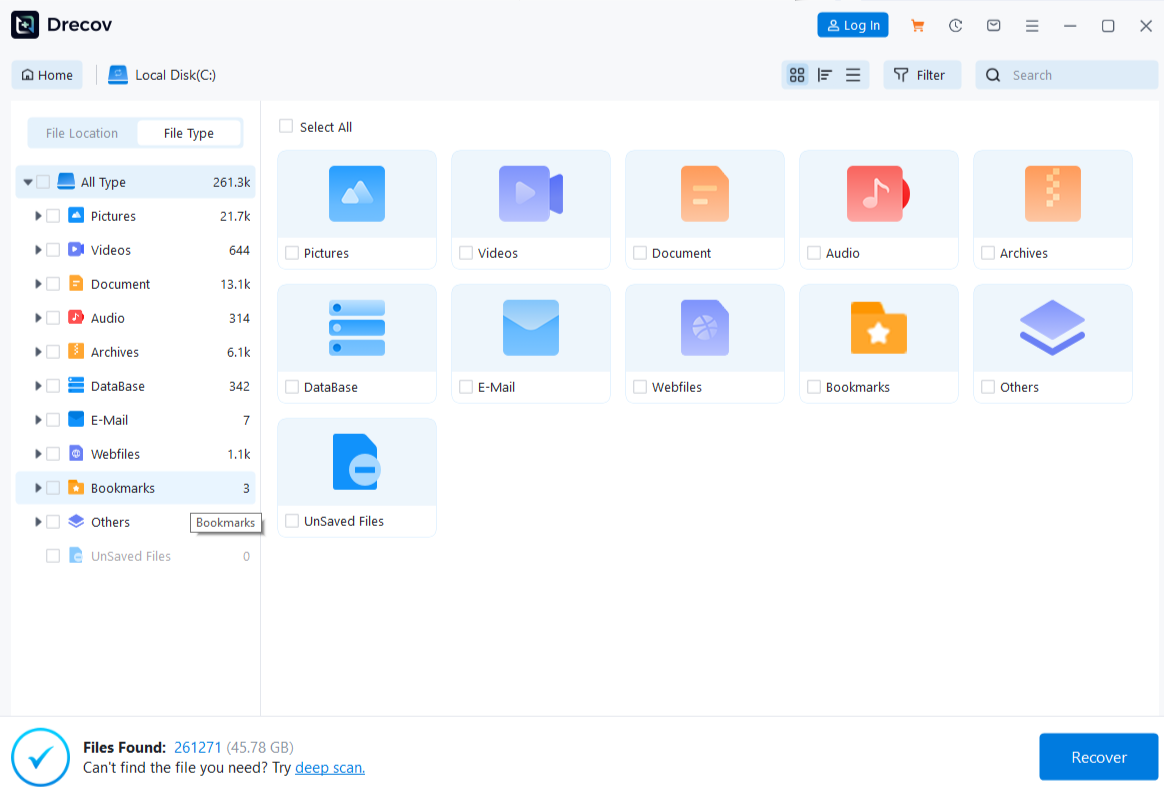
- Step 3: Browse through the generated folder hierarchy on the left panel or search for specific extensions using the filter bar. Click individual items to view a real-time preview in the right-hand panel, which confirms file health before recovery. Check the checkboxes next to the folders or specific files you want to retrieve.
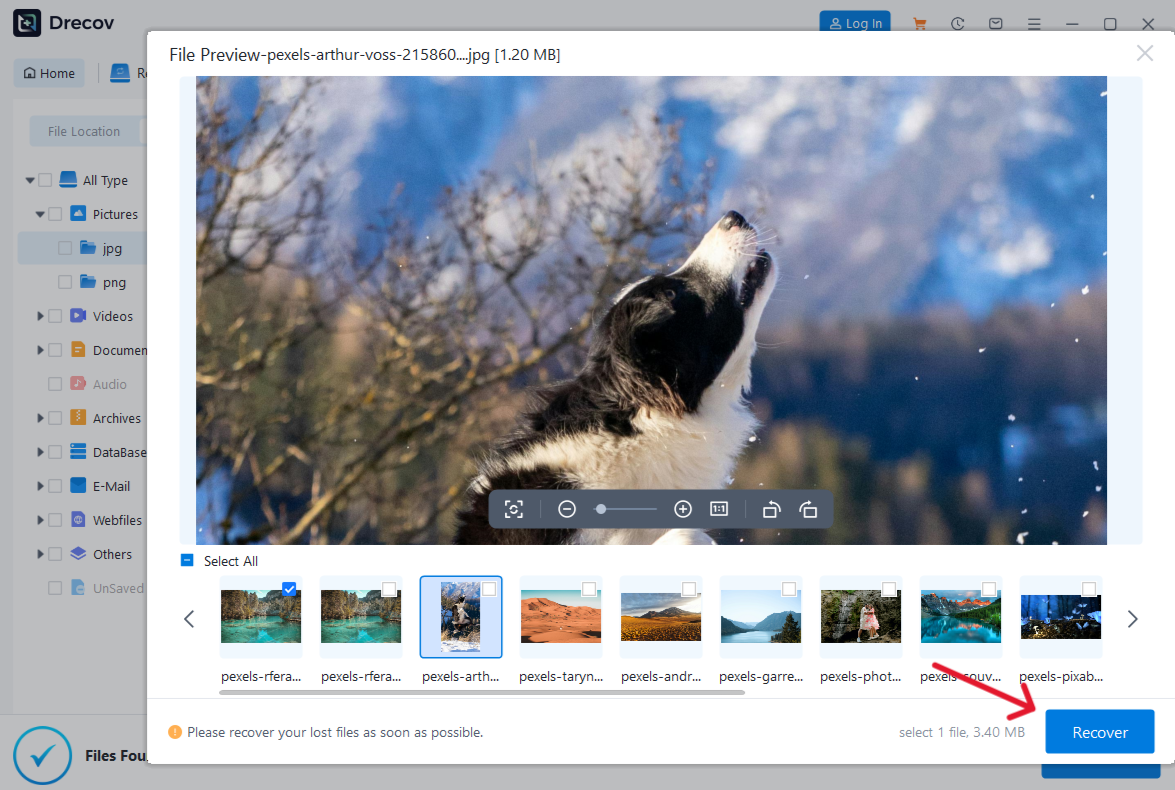
- Step 4: Click the bright Recover button located in the bottom right corner of the user interface. A file explorer window will open, prompting you to choose a destination. Select a folder on your internal computer hard drive or a secure cloud storage account. Do not save these files back to the original USB drive until you are entirely finished with the data rescue process.
For an alternative look at this exact process, view our comprehensive tutorial on recovering deleted files from a USB flash drive to maximize your success rate.
Alternative or Complementary Methods
While specialized software provides the highest success rates, you can explore other native system utilities to solve usb drive recovery issues.
Built-in Windows Command Prompt
Advanced users can utilize the Windows Command Line to fix file system attributes. You can type cmd in the Windows search bar, right-click the application, and select Run as Administrator. Type the command chkdsk E: /f where E represents your specific USB drive letter.
Comparing Software vs. Manual Command Line
| Feature | PandaOffice Drecov Software | Manual Command Line |
| Skill Level Required | Beginner friendly | Intermediate to advanced |
| Risk of Data Loss | Zero risk read-only scanning | Moderate risk if wrong drive letter is typed |
| File Preview Capability | Yes, before saving | No preview available |
| Success Rate | High for formatted drives | Low for formatted drives |
Tips & Best Practices for USB Drive Recovery
Maximizing your usb memory stick recovery software results requires adherence to specific technical guidelines immediately after data loss occurs.
- Stop Using the Drive Immediately: Avoid writing new files, saving documents, or running applications from the affected flash drive.
- Avoid Direct Repairs: Do not run disk defragmentation utilities or CHKDSK commands if you suspect severe logical corruption, as these tools might overwrite your temporary file fragments.
- Verify Host Integrity: Sometimes a USB port fails rather than the drive itself. Always test the flash drive on an alternative computer port before starting a comprehensive sector scan.
According to authoritative storage guides published on Microsoft Learn, maintaining proper file system formats like exFAT for cross-platform flash drives significantly reduces the long-term risk of structural file allocation table corruption.
Frequently Asked Questions
Can I perform a successful usb memory recovery after formatting a drive?
Yes. Formatting removes the address pointers but leaves the actual data intact until new files claim that storage space. Using PandaOffice Drecov data recovery software allows you to scan those unallocated sectors and reconstruct your lost directories.
Why does my computer say the USB drive needs to be formatted before use?
This error typically means the file system has turned into a RAW format due to an improper disconnection. You must avoid formatting the drive when prompted. Instead, run a usb drive recovery scan first to extract your files safely.
Is it safe to install usb memory stick recovery software directly onto the flash drive?
No. You must never download or install any applications onto the same drive that holds your lost files. Doing so can permanently overwrite the very data you want to retrieve.
Does PandaOffice Drecov data recovery software support older USB 2.0 connections?
Furthermore, the software fully supports USB 1.1, USB 2.0, USB 3.0, and newer Type-C external storage media regardless of the hardware age.
Conclusion
Successfully executing a usb memory recovery operation relies entirely on timing and using the right tools. Consequently, taking immediate action and halting all drive usage remains the most vital step in protecting your lost information.
While manual command-line fixes exist, utilizing dedicated solutions like PandaOffice Drecov data recovery software offers a safer, more intuitive path to file restoration. Download Drecov today to safeguard your digital assets and establish a proactive backup routine for all your portable media.






