







This short checklist covers the fastest ChatGPT download quick checks before retrying a file download: refresh the chat, check Library, test another browser, and change the save folder. For the complete diagnosis and local recovery path, go to Can’t Download Files From ChatGPT? Fix the Save Error.
Artificial intelligence tools have become an essential part of modern productivity, and ChatGPT is one of the most widely used AI platforms for creating documents, images, spreadsheets, presentations, code files, and other downloadable content. However, many users encounter a frustrating issue: they cannot download files from ChatGPT. Whether you are trying to download a PDF, Word document, ZIP file, spreadsheet, image, or generated code, file download failures can interrupt workflows and waste valuable time. Fortunately, most download issues are temporary and can be solved with simple troubleshooting steps.
In this complete guide, you will learn why ChatGPT file downloads fail, the most common causes, practical fixes, browser-related issues, mobile troubleshooting tips, security restrictions, and best practices for preventing download problems in 2026.
Why Can’t I Download Files From ChatGPT?
When users ask, “Why can’t I download files from ChatGPT?” the issue usually relates to one of the following:
- Browser problems
- Internet connectivity issues
- Expired file sessions
- Server overload
- Security restrictions
- VPN interference
- Corrupted cache files
- Download permission settings
- Mobile app limitations
Understanding the exact cause is the first step toward solving the problem. Therefore, we must dissect these elements systematically to restore your seamless AI workflow.
Common Reasons ChatGPT File Downloads Fail
1. Browser Compatibility Problems
Modern AI platforms rely heavily on updated browser technologies. Consequently, any underlying browser instability will immediately halt file generation streams.
Common Browser Issues
- Outdated browser versions
- Unsupported browsers
- Corrupted cache
- Disabled JavaScript
- Browser extension conflicts
Best Browsers for ChatGPT
- Google Chrome
- Mozilla Firefox
- Microsoft Edge
- Safari
Using an updated browser improves download reliability significantly.
2. Internet Connection Problems
A weak or unstable internet connection can interrupt downloads mid-stream, leaving you with broken data packages.
Signs of Connectivity Issues
- Slow downloads
- Failed downloads
- Interrupted file transfers
- Endless loading icons
Solutions
- Restart the router
- Switch to a stable Wi-Fi network
- Use wired internet when possible
- Disable unstable VPN connections
Reliable internet is absolutely essential for large file downloads.
3. ChatGPT Server Overload
Sometimes the problem is not on the user’s side at all.
Why Server Issues Happen
Millions of users access ChatGPT simultaneously. During peak usage periods, backend servers may become overloaded, disabling temporary data endpoints.
Symptoms
- File download buttons not working
- Slow response times
- Timeout errors
- Temporary service interruptions
Solution
Wait a few minutes and try again later once server traffic normalizes.
4. Expired Download Links
Generated files may only remain available temporarily on OpenAI’s content delivery networks.
What Happens
If a session expires or the conversation reloads, the temporary file link may become completely invalid.
How to Fix It
- Regenerate the file using a new prompt
- Ask ChatGPT to recreate the document
- Download files immediately after generation
Avoid waiting too long before downloading important files.
5. Browser Extensions Blocking Downloads
Some browser extensions interfere with AI-generated downloads by misinterpreting raw data scripts.
Problematic Extensions
- Ad blockers
- Privacy protection tools
- Script blockers
- Security plugins
Fix
Disable extensions temporarily and retry the download sequence.
How to Fix ChatGPT Download Problems
If downloads are failing consistently, you must take an organized troubleshooting path. Below are the standard operational steps to resolve the issue directly within your web client.
Refresh the Page
Refreshing the page often fixes temporary script glitches.
Methods
- Press F5 or Ctrl + R (Cmd + R on Mac)
- Click the reload icon next to the address bar
- Reopen the chat from your sidebar history
This simple step resolves many temporary session issues.
Clear Browser Cache and Cookies
Corrupted cache files can block download scripts from executing properly.
Why This Helps
Cached data may conflict with newer website updates deployed by OpenAI.
How to Clear Cache in Chrome
- Step 1: Open Chrome Settings by clicking the three dots in the top right corner or navigating to
chrome://settings/. - Step 2: Go to Privacy and Security on the left menu pane.
- Step 3: Select Clear Browsing Data.
- Step 4: Choose Cached images and files and Cookies and other site data, then click Clear data.
- Step 5: Restart the browser completely.
This improves browser performance and restores underlying site script compatibility.
Use Incognito Mode
Private browsing disables most extensions and cached configurations automatically.
Benefits
- Removes extension conflicts instantly
- Bypasses corrupted cache
- Creates a clean session profile
If downloads work in incognito mode, your standard browser settings are likely causing the core issue.
Disable VPN Services
VPNs can occasionally block or interrupt automated file streams.
Common VPN Problems
- IP restrictions from cloud security layers
- Slower download speeds causing timeouts
- Security verification failures
Solution
Temporarily disable the VPN client and retry the file download process.
Check Download Permissions
Browsers sometimes block automatic downloads from new script sources.
Chrome Download Permissions
- Step 1: Open Settings and click on Privacy and Security.
- Step 2: Select Site Settings and look under the Permissions tab.
- Step 3: Find Automatic Downloads.
- Step 4: Toggle the switch to allow sites to ask, or explicitly add
https://chatgpt.comto the allowed list.
Permission restrictions can silently block files without displaying visible error warnings.
Try Another Browser
Different browsers handle asynchronous data transfers differently. If one browser fails, try another.
Example
- If Chrome fails, try Firefox
- If Safari fails, try Edge
This practice isolates whether you face a localized software conflict or an account-wide restriction.
Restart Your Device
Temporary operating system memory glitches may interfere with local network downloads.
Benefits of Restarting
- Clears deep system memory conflicts
- Resets core browser processes
- Improves local system performance
A simple restart often solves stubborn, unidentified script issues.
Can’t Download Files From ChatGPT? Use Professional Data Recovery When Local Errors Cause File Loss
When you can’t download files from ChatGPT properly, or if sudden browser crashes and storage overwrites cause you to lose files you previously managed to save, you need a reliable desktop solution to scan your local storage. If a download was partially completed but vanished due to a hard drive glitch, standard browser troubleshooting won’t help.
In such critical data loss scenarios, utilizing PandaOffice Drecov data recovery software is the most effective approach to retrieve lost digital assets. This advanced software scans deep within your drive sectors to locate deleted cache files, missing downloads, and lost local data.
⚠ Warning: Install it on a drive different from the one where your data was lost to prevent overwriting.
How to Recover Lost Files with PandaOffice Drecov Data Recovery Software
To safely retrieve your lost documents, downloads, or accidentally cleared cache data, follow these precise operational steps:
- Step 1: Launch the application. On the main interface, select the exact drive location or folder where your downloads are typically stored (such as the default
C:\Users\Username\Downloadspath).

- Step 2: Click the Scan button. The software will automatically execute a Quick Scan followed by a Deep Scan to look through fragmented sectors.
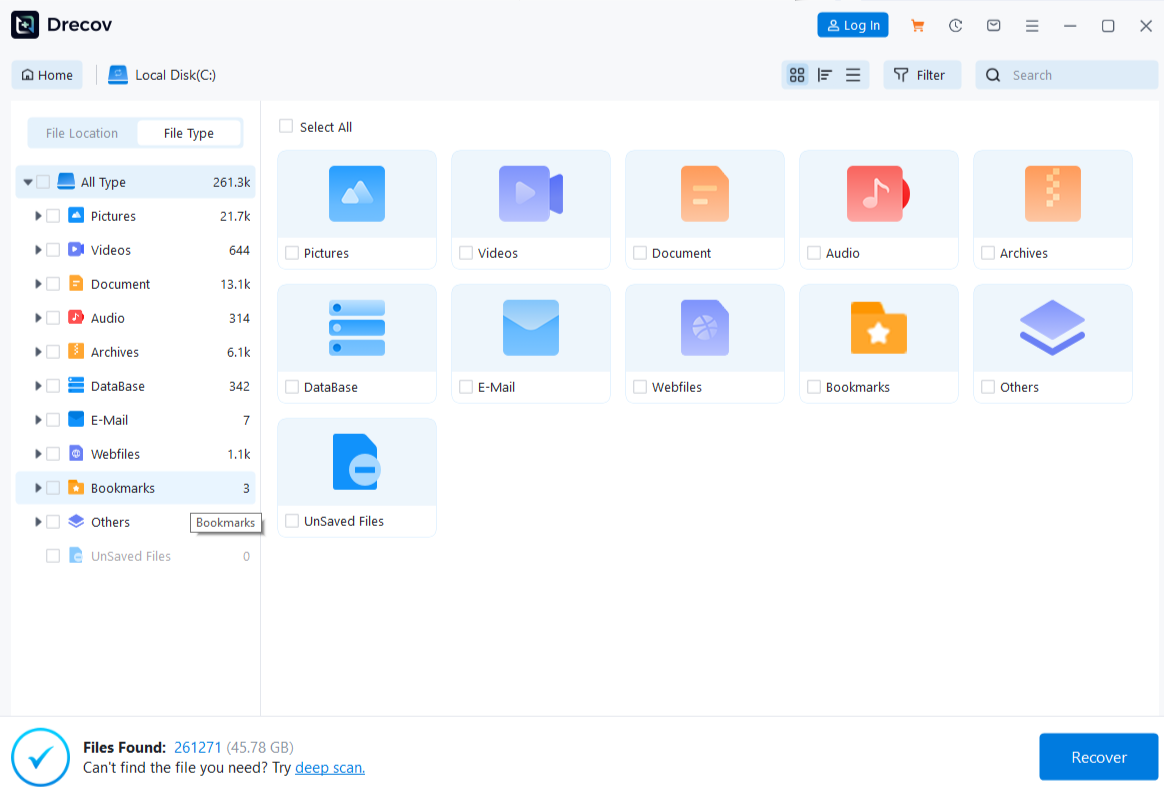
- Step 3: Browse through the scanning results using the file category filters (Documents, Images, Archives). You can use the built-in preview function to verify the integrity of your PDF, DOCX, or ZIP files.
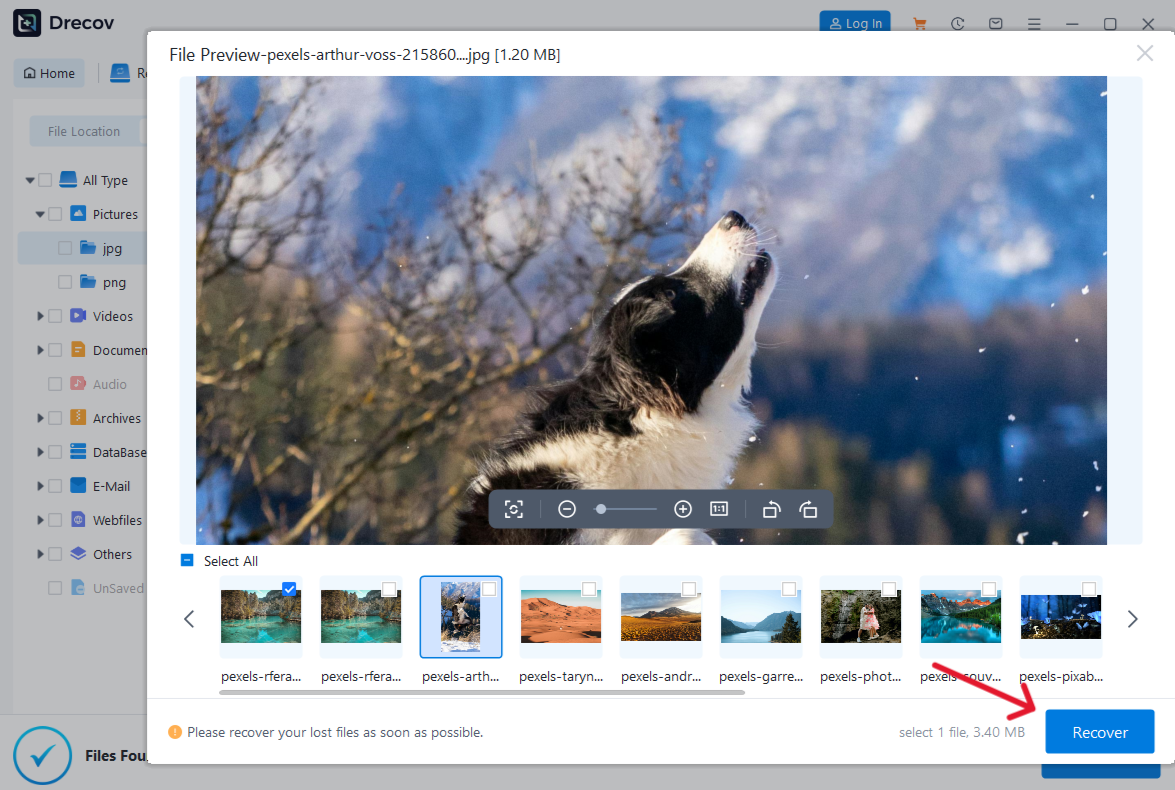
- Step 4: Select the checkbox next to the files you wish to salvage, click Recover, and choose a secure storage location on an external drive or alternative partition to finalize the recovery process.
Warning Prompt: Never save recovered files back to the exact same partition or drive where they were lost. Doing so can permanently overwrite the underlying raw data clusters, making future recovery impossible.
Beyond standard download recovery, you may encounter other common system loss events. If you need to restore your system storage after accidental cleanups, you can easily learn how to restore Recycle Bin after empty to retrieve your discarded local files. Furthermore, if browser crashes wiped your navigation history, you can find out how to get your Google Chrome bookmarks back using specialized recovery methods. For those dealing with missing media assets, check out how to get recently deleted photos back a 5-minute fix to instantly salvage your creative work.
⚠ Warning: Install it on a drive different from the one where your data was lost to prevent overwriting.
File Format Compatibility Issues
Some devices may not possess the native software required to parse specific advanced file formats.
Common File Types
- PDF (Portable Document Format)
- DOCX (Microsoft Word)
- XLSX (Microsoft Excel)
- ZIP (Compressed Archive)
- CSV (Comma-Separated Values)
- PPTX (Microsoft PowerPoint)
Solution
Install compatible office applications or specialized viewers to read downloaded files. Sometimes, the file actually downloaded successfully, but the system shows an error icon because no application is associated with that file extension.
Browser Settings That Affect Downloads
Certain hidden settings within your browser configuration may block downloads unintentionally.
Important Settings
- Automatic download permissions: Ensure websites are allowed to prompt you for multiple file saves.
- Pop-up blockers: Check that pop-ups aren’t silently hiding download dialogue boxes.
- Security restrictions: High-security levels can prevent files from untrusted or freshly generated scripts from writing to disk.
- Safe browsing filters: Advanced protection models might block downloads if the file signature isn’t universally recognized.
Reviewing these settings inside your client application can solve hidden download issues.
Best Practices for Managing AI-Generated Files
Organize Downloads Clearly
Create dedicated directories for different file types to ensure AI assets do not get mixed up with system files.
Rename Files Properly
AI platforms often output generic names like download.zip or document.pdf. Clear, descriptive file names improve your long-term local file organization.
Backup Important Documents
Store redundant copies of critical documents in cloud storage services or external hardware drives to protect your workflow.
Scan Files if Necessary
Running a quick manual virus scan on files shared across external corporate networks improves safety for everyone involved.
Frequently Asked Questions
Why Is the Download Button Not Working?
This issue usually results from browser extension conflicts, server overload, or expired file sessions. Refreshing the browser or opening the page in incognito mode often resolves it.
Can Browser Extensions Block Downloads?
Yes. Ad blockers, script blockers, and aggressive privacy tools commonly interfere with AI file download scripts.
Why Do Downloads Work in Incognito Mode?
Incognito mode disables most third-party extensions and clears cached data configurations, removing potential conflicts that block downloads in normal browsing mode.
Are Download Failures Permanent?
Usually not. Most file download failures are temporary and easily fixable by adjusting browser configurations or regenerating the content.
Advanced Troubleshooting Tips
Reset Browser Settings
Restoring your web browser to its default setup may solve persistent script conflicts that simple cache cleaning cannot fix. This will disable extensions but won’t delete your saved passwords.
Reinstall the Browser
Corrupted browser installations sometimes affect underlying download managers. Performing a clean reinstallation helps fix deep system registry file errors.
Update Operating Systems
Modern operating systems improve file-handling compatibility and patch underlying network driver issues, ensuring steady data streams.
Test on Another Device
Trying the file download on a completely separate computer or smartphone helps isolate whether the issue is tied to your network, your OpenAI account, or your specific hardware.
Conclusion
If you are wondering, “Why can’t I download files from ChatGPT?” the issue is usually caused by browser conflicts, unstable internet connections, server overload, expired download links, security restrictions, or local device limitations.
Fortunately, most problems can be fixed quickly using simple troubleshooting methods such as refreshing the browser, clearing cache files, disabling extensions, updating software, or trying another browser. Download issues are rarely permanent and often resolve within minutes. Furthermore, if local data complications or browser crashes cause you to lose files entirely, using a reliable desktop solution like PandaOffice Drecov data recovery software ensures your digital assets remain safe and restorable.
⚠ Warning: Install it on a drive different from the one where your data was lost to prevent overwriting.






