







Artificial intelligence is transforming the way people create digital content, and one of the biggest innovations in recent years is the rise of chatgpt images. From generating realistic artwork to creating social media graphics, logos, illustrations, and marketing visuals, AI-powered image generation tools are revolutionizing creativity across industries.
In this complete guide, you will learn everything about chatgpt images, including how they work, their benefits, popular use cases, best practices, and how AI image generation is shaping the future of digital creativity. Furthermore, as an essential counterpart to digital creation, we will explore advanced data protection strategies to ensure your newly generated AI assets remain completely safe from accidental deletion or disk corruption.
What Are ChatGPT Images?
The term chatgpt images refers to AI-generated or AI-assisted visuals created using artificial intelligence tools connected to conversational AI technology. These systems allow users to generate images simply by describing what they want in plain language.
For example, a user can type:
- “Create a futuristic city at sunset”
- “Generate a realistic portrait of a golden retriever”
- “Design a modern business logo”
The AI then creates unique visuals based on the written description. This combination of natural language understanding and image generation makes AI creativity accessible to everyone, even people without graphic design experience.
How ChatGPT Image Generation Works
AI image generation uses advanced machine learning models trained on millions of images and text descriptions. By breaking down visual concepts into mathematical vectors, the AI learns to map specific words to visual textures, lighting patterns, shapes, and art styles.
Step 1: User Enters a Prompt
The user describes the image in detail using text within the chat interface.
Step 2: AI Interprets the Prompt
The system analyzes the descriptive elements, mapping out target objects, color palettes, styles, lighting demands, and background composition.
Step 3: Image Generation Model Creates Visuals
AI models generate brand-new images pixel by pixel based on the prompt, utilizing a process called diffusion to clear noise into sharp shapes.
Step 4: Final Image Is Produced
The generated image appears within seconds, ready for download, review, or further textual modifications.
Modern AI systems can create:
- Realistic photography
- Digital paintings
- Anime art
- 3D illustrations
- Product designs
- Marketing graphics
Why ChatGPT Images Are So Popular
AI image tools have gained massive popularity because they dramatically simplify creative work. Users no longer need to spend years mastering complex vector design software or expensive photo editing applications.
Key Reasons for Their Popularity
- Fast Content Creation: Images can be generated in seconds instead of spending hours sketching drafts.
- Cost Savings: Online businesses significantly reduce expenses on stock photography subscriptions and freelance graphic design fees.
- Easy for Beginners: The software relies purely on conversational instructions, meaning no advanced artistic skills are required.
- Unlimited Creativity: Users can easily combine impossible concepts, such as a “neon astronaut riding a horse on Mars,” creating visual ideas instantly.
- Customization: Images can be precisely tailored to specific enterprise styles, brand colors, and aesthetic themes.
Common Mistakes to Avoid
- Using Vague Prompts: Giving short, unclear instructions to the image engine produces weak, generic, or structurally flawed visual results.
- Overediting Images: Layering too many external filters, drastic color saturation corrections, or conflicting textures can make your visuals look jarringly unnatural.
- Ignoring Platform Copyright Rules: Failing to read the specific commercial use policies of your software tool can lead to unexpected license violations.
- Relying Solely on Automated Tools: Completely removing human creativity and oversight can result in unoriginal branding that fails to connect emotionally with real human customers.
The Vital Importance of Asset Protection in the AI Era
As you spend hours or even days crafting the perfect image library, organizing files, and building up a substantial visual content cache, a new technical challenge emerges: data security. AI image files, high-resolution exports, prompt history lists, and final graphic designs are all vulnerable to sudden data loss events.
Imagine losing thousands of painstakingly customized marketing visuals because of a sudden operating system crash, an accidental folder deletion, or a virus attack. Because digital content generation demands a significant investment of time and storage capacity, mastering file recovery techniques is just as critical as mastering prompt engineering.
If your hard drive fails or you accidentally press the wrong hotkeys, your creative assets do not have to be gone forever. By implementing proper logical data recovery steps, you can safely rescue your local image folders, unsaved projects, and downloaded visual galleries.
When dealing with digital assets like downloaded chatgpt images, prompt spreadsheets, or project folders, files can vanish in an instant due to user error or hardware failures. Depending on how your operating system handles file deletion, recovering your lost content can range from a simple built-in menu click to utilizing advanced, sector-level algorithmic extraction tools.
To help you secure your local creative workspace, the following section organizes data recovery solutions by technical level and operational complexity. Whether you need a quick native fix or a robust deep-scanning solution to tackle complex drive corruption, these clear, step-by-step methods will help you reclaim your missing data.
Level 1: Native System Rollbacks
Before turning to external software programs, Windows offers built-in fail-safes designed to catch files that were deleted accidentally. These options are ideal if you catch a deletion mistake immediately after it happens.
Method A: The Traditional Undo Command
If you accidentally delete an image file or folder while sorting through your downloads inside Windows File Explorer, you can immediately reverse the action using a basic keyboard shortcut.
- Step 1: Keep the active window open on your screen immediately after the file disappears from the folder directory.
- Step 2: Press the hotkey combination Ctrl + Z on your keyboard to instantly execute the native “Undo Delete” command.
- Step 3: Verify that the missing asset reappears instantly in its original folder location.
Warning Prompt: This method operates on a temporary memory stack. If you close the file explorer window, restart your computer, or perform other file tasks like copying and moving separate documents, the undo memory cache clears automatically, rendering this shortcut ineffective.
Method B: Checking the System Recycle Bin
When files are removed via standard deletion methods, Windows redirects them to a temporary system storage area rather than wiping them from the drive entirely.
- Step 1: Double-click the Recycle Bin icon located on your main desktop screen to open the system dump folder.
- Step 2: Locate the target chatgpt images or graphic design folders by typing keywords into the upper-right search bar or sorting the view by “Date Deleted.”
- Step 3: Right-click directly on the specific file you need to salvage, then select Restore from the contextual drop-down menu. This safely returns the image file back to its exact original pathway.
Level 2: Advanced Native Command Utilities
If you have executed a permanent deletion—such as using the permanent erase hotkey Shift + Delete—the files bypass the Recycle Bin completely. In these instances, you can utilize deeper Windows recovery utilities or file history backups to roll back local storage drive states.
Method A: Restoring Previous Folder Versions
Windows automatically creates shadow copies of files and folders as part of its ongoing system protection points, provided the feature is active on your primary local drives.
- Step 1: Navigate to the parent folder that previously contained your missing AI images, right-click on the empty space or the folder icon itself, and select Properties.
- Step 2: Switch to the Previous Versions tab situated at the top of the properties dialog box to view an organized list of older saved timestamps.
- Step 3: Choose a recovery point timestamp that predates your accidental deletion incident, click Restore, and confirm the action to revert the directory state back to normal.
[Local Drive C:] -> [Users] -> [YourUsername] -> [Downloads] -> Right Click -> Properties -> Previous Versions
Method B: Using the Windows File History Backup Engine
If you previously configured a secondary internal storage drive or attached an external backup device to your workstation, the native File History app can extract historical file iterations.
- Step 1: Click on the Windows Start menu, type
Control Panelinto the system search bar, and press Enter. - Step 2: Navigate through the interface path: System and Security > File History, then click the link labeled Restore personal files located in the left sidebar menu.
- Step 3: Use the navigation arrows at the bottom of the interface to browse through your historical folder backups, locate the missing visuals, and click the green circular Restore arrow to save them back to your computer.
Level 3: Professional Software Recovery via PandaOffice Drecov
When files are permanently erased, partitions are formatted, or an external hard drive becomes RAW and unreadable, native operating system tools are no longer sufficient. This is because the file allocation table references are deleted, causing the operating system to view the storage sectors as empty space. To safely scan the deeper storage layers of your hard drive, solid-state drive, or camera memory card, you must use specialized data recovery applications. For comprehensive protection of your creative workspace, utilizing PandaOffice Drecov data recovery software provides an exceptionally reliable solution.
The PandaOffice Drecov data recovery software engine features a 99.8% recovery success rate, capable of restoring over 1,000 distinct file formats (including all major image types like JPG, PNG, WEBP, PSD, and SVG) across more than 2,000 unique physical storage devices. It functions in a completely secure, read-only mode, scanning data blocks without altering the remaining contents of your storage sectors.
⚠ Warning: Install it on a drive different from the one where your data was lost to prevent overwriting.
Comprehensive Deep Recovery Steps
To extract your missing files with professional precision, execute the following instructions exactly as described:
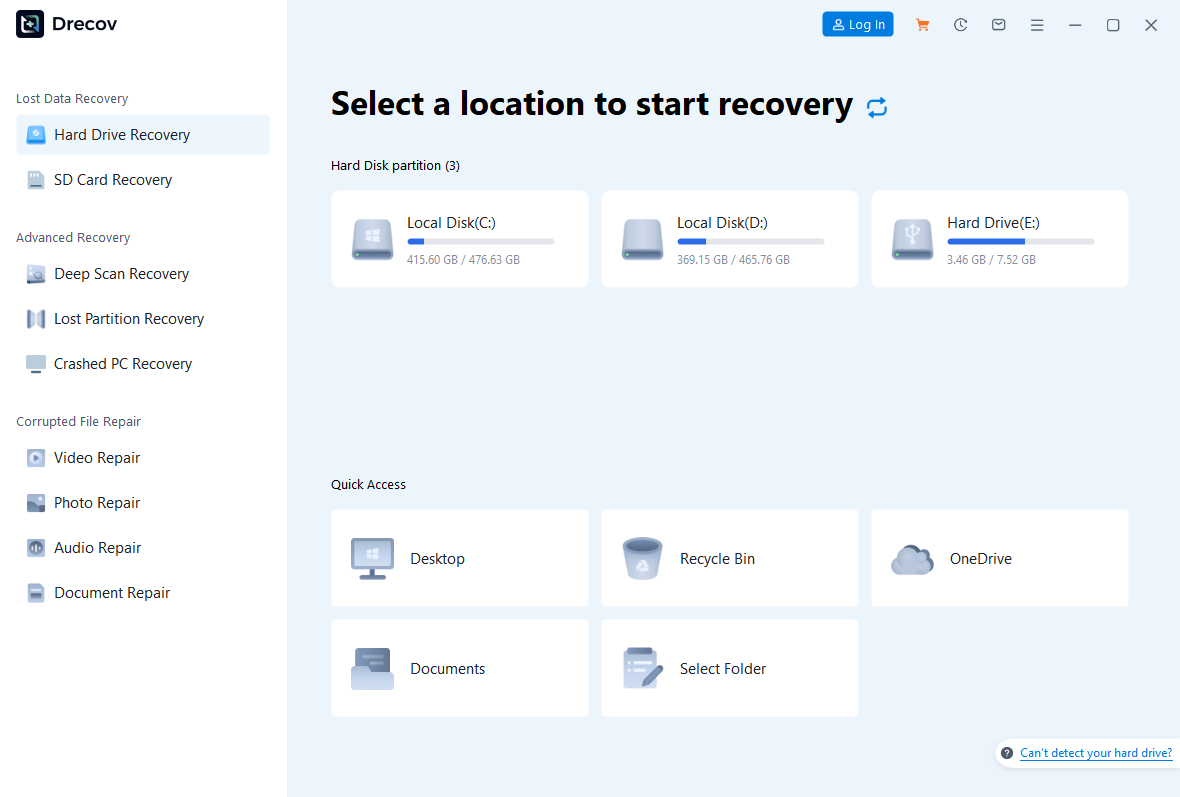
Step 1: Connect External Media and Select the Scan Target Location
On the main application dashboard screen, you will see an organized display of all recognized internal hard disks, external storage locations, and common system folders. Move your mouse cursor over the specific local partition or folder directory where your chatgpt images were stored before deletion, and click the Scan button.
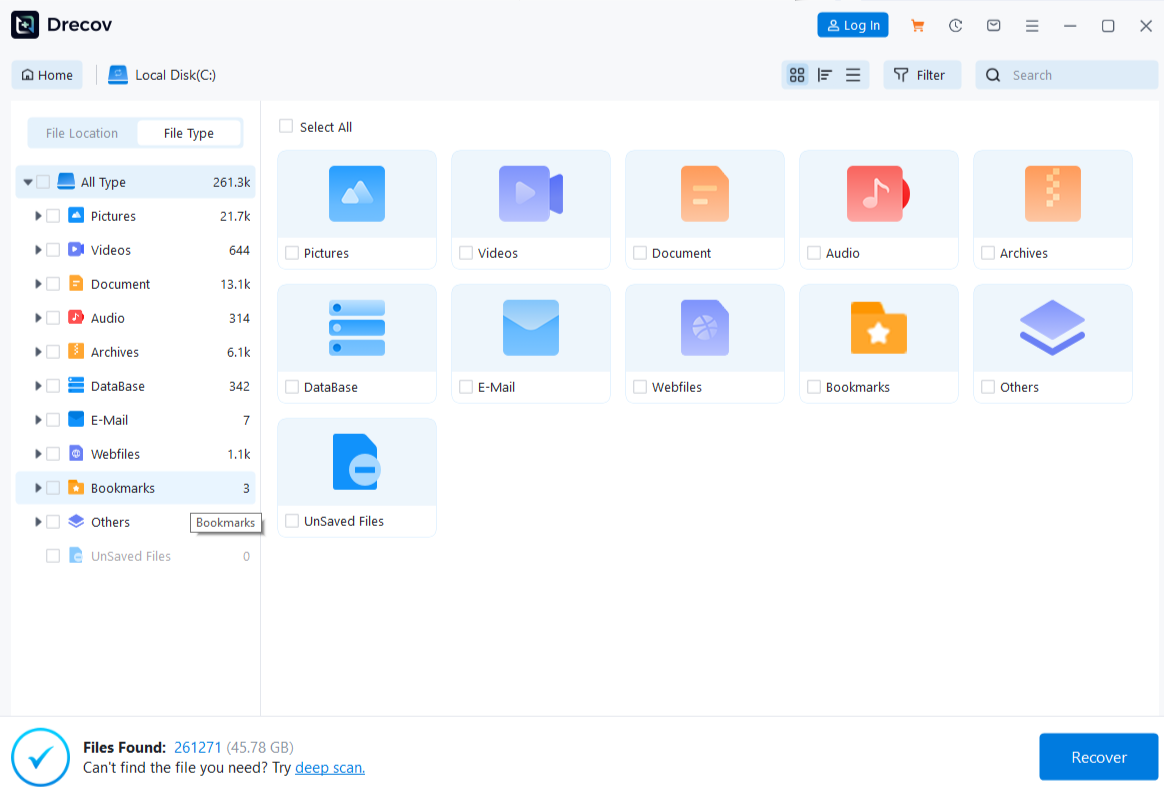
Step 2: Run the Deep Scan Engine and Apply Custom File Filters
The software will immediately begin running its advanced deep-level data mining and sector reconstruction algorithms. Click on the File Type filter menu, select Images, and specify the precise format extension (such as .png or .jpg).
Step 3: Utilize Unlimited Previews to Verify Image Integrity
Double-click directly on any discovered image thumbnail or file name to pop open a standalone preview window. This allows you to inspect the visual clarity, resolution, and pixel completeness of the file before proceeding.
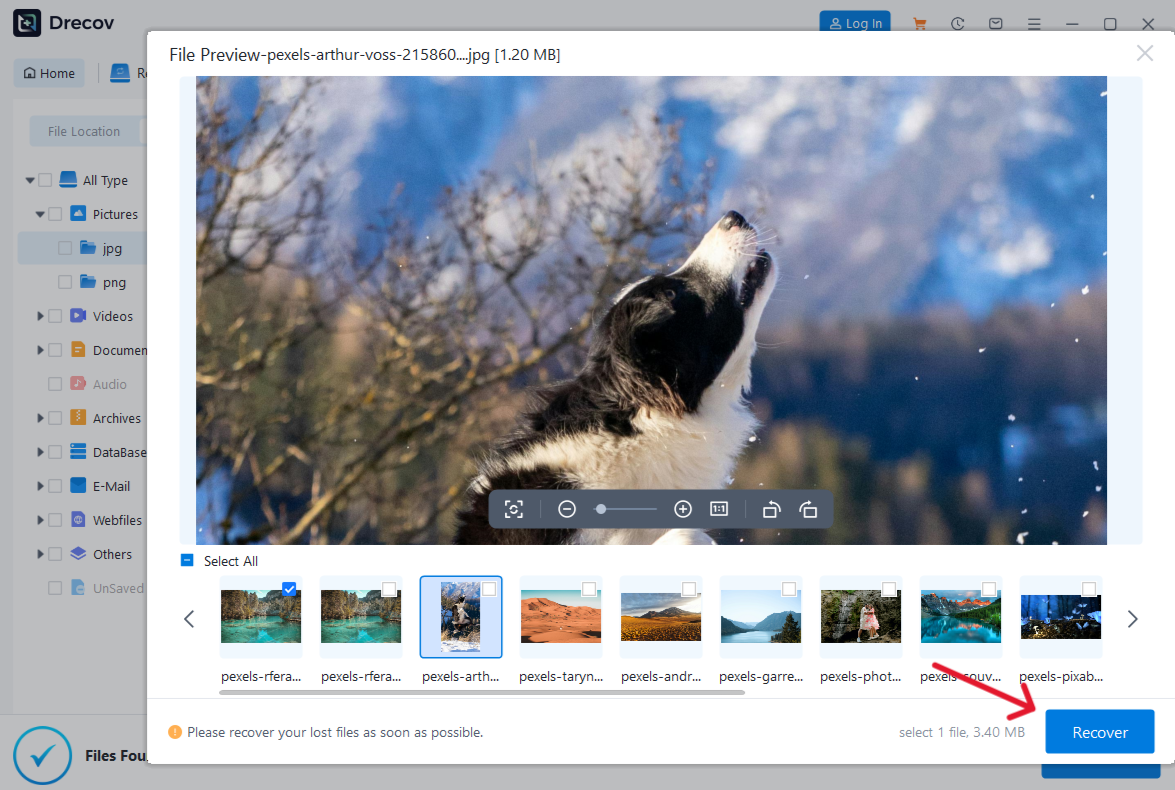
Step 4: Execute Secure File Restoration to an Isolated Location
Check the small selection boxes located next to the specific file names or select entire folders containing your desired creative visuals. After finalizing your selection, click the large blue Recover action button located in the lower-right corner of the interface dashboard window.
Critical Warning Prompt: When the system prompts you to select a destination folder path to save your restored files, you must choose a storage path completely different from the original file location.
Essential Knowledge Base and Complementary Data Solutions
Now that you understand the exact operational techniques required to extract and safeguard your visual content assets across local storage media, you can expand your technical proficiency by reviewing our companion optimization resources:
- For a detailed comparison of top-tier desktop recycling solutions, explore our comprehensive breakdown on Recycle Bin Data Recovery Free Top 5 Best Software in 2026.
- If you are managing digital content across varied mobile operating ecosystems, learn the exact procedures required to locate vanished tools via our explicit guide on How to Find Recently Deleted Apps on iPhone and Android.
- Should your system experience unexpected visual generation software crashes while designing promotional layouts, discover professional application repair strategies in our complete guide covering How to Fix Microsoft Word Not Responding Complete Guide.
Frequently Asked Questions About ChatGPT Images
Can ChatGPT create images directly?
Yes. Modern conversational AI ecosystems incorporate native connections to advanced diffusion models, allowing users to effortlessly generate, refine, and extensively edit highly complex images using simple, conversational English text prompts.
Are AI-generated images genuinely realistic?
Yes. Current AI models utilize deep mathematical algorithms trained on millions of real-world photographs. They can generate highly realistic lighting models, correct physical reflections, surface textures, and photographic perspectives that mirror premium commercial studio output.
Do I need a formal graphic design background to use these tools?
Not at all. The underlying technology relies entirely on natural language understanding. Anyone capable of clearly describing a physical scene, an emotion, or an artistic concept can generate beautiful visuals without prior technical illustration experience.
Can corporate entities use AI-generated artwork for commercial sales?
In many standard cases, yes. However, business users must thoroughly check the specific licensing agreements, local copyright rulings, and terms of service of the chosen platform to ensure zero infringement on pre-existing trademarks.
Is AI image generation going to completely replace human graphic designers?
No. While AI tools drastically accelerate raw asset generation speeds, human creative direction, brand alignment strategy, complex compositional judgment, and original emotional depth remain highly valuable elements that automated software cannot replace.
Conclusion
The continuous development of chatgpt images is structurally transforming the landscape of digital content creation, opening doors for creators of all skill levels to design breathtaking visuals on demand. From boosting everyday corporate marketing workflows to providing instant creative inspiration for modern design veterans, AI-assisted image generation is firmly establishing itself as a permanent fixture of the digital economy.
However, as your collection of digital creations grows, establishing a robust local data protection framework is equally essential. By pairing the speed of AI generation tools with the deep-level security of professional tools like the PandaOffice Drecov data recovery software suite, you can protect your creative portfolio from unexpected loss.






