







Ever deleted an app and instantly regretted it? Maybe it was a game you loved, a productivity tool you relied on, or even something important you didn’t realize you needed until it was gone. The frustrating part isn’t just losing the app—it’s trying to remember what it was called or how to get it back.
Here’s the good news: learning how to find recently deleted apps is easier than you think, whether you’re using an iPhone or Android device. The system quietly keeps track of your app history—you just need to know where to look. In this guide, we will explore the digital breadcrumbs left behind by your OS and even look at advanced data recovery methods for associated files.
Let’s break it all down step by step so you can recover your lost apps quickly and stress-free.
What Happens When You Delete an App
Deleting an app might feel like a simple action—tap, confirm, done. But under the hood, your device is doing a lot more than you might realize. Understanding this process actually makes it much easier to find recently deleted apps later.
App Data vs App Removal
When you delete an app, your phone removes the application executable files from your device storage. However, depending on your settings, some data might remain stored in the cloud or linked to your account. Think of it like removing a book from your shelf but still having a record of owning it in your library account.
On iPhones, for example, apps tied to your Apple ID remain in your purchase history. On Android, Google Play keeps a record of every app you’ve ever downloaded. This means even if the app is gone from your screen, it’s not completely erased from your digital footprint.
Does Deleting an App Erase Everything?
Not always. Some apps store data remotely—like social media platforms or cloud-based tools. So when you reinstall them, your data may reappear as if nothing happened. On the flip side, apps that store data locally (like offline games or local document editors) might lose everything unless backed up. This distinction matters because when you’re trying to how to find recently deleted apps, you’re often really trying to find the record of it, not the app file itself.
Can You See Recently Deleted Apps?
This is the big question—and the answer is yes, but not in a single obvious place like a “Recently Deleted Apps” folder. You have to navigate through account management settings to uncover the truth.
iPhone App History Availability
On iPhones, there’s no dedicated folder for deleted apps. Instead, Apple tracks your downloads through your App Store purchase history. Even free apps appear there, which is incredibly useful when you forget the app name. This hidden list acts like a timeline of your app activity. It’s not labeled as “recently deleted,” but with a little scrolling, you can easily check recently deleted apps by looking for the cloud icon next to the name.
Android App History Availability
Android devices offer something similar through the Google Play Store. Your account maintains a complete library of installed and previously installed apps. What’s great here is the separation between “Installed” and “Not Installed.” That second category is basically your deleted apps list—it just doesn’t call itself that.
Method 1: Check App Store Purchase History (iPhone)
If you’re using an iPhone, this is your go-to method—and honestly, it’s surprisingly powerful. This is the most effective way how to see recently deleted apps on iOS.
- Step 1: Open the App Store on your iPhone.
- Step 2: Tap your Profile Icon (or your photo) in the top-right corner.
- Step 3: Select Purchased. If you use Family Sharing, you may need to tap “My Purchases.”
- Step 4: Switch to the “Not on this iPhone” tab. This filtered list displays every app ever associated with your Apple ID that is not currently installed on the device.
Viewing Hidden and Deleted Apps
Some users hide apps from their purchase history, either intentionally or accidentally. If you still can’t find a recently deleted app, follow this path:
- Step 1: Go to Settings > [Your Name] > Media & Purchases.
- Step 2: Tap View Account. You may need to authenticate with FaceID or TouchID.
- Step 3: Scroll down and tap Hidden Purchases. From here, you can unhide them so they reappear in your regular list.
Method 2: Check Google Play Store Library (Android)
Android users have it just as easy, if not easier. The Play Store is the primary hub for how to find recently deleted apps on most Android handsets.
- Step 1: Launch the Google Play Store app.
- Step 2: Tap your Profile Icon in the upper right.
- Step 3: Select Manage apps & device.
- Step 4: Tap the Manage tab at the top.
- Step 5: Change the filter from Installed to Not installed.
Managing Installed vs Not Installed Apps
This feature is incredibly useful because it clearly separates apps you currently have from those you’ve removed. You can sort the list by “Recently Added” to see the most recent downloads, which helps you find a recently deleted app even if you only remember that you downloaded it “sometime last week.”
Method 3: Use Screen Time or Digital Wellbeing
Here’s a clever trick most people overlook when they want to how to find recently deleted apps. Both iPhone and Android devices track your app usage through Screen Time (iOS) or Digital Wellbeing (Android). Even if an app is deleted, its past usage might still show up in historical data for the current week.
Tracking Past App Usage
By reviewing your activity logs, you might spot the name of the app you’re trying to remember.
- On iPhone: Go to Settings > Screen Time > See All Activity. Scroll through the list of apps used today or over the last 7 days.
- On Android: Go to Settings > Digital Wellbeing & parental controls > Dashboard.
This method works best if the app was used recently before deletion. It acts like a digital footprint that remains even after the “object” has been removed.
Method 4: Check Email Receipts and Notifications
Every time you download or purchase an app, there’s often a digital trail—usually in your email inbox. This is a manual but foolproof way how to check recently deleted apps.
App Download Confirmations
Search your email (the one linked to your Apple ID or Google Account) for keywords like “Receipt from Apple,” “Google Play Order,” or the name of the developer. Even free apps can trigger confirmation emails if they involve subscriptions or in-app purchases. These emails act like receipts, giving you a clear record of what you installed and when.
Method 5: Recovering App-Related Files with PandaOffice Drecov
Sometimes, finding the app isn’t enough; you need the data that was inside it (like a deleted database, a saved video, or a specific document). If you accidentally deleted a folder on your PC that was synced with an app, or if you deleted an app’s installation files from a USB drive, you need professional data recovery software.
PandaOffice Drecov is a top-tier recovery tool designed to find files that the operating system has “forgotten.” It supports over 1,000 file types.
⚠ Warning: Install it on a drive different from the one where your data was lost to prevent overwriting.
Step-by-Step Guide to Using PandaOffice Drecov
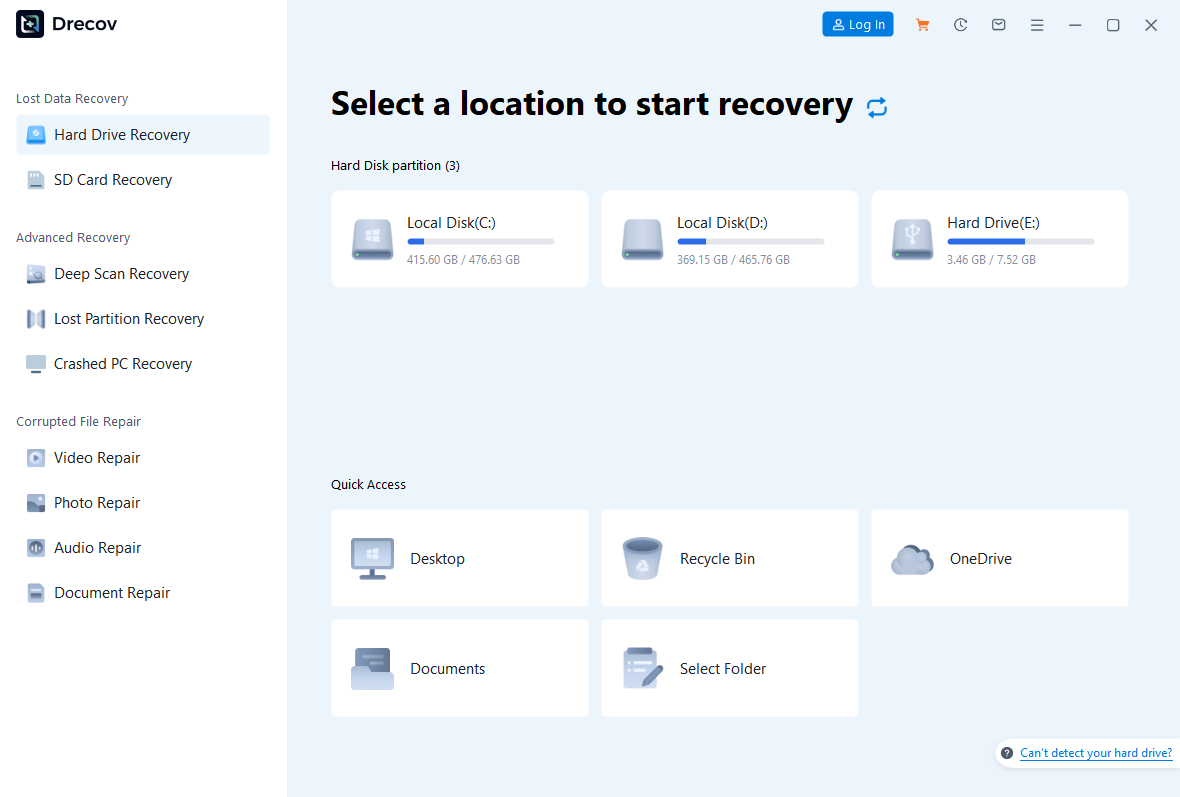
Step 1: Select the Location
Launch PandaOffice Drecov on your computer. Select the disk or external drive (like an Android SD card) where the app data was stored.
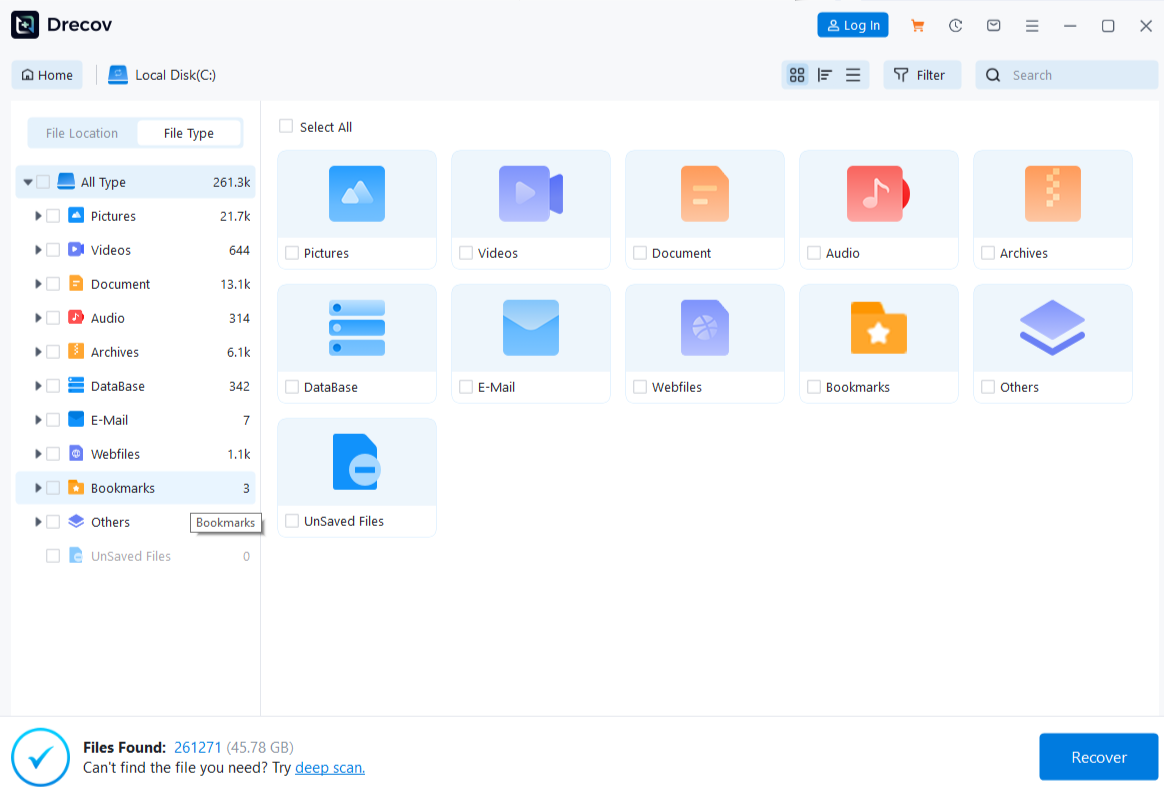
Step 2: Scan for Deleted Data
Click the “Scan” button. The software will perform a Quick Scan followed by a Deep Scan. Deep scanning looks into the raw sectors of the drive to find files that have had their directory entries removed.
Step 3: Preview and Filter
Once the scan finishes, use the filter sidebar to search for specific file extensions related to your app (e.g., .jpg for photos, .mp4 for videos, or .db for databases).
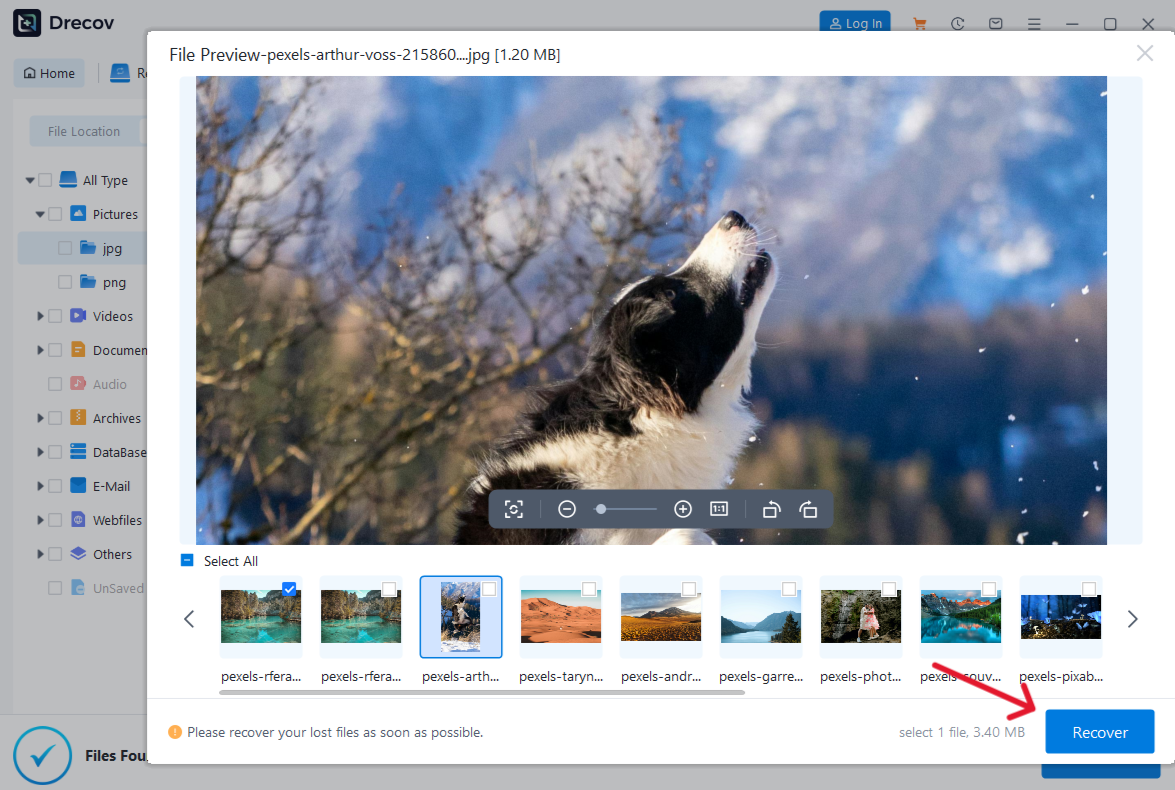
Step 4: Execute Recovery
Select the items you want to bring back and click “Recover.” Save them to a secure location, such as an external hard drive or a cloud folder.
Warning: Do not save the recovered files back onto the same drive they were lost from, as this can overwrite other deleted data.
If you are a PC user looking for other tools, you might also be interested in this Recuva expert guide. Additionally, if your app data was lost due to hardware connection issues, learning how to install USB 3.0 drivers could be beneficial.
Method 6: Restore from Backup
If you’re really stuck and the app history isn’t showing what you need, restoring from a system backup can bring back your deleted apps automatically. This is a “nuclear option” but highly effective.
iCloud Backup
iPhone users can restore their device to a previous state using iCloud. This is a powerful way how to see recently deleted apps because the home screen will literally revert to the way it looked on the day of the backup.
- Step 1: Go to Settings > General > Transfer or Reset iPhone.
- Step 2: Erase All Content and Settings.
- Step 3: During the “Apps & Data” setup screen, choose Restore from iCloud Backup.
Google Backup
Android offers similar functionality. When you set up a device (or a new profile) from a backup, your previously installed apps are automatically reinstalled. If you need to revert your PC files to a state where an app’s configuration still existed, check out this guide on how to restore a computer to an earlier date.
Key Differences Between iPhone and Android App Recovery
Understanding the nuances between platforms helps you how to find recently deleted apps more efficiently.
| Feature | iPhone (iOS) | Android |
| Primary Hub | App Store Purchase History | Google Play “Not Installed” Library |
| Ease of Access | Moderate (Requires several taps) | Easy (Dedicated filter) |
| Data Retention | Cloud-based (iCloud) | Account-based (Google Account) |
| History Duration | Indefinite (linked to Apple ID) | Indefinite (linked to Gmail) |
Common Mistakes People Make
People often assume deleted apps are gone forever, which leads to unnecessary frustration. Others waste time searching their home screen instead of checking app history.
Another common mistake? Not remembering the app name and giving up too quickly. With the methods above, you don’t need perfect memory—you just need the right approach. Don’t forget that if you were using a browser-based app, you might just need to download videos from Firefox or check your browser history instead of the OS app history.
Tips to Avoid Losing Apps Again
- Keep a Favorites List: Use a notes app to list “Must-Have” tools.
- Enable Automatic Backups: Ensure iCloud or Google One is backing up your device daily.
- Avoid Deleting Apps Impulsively: If you need space, use the “Offload App” feature on iPhone, which removes the app but keeps the data.
- Use App Folders: Instead of deleting, move unused apps to a “Vault” folder on your last home screen page.
Think of it like organizing your closet—you don’t want to throw out something you’ll need tomorrow just because it’s slightly out of style today.
Comparison Table of Methods
| Method | Best For | Technical Level | Success Rate |
| App Store/Play Store | Quick Re-downloads | Beginner | 99% |
| Usage Logs | Finding forgotten names | Intermediate | 70% |
| Email Receipts | Paid or Subscribed Apps | Beginner | 90% |
| PandaOffice Drecov | Recovering lost app files | Advanced | High |
| System Restore | Reverting full device state | Expert | 100% |
Find Recently Deleted Apps FAQs
1. Can I recover deleted apps without knowing their name?
Yes. By checking the “Not on this iPhone” or “Not Installed” sections in your respective app store, you can browse visually through icons and dates to find the one you lost.
2. Do deleted apps disappear from my purchase history if I change phones?
No. As long as you log in with the same Apple ID or Google Account, your entire history travels with you to the new device.
3. Is there a “Recently Deleted” folder for apps like there is for photos?
No. Operating systems do not currently have a trash bin for application files. Once deleted from the home screen, the app is uninstalled, and you must use the Store history to find it.
4. Will reinstalling an app restore my game progress?
It depends on the app. If the app uses “Cloud Save” (like Game Center or Google Play Games), your progress will return. If the app stores data locally, the progress is likely gone unless you have a backup.
5. How far back can I see recently deleted apps?
Usually, the history goes back to the very first app you downloaded on that account, even if it was 10 years ago! However, if an app has been removed from the Store by the developer, it may no longer be available for download.
Conclusion
Learning how to find recently deleted apps isn’t about luck—it’s about knowing where to look. Your phone quietly keeps records of your app history, whether through the App Store, Google Play, or usage tracking tools.
The moment you realize an app is missing, don’t panic. Instead, treat it like a small investigation. Follow the clues, check your history, and you’ll likely rediscover it faster than you expected. Whether you’re a casual user or a tech enthusiast, mastering these recovery paths ensures that your digital library is never truly lost.






