







How to recover deleted emails should be handled with data safety in mind. The direct answer is to check the visible problem first, protect the source storage, and recover important local files before repair, reset, formatting, conversion, or overwrite work. A fast fix can make recovery harder when it changes the original files or file-system records.
Deleted email recovery depends on whether the message lives in a mail account, a local archive, or an exported file. Keep a separate healthy destination ready. Take notes on the last change before the issue appeared, because that detail often decides whether you should restore, scan, repair, or stop.
Quick Answer for Deleted Emails
Check Deleted Items, recoverable items, trash, archive folders, and backups first. Use Drecov when local mail archives or exports disappear from Windows storage. If local files disappear during the process, Drecov data recovery software can scan the original Windows storage location and save recoverable files elsewhere. Related help includes restore deleted files guide, lost download recovery guide, and deleted file recovery software. For an official reference, review Microsoft Outlook deleted items recovery.
⚠ Warning: Install it on a drive different from the one where your data was lost to prevent overwriting.
Account Recovery and Local File Recovery Differ
Mail providers can restore some deleted messages, while Drecov scans local Windows storage for lost files. The safest path separates troubleshooting from recovery. Solve the visible issue only after you know whether important local files, exports, images, email data, or documents still need protection.
| Situation | What it means | Safer response |
|---|---|---|
| Message is in Deleted Items | Account restore may work | Move it back |
| Message left trash | Recoverable items may help | Use official mail tools |
| PST or export is missing | Local file loss may exist | Scan the original folder |
| Drive was formatted | File records may be damaged | Recover before reuse |
Email Recovery Checks Before Scanning
- Stop using the affected drive, folder, app cache, USB device, or system disk when important files seem missing.
- Check Recycle Bin, backups, synced folders, account restore tools, recent folders, and exported copies without writing to the source.
- Confirm the original loss location before scanning or repairing.
- Prepare another healthy drive with enough space for recovered files.
- Do not install recovery software on the partition that held the missing files.
- Avoid formatting, repartitioning, reset, disk conversion, and repair commands until needed data is safe.
- Stop repeated attempts when a device disconnects, freezes, clicks, overheats, or reports severe read errors.
Recover Email in the Right Place
Start in the mail account because server-side messages may not exist as local files. Start with the least invasive check that answers a clear question. If the source still appears, recover or copy data first. If the source disappears, pause and assess stability before more repair.
Scan local storage only when an archive, export, attachment, or downloaded message file is missing. Work from copies whenever possible. Keep recovered originals untouched until the main issue is fixed and the restored files have been opened successfully.
Related Deleted Email Phrases
Related phrases include how to retrieve deleted emails, how to restore deleted emails, recover deleted emails, retrieve deleted emails, and deleted emails recovery. Treat those phrases as clues, not commands. Match each clue to the device, folder, account, or file type involved before scanning or changing anything.
A useful review starts with three questions. What changed most recently? Which storage location held the missing file? Which next action would write new data or reset settings? If the answer is unclear, pause and protect the source before continuing.
Choose the Safest Next Step
Choose the next action by looking at access, storage stability, and file value. Playback or app issues may need settings checks. Boot or file-system trouble may need recovery before repair. Command-line mistakes need immediate write protection. Storage-format changes need a verified backup first.
| What you can confirm | Next move | What to avoid |
|---|---|---|
| The file is only missing from one app | Check app trash, exports, and local folders | Clearing app data first |
| The storage device still appears | Scan or copy before repair | Saving new data to it |
| The system asks for reset or conversion | Back up and recover first | Accepting destructive prompts |
| The source is unstable | Stop and reassess the hardware risk | Repeating failed scans |
Review Scan Results Without Guessing
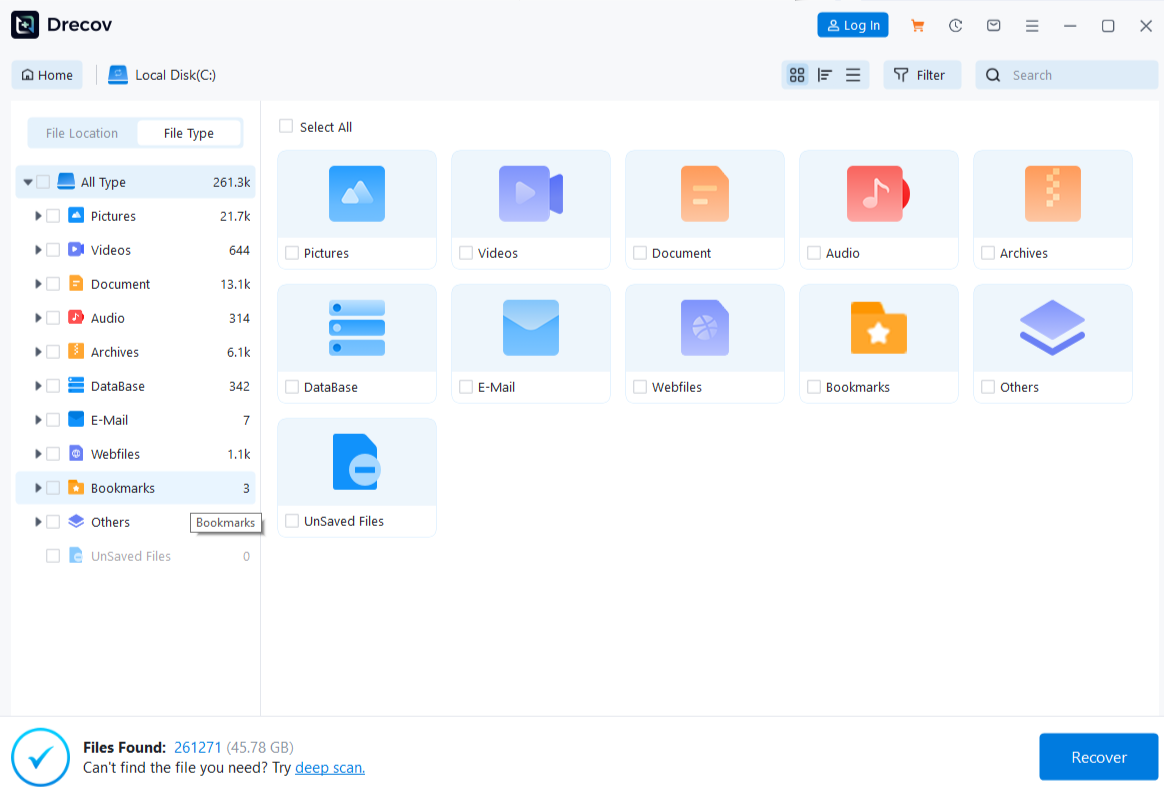
Sort scan results by file type, date, and size. Start with folders that match the original loss location. Check reconstructed folders only after obvious paths fail.
Recover a small test group first. Open those files from the destination drive. Continue with the full recovery only after the test files look correct.
Confirm the Source Before You Scan
Write down the exact folder, drive letter, account, or device involved in how to recover deleted emails. This small note keeps the recovery focused. It also helps you avoid scanning a backup, shortcut, mounted image, or repair USB when the missing file came from another location. Confirm the destination has enough free space before saving results. Keep the original source untouched until verification ends.
Where PandaOffice Drecov Fits Before Repair
PandaOffice Drecov is Windows data recovery software for PCs, USB drives, SD cards, memory cards, hard drives, SSDs, and external drives. It helps users scan storage after deletion, formatting, transfer failure, software trouble, boot errors, or other logical data-loss events. Its read-only recovery mode scans the selected source without adding new files to the problem drive.
Drecov supports photos, videos, documents, emails, audio files, archives, and other common file categories. Quick Scan helps with recent loss. Deep Scan searches more thoroughly when folder records or file-system information look incomplete. Preview before recovery helps you confirm the right files before saving them to another healthy destination.
⚠ Warning: Install it on a drive different from the one where your data was lost to prevent overwriting.
Recover Important Files with Drecov
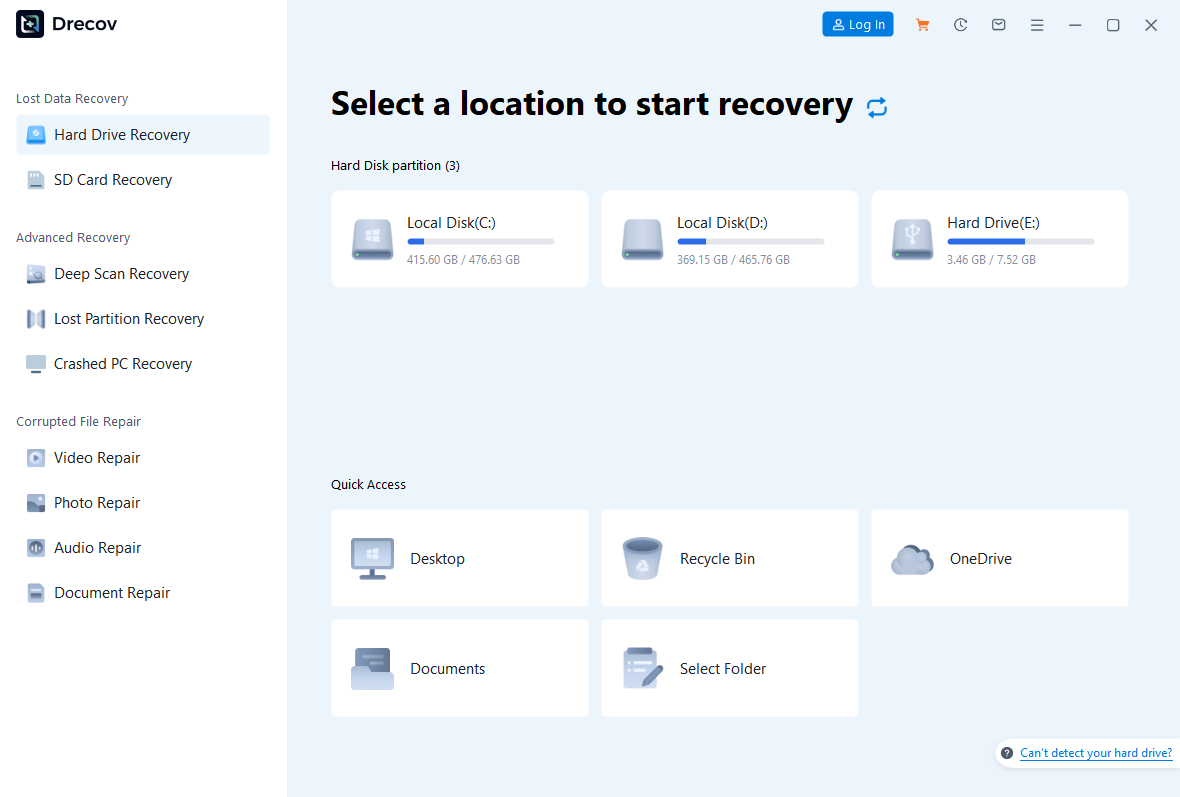
- Step 1: Open PandaOffice Drecov and select the original location of the lost files, such as local Outlook data files, exported mail archives, Downloads, Documents, Desktop, or a backup drive.
- Step 2: Run Quick Scan first when the files disappeared recently after deletion, transfer failure, app trouble, or a mistaken system change.
- Step 3: Use Deep Scan if Quick Scan misses the needed files or the folder structure looks incomplete.
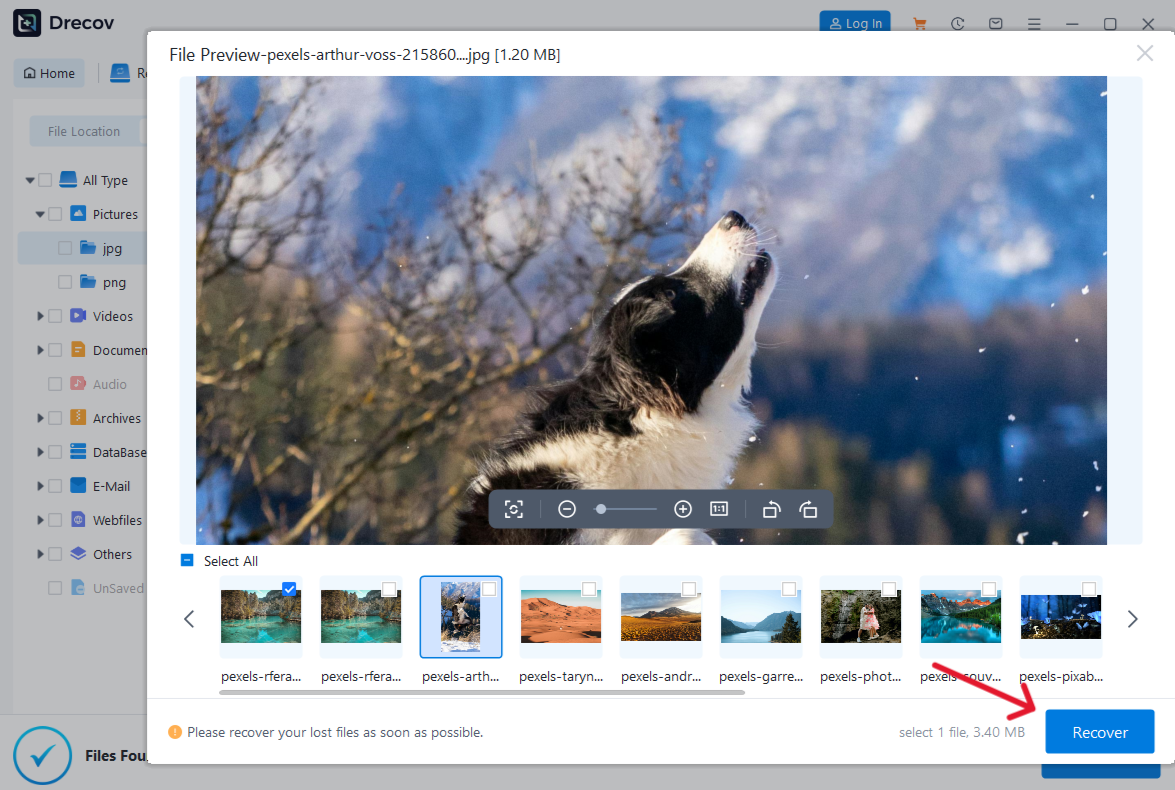
- Step 4: Filter results by type, name, date, or size. Preview documents, photos, videos, archives, audio files, or emails when preview is available.
- Step 5: Recover selected files to another healthy device. Never restore recovered files to the source drive.
- Step 6: Open the destination folder. Check the Drecov folder or Recovery folder if recovered files do not appear where expected.
Verify Files Before Continuing the Fix
Open recovered files from the destination drive before you return to troubleshooting. Choose one recent item, one older item, and one larger file. Check names, dates, sizes, and visible content.
Do not move recovered files back to the problem location right away. Finish the app fix, boot change, disk conversion, recovery drive work, or command-line cleanup first. Then copy verified files into a clean folder structure.
Deleted Email Recovery Mistakes
The common mistake is scanning the PC when the message only lived online. The shortcut may look harmless, but it can remove recoverable records or replace the only local copy. Treat repair and cleanup as separate from recovery.
Another mistake is compacting or recreating local mail archives before recovery. Repeating the same failed action rarely improves results. Pause, protect data, and choose the next step from the evidence you already have.
Prevention Tips for Similar Problems
Keep important files in at least two places. Use clear folder names for exports, recovery results, boot media, disk images, and backups. Label USB drives before using them for repair or operating system work.
Write down the source location, date, device name, and reason for each recovery. This note helps you avoid rescanning the wrong drive later.
How to recover deleted emails FAQs
Does how to recover deleted emails always mean files are lost?
No. The issue may block access, playback, startup, or account visibility while files still remain on local storage.
Should I repair or recover first?
Recover first when important files are at risk. Repair tools, reset choices, disk conversion, and cleanup commands can change the source.
Can Drecov solve every case?
No. Drecov can scan supported Windows storage and recover files with recoverable records. It does not repair physical hardware or decrypt protected data without valid access.
Where should recovered files go?
Save them to another healthy drive. After recovery, open the chosen destination and review any Drecov folder or Recovery folder created during the process.
Conclusion
Deleted email recovery should start in the mailbox and continue locally when archive files are missing. The safe route is to protect the source, check official options, recover local files before risky changes, and verify the results. Drecov helps Windows users scan recoverable files before troubleshooting goes too far.






