







In the rapidly evolving landscape of artificial intelligence, users often find themselves nostalgic for the nuances of previous models. As we transition into the era of more advanced reasoning, many enthusiasts are searching for how to make ChatGPT 5 sound more like ChatGPT 4. While the newer model boasts incredible logic and processing power, it can sometimes feel a bit “buttoned-up” compared to its predecessor.
This guide explores how to bridge that gap, ensuring you get the intelligence of the future with the personality you loved from the past. Furthermore, just as we fine-tune our AI interactions, we must also ensure our digital assets are protected. We will also touch upon essential tools like PandaOffice Drecov data recovery software to help you manage and recover the very data these AI models generate.
Why ChatGPT 5 Feels Different From ChatGPT 4
The Shift Toward Precision and Structure
If you’ve used both versions, you’ve probably noticed something subtle but important: ChatGPT 5 feels more like a consultant, while ChatGPT 4 feels more like a conversation partner. That difference isn’t accidental. It comes from a fundamental design shift.
ChatGPT 5 was built to handle multi-step reasoning, complex workflows, and higher accuracy tasks, which means it naturally leans toward structured thinking and clarity. It prioritizes correctness over charm. In real-world testing, GPT-5 often delivers answers like a professional report—clean, logical, and efficient.
That sounds great on paper… but in practice? It can feel a bit cold. Imagine asking a friend for advice and getting a perfectly structured essay instead of a natural response. That’s the experience many users describe. It’s not that GPT-5 is worse—it’s just optimized differently. And here’s the key insight: tone is a side effect of priorities. When a model focuses on accuracy and reasoning, it often sacrifices emotional nuance unless you explicitly ask for it.
Why Users Miss the “Human Touch”
People don’t just want answers—they want connection. That’s where ChatGPT 4 shines. ChatGPT 4 tends to use more natural phrasing, mirror your tone better, and add subtle emotional cues. It feels less “scripted.”
In contrast, the ChatGPT 5 robotic tone vs ChatGPT 4 comparison highlights a tendency for the newer model to default to neutral or professional tones and concise delivery. This explains why many users describe GPT-4 as “warmer.” It isn’t actually more intelligent—it just prioritizes communication style over optimization. The good news? You can recreate that style with the right techniques.
Understanding Tone vs Intelligence
What “Tone” Actually Means in AI
Let’s clear up a common misconception: tone is not intelligence. Tone is simply word choice, sentence rhythm, and emotional expression. According to official guidance, ChatGPT’s “personality” only affects how it communicates—not what it knows or can do. That means you can make GPT-5 sound casual, empathetic, or witty without losing its advanced capabilities.
Why Personality Is Fully Customizable
Here’s where things get interesting: GPT-5 is actually more flexible than GPT-4, not less. Because of its improved contextual understanding, it can adapt tone more precisely and maintain style across long conversations. Ironically, the model that feels “less human” by default is actually better at being human when guided properly.
Core Techniques to Make ChatGPT 5 Sound Like ChatGPT 4
Use Explicit Tone Instructions
This is the single most powerful move you can make. Instead of vague prompts like “be more human,” try something specific: “Write in a warm, conversational tone with natural phrasing, like ChatGPT 4. Avoid sounding formal or robotic.” GPT-5 responds strongly to explicit constraints and needs this clarity to shift its default “professional mode.”
Control Verbosity and Structure
GPT-5 often defaults to headings and bullet points. To soften that, ask for paragraph-style answers and request natural flow. For example: “Respond in flowing paragraphs, not bullet points, and keep it conversational.” This alone can dramatically change the feel of the response.
Ask for Conversational Style
Tell the AI to sound like a person, not an assistant. Try: “Talk like a knowledgeable friend explaining this casually.” This shifts sentence length and emotional presence, making the response feel like a dialogue rather than documentation.
Data Management: Using PandaOffice Drecov Data Recovery Software
While optimizing your AI’s personality, you might encounter technical issues where prompt histories or important AI-generated documents are accidentally deleted. This is where PandaOffice Drecov data recovery software becomes an essential part of your toolkit. Just as we recover the “soul” of GPT-4 in GPT-5, we sometimes need to recover lost bits and bytes from our hard drives.
PandaOffice Drecov is a professional-grade tool designed for users who need a reliable way to retrieve lost files, whether they were deleted by accident, lost during a system crash, or vanished due to a formatting error.
⚠ Warning: Install it on a drive different from the one where your data was lost to prevent overwriting.
How to Use PandaOffice Drecov to Recover AI Chat Logs and Documents
If you have saved your ChatGPT conversations as local files and they have gone missing, follow these steps:
- Step 1: Select the Location. Launch the program. On the main interface, select the specific drive or folder where your AI logs or documents were stored (e.g., your “Downloads” or “Documents” folder).
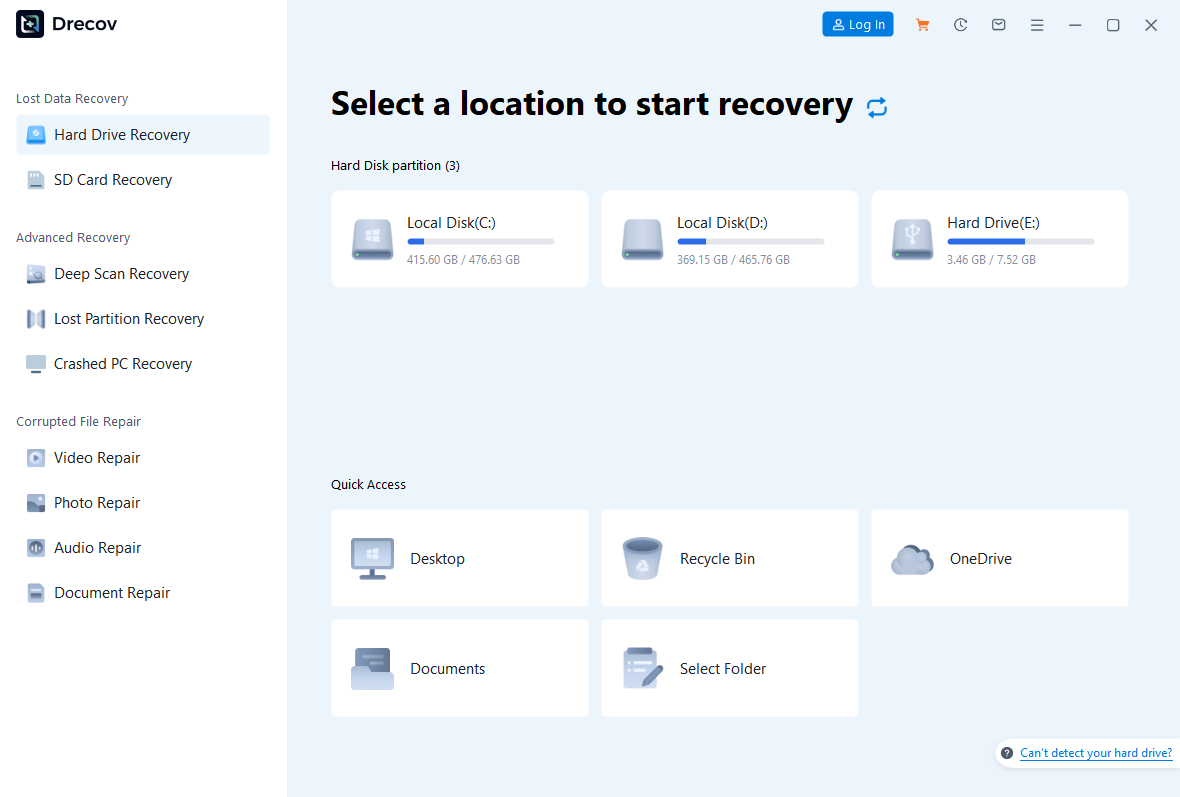
- Step 2: Scan for Deleted Files. Click the “Scan” button. The software will perform a Quick Scan followed by a Deep Scan to locate every recoverable fragment.
- Warning: Do not interrupt the scanning process if you are looking for older files, as the Deep Scan is necessary for thorough recovery.
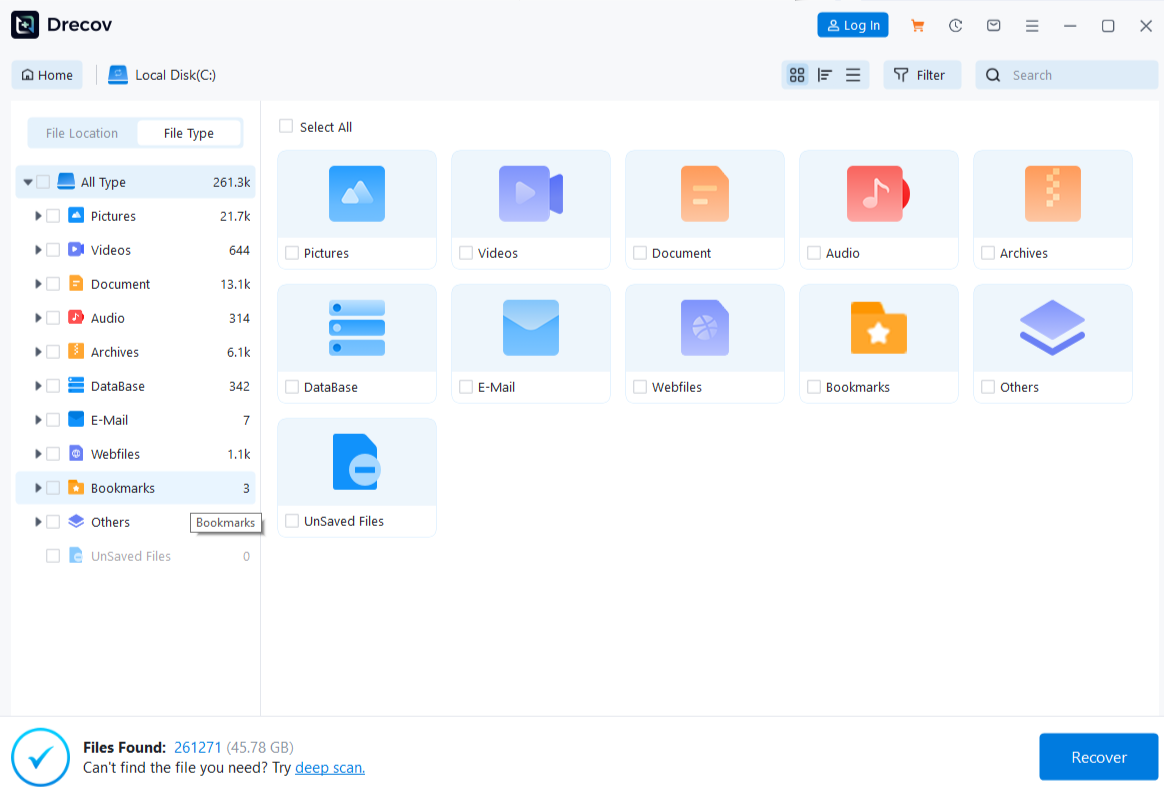
- Step 3: Preview and Recover. Once the scan is complete, browse the results. PandaOffice Drecov allows you to preview text files and documents before restoring them. Check the boxes next to your files and click “Recover” to save them to a safe, external location.
- ChatGPT 5 not showing up complete guide
- How to download video from browser Firefox 2026 guide
- How to use Recuva recover deleted files 2026 expert guide
The Power of Custom Instructions
Setting a Default Personality
If you don’t want to repeat yourself every time, use custom instructions. You can define the tone (warm, casual, witty) and behavior (avoid corporate language) in your account settings. This acts like a permanent personality layer that GPT-5 will reference in every new chat.
Example Prompt Templates
Here’s a proven template for your custom instructions:
“Always respond in a warm, conversational, and human tone. Avoid sounding formal or overly structured. Write like ChatGPT 4—engaging, natural, and slightly playful when appropriate.”
Prompt Engineering That Actually Works
“Act Like ChatGPT 4” Prompts
Simply saying “Act like ChatGPT 4” isn’t enough. You must expand it. Use: “Act like ChatGPT 4: conversational, warm, slightly witty, and natural. Avoid corporate tone. Write like you’re speaking to a real person.” This provides the context GPT-5 needs to override its default settings.
Layering Style + Context
The best prompts combine tone instructions with output format. For example: “Explain this like ChatGPT 4 would—casual, clear, and engaging. Use simple language and relatable examples.” Layering these instructions ensures that the response is both informative and stylistically accurate.
Adjusting Emotional Intelligence
Adding Empathy and Warmth
GPT-4 often feels more empathetic because it naturally acknowledges emotions and uses softer phrasing. To replicate that in the newer model, instruct it: “Be empathetic and emotionally aware. Acknowledge the user’s perspective before answering.”
Avoiding Robotic Responses
Robotic tones usually stem from over-structured output and a lack of emotional cues. You can fix this by asking for natural transitions and light personality. Encourage the AI to use “I think” or “I’d suggest” rather than just stating raw facts.
Formatting Tricks That Change Everything
Reducing Bullet Points
Bullet points are the hallmark of modern AI. ChatGPT 4 used them less aggressively. Tell GPT-5: “Minimize bullet points—focus on natural paragraphs.” This forces the AI to construct more cohesive narrative structures.
Encouraging Natural Flow
Ask for storytelling, analogies, and real-world examples. This makes the responses feel alive and less like they were generated by a database query.
Common Mistakes to Avoid
Over-controlling the AI
Too many instructions can backfire. If you stack dozens of tone, format, and style rules, you might confuse the model, leading to degraded logic. Keep your instructions clear and focused on the top three stylistic changes you want.
Conflicting Instructions
Don’t say “Be concise” and “Write detailed explanations” in the same breath. Pick one direction for each prompt to ensure the AI doesn’t get stuck in a logical loop.
Advanced Techniques for Power Users
Memory + Style Reinforcement
If your version of ChatGPT has memory features, store preferences like “Always be conversational” and “Avoid formal tone.” Over time, the model will learn your preference for the GPT-4 “vibe” and apply it automatically.
Iterative Prompt Refinement
Treat prompts like drafts. If the AI sounds too formal, reply with: “That was too robotic. Try again, but make it sound more like a casual conversation over coffee.” This iterative approach is the fastest way to dial in the perfect tone.
When You Should NOT Mimic ChatGPT 4
Despite our love for the GPT-4 style, the ChatGPT 5 robotic tone vs ChatGPT 4 debate isn’t always one-sided. For technical writing, data analysis, or legal explanations, the structured and precise tone of GPT-5 is actually superior. Don’t blindly force a casual style when you need high-stakes accuracy.
Conclusion
Mastering how to make chatgpt 5 sound more like chatgpt 4 is about combining the best of both worlds. GPT-5 gives you the raw power and reasoning capability, while the GPT-4 style provides the connection and readability. When you control tone intentionally, you get smarter answers, better communication, and a more human interaction.
Whether you are fine-tuning an AI or using PandaOffice Drecov data recovery software to save your digital life, the goal is always the same: making technology work for you, rather than you working for the technology. By applying these formatting tricks and prompt engineering strategies to understand how to make chatgpt 5 sound more like chatgpt 4, you’ll find that the “robotic” nature of the future is easily softened by the “warmth” of the past.






