







Accidentally deleting a cherished photo or a critical project image can instantly cause a wave of panic. Fortunately, modern operating systems and smartphones do not permanently erase your files right away. Understanding how to go to recently deleted photos is the first vital step toward rescuing your missing media before it vanishes forever. Whether you are using an iPhone, an Android device, or a Windows PC, a temporary holding zone usually catches these files.
However, native recycle bins and trash folders have strict time limits, often permanently purging files after 30 days. If you miss this window or empty the bin prematurely, standard manual recovery methods will fail. In addition, file corruption or system crashes can complicate the process. This is where specialized data recovery tools become essential. To ensure you never lose your files permanently, we highly recommend using PandaOffice Drecov data recovery software. This powerful application can scan deep within your drive storage architecture to retrieve lost items even after the standard temporary storage has been completely cleared.
Understanding the Basics of How to Go to Recently Deleted Photos
When you delete an image, your device typically moves it to a temporary holding area rather than erasing it from the storage drive. Knowing how to look at recently deleted photos requires understanding where these hidden folders reside on different operating systems. On iOS and Android, this is the Recently Deleted album within your native gallery app. On Windows, it is the Recycle Bin, and on macOS, it is the Trash.
Common Technical Challenges
- Strict Time Constraints: Most devices automatically destroy files in temporary storage after 30 days to free up space.
- Accidental Permanent Deletion: Users frequently click the Empty Bin or Delete Permanently button by mistake.
- Storage Overwriting: Continuous use of your device after losing a file can write new data over the sector where the photo was saved, making recovery impossible.
Introducing PandaOffice Drecov Data Recovery Software
When manual folders fail you, PandaOffice Drecov data recovery software provides an advanced corporate-grade solution for everyday users. It utilizes deep-sector scanning algorithms to piece together fragmented image files from formatted, corrupted, or emptied storage drives.
You can rely on this software across a vast array of data loss scenarios, including accidental partition deletion, unexpected system crashes, or virus attacks that wipe out your media libraries. It supports a massive variety of file systems such as NTFS, FAT32, exFAT, and APFS. For those managing complex storage environments, learning how to handle data transitions is critical. For instance, you can review our technical guide on how to remove OneDrive from File Explorer step by step to optimize your local file architecture. Furthermore, if you encounter broader data issues during your cleanup process, you can learn how to get your Google Chrome bookmarks back using our verified system methods.
⚠ Warning: Install it on a drive different from the one where your data was lost to prevent overwriting.
Solutions to How to Go to Recently Deleted Photos Issues
Method 1: Utilizing Native Device Storage Folders
Before deploying professional software, you should check the built-in storage areas of your device. This is the fastest answer to how can i get recently deleted photos back if the deletion occurred recently.
- On iPhone/iPad: Open the Photos app, tap Albums, scroll down to the Utilities section, and select Recently Deleted. You must authenticate using Face ID or Touch ID to view the contents.
- On Android Devices: Open Google Photos or your default Gallery app, select Library or Menu, and tap the Bin or Trash folder.
- On Windows 11/10: Double-click the Recycle Bin icon on your desktop to inspect your deleted files.
Method 2: Advanced Recovery with PandaOffice Drecov Data Recovery Software
If your photos are missing from the native trash folder, you must use PandaOffice Drecov data recovery software. This tool reconstructs file headers to safely extract images from raw drive storage.
⚠ Warning: Install it on a drive different from the one where your data was lost to prevent overwriting.
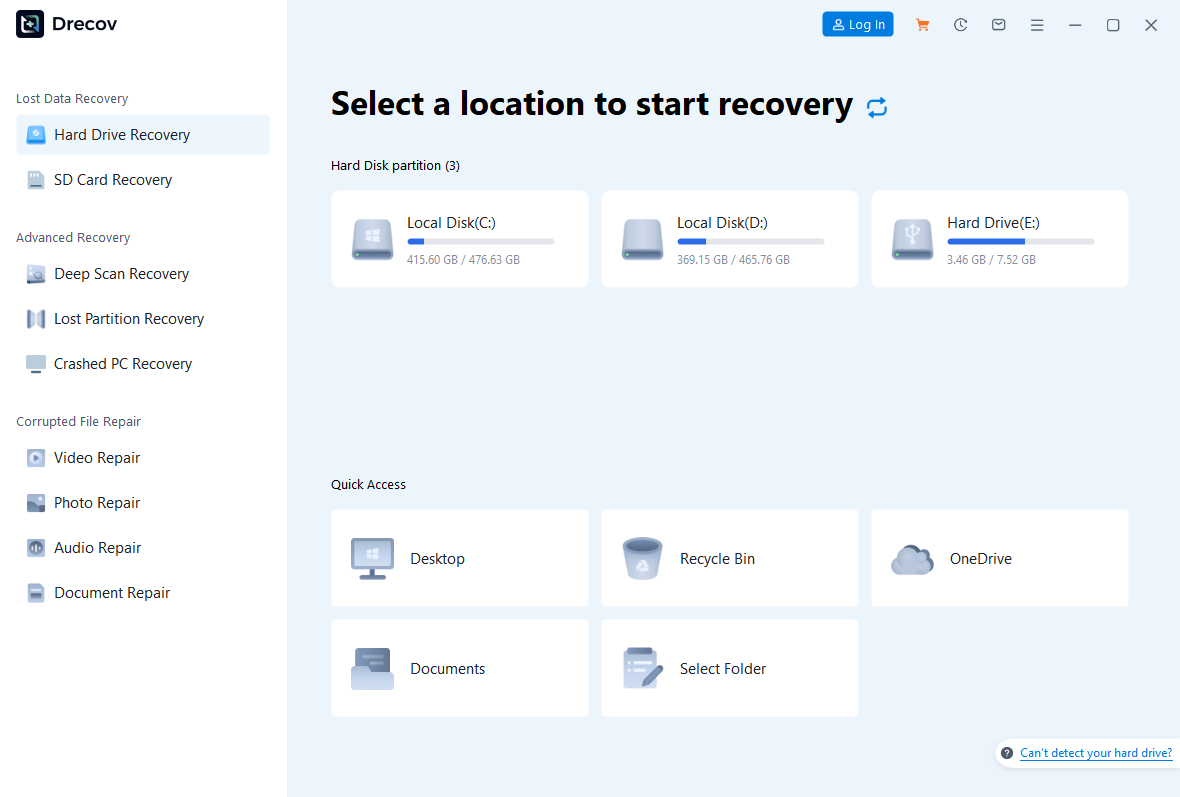
Step 1: Select the Target Location
Launch the software interface. Select the specific drive volume, external SD card, or local disk partition where your deleted photos used to live, then click the Scan button.
Step 2: Scan and Filter the Results
The software will initiate a Quick Scan followed immediately by a Deep Scan. You can use the file filter sidebar to sort the results by file type, choosing JPEG, PNG, or RAW formats to locate your images quickly.
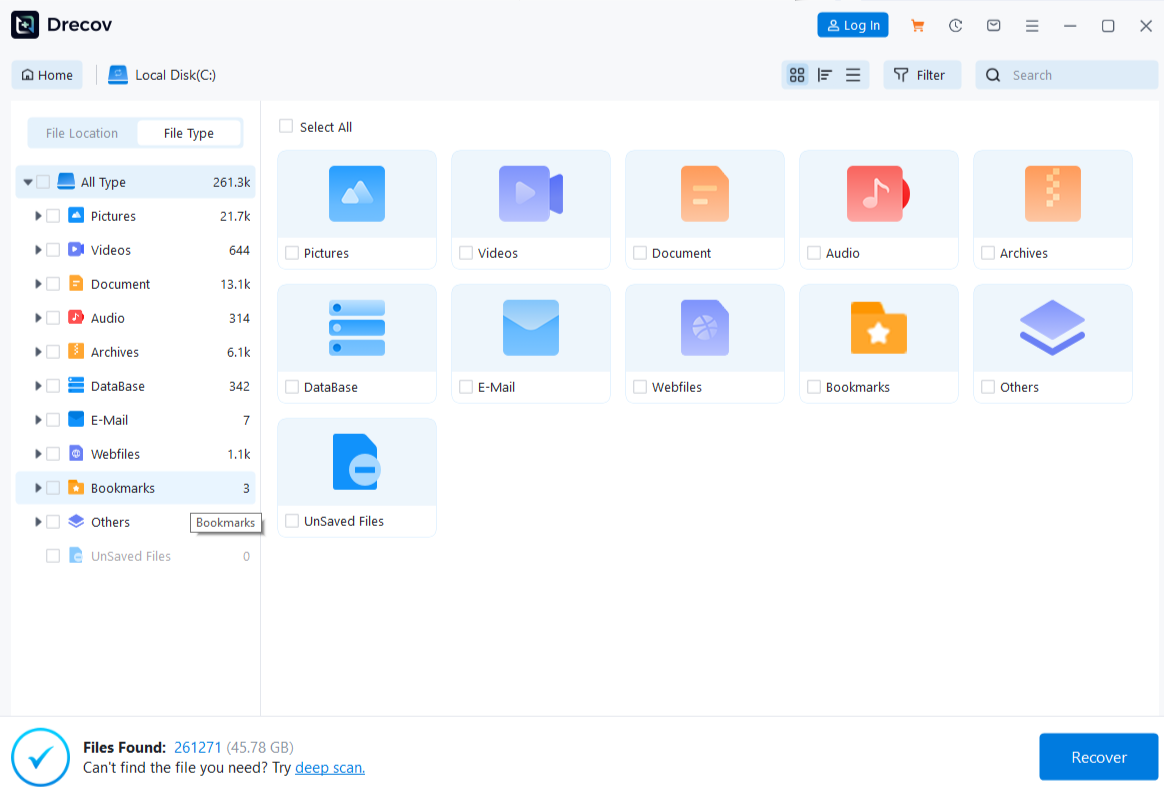
Step 3: Preview and Recover Your Media
Double-click any discovered photo to preview its visual integrity. Select the checkboxes next to the images you wish to restore, click the Recover button, and choose a secure destination folder on a separate storage drive.
For more technical insight, you can check Google’s official documentation on data practices via the Google Search Central Blog to understand file structures and search standards. Implement a proactive backup strategy today, and keep a dedicated data recovery tool ready to deploy at a moment’s notice.
Alternative or Complementary Methods
If your files were stored on external media, native phone folders will not help. Consequently, you must look at alternative strategies for how to recover photos from recently deleted statuses.
External Storage and Manual Command Solutions
For flash drives, memory cards, or digital camera storage, you can utilize built-in command-line tools. On Windows, you can attempt to use the Command Prompt to fix drive directory attributes. You can open CMD as an administrator and type chkdsk E: /f followed by attrib -h -r -s /s /d E:\*.* where E represents your drive letter.
Meanwhile, if you are specifically dealing with removable media, it is highly recommended to read our comprehensive walk-through on how to recover deleted files from a USB flash drive for specialized recovery steps.
Pros and Cons of Manual vs. Software Recovery
| Recovery Method | Advantages | Disadvantages |
| Native Trash Folders | Free, instant, requires no third-party software installation. | 30-day strict time limit, useless if the bin is manually emptied. |
| Command Prompt / CHKDSK | Built into Windows, fixes underlying file system directory errors. | High risk of data damage if typing wrong attributes, complex for beginners. |
| PandaOffice Drecov | High success rate, deep sector scanning, recovers permanently deleted files. | Requires software installation, takes time to scan large storage drives. |
Tips & Best Practices
Maximizing your data recovery success requires strict adherence to technical protocols. As soon as you realize files are missing, you must stop using the affected drive or device immediately to prevent new data from overwriting the physical sectors.
Maintaining Data Integrity
- Avoid Local Re-installation: Never download or install recovery software onto the exact drive partition that requires scanning.
- Employ Safe Hotkeys: Use proper system commands like Shift + Delete only when you are completely certain you have a duplicate backup of the file.
- Verify System Versions: Ensure your operating system is fully updated, as outdated storage driver versions can cause file scanning errors during recovery.
Pitfalls to Avoid
Avoid running multiple disk utility tools simultaneously, because this can cause software conflicts and corrupt the storage blocks. In addition, never save recovered photos back onto the same disk partition during the recovery process.
Frequently Asked Questions
How to look at recently deleted photos on a Windows PC?
To view your deleted media on Windows, navigate to your desktop and double-click the Recycle Bin icon. If you prefer using keyboard shortcuts, you can open the File Explorer by pressing Windows Key + E, then select Recycle Bin from the left-hand navigation pane to review your items.
How to recover photos from recently deleted after emptying the trash?
Once the trash folder is emptied, the operating system deletes the file pointers. To retrieve these images, you must deploy PandaOffice Drecov data recovery software to scan the raw sectors of your hard drive and rebuild the missing file structures.
How can i get recently deleted photos back if my SD card is corrupted?
Connect your corrupted SD card to a computer using a card reader. Launch PandaOffice Drecov data recovery software, select the external drive letter assigned to your SD card, and run a Deep Scan to extract the files from the corrupted sectors.
Is there a time limit on how to go to recently deleted photos on smartphones?
Yes, most mobile devices running iOS or Android store deleted media in a temporary bin for exactly 30 days. After this period expires, the device automatically purges the files to reclaim storage space.
Conclusion
Mastering how to go to recently deleted photos can protect your valuable digital memories from permanent loss. While native folders provide a quick initial safety net, they are heavily restricted by time limits and manual emptying errors. For a robust, reliable solution that works when standard methods fail, PandaOffice Drecov data recovery software provides the deep scanning power required to rescue your images safely.






