







As AI becomes an extension of our digital brains, the conversations we have with ChatGPT often contain more than just casual banter. They house business strategies, complex code snippets, research papers, and deeply personal creative projects. However, relying solely on a cloud-based interface for your most valuable intellectual property is a risky move. If you are wondering how to do a full data extraction from ChatGPT, you are taking a crucial step toward digital sovereignty and data security.
In this comprehensive guide, we will explore the nuances of data retention, the technical steps for a full data extraction from ChatGPT, and how to use professional recovery tools like PandaOffice Drecov to ensure your exported archives remain safe on your local machine.
What Is ChatGPT Data Extraction?
Types of Data You Can Export
When people hear the term “data extraction,” it often sounds technical—like something only developers or IT professionals would deal with. But in the context of ChatGPT, it’s actually much simpler. Data extraction just means downloading all the information associated with your account in one complete package. Think of it like requesting a digital copy of everything you’ve ever said and received on the platform.
The exported data typically includes your chat history, account details, and sometimes metadata about your usage. Your conversations are the main highlight—they’re stored in structured formats that preserve both your prompts and ChatGPT’s responses. This makes it possible to revisit past ideas, research threads, or even important work you may have forgotten. Interestingly, the system organizes your data in a way that can be parsed, analyzed, or even reused in other tools. For example, developers might use exported JSON files to build datasets, while regular users might simply browse HTML files to read past chats.
Why Users Need Full Data Extraction
So why would anyone want to export all their ChatGPT data? The reasons are more practical than you might expect. Many users rely on ChatGPT for brainstorming, writing, coding, and research. Over time, those conversations become valuable assets—almost like a personal knowledge base.
Imagine losing months of carefully crafted prompts or solutions. Without a backup, that information is gone forever. That’s where a full data extraction from ChatGPT comes in. It acts as a safety net, ensuring you always have a copy of your work. Furthermore, for professionals, the stakes are even higher. Marketers and developers often use ChatGPT as part of their daily workflow. Exporting data allows them to archive projects, share insights, or integrate conversations into other productivity tools.
How ChatGPT Stores Your Data
Cloud-Based Storage Explained
ChatGPT operates entirely in the cloud, which means your data isn’t stored locally on your device. Instead, every conversation is saved on remote servers linked to your account. This design allows you to access your chats from anywhere—whether you’re on a laptop, phone, or tablet. While this is convenient, it means you don’t have direct access to raw data unless you request it.
Data Retention Policies
Data retention is another key piece of the puzzle. ChatGPT stores your conversations until you delete them. Once deleted, they are scheduled for permanent removal within a certain timeframe, typically up to 30 days. This policy balances user convenience with privacy requirements. However, it also highlights a critical point—deleted data cannot be recovered through the interface. If you accidentally remove a chat without exporting it first, it’s gone for good.
Official Method: Full Data Extraction from ChatGPT
The most reliable way to secure your history is through the official OpenAI export tool. Follow these steps precisely to ensure a successful download.
Step-by-Step Data Export Process
- Step 1: Open Settings. Launch ChatGPT in your browser and click on your profile name or icon in the bottom-left (or top-right, depending on the current UI version) corner. Select Settings.
- Step 2: Access Data Controls. In the settings menu, locate the Data Controls tab. This is the hub for managing your privacy and history.
- Step 3: Initiate Export. Find the option labeled Export Data and click the Export button. A confirmation pop-up will appear explaining that a link to your data will be sent to your registered email address.
- Step 4: Confirm and Wait. Click Confirm export. Depending on the size of your chat history, it may take anywhere from five minutes to several hours for OpenAI to compile the ZIP file.
Where to Find the Download Link
After your export is ready, you’ll receive an email from OpenAI with the subject line “Your ChatGPT data export is ready.” This link is temporary and usually expires within 24 hours for security reasons. Download the file immediately to your local drive.
Securing Your Local Archive with PandaOffice Drecov
After performing a full data extraction from ChatGPT, you will hold a ZIP file that serves as a critical asset for your digital records. However, a sudden problem might arise if you accidentally delete that specific file or if a system update wipes your entire “Downloads” folder. In such a crisis, you will find that local data recovery becomes an essential lifeline.
To address this risk, you can rely on PandaOffice Drecov, a professional-grade recovery tool that retrieves lost or deleted files directly from your hard drive. Consequently, if your ChatGPT export disappears from your computer, Drecov can locate the digital traces of the file before the system overwrites them with new data.
⚠ Warning: Install it on a drive different from the one where your data was lost to prevent overwriting.
Step-by-Step Recovery with PandaOffice Drecov
- Step 1: Select the Target Location.Launch PandaOffice Drecov on your Windows. On the main interface, select the drive where you originally saved your ChatGPT export (usually the C: Drive or Downloads folder).
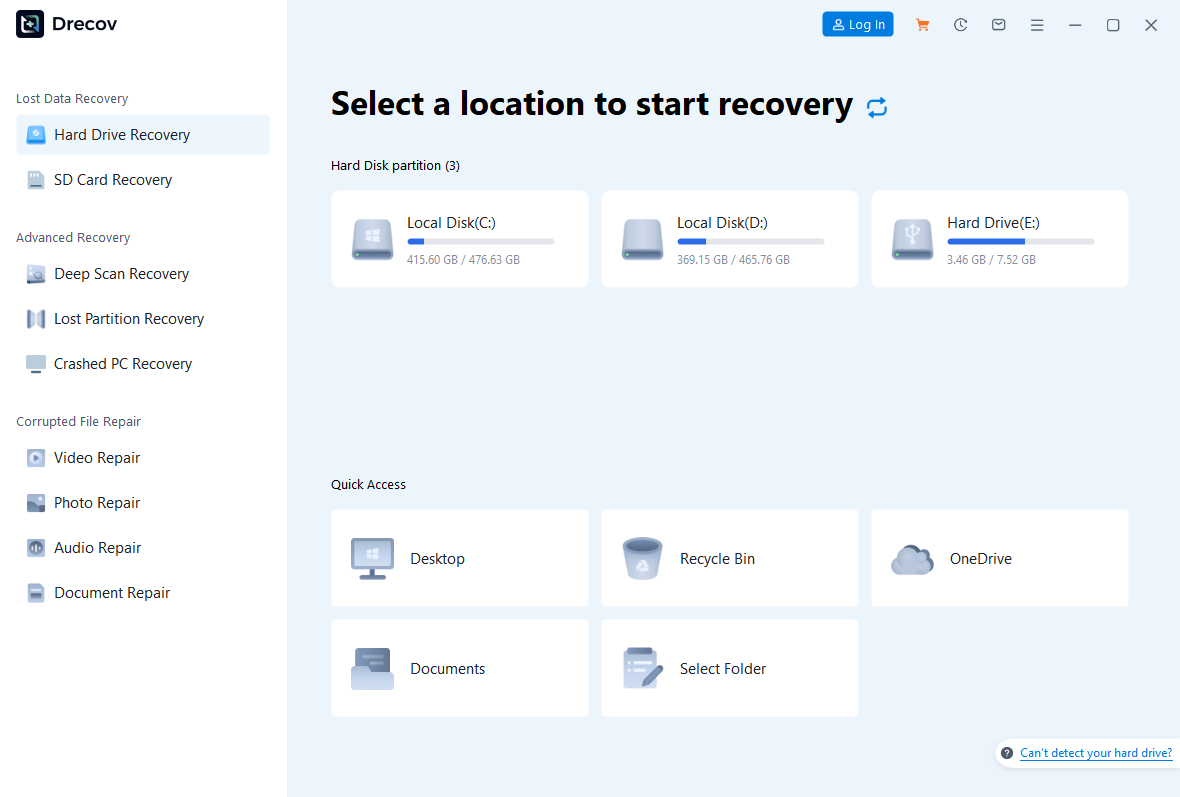
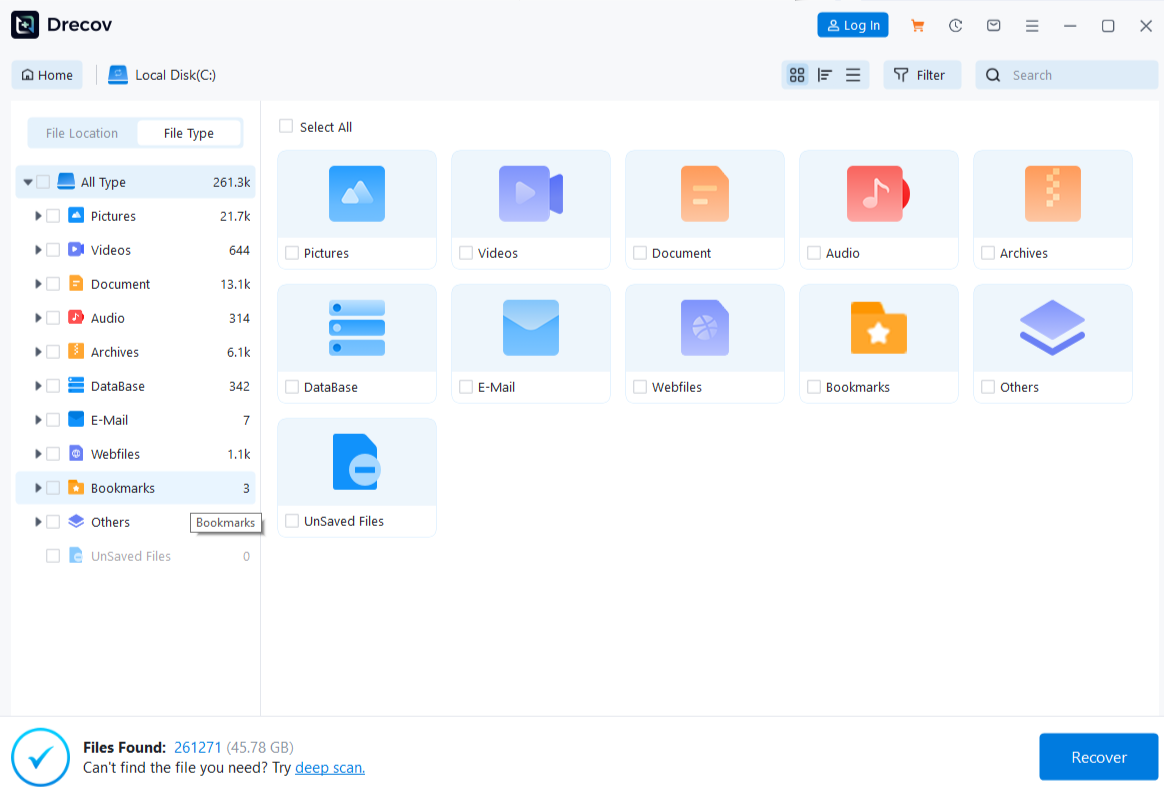
- Step 2: Run a Comprehensive Scan.Click the Scan button. Drecov will perform a deep analysis of the disk sectors to identify deleted ZIP, HTML, and JSON files.
- Tip: You can use the search bar within the software to look specifically for “chatgpt” or “.zip” to narrow down the results.
- Step 3: Preview and Verify.Once the scan completes, browse the list of found files. Drecov allows you to preview the file contents to ensure the data is intact.
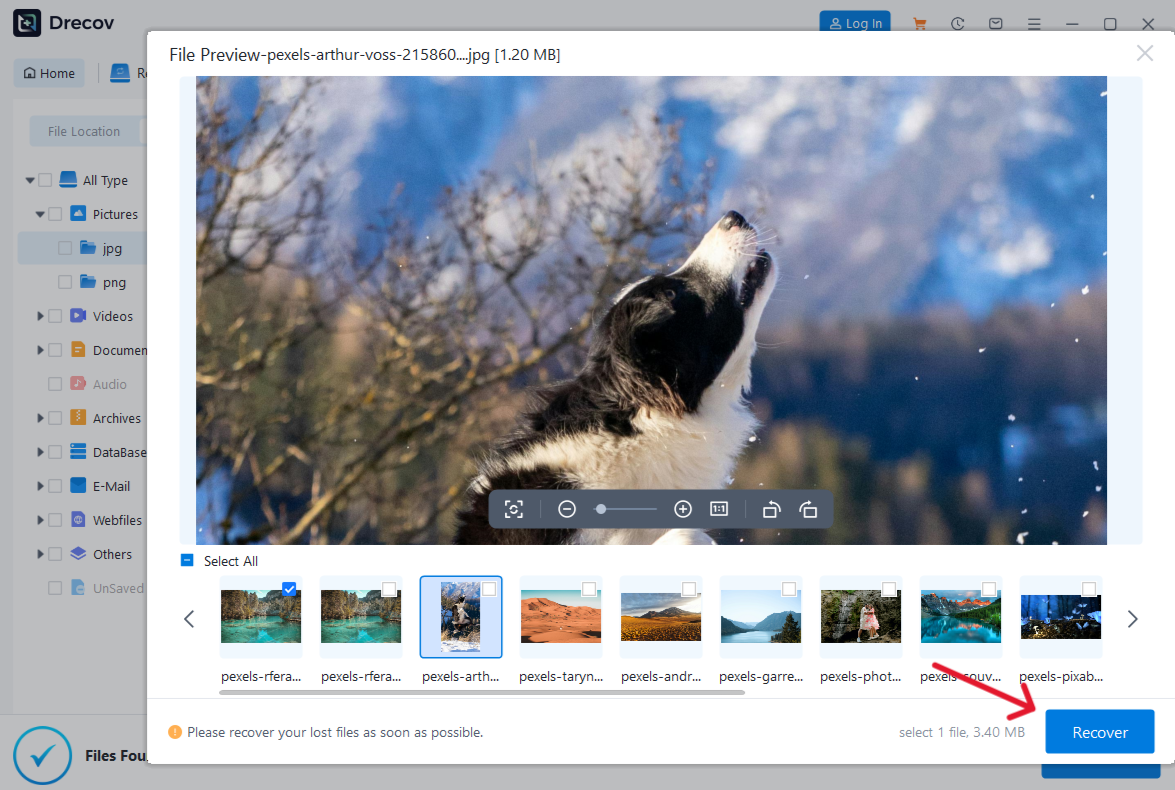
- Step 4: Recover to a Safe Zone.Select your ChatGPT data package and click Recover.Warning: To prevent data corruption, do not save the recovered file back to the same drive you are scanning. Use an external USB drive or a secondary hard drive instead.
By combining a full data extraction from ChatGPT with a reliable tool like PandaOffice Drecov, you create a multi-layered defense for your digital knowledge.
Understanding the Export File Format
JSON vs. HTML Files
Your data export typically includes two main types of files:
- chat.html: This is designed for human readability. You can open it in any web browser (Chrome, Firefox, Safari) to read your conversations exactly as they appeared on the site.
- conversations.json: This is a structured data format intended for developers or advanced users. It allows you to import your chat history into other databases or AI training models.
How to Open and Read Your Data
Simply right-click the chat.html file and select “Open with” followed by your preferred browser. You will see a chronological list of every conversation you’ve ever had. If the file is extremely large (over 100MB), your browser might lag; in this case, using a dedicated HTML editor or splitting the file may be necessary.
Common Problems When Exporting Data
Export Request Not Working
If the “Export” button is greyed out, it often means a request is already in progress or the server is under high load. Wait 24 hours and try again. Additionally, ensure your email address is verified in your account settings.
Email Not Received
If you don’t receive the email, check your Spam and Promotions folders. Some email providers flag automated emails from OpenAI as junk. If it’s still missing, try performing the export again during off-peak hours.
Best Practices for Managing Exported Data
- Organizing Large Histories: If you use ChatGPT for multiple projects, create a folder structure on your PC:
AI_Archives > 2026 > Q1_Export. - Internal Navigation: To keep your system clean, you might need to manage other storage apps. Learn how to uninstall OneDrive on Windows or Mac if it interferes with your local file organization.
- Default Locations: If your downloads are going to the wrong place, check out how to fix Windows Save As default location stuck on OneDrive.
- Recovery Awareness: Always know where is Recycle Bin in Windows 10 so you can quickly check for accidentally deleted exports before resorting to deep recovery software.
Data extraction from ChatGPT FAQs
1. How long does a full data extraction from ChatGPT take?
It usually takes between 10 minutes to 2 hours. If you have years of data, OpenAI might take up to 24 hours to generate the link.
2. Is my deleted history included in the export?
No. Once a chat is deleted from the sidebar and the 30-day retention window passes, it cannot be included in any future data extractions.
3. Can I export data from the mobile app?
Yes, the steps are similar. Go to Settings > Data Controls > Export Data within the iOS or Android app.
4. What should I do if the ZIP file is corrupted?
Try downloading it again from the email link. If the link has expired, you will need to trigger a new export request from the ChatGPT settings.
5. Is the data export secure?
The ZIP file is not password-protected by default. Once you download it, anyone with access to your computer can read it. It is recommended to store it in an encrypted folder or vault.
Conclusion
To ensure you are always up to date with the latest security protocols and data management policies, we recommend visiting the official OpenAI Privacy Policy. Understanding these terms will help you better navigate the nuances of full data extraction from ChatGPT and maintain total control over your digital footprint. Proper data governance, combined with a reliable recovery strategy using tools like PandaOffice Drecov, ensures your AI-driven insights remain yours forever.






