







Many users search for claude image generation while comparing AI tools for design, thumbnails, marketing drafts, and visual prompts. The phrase can mean several things. Some users want Claude to create images. Others want Claude to review an uploaded image or help write prompts for another image tool. These goals need different workflows.
The file safety issue often hides behind the AI question. A user may lose prompt drafts, reference images, screenshots, exports, or edited artwork during testing. Before you switch tools or restart a project, check the local files that support the workflow. Claude image generation research should not put your original assets at risk.
Quick Answer About Claude Image Generation
Check current Anthropic guidance before you assume Claude can create finished image files. Claude can help with visual reasoning in supported contexts and can assist with prompt planning, critique, descriptions, and workflow steps. Direct image output depends on official product support. If your local files disappear during testing, handle that as a recovery task.
For lost AI image assets, Drecov data recovery software can scan the original storage location. It can help recover images, documents, archives, videos, and other files used in creative projects. Useful related guides include ChatGPT image generation guide, master AI image workflows, and recover lost photo files. For official Claude output guidance, read Anthropic image output guidance.
Claude Image Workflows and User Expectations
Claude image generation often gets mixed with image analysis. Image analysis means Claude reviews or reasons about a supplied visual input. Image generation means a tool creates a new image file. Prompt drafting means Claude helps write instructions for another creative tool. Keep these tasks separate.
This separation helps recovery work too. A prompt draft may live in a document. A reference image may live in Pictures. An exported result may live in Downloads. A design file may live on an external SSD. If one item disappears, do not keep saving new versions to the same location.
File names also matter. AI projects often create many similar files. Names like final, edit, version two, and test can cause confusion. Add dates, source names, and project labels. Better names make Drecov preview and recovery easier later.
Check AI Image Assets Before More Testing
- Open the folder where the reference image first appeared.
- Search for prompt drafts, exports, screenshots, and source files.
- Check Downloads, Pictures, Desktop, design folders, and cloud sync folders.
- Look in the Recycle Bin before scanning.
- Stop using an external drive if image files vanished there.
- For claude image generation projects, record the last known folder path.
Mistakes That Put AI Image Files at Risk
The first mistake is repeated exporting into the same folder. New files can replace older records. If a prompt draft or image vanishes, pause exports and prepare another drive for recovery.
The second mistake is treating every AI image file as disposable. Reference images, brand assets, prompt notes, and client examples may have real value. Save working copies. Keep originals untouched until the project ends.
The third mistake is using repair actions too early. Do not format a camera card, USB drive, or external SSD before scanning. Run recovery first when the missing assets matter.
Why Drecov Helps with AI Image Project Assets
PandaOffice Drecov is a Windows data recovery tool for PCs, USB drives, SD cards, memory cards, hard drives, SSDs, and external drives. It helps after deletion, formatting, transfer failure, interrupted editing, or storage errors. Its read only recovery mode scans the selected location without adding new content to the problem drive.
Drecov supports photos, videos, documents, emails, audio files, archives, and other common file types. Quick Scan helps with recent loss. Deep Scan searches more thoroughly when file records look damaged or incomplete. Preview before recovery helps you confirm the correct image, document, archive, or media file.
⚠ Warning: Install it on a drive different from the one where your data was lost to prevent overwriting.
Recover Claude Image Generation Project Files with Drecov
- Step 1: Open PandaOffice Drecov and choose the original lost file location. Select Pictures, Downloads, Desktop, a design folder, or the drive used for AI image projects. This gives claude image generation recovery work a focused target.

- Step 2: Run a Quick Scan first. Use it for recently deleted images, screenshots, prompt files, or exports.
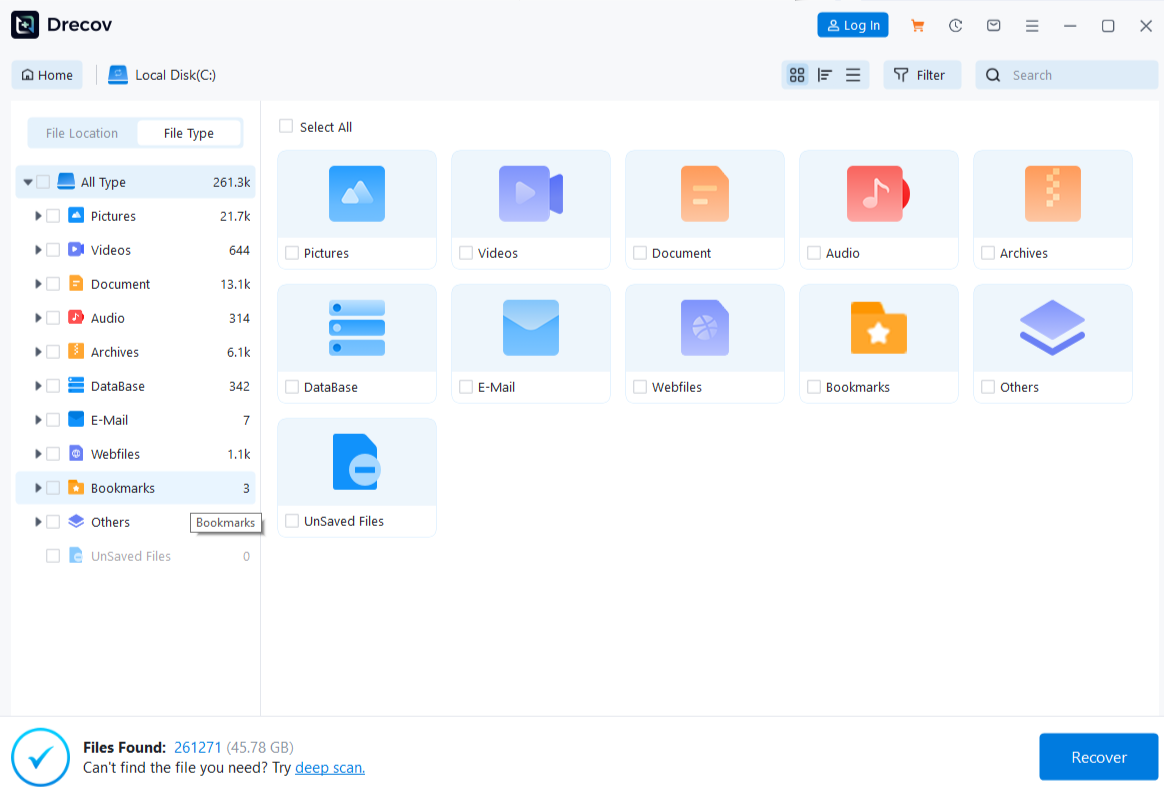
- Step 3: Run Deep Scan if Quick Scan misses the needed assets. Choose this option after formatting, older loss, or folder damage.
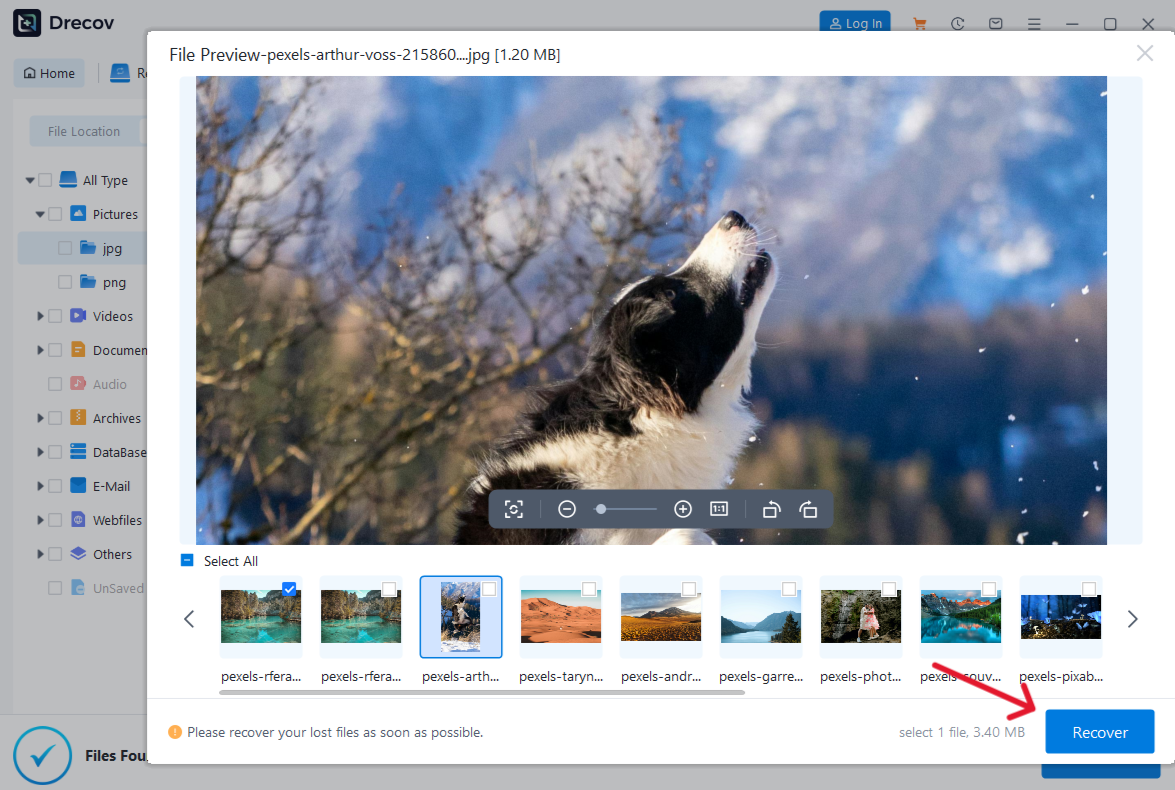
- Step 4: Preview the results. Check thumbnails, names, dates, and file sizes before recovery.
- Step 5: Recover selected files to another healthy drive or external device. Avoid the source location.
- Step 6: Open the destination folder. Check for a Drecov folder or a Recovery folder if the restored files do not appear where expected.
Quick Scan or Deep Scan for AI Image Recovery
Use Quick Scan when a file disappeared recently. It suits accidental deletion, failed moves, browser crashes, and fresh export mistakes. Quick Scan also helps when claude image generation files had a clear folder path.
Use Deep Scan when the folder structure looks broken or the drive was formatted. It also helps when search no longer finds the file name. Let the scan finish before you decide that the asset is gone.
Return Recovered Assets to the Creative Workflow
Open every recovered file before you use it again. Confirm that images display correctly. Check documents and prompt notes for complete content. Review exports by date and size.
Use copies when you return to Claude or another creative tool. Keep the recovered originals in a separate folder. For claude image generation research, this habit prevents tool testing from damaging the only restored version.
Add a short recovery note to the project folder. Include the original path, recovery date, and file purpose. This helps when several versions share similar names.
Keep AI Image Projects Easier to Recover
A better folder system can reduce confusion after a loss. Put reference images, prompt notes, exported images, and final selections in separate folders. Give each folder a clear project name. Avoid generic names such as final or new edit when the work has value.
Save important prompts outside the chat window. A plain text file or document can preserve the exact instructions that shaped an image project. Store that file with the related images. This makes recovery useful even when a platform history does not show the full context.
Keep source assets apart from test exports. Test folders can fill quickly. They often contain failed drafts, compressed images, and quick experiments. Source folders should hold the items you would need to rebuild the project from scratch.
Review recovered images before you upload them anywhere. Open each file, check the dimensions, and compare it with the project notes. If two versions look close, keep both until the final workflow decision becomes clear.
Add one preview contact sheet when the project has many images. A quick visual overview helps you compare similar files. It also helps designers or clients choose the right restored version faster.
Final Checks for Claude Image Work
- Confirm the current Claude image support before planning output.
- Separate prompt writing, image analysis, and direct creation tasks.
- Scan the original folder before exporting replacements.
- Recover files to a different storage device.
- Preview image assets before using them again.
- Keep recovered originals outside the active project folder.
FAQ
Does claude image generation mean Claude can create final images?
Not always. Users often use the phrase for image analysis, prompt writing, or creative planning. Check current Anthropic guidance before you plan direct image output.
Can Drecov recover AI image files?
Drecov can recover local files from supported Windows storage locations. It can help with images, prompt documents, archives, videos, and project assets stored on your device or external storage.
Should I keep exporting new images before recovery?
No. Stop exporting to the same location when files disappear. Scan first, recover to another drive, and then restart the creative workflow with copies.
Where should recovered AI image files be saved?
Save recovered files to another healthy storage location. If Drecov creates a Drecov folder or Recovery folder, open it and verify the assets before reuse.
Conclusion
Claude image generation research should start with clear expectations and careful file handling. Check official support, protect reference files, recover missing assets before more exports, and return to the workflow with copies. Drecov gives Windows users a practical way to scan, preview, and restore the local files behind AI image projects.






