







Understanding Gmail Email Recovery and Account Protection
How Gmail Recovery Email Works
Email communication has become an essential part of daily life. Many users rely on Gmail for personal messages, work documents, verification codes, and important notifications. When messages disappear or accounts become inaccessible, knowing how gmail recovery email systems function can help restore lost information quickly.
Gmail provides several built-in mechanisms designed to protect email accounts and recover missing messages. These mechanisms include account recovery tools, security verification, backup mailboxes, and message restoration from the trash folder. The email recovery gmail process is designed to help users regain access to their accounts or retrieve messages that were accidentally deleted.
A recovery email for gmail serves as a backup email address linked to the primary Gmail account. When users forget their password, lose account access, or attempt to verify their identity, Google may send verification codes or recovery instructions to this backup email address.
Another advantage of using a recovery email gmail address is that it provides an additional security layer. If suspicious activity occurs on the account, Gmail can notify the backup address and help the user secure the account.
For users who accidentally delete important emails, Gmail also keeps messages in the Trash folder temporarily before permanently removing them. During this period, gmail email recovery is usually possible.
Why Gmail Emails Become Lost or Missing
Common Reasons Behind Missing Gmail Messages
Many users are surprised when emails suddenly disappear from their inbox. While Gmail is a reliable service, several situations may lead to lost or missing messages. Understanding these causes can help determine the most effective gmail email recovery strategy.
One common cause is accidental deletion. Users may unintentionally remove emails while cleaning their inbox or organizing folders. When emails are deleted, Gmail typically moves them to the Trash folder. If the Trash folder is emptied or the retention period expires, recovering messages becomes more complicated.
Another reason for missing emails involves email filters. Gmail allows users to create automatic rules that move messages to specific folders or labels. Sometimes these filters may redirect emails away from the inbox, making it appear as though they have disappeared.
Account security issues can also lead to missing emails. If unauthorized access occurs, attackers may delete messages or modify account settings. In such cases, verifying account ownership through the recovery email for gmail process may help restore account control.
Synchronization problems may also cause emails to appear missing. Email clients, mobile devices, or third-party applications sometimes fail to synchronize correctly with Gmail servers.
Additionally, Gmail may categorize messages into folders such as Spam, Promotions, or Updates. If users overlook these folders, they may assume the email has been lost.
⚠️ Warning: If you suspect unauthorized access, immediately update your password and review account security settings.
Solutions for Gmail Email Recovery
Method 1: Restore Emails from the Gmail Trash Folder
The first step in the gmail recovery email process is checking the Trash folder. When messages are deleted, Gmail stores them temporarily before permanent removal. This allows users to recover emails that were deleted accidentally.
Test Environment
Account Type: Gmail personal account
Access Device: Windows 11 laptop using Chrome browser
Email Status: Messages accidentally deleted
Steps
- Log in to your Gmail account.
- Open the left navigation menu.
- Scroll down and click Trash.
- Browse the deleted emails list.
- Select the message you want to restore.
- Click Move to and choose Inbox or another folder.
Emails restored from the Trash folder return to the selected mailbox and become accessible again.
This recovery method works best when emails were recently deleted and the Trash folder has not been emptied. Gmail typically stores deleted messages in Trash for approximately 30 days before removing them permanently.
If the email cannot be found in Trash, other email recovery gmail methods may be necessary to locate or restore the missing messages.
Method 2: Search for Emails Using Gmail Advanced Search
Sometimes emails appear lost simply because they are buried in the inbox or stored in other folders. Gmail provides advanced search features that help users locate messages more efficiently.
Test Environment
Account Type: Gmail business account
Access Device: Windows 10 desktop browser
Issue: Email cannot be found in inbox
Steps
- Open Gmail in your web browser.
- Click the search bar at the top of the interface.
- Enter keywords related to the email content.
- Use advanced search filters such as sender, date range, or attachment type.
- Click Search to view matching results.
Gmail’s advanced search tool scans all folders including Spam, Archive, and Trash. This makes it easier to find emails that may have been accidentally archived or filtered.
Using search operators can also improve accuracy. For example, searching by sender email address or subject line may help identify hidden emails.
If the message is found in another folder, it can be moved back to the inbox for easier access.
Many users solve missing email issues simply by using Gmail search tools effectively. Therefore, this step is often recommended before attempting more complex gmail email recovery methods.
Method 3: Recover Gmail Account Using Recovery Email
When users cannot access their Gmail account, the recovery email gmail feature becomes extremely important. A backup email address linked to the account can help verify identity and restore account access.
Test Environment
Account Type: Gmail personal account
Access Device: Android smartphone browser
Issue: Forgotten password
Steps
- Open the Gmail login page.
- Enter your Gmail address.
- Click Forgot password.
- Follow the account recovery prompts.
- Select the option to receive a verification code through your recovery email for gmail.
- Enter the code received in the backup email account.
- Create a new password and restore account access.
Using this process allows users to recover gmail with recovery email even when the primary password is forgotten.
This recovery option is available only if a backup email address was previously added to the account security settings. If no recovery email exists, Google may require other identity verification methods.
⚠️ Warning: Ensure your recovery email remains active and secure to avoid losing access to your Gmail account.
Method 4: Recover Emails from Gmail Spam or Archive Folders
Sometimes emails are not deleted but automatically moved to other folders such as Spam or Archive. Gmail’s filtering system attempts to organize incoming messages and block suspicious emails. However, legitimate emails may occasionally be filtered incorrectly.
Checking these folders is an important step in the gmail email recovery process because many missing emails are simply stored outside the inbox.
Test Environment
Account Type: Gmail personal account
Access Device: Windows 10 laptop with Chrome browser
Issue: Email appears missing from inbox
Steps
- Log in to your Gmail account.
- Locate the left-side navigation panel.
- Click Spam to view filtered messages.
- Check All Mail or Archive folders.
- Open the email you want to restore.
- Click Move to Inbox.
Once moved, the email will appear in the main inbox again.
Spam filters may mistakenly categorize legitimate messages, especially if the sender is new or the email contains certain attachments or links.
Reviewing these folders regularly helps prevent confusion when emails appear missing. Many users solve their email recovery gmail issues simply by locating messages in these folders.
⚠️ Warning: Always verify the sender before restoring messages from the Spam folder to avoid potential phishing emails.
Method 5: Restore Emails Through Google Mail Support Request
If an email was permanently deleted or removed due to suspicious activity, Google sometimes provides a recovery form that allows users to request assistance restoring lost messages.
This option may work when the deletion occurred recently or when the loss was caused by unauthorized access.
Test Environment
Account Type: Gmail business account
Access Device: Windows 11 desktop browser
Issue: Emails permanently removed after account compromise
Steps
- Visit the Gmail Message Recovery Tool page.
- Sign in to the Gmail account experiencing the issue.
- Follow the instructions to submit a recovery request.
- Provide details about when the emails were lost.
- Submit the request and wait for Google’s review.
Google’s system may attempt to restore emails from backup copies stored on its servers. While success is not guaranteed, many users have successfully restored lost messages through this process.
This recovery approach is particularly useful when emails were deleted due to account hacking or technical errors.
Because Gmail stores enormous amounts of data, restoration may take time depending on the situation.
⚠️ Warning: The recovery request usually works only for emails lost within a relatively recent time period.
Method 6: Recover Lost Email Attachments from Local Storage
In some cases, the email itself may be gone but the attachment was previously downloaded to a computer. When attachments are deleted from local storage, they may still be recoverable using professional data recovery software.
If users download attachments such as documents, photos, or spreadsheets from Gmail and later delete them from the computer, specialized recovery software may help retrieve them.
Download DrecovTest Environment
Operating System: Windows 10 Pro
Storage Device: 1TB internal SSD
Scenario: Downloaded Gmail attachment accidentally deleted
Steps
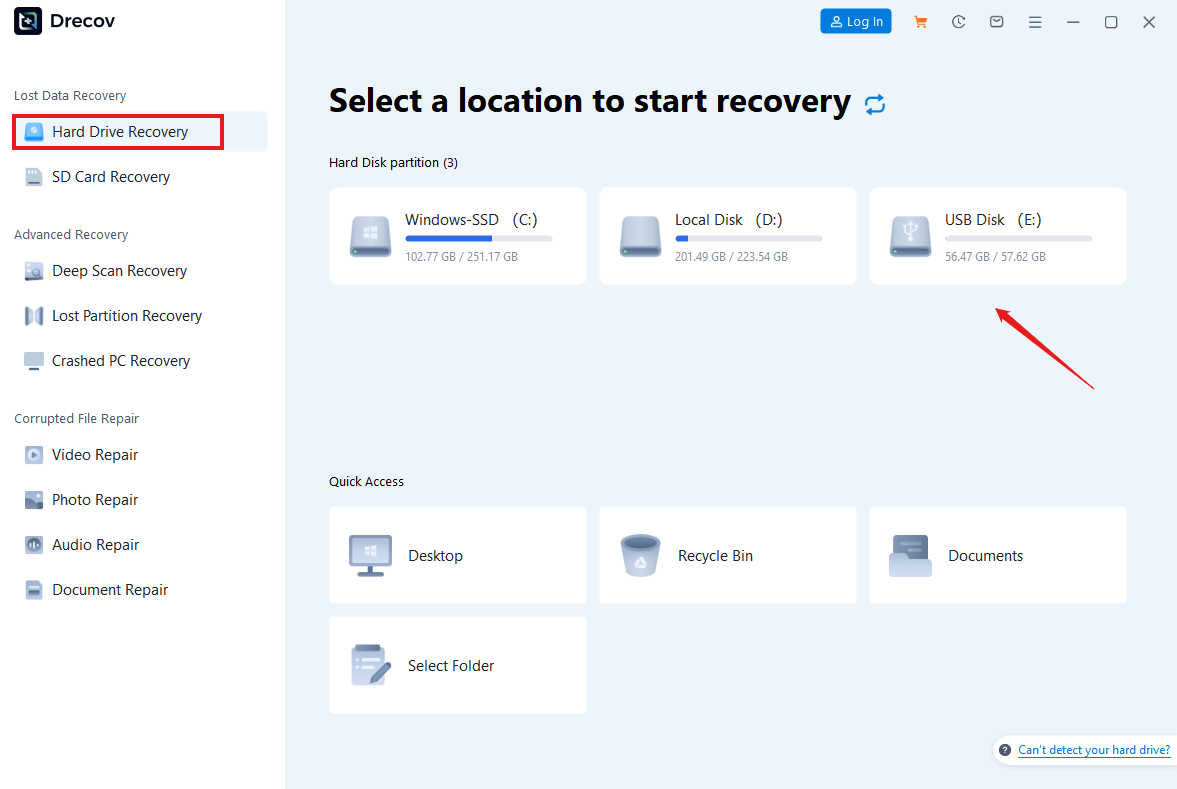
- Install and open Pandaoffice Drecov on the computer.
- Select the drive where the attachment was stored.
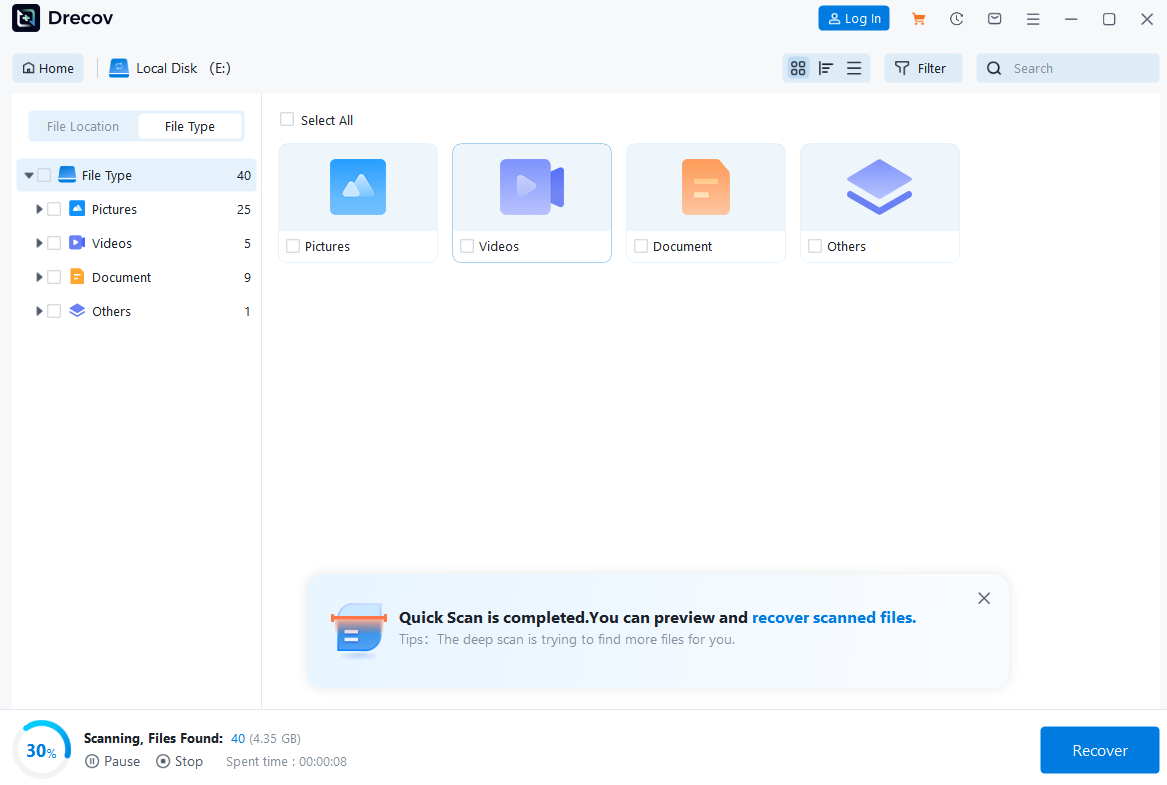
- Start a quick scan to locate deleted files.
- Run a deep scan if the file is not immediately found.
- Preview the detected files.
- Select the attachment and restore it to another drive.
Professional recovery tools can scan disk sectors and identify file fragments that remain on the drive even after deletion.

Why Choose Pandaoffice Drecov?
When it comes to recovering lost or deleted files, reliability, speed, and ease of use are paramount. Pandaoffice Drecov stands out as a comprehensive solution for individuals and businesses alike, offering a seamless experience for data recovery. Whether you’ve accidentally formatted a USB drive or lost crucial documents, this software ensures your files are back in your hands quickly and safely.
With Formatted USB Drive Recovery, Drecov effortlessly restores files from drives that have been reformatted, protecting important data from permanent loss. Its advanced scanning engine also excels at Word Document Recovery, retrieving unsaved or deleted documents without compromising formatting or content. For office users, Deleted PowerPoint Recovery and Excel Recovery Files are equally straightforward, letting you recover presentations and spreadsheets critical for work or study.
Beyond individual file types, Drecov covers broader recovery needs. Its Recycle Bin Recovery Software feature allows you to restore files emptied from the Recycle Bin, ensuring that even accidental deletions don’t result in permanent loss. The software’s intuitive interface guides users through each step, making complex recovery processes simple, even for those with minimal technical experience.
Security is another cornerstone of Pandaoffice Drecov. All recovery processes are read-only, meaning your original data remains untouched while the software works to restore files. The high success rate and compatibility with multiple storage devices—from USB drives to external hard drives—make Drecov a versatile tool for any data recovery scenario.
This method does not recover the email directly from Gmail servers, but it can restore important attachments that were downloaded and later removed from the computer.
Using reliable data recovery tools can significantly increase the chances of retrieving important files that originated from Gmail messages.
⚠️ Warning: Avoid installing recovery software on the same drive where the deleted attachment was stored.
Frequently Asked Questions About Gmail Email Recovery
Can Permanently Deleted Gmail Emails Be Recovered?
In many cases, permanently deleted emails cannot be restored through standard Gmail features. Once messages are removed from the Trash folder and the retention period expires, they are usually erased from the account.
However, users may attempt recovery using the Gmail message recovery request tool. If the deletion occurred recently or was caused by unauthorized access, Google may be able to restore the lost messages.
How Does Recovery Email Help Restore Gmail Accounts?
A recovery email for gmail acts as a backup contact method that allows Google to verify account ownership. When users forget their password or lose access to their account, Google can send a verification code to the backup email address.
This allows users to recover gmail with recovery email and regain access to their inbox.
Why Are Emails Missing Even Though They Were Not Deleted?
Emails may appear missing for several reasons, including filtering rules, archiving, synchronization problems, or spam filtering. In many situations, the emails still exist in another folder.
Using Gmail search tools or checking folders such as Spam and All Mail can often locate the missing messages.
How Can Users Prevent Gmail Email Loss?
The best way to protect important messages is to enable account security features and backup options. Adding a recovery email gmail address ensures that account access can be restored if login credentials are lost.
Users should also avoid suspicious links and regularly review account security settings.
Conclusion: Protecting and Recovering Your Gmail Emails
Gmail provides several built-in tools that help users retrieve missing messages and regain account access. Whether emails were accidentally deleted, filtered into other folders, or lost due to account security issues, there are multiple ways to perform gmail email recovery.
The simplest solutions often involve checking the Trash folder, searching the inbox using Gmail’s advanced search features, or restoring messages from Spam or Archive folders. In cases where users cannot access their accounts, the recovery email for gmail feature becomes essential for verifying identity and restoring access.
For more complex situations—such as recovering downloaded attachments that were deleted from a computer—professional recovery tools can help retrieve important files from storage devices.
Understanding the causes of email loss and the available recovery methods can significantly improve the chances of restoring valuable information. By maintaining updated account security settings and adding a backup recovery email gmail, users can better protect their Gmail accounts and ensure that important communications remain accessible in the future.






