







Last month, a friend called me in frustration after noticing that his desktop files had suddenly disappeared. He had recently tried to clean up his computer and started wondering, “should i delete onedrive?” Without fully understanding how it worked, he removed it from his system. Soon after, important work documents stopped syncing, and confusion followed. This situation is more common than you think. Many users feel unsure about cloud storage tools, especially when they seem to take up space or sync files automatically. The question “should i delete onedrive” often comes from a place of uncertainty, not technical knowledge. Before making that decision, it’s important to understand what OneDrive does, how it affects your files, and what happens if you remove it. Making an informed choice can save you time, stress, and potentially lost data.
Understanding OneDrive and Its Core Features
OneDrive is Microsoft’s built-in cloud storage service that comes integrated with Windows 10 and Windows 11. It allows users to store files in the cloud and sync them across devices. When you sign into Windows with a Microsoft account, OneDrive typically activates automatically and begins syncing folders like Desktop, Documents, and Pictures. This seamless integration often leads users to ask, “should i delete onedrive,” especially if they prefer local storage only.
OneDrive offers features such as file version history, real-time collaboration, automatic photo backup, and secure cloud storage. It stores files in the directory C:\Users\YourUsername\OneDrive and syncs them to Microsoft’s servers. The system tray icon allows easy access to settings, and users can pause syncing at any time. While some find these features helpful, others feel they do not need constant cloud synchronization. Understanding these features helps you evaluate whether keeping or removing OneDrive aligns with your workflow and storage preferences.
Common Reasons People Ask, “Should I Delete OneDrive?”
The question “should i delete onedrive” usually arises from specific frustrations. One common reason involves storage concerns. Users may notice that OneDrive consumes disk space, especially when files are downloaded for offline access. Others feel annoyed by automatic syncing, particularly when large files upload in the background and affect internet speed.
Another reason involves privacy concerns. Some users prefer storing sensitive files only on local drives instead of cloud servers. Additionally, duplicate folders can create confusion. For example, you might see both a local “Documents” folder and a OneDrive-synced “Documents” folder. This duplication often leads to misplaced files. Finally, startup performance can play a role. Since OneDrive launches automatically with Windows, some users believe uninstalling it might improve system speed. However, before deciding “should i delete onedrive,” it’s essential to understand the consequences of doing so.
What Happens If You Remove OneDrive from Your PC
When users ask “should i delete onedrive,” they often assume that uninstalling it simply removes the app. In reality, the outcome depends on your sync settings. If your Desktop, Documents, or Pictures folders were backed up to OneDrive, uninstalling it may stop synchronization but will not immediately delete cloud files. However, local files stored only in the OneDrive folder could become inaccessible if not moved properly.
Uninstalling OneDrive in Windows 11 can be done by pressing Windows + I, navigating to Apps > Installed apps, locating Microsoft OneDrive, and selecting Uninstall.
In Windows 10, the path is Settings > Apps > Apps & features. After removal, syncing stops, but your files remain in your online OneDrive account at https://onedrive.live.com.
If you unlink your account instead of uninstalling, files remain on your computer but stop syncing. Understanding these distinctions helps you decide wisely. The question “should i delete onedrive” becomes less risky when you know exactly what changes after removal.
Understanding Data Deletion and Recovery Principles
Many people who ask “should i delete onedrive” worry about losing files. When you delete files from OneDrive, they move to the OneDrive Recycle Bin online, where they remain for up to 30 days for personal accounts. If you delete files locally from the synced folder, they also disappear from the cloud. However, they usually remain recoverable within that retention period.
From a technical standpoint, deleting a file does not instantly erase it from the storage device. The system simply marks the space as available for reuse. Until overwritten, data recovery software can scan the disk and reconstruct those files. This principle applies to both local drives and OneDrive cache data stored in C:\Users\YourUsername\AppData\Local\Microsoft\OneDrive.
Understanding this mechanism is critical before answering “should i delete onedrive.” Even if files seem gone, recovery remains possible in many cases, especially if you act quickly and avoid writing new data to the drive.
Step-by-Step Guide to Uninstall OneDrive Safely
If you’ve carefully considered the question “should i delete onedrive” and decided to proceed, follow these steps to avoid data loss.
- Step 1: Backup Important Files
- Open File Explorer with Windows + E and navigate to your OneDrive folder at
C:\Users\YourUsername\OneDrive. Copy essential files to another local drive or external storage.
- Open File Explorer with Windows + E and navigate to your OneDrive folder at
- Step 2: Unlink Your Account
- Click the OneDrive cloud icon in the system tray, select Settings, then choose Account > Unlink this PC. This prevents further syncing.
- Step 3: Uninstall OneDrive
- Go to Settings > Apps > Installed apps, find Microsoft OneDrive, and click Uninstall. Confirm the removal. For advanced users, you can also run
taskkill /f /im OneDrive.exein Command Prompt before uninstalling.
- Go to Settings > Apps > Installed apps, find Microsoft OneDrive, and click Uninstall. Confirm the removal. For advanced users, you can also run
Following these steps ensures that your files stay safe while you remove the application properly.
Emergency Data Recovery with PandaOffice Drecov
If you deleted files accidentally while deciding “should i delete onedrive,” immediate action is essential. PandaOffice Drecov offers a powerful recovery solution designed for both beginners and professionals. Its Deep Scan feature thoroughly analyzes storage sectors, including deleted OneDrive cache files.
- Step 1: Install and Launch PandaOffice Drecov
- Download the latest version from the official website and install it on a different drive to avoid overwriting lost data.

- Step 2: Select the Target Drive and Run Deep Scan
- Choose the drive where OneDrive data was stored and activate Deep Scan mode. This function searches hidden and fragmented data.
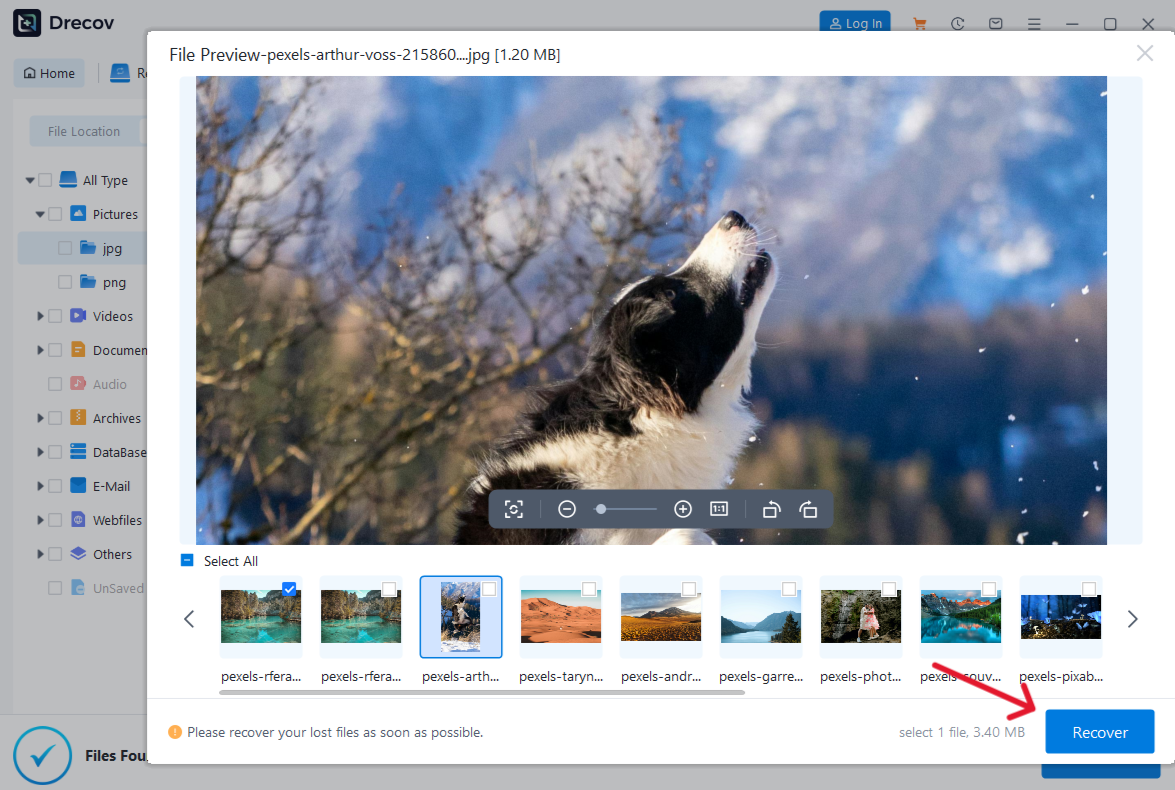
- Step 3: Preview and Recover Files
- After scanning, preview recoverable files and restore them to a secure location. Deep Scan can retrieve even permanently deleted local cache data.
Using reliable recovery software minimizes panic and increases your chances of successful restoration.For a deeper dive into expert-level techniques, we recommend checking out our ultimate resource: [Recover Deleted Files on OneDrive: A Comprehensive Guide].
Can I Delete OneDrive FAQs
1. Will I lose my files if I uninstall the OneDrive app?
Expert Answer: No. Uninstalling the app only removes the synchronization tool from your computer. It does not delete the files stored in your cloud account at OneDrive.com.
- The Details: Files you previously marked as “Always keep on this device” stay safely on your hard drive. However, any “Online-only” files (those with the blue cloud icon) will disappear from your local folders. You can still access these files anytime by logging into the OneDrive website.
2. Why did my desktop icons disappear after I deleted the OneDrive folder?
Expert Answer: This happens because OneDrive’s “Folder Backup” feature moved your default Desktop, Documents, and Pictures folders inside the OneDrive directory.
- The Logic: When you delete the OneDrive folder, you are effectively deleting the “home” of your desktop. To fix this, you must go into OneDrive Settings and turn off Backup for those specific folders before you try to remove the software. This tells Windows to point your desktop back to your local user profile instead of the cloud path.
3. Can I keep my files on my PC without uploading them to OneDrive?
Expert Answer: Yes, absolutely. To do this, you need to move your files out of the “OneDrive circle of influence.”
- How to do it: Simply create a new folder directly on your
C:orD:drive (for example,C:\Local_Storage). Any file you place inside this new folder stays strictly local. OneDrive only syncs files that sit inside its specific folder or the folders you have explicitly told it to back up.
4. What is the safest way to stop using OneDrive without losing data?
Expert Answer: Never start by clicking “Delete.” Instead, follow this “Unlink, Move, Uninstall” workflow:
- Unlink This PC: Open OneDrive Settings > Account and click “Unlink this PC.” This cuts the connection between your computer and the cloud.
- Move the Files: Open your local OneDrive folder. Copy your files and paste them into a neutral local folder (like your “Downloads” or a custom folder).
- Uninstall: Now that your files are safely stored outside the sync path, you can safely uninstall the app via the Windows Settings menu.
Conclusion
The question “should i delete onedrive” does not have a one-size-fits-all answer. It depends on how you use your computer, your storage preferences, and your comfort with cloud technology. OneDrive provides convenience and automatic backup, but it may feel unnecessary for some users. Before uninstalling, understand how syncing works, back up critical files, and know your recovery options. With the right knowledge and preparation, you can make a confident decision that protects your data and suits your workflow.






