







Losing critical files due to accidental deletion, system crashes, or formatted drives can be an incredibly stressful experience. Fortunately, specialized data recovery utilities exist to salvage your missing documents, photos, and videos from the brink of permanent loss. For years, many users have turned to recuva as their go-to application for retrieving lost information. However, the data recovery landscape has evolved significantly, and newer alternatives now offer more robust algorithms for modern storage devices.
In this comprehensive guide, we will analyze how to use traditional recovery tools effectively. Furthermore, we will introduce PandaOffice Drecov data recovery software, a powerful, modern alternative designed to handle complex data loss scenarios that older utilities might miss.
Understanding the Basics of Recuva
Data recovery software works by scanning your storage media for files that have been marked as deleted but whose physical data still resides on the drive sectors. When you delete a file, the operating system simply removes its pointer and marks the space as available for rewriting.
Common Data Recovery Challenges
Users frequently encounter several hurdles when attempting to rescue their files:
- Overwritten Data: If you continue using a drive after file loss, new data may overwrite the old sectors, making recovery impossible.
- Solid-State Drive SSD Trim Commands: Modern SSDs use a command called TRIM that actively wipes deleted data sectors, making recovery much more difficult than on traditional hard drives.
- File Fragmentation: Large files scattered across different physical sectors are harder for basic tools to piece back together.
Introducing PandaOffice Drecov Data Recovery Software
To overcome these modern limitations, PandaOffice Drecov data recovery software provides an advanced alternative with deeper scanning capabilities. It supports a wide array of file systems including NTFS, FAT32, exFAT, and APFS, ensuring compatibility across various devices.
⚠ Warning: Install it on a drive different from the one where your data was lost to prevent overwriting.
Whether you need to know where Firefox bookmarks are stored on your PC to rescue browser data, or you need a complete guide to Toshiba hard disk data recovery, this software offers tailored scanning algorithms for specific hardware and software configurations.
Step-by-Step Data Recovery
While the recuva free version serves as a popular, budget-friendly starting point for basic file deletion, it often falls short when tackling complex storage failures. For instance, it frequently struggles or completely fails to recognize RAW partitions, unreadable storage media, or severely damaged file systems. When basic tools leave your data stranded, switching to an enterprise-grade utility is the most reliable way to salvage your files.
Fortunately, PandaOffice Drecov data recovery software bridges this gap by deploying cutting-edge raw signature scanning to piece your lost files back together. Follow this precise, step-by-step method to safely and efficiently recover your invaluable data:
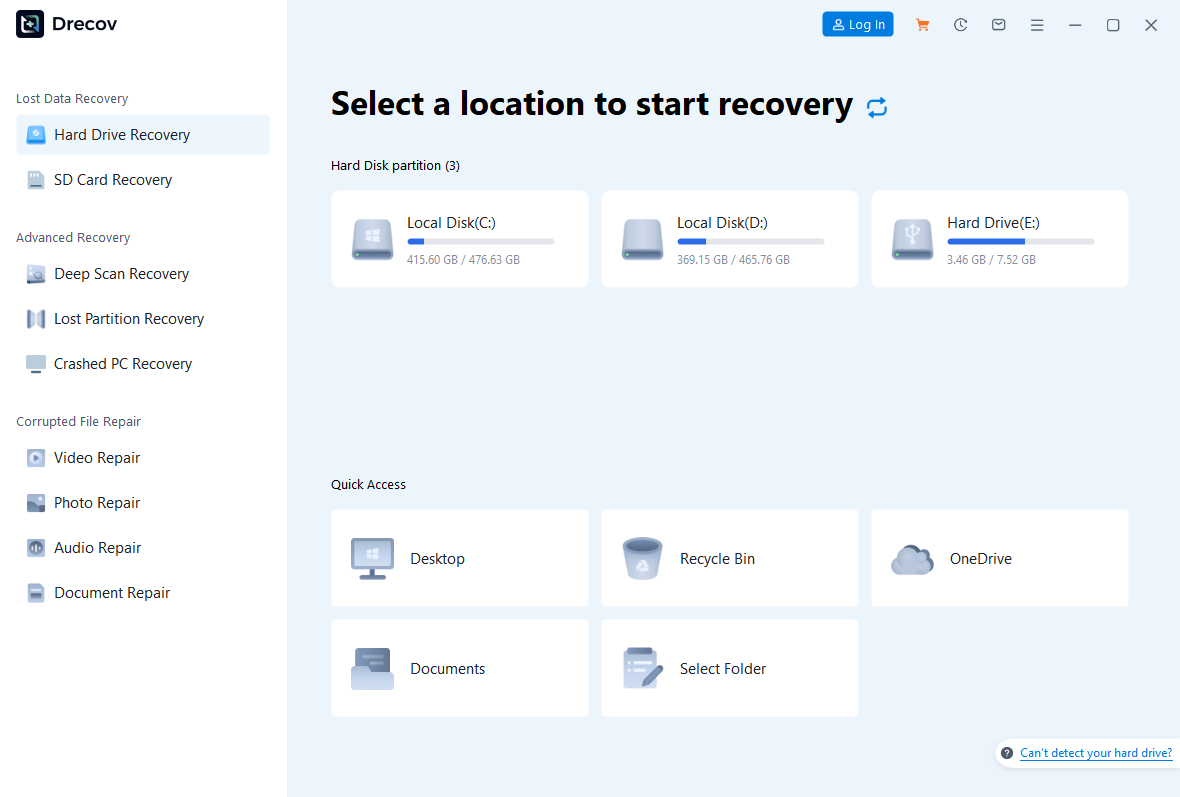
Step 1: Select the Target Location
Launch the application to view the main dashboard. Select the specific drive partition, external USB drive, or folder where your files were originally stored before deletion.
Step 2: Run the Scan
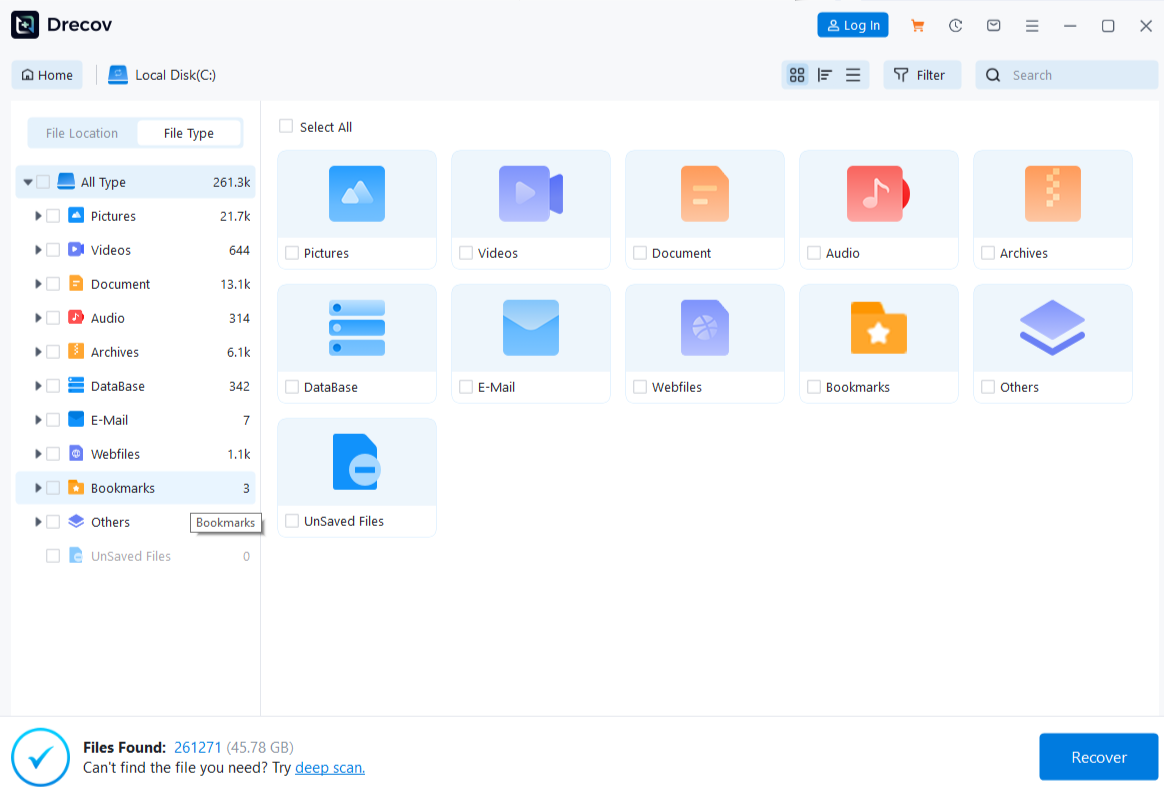
Click the scan button to initiate a sector-by-sector analysis. The software will run a quick scan followed automatically by a deep scan to unearth heavily fragmented files.
Step 3: Preview and Restore Files
Browse the listed categories or use the search bar to locate your missing items. Check the boxes next to your target files, click the recovery button, and choose a safe saving destination on an external storage medium.
Crucial Warning: Never save recovered files back onto the exact same drive partition they were lost from, as this action permanently destroys remaining unrecovered data.
Alternative or Complementary Methods
If you are evaluating different tools, comparing a traditional recuva free download against advanced alternatives will help you choose the right approach for your specific data emergency.
| Recovery Solution | Best Used For | Pros | Cons |
| Recuva Free | Quick, accidental deletions on older magnetic hard drives. | Lightweight, completely free version available, simple user interface. | Limited success with modern SSDs, struggles with deeply corrupted partitions. |
| PandaOffice Drecov | Comprehensive recovery from crashed systems, RAW drives, and modern SSDs. | High recovery success rate, raw file signature scanning, previews before saving. | Deep scanning requires more time on high-capacity drives. |
| Windows File Recovery | Command-line recovery for advanced system administrators. | Built directly into Windows 10 and 11 by Microsoft. | No graphical user interface, requires complex command syntax. |
For physical drive errors or structural corruption, manual troubleshooting is required before running any software. For instance, learning how to repair corrupted USB flash drive without losing data via built-in system tools like CHKDSK can sometimes stabilize a drive enough for recovery utilities to read it properly.
Tips & Best Practices for Data Recovery
Achieving maximum recovery success requires strict adherence to technical best practices.
Optimizing Recovery Success
- Stop using the affected storage device immediately to eliminate the risk of data overwriting.
- Run recovery software from a portable USB drive if you are trying to rescue files from your primary C drive.
- Use raw signature scans if the standard file system directory structure is completely destroyed.
Avoiding Common Pitfalls
Many users mistakenly try to fix partition errors by formatting the drive when prompted by Windows. Formatting creates a fresh file system structure, which complicates the recovery process significantly. Meanwhile, avoid using cheap, unverified recovery applications found online, as they may contain malware or write hidden cache files over your lost data.
For those tracking technical references, the official documentations on data management can be found via trusted portals like the Microsoft Support and Learn Network.
Frequently Asked Questions
Is there a completely free version of recuva?
Yes, a recuva free version is available for download from its official website. It includes standard file recovery features but lacks virtual hard drive support, automatic updates, and premium customer support.
Where can I safely get the recuva free download?
You must always download the installer directly from the official CCleaner website. Avoid third-party mirror sites because they often bundle unwanted adware or outdated, insecure versions of the software.
How does software recuva file recovery compare to Drecov?
The traditional software recuva file recovery tool is excellent for basic, recently deleted files on standard formats. However, PandaOffice Drecov data recovery software utilizes more modern reconstruction logic, making it far superior for severe partition damage, RAW drives, and newer solid-state storage.
Can I use recuva data recovery software for pc on external drives?
Yes, you can deploy recuva data recovery software for pc on external hard drives, USB flash drives, and camera SD cards. The drive must be physically recognized by Windows Disk Management with a designated drive letter for the software to scan it.
Why should I choose PandaOffice Drecov data recovery software over older utilities?
PandaOffice Drecov features advanced deep-scanning algorithms that bypass file system limitations. Consequently, it can identify and reconstruct over one thousand distinct file types even when the drive directory map is completely missing.
Conclusion
Securing your digital assets demands a reliable toolkit and a cautious approach. While traditional utilities like recuva serve as excellent baseline options for simple mishaps, shifting to specialized solutions like PandaOffice Drecov data recovery software provides the technological edge necessary to handle complex, modern file loss scenarios. Always prioritize immediate isolation of the affected drive, use external storage for recovery destinations, and maintain routine backups to safeguard your data against future emergencies.






