







A Lenovo laptop problem with screen can look like a black screen, blank screen, flickering display, dim image, green tint, external monitor issue, or display that works only sometimes. The screen problem may be simple, but the data on the laptop can still be at risk if you reset, reinstall Windows, or send the device for repair without backup.
This guide is for users who need both troubleshooting and file safety. It explains what to check first, how to avoid risky repair actions, and when to use PandaOffice Drecov to recover files before deeper repair.
Quick Answer for Lenovo Laptop Problem With Screen
First, decide whether the laptop is running. Look for power lights, fan noise, keyboard backlight, or sound. If the device is on but the screen is blank, try safe display troubleshooting before reset.
Second, protect important files before reinstalling Windows, factory resetting, replacing the drive, or sending the laptop for service. If the screen problem blocks access, recover files from the storage device first when possible.
Microsoft notes that blank screens in Windows can happen at startup, after login, after updates, or with a cursor. Lenovo also documents black screen troubleshooting steps for some models. This means a screen issue is not always a broken display, but data safety should still come first.
How to Evaluate Lenovo Screen Issues and Data Risks
Different display issues carry varying levels of threat to your files. Use the diagnostic breakdown below to match your specific screen symptom with its potential cause, determine your data risk level, and identify the safest immediate action to take.
| Situation | Possible cause | First safe action | Data risk |
|---|---|---|---|
| Black screen with power lights | Driver, sleep, display output, hardware | Try display reset shortcut | Medium |
| Screen works on external monitor | Built in panel or cable issue | Back up files | Medium |
| Screen flickers or shows green tint | Driver, cable, panel, graphics | Back up before repair | Medium |
| Laptop asks for recovery or reset | Windows issue | Recover files first | High |
| Drive errors appear with screen problem | Storage issue | Stop and recover data | Very high |
| No power at all | Power or board issue | Seek repair and protect drive | High |
If files matter, do not start with factory reset. A reset may remove data or write over deleted files.
Method 1 Try Safe Screen Checks First
Begin with checks that do not erase data. These steps help identify whether the Lenovo laptop problem with screen is display related, software related, or storage related.
Wake or Refresh the Display
Press the Windows logo key, Ctrl, Shift, and B together. Lenovo support references this shortcut for certain black screen situations, and Microsoft also uses display troubleshooting paths for blank screens.
If the screen flashes or returns, save your work and back up important files right away. The problem may return until drivers or updates are fixed.
Check Brightness and External Display
Increase brightness using the keyboard keys. Connect an external monitor or TV with HDMI or USB C if available.
If the external display works, the laptop may still be usable long enough to back up data. Copy important files before opening the device or reinstalling software.
Disconnect Accessories
Remove docks, USB devices, external drives, and displays. Restart the laptop with only power connected.
A faulty accessory or display output setting can cause a blank screen. If the laptop starts normally, reconnect devices one by one.
Method 2 Recover Files with PandaOffice Drecov
Use PandaOffice Drecov when files are missing, deleted, trapped on an inaccessible Lenovo drive, or at risk before reset or repair. It can recover data from PCs, hard drives, SSDs, USB drives, SD cards, and external drives.
⚠ Warning: Install it on a drive different from the one where your data was lost to prevent overwriting.
If you can access Windows through an external display, recover files before making system changes. If the laptop cannot display anything, you may need professional help to access the drive safely.
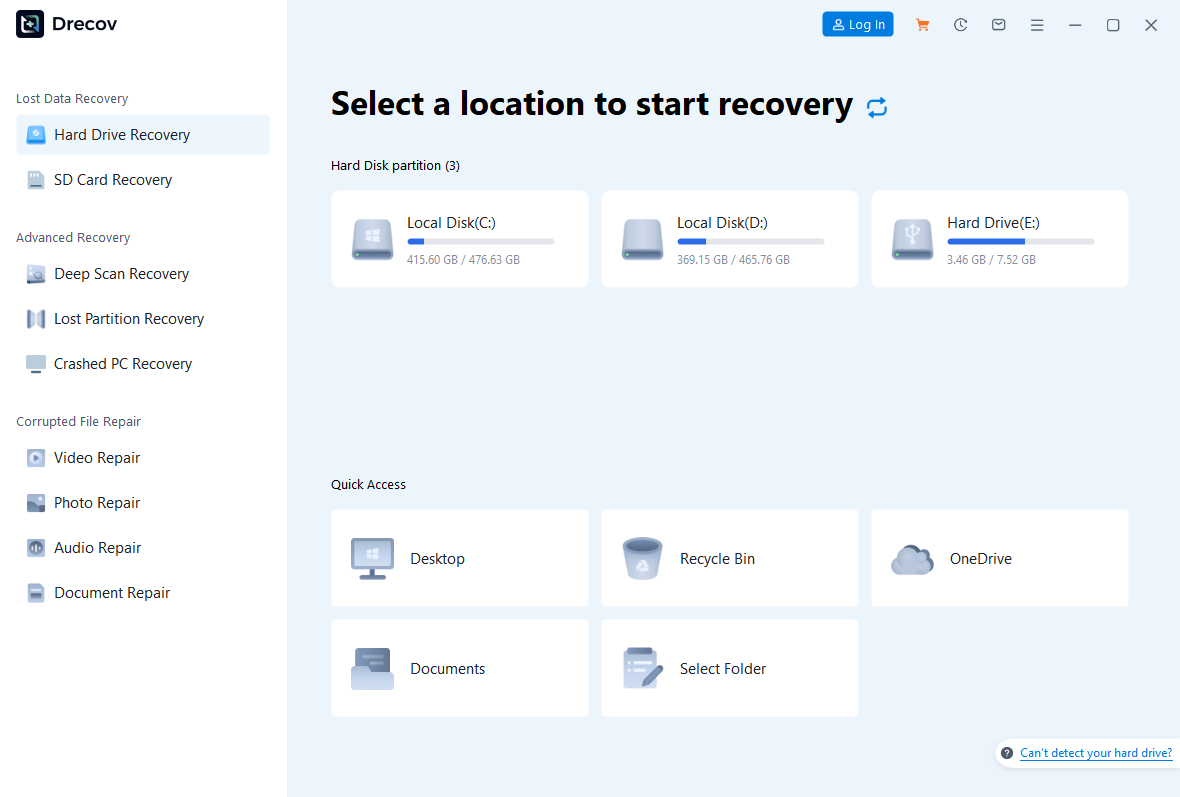
- Step 1. Open PandaOffice Drecov and choose the location or path where the files were lost. Select the Lenovo laptop drive, user folder, partition, or connected storage device.
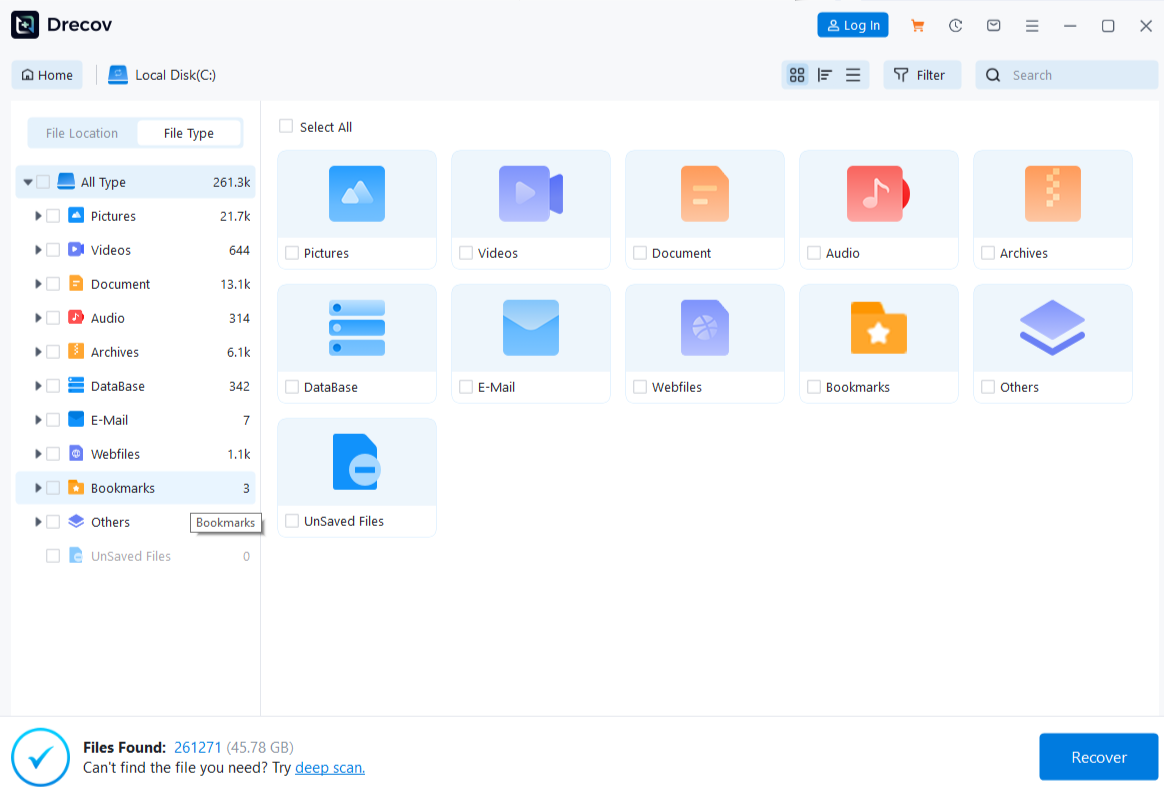
- Step 2. Start scanning that location. Use Quick Scan for recent deletion and Deep Scan for formatted, inaccessible, RAW, or older missing files.
- Step 3. Filter, search, and preview the files you want to restore. Check documents, photos, videos, archives, and project folders first.
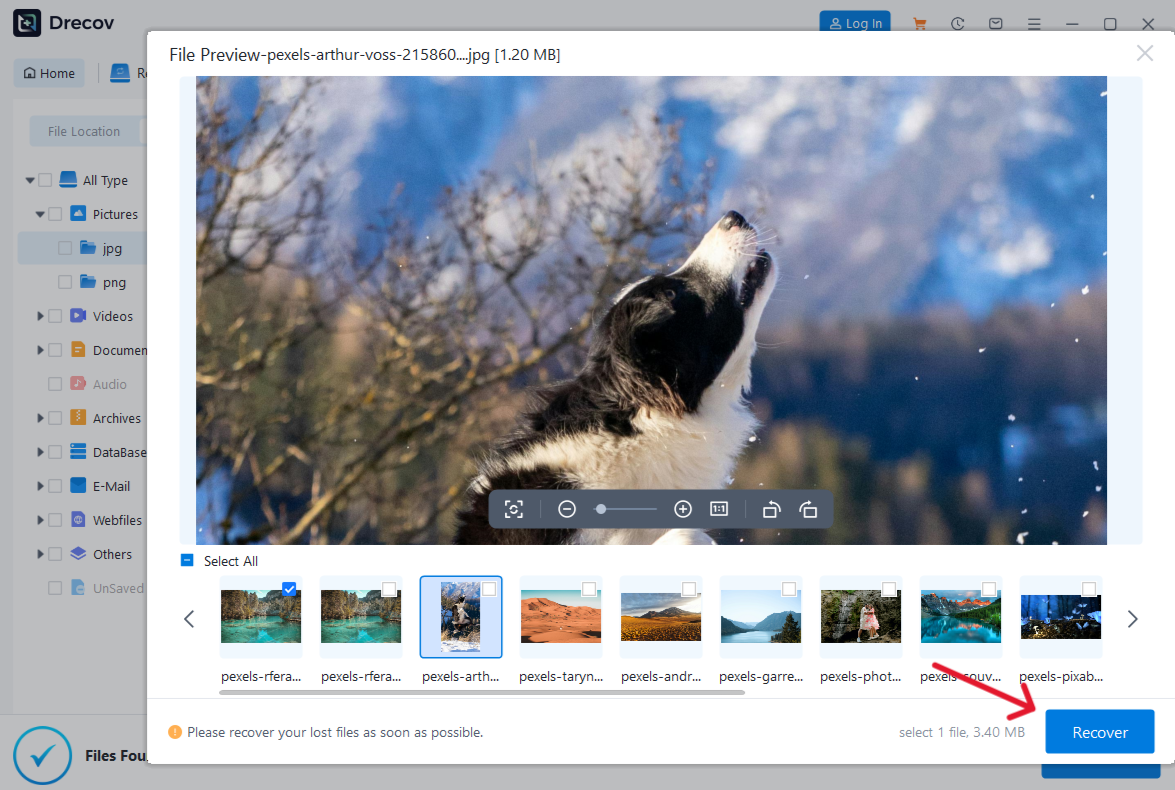
- Step 4. Click Recover and save files to a different drive.
Do not save recovered files back to the original drive. This can overwrite data that may still be recoverable.
After recovery, if the files are not restored to the original lost folder, open the selected recovery location. Look for a folder named Drecov or Recovery to find the recovered files.
For more recovery details, see file recovery tool and recover deleted files.
Method 3 Fix Software Causes After Files Are Safe
Once your critical data is securely backed up or fully recovered, you can safely proceed with deeper software troubleshooting. Isolating the system issues behind a blank or malfunctioning display allows you to resolve the problem without risking accidental file deletion.
Update Windows and Display Drivers
If the screen returns, run Windows Update and install Lenovo recommended drivers for your model. Driver conflicts after updates can cause blank or unstable screens.
Use Lenovo support tools or the official support site for model specific drivers. Avoid random driver sites.
Try Safe Mode
Safe Mode starts Windows with basic drivers. If the screen works in Safe Mode, the issue may involve a driver, startup app, or recent update.
From there, you can uninstall recent display drivers, remove problem apps, or run system checks. Back up files first if you have not already.
Avoid Reset Until Data Is Protected
Reset can be useful when Windows is badly damaged, but it is not the first step for a screen issue. If you choose reset, understand whether it keeps files or removes everything.
Use reset only after backup or recovery. If the screen problem hides a storage failure, reset may fail and make recovery harder.
When the Screen Problem May Signal Hardware Trouble
Some symptoms point beyond software.
- The display changes when the lid moves.
- The external monitor works but the internal screen stays blank.
- The screen shows lines, color blocks, or flicker before going black.
- The laptop overheats and shuts down.
- The device has liquid or drop damage.
- The drive also clicks, disappears, or reports errors.
If hardware trouble is likely, protect data before repair. Some repair workflows replace or erase drives. Ask the repair provider how data will be handled before handing over the laptop.
Tips to Protect Data During Screen Troubleshooting
Screen repairs can become data loss cases if users reset too early.
- Back up files as soon as the display works.
- Use an external monitor to copy data if possible.
- Do not factory reset before backup.
- Do not run disk repair tools before recovering missing files.
- Save recovered data to another drive.
- Keep passwords and encryption keys available.
- Tip: Check Documents, Desktop, Downloads, Pictures, and Videos.
- Recover project folders before driver experiments.
- Keep the Drecov or Recovery folder until every file opens.
- Ask repair shops not to erase the drive unless you approve.
For official troubleshooting, see Microsoft Support on blank screens in Windows and Lenovo guidance on black screen issues.
How to Work Around the Screen Long Enough to Save Files
If the Lenovo screen is unreliable but the laptop still runs, use the shortest safe path to backup. Do not spend hours testing drivers before saving important files.
Try an external monitor first. If it works, copy the most important folders to an external drive. Focus on Desktop, Documents, Downloads, Pictures, Videos, and active project folders.
If the screen appears only for a few minutes, prepare the external drive before turning the laptop on. Then copy priority files immediately.
If you can start Safe Mode and see the screen, use that time to back up files. Safe Mode is for troubleshooting, but it can also help you access data before repair.
If nothing displays and the files are important, avoid factory reset. Ask a technician to help access the drive without erasing it.
FAQ About Lenovo Laptop Problem With Screen
Can Lenovo laptop problem with screen cause data loss
The screen itself may not delete files, but reset, repair, reinstall, or drive failure during troubleshooting can put data at risk.
What should I do first if my Lenovo screen is black
Check power, try the display reset shortcut, connect an external monitor, and back up files if the laptop becomes usable.
Should I reset Windows to fix a Lenovo screen problem
Not first. Try safer display and driver checks. Recover or back up data before reset.
Can PandaOffice Drecov recover files from a Lenovo laptop
Yes, it can help recover deleted or lost files from local drives and connected storage when the data has not been overwritten.
What if the external monitor works
Use the external monitor to back up important files. Then troubleshoot the internal display, cable, driver, or panel.
Conclusion
A Lenovo laptop problem with screen can be a display issue, driver issue, Windows issue, or hardware problem. The safest path is to protect data before deeper repair. Try simple display checks, use an external monitor if possible, and back up files immediately.
If files are missing or the laptop needs reset or repair, use PandaOffice Drecov to recover important data first. Save recovered files to another drive, verify them, and then continue with troubleshooting.






