







System boot failures or the sudden need to reinstall an operating system can be incredibly stressful. When your computer refuses to load normally, knowing the correct hp boot menu key is the ultimate first step to regaining control. This specific key allows you to bypass the standard startup sequence and boot from external devices, change configuration settings, or run critical hardware diagnostics.
However, interrupting the system boot sequence can sometimes lead to unexpected errors, system crashes, or data loss. If you find your data compromised during a system failure, utilizing an advanced tool like PandaOffice Drecov data recovery software is highly recommended to retrieve your vital files.
Understanding the Basics of the HP Boot Menu Key
The hp boot menu key is a designated keyboard shortcut that you must press immediately after turning on your computer. This action opens a temporary menu displaying a list of all available bootable devices, such as internal hard drives, solid-state drives, or external flash storage.
Why You Need the Boot Menu
Users frequently look up how to access this menu when trying to learn how to start an hp laptop from an alternative source. For example, you might need to use the boot menu key for hp systems to run a clean installation of Windows, test a live Linux environment, or execute a system recovery tool.
Common Challenges with Boot Keys
- The Timing is Too Tight: Modern laptops utilize Fast Startup, making the boot window incredibly brief.
- Key Confusion: Users often confuse the configuration screen with the temporary boot device selection menu.
- Unresponsive Hardware: A frozen system might refuse to acknowledge keyboard inputs during the initial Power-On Self-Test phase.
Introduction to PandaOffice Drecov
If improper boot modifications or sudden system crashes cause accidental drive formatting, PandaOffice Drecov provides a dependable remedy. PandaOffice Drecov is an industry-grade file restoration utility designed to scan deep within corrupted storage partitions. Furthermore, it works flawlessly across mechanical hard drives, modern solid-state drives, and flash drives.
You can deploy this application in numerous scenarios, including accidental partition deletion, severe malware corruption, or unexpected blue screen errors. For instance, if you encounter an unexpected system malfunction while managing specialized gaming libraries, you can read this Steam no licenses error fix guide to help resolve software conflicts.
⚠ Warning: Install it on a drive different from the one where your data was lost to prevent overwriting.
How to Fix HP Boot Menu Key Issues & Recover Lost Data
Configuring an HP machine to load an operating system from external media requires precise timing and execution. Fortunately, standardizing your startup routine helps eliminate errors. Below are the definitive strategies to bypass startup locks, adjust your system configuration, and safely rescue compromised files using PandaOffice Drecov.
The Ultimate HP Hardware Hotkey Reference
To access your system architecture efficiently, utilize the specific shortcuts outlined below during the initial power-on phase.
| Action Required | Desktop Hotkey | Laptop Hotkey | Alternative Method |
| Access Temporary Boot Menu | F9 | F9 or Esc then F9 | Hold Shift while clicking Restart |
| Enter BIOS Configuration | F10 | F10 or Esc then F10 | Advanced Startup Settings |
| Run System Diagnostics | F2 | F2 | Esc then F2 |
Method 1: Accessing the Boot Options Screen Manually
This strategy outlines the physical process required to successfully change your startup drive configuration.
Step 1: Power Down the Machine
Shut down your laptop completely. Ensure the power indicator light is entirely off before proceeding.
Step 2: Insert Your External Media
Plug your bootable flash drive into a high-speed USB port.
Step 3: Trigger the Startup Interrupt
Press the power button. Immediately begin tapping the Esc key repeatedly until the Startup Menu appears on your screen.
Step 4: Choose the Correct Function Key
Press F9 to load the dedicated selection interface.
Step 5: Select Your Target Storage Device
Use the arrow keys to highlight your preferred external storage drive, then press Enter to execute the command.
Method 2: Recovering Lost Data Using PandaOffice Drecov
Interrupting a startup sequence can occasionally corrupt storage partitions or render files unreadable. Fortunately, you can salvage missing documents, photos, and system files quickly. If your storage drive becomes inaccessible during firmware modifications, execute these straightforward recovery steps to reclaim your data.
Step 1: Connect the Compromised Storage Drive
Connect your external storage device or the affected hard drive to the computer running the software.

Step 2: Launch the Software and Select the Target Location
Open the application main interface. Select the exact drive letter or unallocated partition where your files were originally stored.
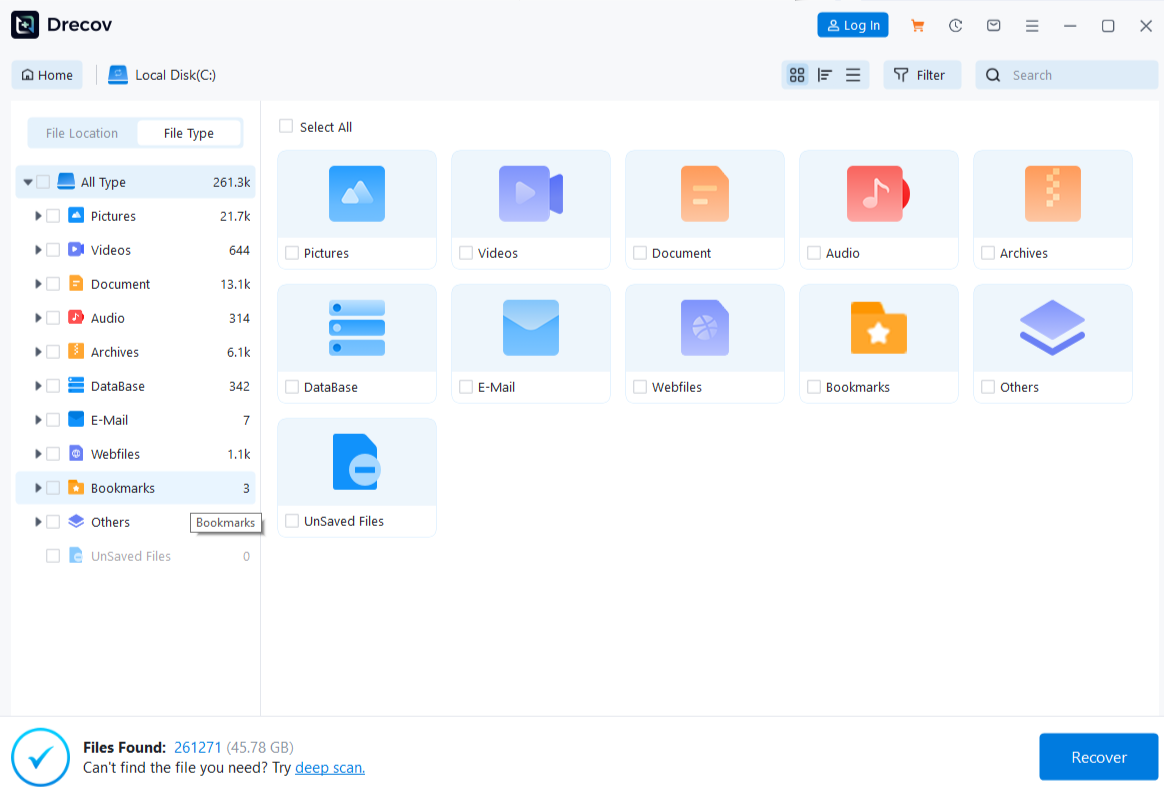
Step 3: Initiate a Full Deep Scan
Click the Scan button to begin an exhaustive sector-by-sector search. The software will locate missing documents, photos, and system files.
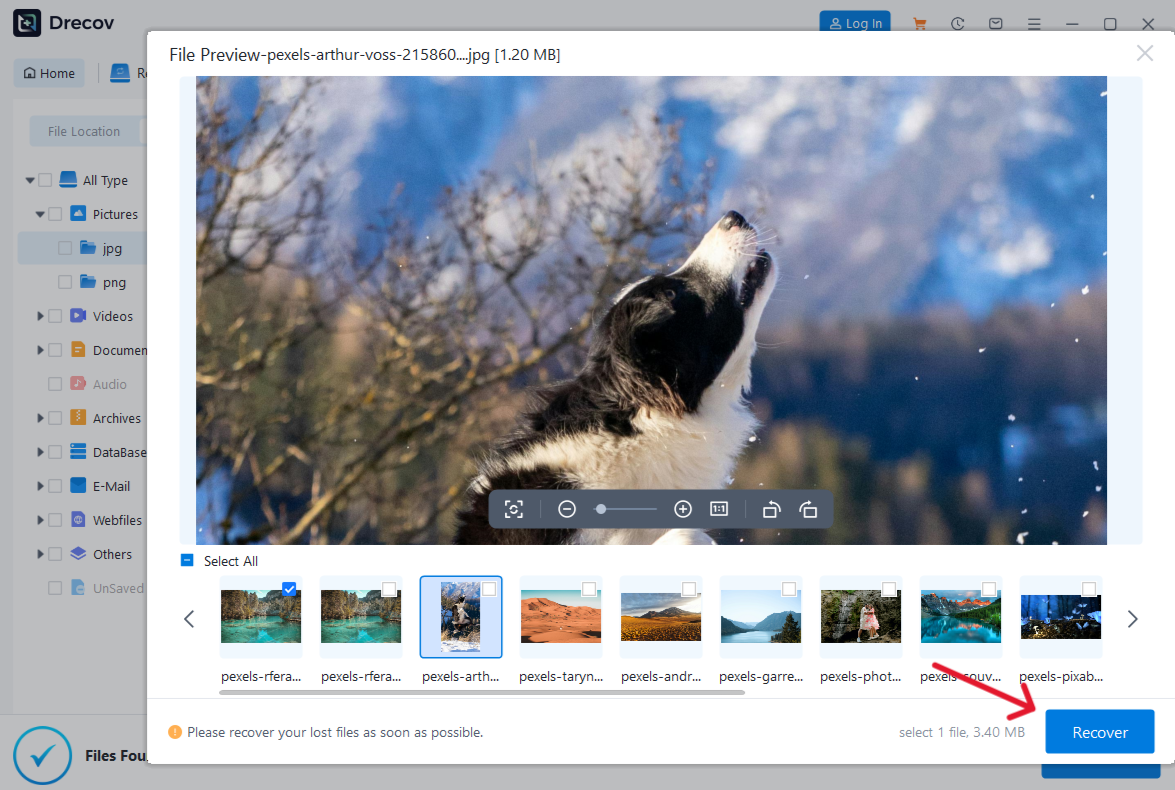
Step 4: Preview and Save Your Restored Files
Browse the listed categories of found files. Mark the checkboxes next to your critical data, then click Recover to save them to a secure location.
If you regularly use your storage drives to configure custom external setups, managing files properly is critical. You can learn more about formatting and managing external directories by reading this guide to install PS3 ISO games from USB.
Alternative Ways to Access the HP Boot Options Menu
When physical hardware keys fail to respond due to ultra-fast startup configurations, software-driven workarounds serve as excellent alternatives. These internal system paths allow you to bypass the traditional startup keyboard rush entirely. Consequently, you can force your machine to restart directly into the necessary recovery or device selection screens right from your desktop.
Windows Advanced Startup Menu
You can force your computer to load into the UEFI settings directly from the desktop environment. To do this, navigate to Settings, choose Update & Security, select Recovery, and click Restart Now under Advanced Startup. Consequently, the machine will bypass the standard startup phase and present a blue options menu where you can change firmware behaviors.
Comparing Methods
- Physical Keys: Fast and efficient, but require perfect manual timing.
- Windows Settings Path: Highly reliable and avoids timing issues, but requires a fully working operating system.
Tips & Best Practices for File Management
Maintaining your storage media properly ensures that configurations execute smoothly without data loss.
- Avoid Overwriting New Information: Stop saving files to a drive immediately after noticing data loss.
- Verify File System Compatibility: Ensure your external media uses the correct formatting standard, such as FAT32 or NTFS, so the system architecture can recognize it.
- Keep Your Recovery Tools Updated: Always use the latest version of PandaOffice Drecov to ensure compatibility with modern NVMe solid-state storage.
- Fix Network Interruptions Early: If your system struggles to fetch critical installation files or cloud assets, check your network protocols or consult this ChatGPT download error fix guide to resolve download blocks.
Frequently Asked Questions
What is the specific hp laptop boot into bios key?
The official key to open this firmware setup screen is F10. You must tap this key repeatedly the moment the power turns on to modify foundational system options.
How do you configure an hp boot from usb process?
Insert your bootable drive, turn on the computer, and tap F9 repeatedly. Once the menu populates, select the USB option from the list.
Why is the standard hp boot key not responding during startup?
This issue typically happens when Fast Startup is enabled within your operating system, which skips keyboard detection parameters. To fix this, hold down the Shift key while selecting the Restart option in Windows.
What should I do to ensure a flawless hp boot usb configuration?
Ensure your flash drive is configured using a GPT partition style for modern UEFI computers or an MBR style for older legacy hardware configurations.
Is the hp laptop boot from usb method safe for my internal files?
Changing your boot order will not delete your internal data. However, installing a new operating system onto the wrong partition will erase your files, which is why having PandaOffice Drecov ready is essential.
How can a user reliably boot from usb hp laptop configurations when screens remain black?
Connect an external monitor to determine if the computer is passing the initial self-test. If the display works externally, tap F9 to select your bootable media blind.
This interface acts as a temporary redirection manager, letting you choose an alternative startup drive for a single boot sequence without changing your permanent BIOS priority list.
How do you boot from usb on windows 10 without using keyboard shortcuts?
Open your Advanced Startup options through the Windows Settings menu, select Use a Device, and choose your connected flash drive from the list.
Conclusion
Mastering the hp boot menu key is vital for running diagnostics, updating system configurations, and executing clean software installations. While managing system changes can sometimes lead to unexpected errors, software utilities like PandaOffice Drecov ensure your data remains completely secure.






