







Losing cherished memories or crucial media files can feel like a complete nightmare. Whether you accidentally pressed the wrong button or experienced a sudden system crash, the sudden panic is universal. Fortunately, learning how to get back deleted pics is much easier than it used to be. Digital files are rarely completely destroyed upon deletion; instead, the system simply marks their storage space as available for new data.
To maximize your chances of a successful rescue, you must act quickly before new files overwrite those hidden images. While there are several manual methods available, utilizing a specialized, professional tool is the most reliable approach for everyday users. We highly recommend PandaOffice Drecov data recovery software as your primary solution. This powerful tool simplifies the entire process, ensuring you can scan, preview, and rescue your lost images with minimal effort. This comprehensive guide will walk you through the absolute best strategies to find deleted photos and restore your peace of mind.
Understanding the Basics of How to Get Back Deleted Pics
When you delete an image from your computer, external hard drive, or camera card, the operating system does not immediately erase the actual binary data from the storage sectors. It merely alters a single pointer in the file system directory, essentially telling the drive that the space is now vacant. Therefore, the original image remains completely intact until new data, such as a new app installation or a large video download, claims that exact sector.
Common Data Loss Scenarios
- Accidentally triggering the
Shift + Deleteshortcut, which bypasses the recycle bin completely. - Formatting a digital camera SD card without saving a local backup first.
- Sudden power outages or improper drive ejections while transferring media files.
- File system corruption caused by malware infections or bad sectors on an older drive.
The biggest challenge in this scenario is time. Every single minute you continue using the affected device increases the risk of permanent overwrites. Consequently, you should stop downloading files or running heavy applications immediately.
Why Choose PandaOffice Drecov Data Recovery Software?
For users wondering how to regain deleted pics without risking further damage, PandaOffice Drecov data recovery software provides a safe, read-only scanning environment. This software supports deep-sector scanning for all major image formats, including JPEG, PNG, RAW, and TIFF. Whether your files vanished from an internal SSD, an old mechanical drive, or an external flash storage device, this utility meticulously reconstructs the fragmented file paths to locate your missing data.
⚠ Warning: Install it on a drive different from the one where your data was lost to prevent overwriting.
Solutions to How to Get Back Deleted Pics Issues
Method 1: Checking System Trash Bin Demands
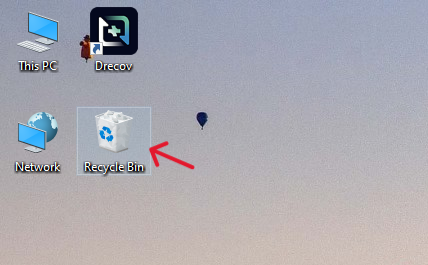
Before deploying advanced software, always verify your default system temporary storage. Windows holds standard deleted files in the Recycle Bin, whereas macOS uses the Trash folder. If you simply hit the delete key, your files are likely resting there safely.
Method 2: The Recovery Method Using PandaOffice Drecov
When standard bins are empty, PandaOffice Drecov data recovery software is the definitive answer for how to recuperate deleted pictures.
⚠ Warning: Install it on a drive different from the one where your data was lost to prevent overwriting.
Step 1: Select the Target Location
Launch the application to view the main dashboard interface. Select the specific drive letter, external partition, or connected camera card where your photos were originally stored.

Step 2: Execute the Scanning Process
Click the primary Scan button to initiate a quick scan followed by an automatic deep sector analysis. You can monitor the progress bar at the top of the interface as the software systematically reconstructs your lost directory structure.

Step 3: Filter and Preview
Navigate to the left-hand panel and filter the results by file type, choosing Graphics or Photos. Double-click on any detected thumbnail to open the built-in preview window, confirming the file integrity before final extraction.

Step 4: Save to a Secure Location
Mark the checkboxes next to the images you wish to restore. Click the Recover button and select a completely different storage destination, like an external backup drive, to finish the process safely.
Method 3: Restoring via Windows File History
If you previously enabled the built-in backup tools in Windows, you can utilize File History to revert your folders to a previous state. This method is free and requires no external downloads.
Step 1: Open Settings
Press the Windows key, type Control Panel, and navigate to the File History section.
Step 2: Browse Snapshots
Click the link labeled Restore personal files on the left menu to view a chronological timeline of your folders.
Step 3: Revert Folder State
Locate the specific Pictures folder, browse to the date before the accidental deletion occurred, select the desired items, and click the green Restore icon at the bottom of the screen.
Alternative or Complementary Methods
While PandaOffice Drecov data recovery software offers the highest success rates, you might want to consider alternative options depending on your specific technical environment. For instance, command-line utilities or cloud synchronization tools can sometimes serve as helpful secondary options.
Manual Command Prompt Recovery
Advanced users often turn to the Windows Command Prompt to fix file system attributes. This method is highly effective if a virus has simply hidden your photo directories rather than deleting them entirely.
To try this, open an elevated command prompt by searching for cmd and choosing to run it with administrative privileges. Input the command chkdsk E: /f to repair file errors on that specific partition, substituting your actual drive letter for E. After that process finishes, execute attrib -h -r -s /s /d E:\*.* to clear hidden, read-only system flags.
Cloud Storage Rollbacks
Meanwhile, if you use automated cloud solutions like Microsoft OneDrive, Google Photos, or Dropbox, your deleted items might still exist online. These platforms maintain internal cloud trash bins that hold files for 30 to 60 days before permanent deletion. Simply log into the web portal version of your cloud service, navigate to their trash menu, and hit restore.
Comparison of Methods
| Recovery Solution | Success Rate | Technical Difficulty | Scan Time | Best Used For |
| PandaOffice Drecov | Very High | Extremely Low | Fast to Moderate | All deletion scenarios, formatted drives, and raw files |
| Windows File History | Moderate | Low | Fast | Casual users with pre-existing local system backups |
| Command Prompt (Attrib) | Low | High | Slow | Disks altered by malware or hidden directory attributes |
| Cloud Trash Bin | High | Low | Instant | Accidental sync deletions within a 30-day window |
Tips & Best Practices for File Rescue
Achieving optimal results when learning how to undelete deleted photos requires adherence to strict operational guidelines. Minor mistakes during the initial phase can lead to permanent corruption.
- Cease All Write Operations: Avoid browsing the web, streaming videos, or launching video games on the machine experiencing data loss. Browsers constantly write temporary cache files to your drive, which could destroy your lost images.
- Never Save Files to the Source Drive: When pulling files out of limbo, always write the recovered images to an external drive or a separate partition. Saving them back to the same drive risks corrupting the remaining unrecovered data.
- Check Drive Health Frequently: Use standard diagnostic tools to review the S.M.A.R.T. status of your storage media. If a drive is physically failing with bad sectors, standard software scanning can cause total disk failure. In those rare scenarios, cloning the drive sector-by-sector is the safest prerequisite step.
- Fix Secondary Storage Issues First: If your storage issues stem from structural disk errors, you may need to learn how to repair corrupted USB flash drive without losing data to stabilize the platform before running deep extraction tools.
- Understand Specific Device Frameworks: Different hardware brands require specialized knowledge. For example, readers using external mechanical media can benefit greatly from reviewing a complete guide to Toshiba hard disk data recovery to learn about unique brand behaviors and firmware issues.
- Track Down App-Specific Files: Sometimes, the photos you need are actually temporary assets stored by web tools. If you are hunting for missing web graphics, it helps to understand where are Firefox bookmarks stored on your pc along with other app-specific profile paths.
Frequently Asked Questions
How do I retrieve deleted photos if the Recycle Bin was emptied?
When the Recycle Bin is emptied, the operating system drops the file pointers, making the data invisible but leaving the actual image content on the drive sectors. You can deploy PandaOffice Drecov data recovery software to execute a deep scan, bypass the file system layer, and pull the raw image data back.
Can I still find deleted photos on a formatted camera SD card?
Yes, a standard quick format merely rewrites the file system control tables without wiping the underlying data storage blocks. Avoid taking any new pictures with that camera card, insert it into a card reader, and run a reliable recovery scanner immediately.
What is the best way to answer how to get back deleted photos on Windows 11?
The absolute best approach involves using a combination of system shadow copies, File History backups, and dedicated extraction software. If manual windows features yield no results, third-party solutions provide the deepest scan depth.
Is it possible to use specialized software to regain deleted pics from an SSD?
Recovery from an SSD can be highly challenging due to an automated internal system feature known as the TRIM command. Furthermore, TRIM wipes unlinked data blocks during idle system periods to keep write speeds fast. However, if you launch your recovery program immediately after the file deletion occurs, you still stand a reasonable chance of rescue.
Why do some rescued images refuse to open or look completely distorted?
This problem indicates partial data overwriting. If another application claims even a few kilobytes of the sector holding your deleted photo, the file header or payload becomes corrupted, resulting in broken previews or parsing errors.
Conclusion
Discovering how to get back deleted pics does not have to be an exhausting or overwhelming task. While native Windows system utilities and cloud storage platforms provide helpful safety nets, they often fall short if files were permanently deleted or lost to a formatted drive. Ultimately, utilizing a dedicated solution like PandaOffice Drecov data recovery software remains the most effective, stress-free path to restoring your digital media safely.






