







Formatting a hard drive is a common but critical task for Windows 11 users. Whether you are setting up a brand-new disk, fixing file system errors, or preparing a drive for resale, understanding how to format a new hard drive correctly can save you from serious data loss and system issues. Windows 11 provides multiple built-in tools to format drives safely, but each method serves a different purpose and scenario.
Many users confuse quick formatting with deep formatting, or mistakenly format the wrong drive. These errors often lead to unexpected data loss and urgent recovery situations. Knowing windows 11 how to format a drive properly helps you choose the right approach based on your needs—speed, security, or repair.
⚠️ Warning: Formatting permanently removes data. Always back up important files before proceeding.
This comprehensive guide explains how to format drive Windows 11 using different methods, including File Explorer, Disk Management, and command-line tools. We also cover how to hard format a hard drive, when advanced formatting is necessary, and what to do if files are lost during the process. If something goes wrong, professional recovery options like Pandaoffice Drecov can help retrieve lost data.
I’m planning to sell my Windows 11 device and want to securely wipe the hard drive to ensure none of my personal data is recoverable. I’ve heard that just deleting files or even resetting the PC may not be enough to completely erase everything. Could anyone recommend a reliable method or tool to wipe a hard drive completely on Windows 11 before I sell it?—from Microsoft Store
What Does Formatting a Hard Drive Mean in Windows 11?
Before learning how to format a new hard drive, it’s essential to understand what formatting actually does. Formatting prepares a storage device for use by creating a file system that Windows can recognize and manage. Without formatting, Windows cannot store files properly on a drive.
Quick Format vs Full Format
A quick format removes the file table but does not scan the disk for bad sectors. This option is fast and suitable for healthy drives. A full format, often referred to as hard format, performs a complete scan and checks for disk errors while erasing all data.
⚠️ Warning: A full format takes much longer and makes data recovery more difficult.
Choosing between these two depends on your goal. If you’re troubleshooting errors or selling a drive, understanding how to hard format a hard drive is essential.
Why Windows 11 Requires Formatting
Windows 11 supports file systems such as NTFS, exFAT, and FAT32. Formatting assigns one of these systems to the drive, allowing the OS to read and write data efficiently. Without this step, a drive may appear as “unallocated” or “raw.”
When Should You Format a Hard Drive in Windows 11?
Formatting is not something you should do casually. It is recommended only in specific situations where other fixes are ineffective or unnecessary.
Formatting a Brand-New Hard Drive
New drives are often uninitialized or use incompatible file systems. Formatting is required before first use, making how to format a new hard drive one of the most common user needs.
Fixing File System Errors
If Windows repeatedly reports disk errors or refuses to access a drive, formatting may be the fastest solution. However, data backup is critical before proceeding.
⚠️ Warning: Formatting to fix errors will erase all existing data.
Preparing a Drive for Reuse or Sale
When passing a drive to another user, a full format ensures personal data cannot be accessed. This is where how to hard format a hard drive becomes important for privacy.
Method 1: Format Hard Drive Windows 11 Using File Explorer
The simplest way to format a drive in Windows 11 is through File Explorer. This method is ideal for beginners and works well for external and secondary internal drives.
Steps to Format a Drive via File Explorer
- Open File Explorer
- Click This PC
- Right-click the target drive
- Select Format
- Choose file system (NTFS recommended)
- Select Quick or Full Format
- Click Start
This approach is straightforward and widely used for users searching windows 11 how to format a drive.
⚠️ Warning: Double-check the selected drive to avoid formatting the wrong disk.
Advantages and Limitations
File Explorer formatting is fast and user-friendly, but it cannot format system drives or handle complex disk issues. For advanced scenarios, other tools are required.
Method 2: Format Hard Drive Using Disk Management
Disk Management offers greater control and is suitable for formatting new, unallocated, or problematic drives.
How Disk Management Works
Disk Management allows users to:
- Initialize new drives
- Create partitions
- Assign drive letters
- Format drives with precision
Steps:
- Right-click Start
- Select Disk Management
- Locate the target drive
- Right-click the partition
- Choose Format
- Configure file system and allocation size
This method is ideal for those learning how to format drive Windows 11 with more control.
⚠️ Warning: Formatting system-related partitions may cause Windows to fail to boot.
Why Disk Management Is More Powerful
Unlike File Explorer, Disk Management can handle raw disks and advanced partition structures. It’s commonly used by IT professionals and advanced users.
Method 3: Format Hard Drive Windows 11 Using Command Prompt
For users who prefer advanced tools, Command Prompt provides a powerful way to format drives using DiskPart.
How to Format Using DiskPart
- Open Command Prompt as Administrator
- Type
diskpart - Use
list diskto identify the drive - Select the disk
- Use
clean - Create partition
- Format with NTFS or exFAT
This approach is often used when graphical tools fail.
⚠️ Warning: DiskPart commands are irreversible and unforgiving.
When to Use Command-Line Formatting
DiskPart is useful for corrupted drives or automated setups. However, mistakes here are a common cause of accidental data loss.
What If You Lose Data While Formatting a Hard Drive?
Accidental formatting happens more often than users expect. Formatting the wrong drive or choosing the wrong method can erase critical data instantly.
Can Data Be Recovered After Formatting?
In many cases, yes. Especially after a quick format, data may still be recoverable if the drive hasn’t been overwritten.
⚠️ Warning: Stop using the formatted drive immediately to maximize recovery chances.
Recovering Files with Pandaoffice Drecov
Pandaoffice Drecov is designed to recover files lost due to formatting, including scenarios involving how to hard format a hard drive. It supports recovery from internal and external drives formatted on Windows 11.
How to Hard Format a Hard Drive in Windows 11
A hard format, also known as a full format, goes beyond simply deleting file references. It performs a deep scan of the disk, checks for bad sectors, and permanently removes existing data. Understanding how to hard format a hard drive is essential when security, stability, or disk health is a concern.
What Makes a Hard Format Different
Unlike a quick format, a hard format:
- Scans the entire drive surface
- Identifies and marks bad sectors
- Removes file traces more thoroughly
- Takes significantly longer to complete
This makes it ideal for drives with frequent errors, malware concerns, or when preparing a disk for resale.
⚠️ Warning: Hard formatting makes data recovery far more difficult than quick formatting.
Steps to Perform a Hard Format
To hard format a drive:
- Open Disk Management
- Right-click the target partition
- Select Format
- Uncheck Quick Format
- Choose NTFS or exFAT
- Confirm the operation
This process may take hours on large drives, but it ensures a cleaner and more reliable result.
Choosing the Right File System When Formatting a Drive
Selecting the correct file system is a crucial step when learning how to format drive Windows 11. The file system determines compatibility, performance, and maximum file size.
NTFS vs exFAT vs FAT32
- NTFS: Best for Windows system drives and internal disks
- exFAT: Ideal for external drives used across multiple systems
- FAT32: Legacy compatibility, but limited to 4GB file size
⚠️ Warning: Choosing the wrong file system may limit functionality or cause compatibility issues.
Which File System Should You Choose?
For most Windows 11 users:
- Use NTFS for internal drives
- Use exFAT for external drives and USB storage
Understanding this choice ensures that windows 11 how to format a drive is done correctly the first time.
Can You Format the System Drive in Windows 11?
Many users ask whether it’s possible to format the drive that Windows 11 is installed on. The short answer is yes—but not from within Windows itself.
Why System Drives Can’t Be Formatted Normally
Windows cannot format the active system drive because essential files are in use. Attempting to do so would cause the operating system to crash.
To format the system drive, users must:
- Boot from Windows installation media
- Use recovery or installation environments
- Reinstall Windows after formatting
⚠️ Warning: Formatting the system drive deletes Windows and all personal data.
When System Drive Formatting Is Necessary
System drive formatting is typically used when:
- Reinstalling Windows
- Removing severe malware
- Replacing a failing disk
In such cases, ensuring backups or recovery plans is critical.
What to Do If Formatting Fails in Windows 11
Formatting does not always go as planned. Errors such as “Windows was unable to complete the format” are common and frustrating.
Common Reasons Formatting Fails
- File system corruption
- Bad sectors
- Write-protection issues
- Driver or permission problems
⚠️ Warning: Repeated formatting attempts can worsen disk damage.
Solutions to Formatting Errors
- Try Disk Management instead of File Explorer
- Use Command Prompt with DiskPart
- Check disk health with system tools
- Update storage drivers
If errors persist, the disk may be physically damaged.
Accidental Formatting: What Are Your Recovery Options?
Formatting the wrong drive is one of the most common mistakes users make when following how to format a new hard drive guides. Fortunately, recovery may still be possible.
Is Recovery Possible After Formatting?
Yes, especially if:
- A quick format was used
- The drive hasn’t been overwritten
- Action is taken immediately
⚠️ Warning: Writing new data drastically reduces recovery success.
Recovering Formatted Drives with Pandaoffice Drecov
Pandaoffice Drecov specializes in recovering data lost due to formatting, including:
Download Drecov- Accidental quick formats
- Drive reinitialization
- Partition deletion
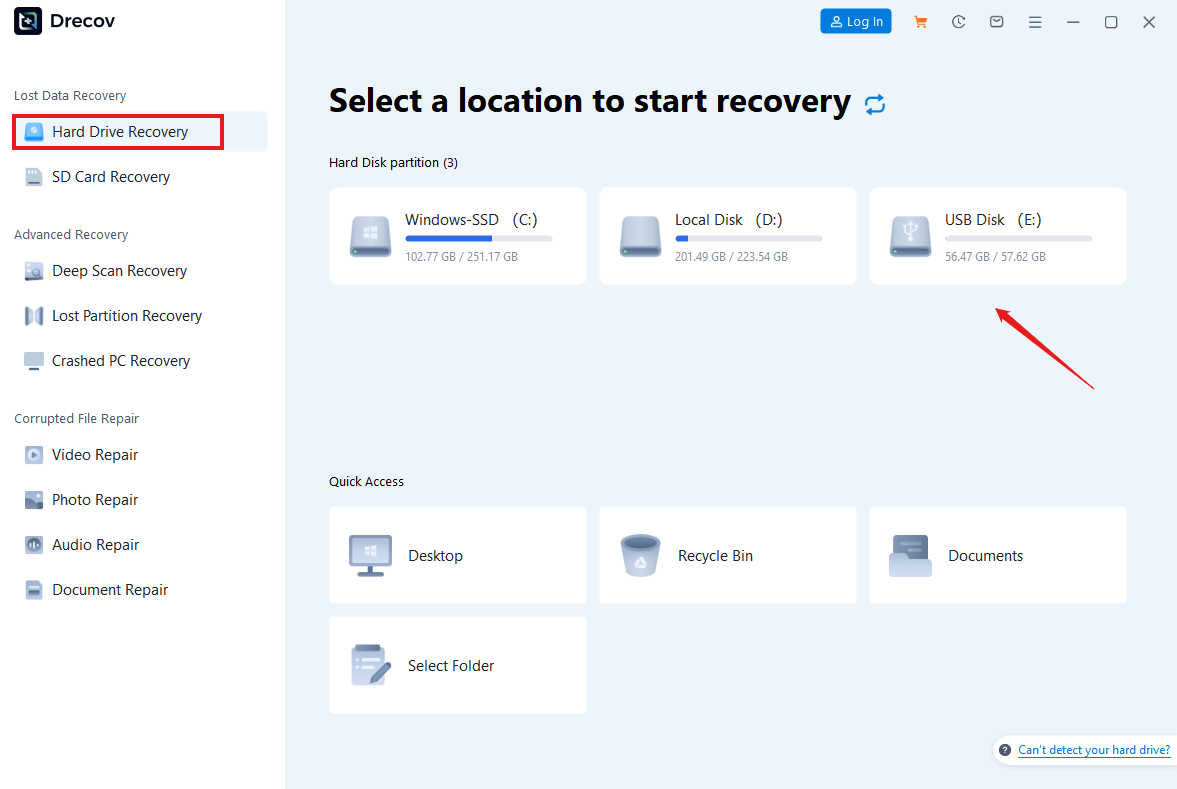

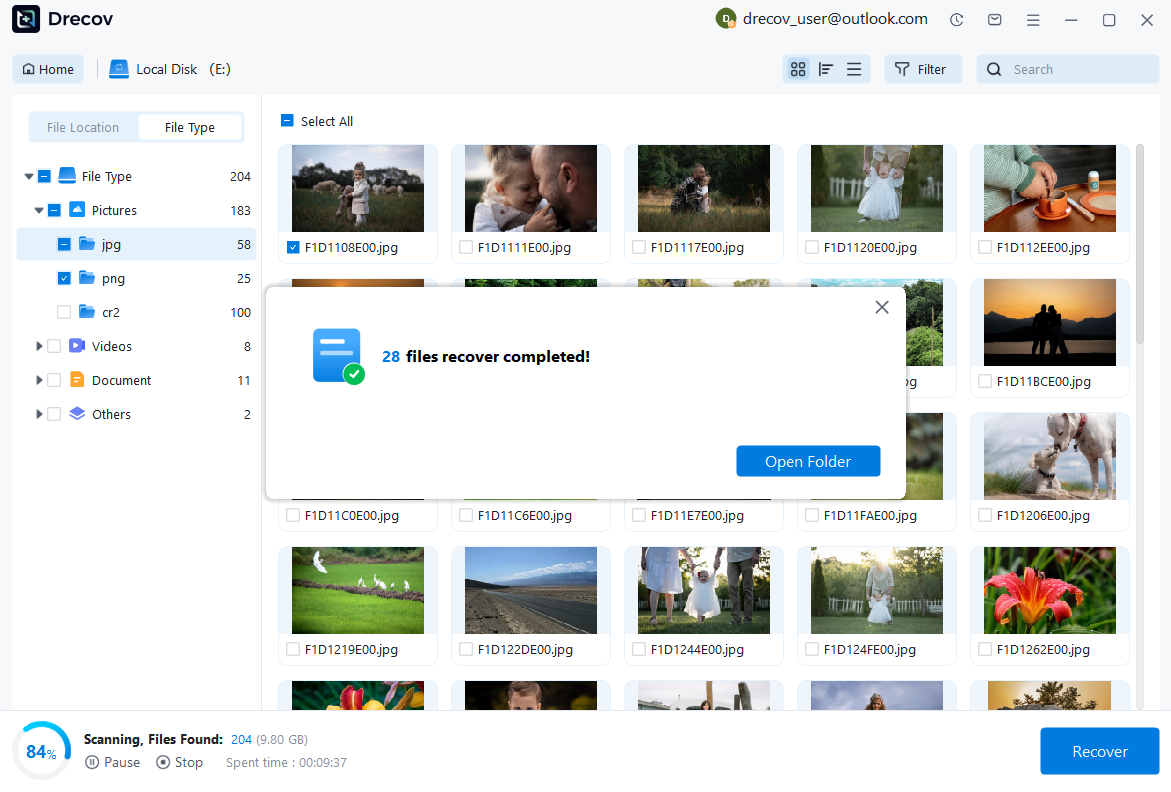
It supports Windows 11 and works with both internal and external drives.
Best Practices Before Formatting a Hard Drive
Preparation is the best defense against data loss. Before formatting, users should follow a strict checklist.
Essential Pre-Formatting Checklist
- Back up all important data
- Confirm the correct drive letter
- Verify disk health
- Choose the correct format type
⚠️ Warning: Never rely on memory—always double-check the target drive.
These precautions greatly reduce the need for recovery later.
Frequently Asked Questions About Formatting Hard Drives in Windows 11
How long does it take to format a hard drive?
Quick formats take minutes, while hard formats may take hours depending on disk size.
Does formatting remove viruses?
A full format can remove most malware, but firmware-level threats may persist.
Can I recover data after a hard format?
Recovery is difficult but sometimes possible using professional tools like Pandaoffice Drecov.
Conclusion: Safely Format Hard Drives in Windows 11
Formatting is a powerful tool when used correctly. By understanding how to format drive Windows 11, choosing the right file system, and knowing when to use quick or hard formatting, users can maintain healthy and efficient storage.
At the same time, mistakes can happen. Knowing recovery options and using reliable tools ensures that even accidental formatting doesn’t have to mean permanent data loss.
⚠️ Final Warning: Always back up before formatting—prevention is easier than recovery.






